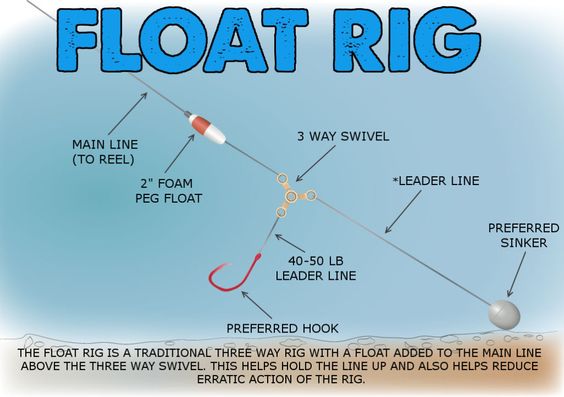
If you want to catch catfish successfully, knowing how to rig your fishing line the right way is key. The right setup can make all the difference between a frustrating day with no bites and reeling in a big catch.
In this guide, you’ll discover simple steps to rig your line like a pro, even if you’re new to catfishing. Get ready to improve your technique and boost your chances of landing that trophy catfish you’ve been dreaming about. Keep reading, and you’ll be casting with confidence in no time!

Credit: fishingsun.com
Choosing The Right Line
Choosing the right fishing line is key to catching catfish. The line must be strong and durable.
This guide covers line strength, materials, and diameter for catfish rigs.
Line Strength And Material
Catfish can be large and strong, so pick a line with enough strength. The line should resist breaking and abrasion from rough water or sharp teeth.
- Choose a line with at least 15 to 30 pounds test strength.
- Stronger lines reduce the chance of losing a big fish.
- Material affects stretch, sensitivity, and knot strength.
Monofilament Vs Braided Line
Monofilament and braided lines are common choices for catfish fishing. Each has pros and cons.
| Line Type | Advantages | Disadvantages |
|---|---|---|
| Monofilament | Good stretch, easy to knot, more forgiving | Thicker diameter, less sensitivity, wears faster |
| Braided | Thin diameter, strong, high sensitivity | Less stretch, can cut hands, visible in clear water |
Line Diameter Considerations
Line diameter impacts casting distance, strength, and visibility. Thicker lines are stronger but more visible in water.
- Thinner line casts farther and is less visible to fish.
- Thicker line offers better abrasion resistance.
- Balance diameter with strength for your fishing spot.

Credit: mysterytacklebox.com
Selecting The Best Hooks
Choosing the right hook is key to catching catfish. The hook must be strong and fit the size of the fish.
Good hooks help keep the bait secure and make it easier to catch big catfish.
Hook Sizes For Catfish
Catfish come in different sizes, so the hook size matters. Use bigger hooks for larger catfish.
Smaller catfish need smaller hooks to hold the bait well without scaring them away.
- Size 4 to 2/0 hooks work for small catfish
- Size 3/0 to 5/0 hooks suit medium catfish
- Size 6/0 to 9/0 hooks are best for large catfish
Types Of Hooks To Use
There are many types of hooks for catfish rigs. Circle hooks and J-hooks are popular choices.
Circle hooks reduce fish injuries and help in better hook sets. J-hooks work well for bait fishing.
- Circle hooks: safer and catch fish on the corner of the mouth
- J-hooks: traditional and good for live or cut bait
- Octopus hooks: strong and good for big catfish
Sharpness And Durability
Sharp hooks increase the chance of catching catfish quickly. A dull hook can lose fish.
Durable hooks resist bending or breaking during fights with strong catfish.
- Use hooks made of strong steel or high-carbon materials
- Keep hooks sharp by checking often and sharpening if needed
- Replace rusty or bent hooks to avoid losing fish
Using Weights And Sinkers
Fishing for catfish needs the right setup. Weights and sinkers help keep your bait in place. They improve casting and hold your line steady in water.
Choosing the right weight and sinker type is key. It depends on water depth, current speed, and fishing spot. Let’s look at how to use them well.
Types Of Sinkers
Sinkers come in many shapes and sizes. Each type works better in different conditions. Knowing them helps you pick the best one.
- Egg Sinkers:Oval shape, slides on the line. Good for gentle currents.
- Split Shot Sinkers:Small and round. Clip onto the line easily for light weight.
- Bank Sinkers:Teardrop shape with a hole. Holds well in fast currents.
- Pyramid Sinkers:Pointed bottom. Keeps line from moving in strong currents.
- Bullet Sinkers:Streamlined shape. Helps in casting far distances.
Weight Placement Techniques
Placing the weight right on the line is important. It affects bait movement and bite detection. Use these methods for best results.
- Slip Sinker Rig:Weight slides on the main line above a swivel. Allows free bait movement.
- Bottom Rig:Weight tied at the end of the line. Keeps bait on the riverbed.
- Drop Shot Rig:Weight below the hook. Bait stays above the bottom.
- Carolina Rig:Weight separated by a leader. Bait moves freely behind the weight.
Adjusting For Current And Depth
Currents and water depth change how your sinker works. Adjust weight size and placement to match conditions. This table shows good choices for common situations.
| Water Condition | Sinker Type | Recommended Weight | Placement Style |
|---|---|---|---|
| Slow Current, Shallow | Egg Sinker | 1/4 to 1/2 oz | Slip Sinker |
| Moderate Current, Medium Depth | Bank Sinker | 1/2 to 1 oz | Bottom Rig |
| Strong Current, Deep Water | Pyramid Sinker | 1 to 2 oz | Bottom Rig |
| Still Water, Any Depth | Split Shot | 1/8 to 1/4 oz | Drop Shot |
Popular Rigging Methods
Catfish fishing is successful when you use the right rig. Different rigs work best in certain waters and conditions. Here are popular rigs many anglers use.
Each rig has unique features that help in catching catfish. Learning how to rig your line properly improves your chances.
Slip Sinkers Rig
The slip sinker rig is simple and effective. It lets the catfish take the bait without feeling the weight. This rig uses a sliding sinker on the main line.
To rig it, slide a sinker onto your line first. Then add a bead to protect the knot. Tie a swivel after the bead and attach your leader line with a hook.
Carolina Rig
The Carolina rig works well in deep water. It keeps the bait just above the bottom where catfish often feed. This rig uses a heavy sinker fixed above a swivel.
- Slide a bullet sinker onto the main line.
- Add a plastic bead to protect the knot.
- Tie a swivel below the bead.
- Attach a leader line of about 18 inches to the swivel.
- Tie a hook at the end of the leader line.
This setup lets the bait move freely while the sinker stays put on the bottom.
Fish Finder Rig
The fish finder rig is good for fishing in current or deep water. It uses a long leader line and a heavy sinker to keep the bait near the bottom.
| Part | Description | Purpose |
|---|---|---|
| Sinker | Heavy egg or bank sinker | Keeps bait near bottom in strong current |
| Leader Line | 2 to 3 feet of strong line | Separates bait from sinker to avoid spooking fish |
| Swivel | Connects main line and leader | Prevents line twist |
| Hook | Strong and sharp | Holds bait securely |
Bait Selection And Attachment
Choosing the right bait and attaching it properly can catch more catfish. The bait must look natural to attract them.
This guide explains natural baits, how to present them well, and secure them on hooks.
Natural Baits For Catfish
Catfish prefer baits that smell strong and feel soft in the water. Using natural baits increases your chances of a catch.
- Nightcrawlers and earthworms
- Chicken liver pieces
- Cut pieces of shad or other small fish
- Fresh shrimp or crayfish
- Commercial stink baits made for catfish
Bait Presentation Tips
How you present the bait affects how catfish see and smell it. Keep the bait natural and secure.
| Tip | Explanation |
| Use fresh bait | Fresh bait releases more scent to attract fish |
| Keep bait moist | Prevents bait from drying out and losing scent |
| Place bait near bottom | Catfish usually feed close to the river or lake bed |
| Use chum sparingly | Too much chum can distract catfish from your hook bait |
Securing Bait On Hooks
Attach bait firmly to avoid losing it before a catfish bites. Use the right hook size and baiting method.
- Thread worms or pieces of bait along the hook shank
- Hook chicken liver through the thickest part to hold it tight
- For cut fish bait, hook through the tail or spine to keep it secure
- Use circle hooks for better catch and release results
- Check bait often and replace if it falls off or loses scent
Setting Up The Rod And Reel
Setting up your rod and reel correctly is important for catching catfish. It helps you handle big fish and avoid line breaks.
This guide covers the rod strength and action, reel type and drag settings, and line spooling tips.
Rod Strength And Action
Choose a rod with medium-heavy to heavy power. This strength holds strong catfish and heavy baits well.
The action should be fast or extra-fast. It allows quick hook sets and better control of the fish.
Reel Type And Drag Settings
Use a baitcasting or spinning reel that fits your rod strength. A smooth drag system is key for fighting catfish.
- Set the drag to about one-third of your line’s breaking strength.
- Test the drag by pulling the line with your hand to feel resistance.
- Adjust the drag if the fish pulls too easily or the line breaks.
Line Spooling Tips
| Tip | Reason |
|---|---|
| Use a backing line under main line | Prevents spool damage and adds extra length |
| Keep line tight while spooling | Reduces line twists and tangles |
| Fill spool to 1/8 inch from the rim | Avoids overfilling which causes knots |
Casting And Fishing Techniques
Rigging a fishing line for catfish requires good casting and fishing skills. You need to place your bait carefully and watch for bites.
Using the right techniques can help you catch more catfish. This guide covers casting distance, detecting bites, and landing your catch.
Casting Distance And Accuracy
Cast your line far enough to reach areas where catfish hide. Use a smooth, steady motion to avoid tangles.
Focus on accuracy to place your bait near structures like logs or deep holes. This increases your chances of catching catfish.
- Use heavier sinkers for longer casts
- Practice a steady wrist snap for control
- Watch the wind direction before casting
- Try sidearm casts for better accuracy
Detecting Bites
Catfish bites can be subtle at first. Pay close attention to your line and rod tip for small twitches or pulls.
Use a sensitive rod or a bite alarm to help detect when a catfish takes the bait. Keep your hands ready to set the hook.
- Watch for slow line movement or tightness
- Feel for a gentle tug or weight change
- Listen for clicks from bite alarms
- Check your bait often for signs of nibbling
Playing And Landing Catfish
Once a catfish bites, keep steady pressure to tire it out. Avoid letting the line go slack or break.
Use your rod to control the fish and guide it toward shore or the boat. Be patient and careful when landing the catfish.
- Keep the rod tip up to prevent line breaks
- Let the fish run if it pulls hard, then reel in slowly
- Use a net or gloved hand to lift the fish safely
- Handle catfish carefully to avoid sharp fins
Maintaining Your Rig
Keeping your catfish rig in good shape helps you catch more fish. Regular care stops problems before they start.
Check all parts of your rig often. Fix or replace worn pieces to keep your line strong and ready.
Checking For Line Wear
Look closely at your fishing line for signs of damage. Small cuts or frays can cause the line to break.
- Run your fingers along the line to feel for rough spots.
- Look for discoloration or weakened areas in the line.
- Replace the line if you find any damage to avoid losing fish.
Hook Maintenance
Sharp hooks catch fish better. Keep your hooks clean and sharp for best results.
| Hook Care Tip | Why It Matters |
|---|---|
| Rinse hooks after use | Prevents rust and corrosion |
| Sharpen hooks regularly | Keeps hooks effective for catching fish |
| Check for bent or damaged hooks | Ensures hooks hold well and don’t break |
Replacing Components
Parts like swivels, sinkers, and leaders wear out. Replace them to keep your rig working well.
- Inspect all parts before each fishing trip.
- Swap out any rusty or damaged items.
- Use quality replacements that fit your rig.
- Store spare parts in a tackle box for quick changes.

Credit: mysterytacklebox.com
Frequently Asked Questions
What Is The Best Fishing Line For Catfish Rigging?
The best fishing line for catfish rigging is typically a strong, abrasion-resistant braided or monofilament line. Choose 20-30 lb test strength to handle large catfish and rough environments. This ensures durability and better hook setting.
How Do I Tie A Fishing Rig For Catfish?
To tie a catfish rig, use a slip sinker rig or a Carolina rig. Attach a swivel, leader line, and hook securely. Use a Palomar or improved clinch knot for strong, reliable connections that resist catfish bites.
Which Bait Works Best With Catfish Rigs?
Popular catfish baits include live bait like worms, cut bait, chicken liver, and stink baits. Choose bait based on local catfish preferences and water conditions to increase chances of a successful catch.
Why Use A Slip Sinker Rig For Catfish?
A slip sinker rig allows the catfish to take the bait without feeling the weight. This rig improves hook sets by reducing resistance and is highly effective in various fishing environments.
Conclusion
Rigging a fishing line for catfish is simple and fun. With the right gear, catching catfish becomes easier. Choose strong lines and sharp hooks. Secure your bait firmly. Check your knots for strength. Always consider the water depth and location.
Adjust your rigging technique accordingly. Practice makes perfect. Soon, you’ll be casting like a pro. Enjoy the thrill of fishing. Remember, patience is key. Happy fishing adventures await!