If you want to catch more fish, knowing how to rig a fishing line with a sinker is a must. The right setup can make all the difference between a day full of bites and hours of waiting.
In this guide, you’ll discover simple steps to rig your line correctly, so your bait stays where it should and your fishing becomes more effective. Whether you’re a beginner or just looking to improve, this easy method will help you fish smarter and enjoy your time on the water even more.
Keep reading, and you’ll be ready to cast like a pro!
Choosing The Right Sinker
Using the right sinker helps your fishing line reach the right depth. It also keeps the bait steady in water.
Choosing a sinker depends on the fishing spot and water conditions. This guide explains types of sinkers and how to pick the right weight.
Types Of Sinkers
Sinkers come in many shapes and sizes. Each type works best in certain fishing situations.
- Split Shot:Small and round, easy to add or remove.
- Egg Sinker:Oval shape that lets line slide through.
- Bank Sinkers:Flat and heavy, good for strong currents.
- Pyramid Sinkers:Pointed shape, holds well in sandy or muddy bottoms.
- Bullet Sinkers:Streamlined shape, used for fishing with soft plastic baits.
Selecting Weight Based On Conditions
Choose sinker weight by checking water depth, current strength, and wind speed. The right weight keeps bait in place without scaring fish.
| Water Condition | Recommended Sinker Weight | Reason |
| Calm water | Light (1-5 grams) | Keeps bait natural and floating |
| Moderate current | Medium (6-15 grams) | Holds bait steady without drifting |
| Strong current or windy | Heavy (16+ grams) | Prevents bait from moving too much |
| Deep water | Heavier sinkers | Reaches bottom faster |
Credit: greatdaysoutdoors.com
Preparing Your Fishing Line
Getting your fishing line ready is a key part of rigging with a sinker. Proper preparation helps you avoid problems while fishing.
Two important steps are cutting the line to the right length and checking the line for damage. Both ensure your setup works well.
Cutting The Line To Length
Cutting your fishing line to the right length depends on the type of fishing and the water conditions. A line that is too long can tangle easily.
- Measure the distance you want from the rod tip to the sinker spot.
- Add a few extra inches for tying knots.
- Use sharp scissors or a line cutter for a clean cut.
- Cut the line carefully to avoid frayed ends.
Checking For Line Damage
Damaged fishing line can break easily and cause you to lose your catch. Always check the line before rigging.
| Type of Damage | Signs to Look For | What to Do |
|---|---|---|
| Abrasion | Rough or worn spots on the line | Cut out the damaged part or replace the line |
| Knots and Twists | Unwanted loops or tight knots | Untangle carefully or cut if weak |
| Discoloration | Faded or cloudy areas | Test strength or replace if weak |
Attaching The Sinker
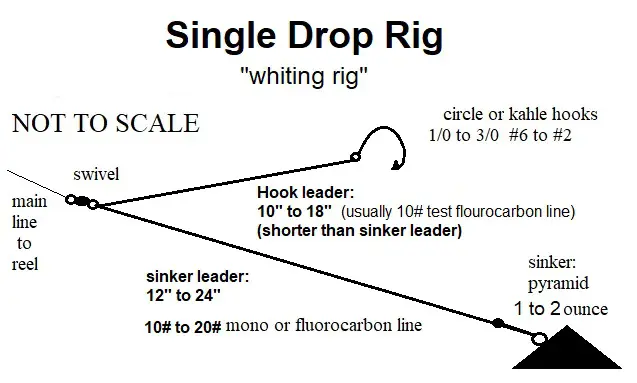
Attaching a sinker to your fishing line helps you cast farther and keep the bait underwater. The right sinker keeps your bait steady in the water.
There are different ways to attach sinkers. Each type of sinker needs a specific method to work best.
Using Slip Sinkers
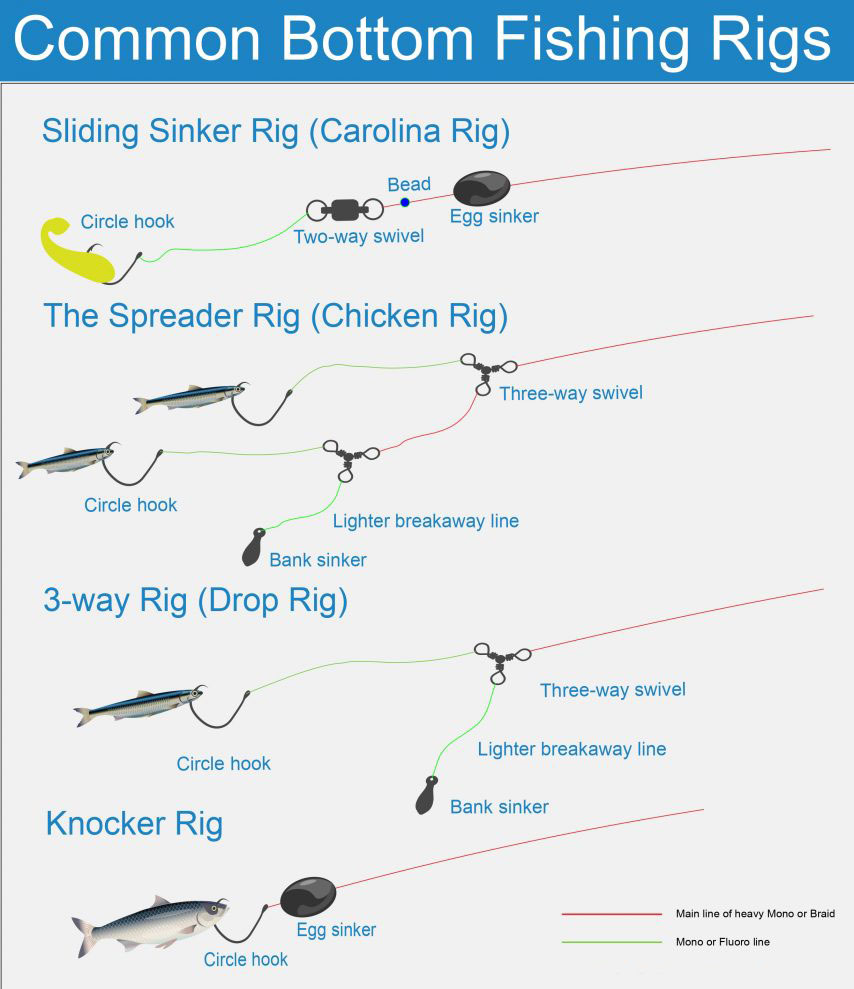
Slip sinkers slide freely on the line. This lets the fish take the bait without feeling the weight. To use a slip sinker, thread the line through the hole in the sinker.
After the sinker, add a small bead to protect the knot. Then tie a swivel or hook at the end of the line.
- Thread line through the sinker
- Place a plastic or glass bead after sinker
- Tie swivel or hook below the bead
Securing With Split Shot Sinkers
Split shot sinkers are small and clip onto the line. Pinch the sinker onto the line near the hook or bait. This holds the bait at the right depth.
Use pliers to pinch the sinker tightly. Move the sinker up or down the line to adjust weight and depth.
- Choose a split shot sinker size
- Place sinker on line near bait
- Pinch sinker with pliers until secure
- Adjust sinker position for best depth
Tying With Egg Sinkers
Egg sinkers have a hole through the center. Thread the line through the hole to let the sinker slide. Tie a knot or swivel below to stop the sinker.
This setup lets fish pull the bait with less resistance. Egg sinkers work well in flowing water and deeper fishing spots.
- Thread line through egg sinker hole
- Add a bead below the sinker
- Tie a swivel or hook below the bead
- Adjust knot to control sinker movement

Credit: greatdaysoutdoors.com
Adding The Hook And Bait
Fishing is a fun activity that requires the right gear and knowledge. Knowing how to rig a fishing line with a sinker is important. The hook and bait are key parts of this process.
In this guide, you will learn about choosing the right hook and baiting techniques. These steps will help you catch more fish.
Choosing The Right Hook
Hooks come in many shapes and sizes. Picking the right one depends on the fish you want to catch. A good hook should be sharp and strong.
- Circle hooks are great for catch-and-release fishing.
- J-hooks are useful for deep-sea fishing.
- Trebles are perfect for artificial lures.
Baiting Techniques
Using the right bait can make your fishing trip successful. Live bait attracts fish because it moves naturally in the water.
| Bait Type | Best Used For |
| Worms | Freshwater fish like bass and trout |
| Shrimp | Saltwater fish such as redfish and snook |
| Crickets | Perfect for catching panfish |
Testing Your Rig
Testing your fishing rig ensures it works well before you cast. A good test saves time and improves your chances of catching fish.
Check the line, sinker, and hook to make sure they balance correctly and cast smoothly.
Ensuring Proper Balance
Your rig needs the right balance between the sinker and the hook. This balance helps your bait stay in the water properly.
- Hold the rig and see if the sinker pulls the line down too much.
- Make sure the hook hangs naturally without flipping over.
- Adjust the position of the sinker if the rig tilts.
- Test the rig in water to observe how it moves and sinks.
Adjusting Weight For Casting
Weight affects how far and smooth your rig casts. Too heavy or too light weight can cause problems.
| Weight Situation | Effect on Casting | Adjustment Tip |
| Too Heavy | Short casts, line may tangle | Use a lighter sinker |
| Too Light | Short distance, poor accuracy | Add more weight gradually |
| Balanced | Longer casts, smooth line flow | Keep sinker weight steady |
Tips For Successful Fishing
Rigging a fishing line with a sinker helps keep your bait at the right depth. Using the sinker correctly improves your chances of catching fish.
Follow simple tips to cast well, read water, and handle fish safely. These skills make fishing easier and more fun.
Casting Techniques
Hold the rod firmly but relaxed. Swing it smoothly to avoid tangles. Aim for spots where fish like to hide.
Practice short and long casts to reach different areas. Let the sinker help the bait sink fast and stay steady.
- Keep your wrist steady during the cast
- Release the line at the right moment
- Aim slightly ahead of your target spot
- Adjust cast length based on water depth
Reading Water Conditions
Look for signs like ripples, currents, and color changes. Fish often gather near rocks, plants, or shaded areas.
Notice how your sinker moves. If it drags too much, the bottom may be rocky or weedy. If it sinks fast, water is deep or clear.
- Spot calm areas near fast currents
- Check water clarity before fishing
- Watch for jumping fish or birds
- Use sinker movement to learn bottom type
Handling Fish Safely
Use wet hands or a wet cloth to hold the fish gently. Avoid squeezing hard to protect the fish’s skin and scales.
Remove the hook carefully with pliers. If you plan to release the fish, do it quickly and keep the fish in water as much as possible.
- Handle fish with care to avoid injury
- Use tools to remove hooks safely
- Release fish gently back into water
- Keep fish wet to protect its health

Credit: mysterytacklebox.com
Frequently Asked Questions
How Do I Attach A Sinker To My Fishing Line?
To attach a sinker, thread the line through the sinker’s hole or attach it using a swivel. Secure it with a knot. This helps your bait sink properly and improves casting distance and accuracy.
What Types Of Sinkers Are Best For Rigging?
Split shot, egg, and bullet sinkers are popular for rigging. Choose based on fishing conditions and target species. The right sinker ensures proper bait presentation and stability in water currents.
When Should I Use A Sinker While Fishing?
Use a sinker when you want your bait to sink quickly or stay near the bottom. It helps in deep water or strong currents, keeping the bait in the strike zone longer.
Can I Rig A Fishing Line Without A Sinker?
Yes, you can rig without a sinker for surface or shallow fishing. However, without a sinker, your bait may drift and not reach desired depths effectively.
Conclusion
Rigging a fishing line with a sinker is simple and effective. Choose the right sinker size for your fishing spot. Tie your line securely to keep the sinker in place. This helps your bait sink and stay where fish swim.
Practice tying knots to avoid losing gear. With these steps, your fishing trips can improve. Enjoy catching more fish by using the right rig. Keep your setup neat and strong for best results. Happy fishing!