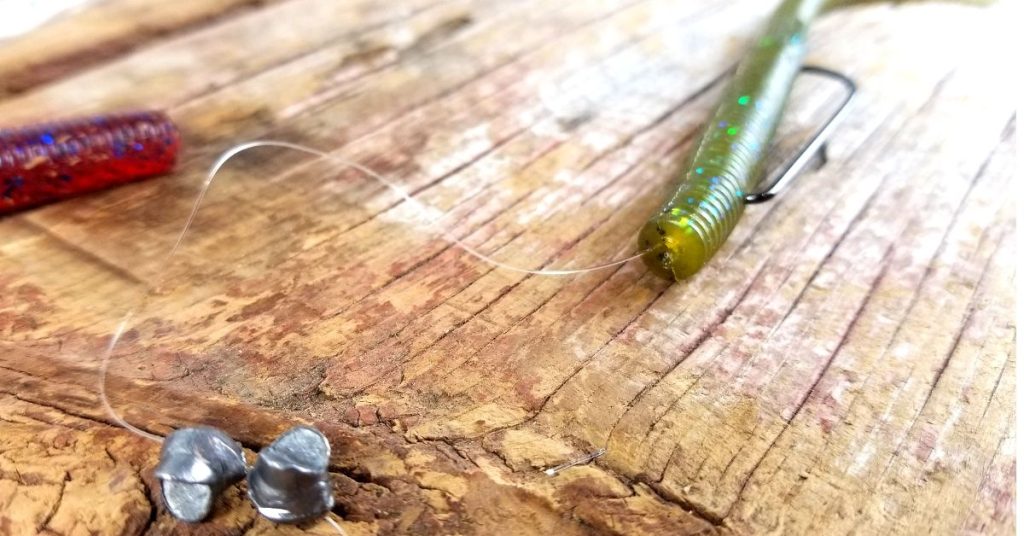
If you want to catch more fish, knowing how to rig a fishing lure the right way is a game-changer. The way you set up your lure can make the difference between a missed bite and a successful catch.
In this guide, you’ll learn simple, step-by-step techniques that anyone can follow—whether you’re just starting out or looking to sharpen your skills. Get ready to boost your fishing success and enjoy more time reeling in your favorite catches. Keep reading, and you’ll discover how easy it is to rig your fishing lure like a pro.
Choosing The Right Lure
Choosing the right fishing lure helps catch more fish. The right lure matches the fish you want and the water you fish in.
Learn about different lures, which fish like them, and what materials last longest. This guide will help you pick the best lure for your fishing trip.
Types Of Fishing Lures
Fishing lures come in many types. Each type moves differently to attract fish. Some common types include:
- Spinnerbaits – spin and flash in water
- Crankbaits – dive and wiggle like small fish
- Soft Plastics – flexible and look like worms or bugs
- Jigs – weighted and bounce on the bottom
- Spoons – shiny and wobble to catch attention
Matching Lures To Fish Species
Different fish prefer different lures. Know what fish you want to catch. Then choose a lure that looks like their natural food or triggers their hunting instinct.
| Fish Species | Best Lure Type |
| Bass | Spinnerbaits, Jigs, Soft Plastics |
| Trout | Crankbaits, Spoons, Soft Plastics |
| Pike | Spinnerbaits, Spoons, Large Crankbaits |
| Walleye | Jigs, Soft Plastics, Crankbaits |
| Salmon | Spoons, Spinnerbaits, Soft Plastics |
Lure Materials And Durability
Lures are made from plastic, metal, or wood. Each material has pros and cons for fishing.
- Plastic lures are light and flexible but can tear easily.
- Metal lures are strong and shiny but can rust if wet.
- Wood lures look natural and float well but may crack over time.

Credit: www.youtube.com
Essential Tackle And Tools
Rigging a fishing lure correctly needs the right tackle and tools. Choosing quality gear helps improve your fishing experience.
This guide covers fishing line, hooks, swivels, pliers, and knot tying tools you must have.
Fishing Line Selection
Select a fishing line that fits your fishing style and target fish. Lines come in different strengths and materials.
- Monofilament: Good for beginners, stretchy and easy to handle.
- Fluorocarbon: Nearly invisible underwater and abrasion resistant.
- Braid: Very strong and thin, great for heavy cover fishing.
Hooks And Swivels
Hooks hold the lure and catch fish. Swivels prevent line twisting and help with lure action.
| Type | Use | Size Range |
| Circle Hook | Catch and release fishing | 2 to 5/0 |
| J Hook | General fishing | 6 to 2/0 |
| Barbless Hook | Easy hook removal | 8 to 4/0 |
| Barrel Swivel | Prevents line twist | Small to large |
| Ball Bearing Swivel | Heavy lures and smooth action | Medium to large |
Pliers And Knot Tying Tools
Pliers help remove hooks and cut line. Knot tying tools make strong, secure knots easier.
- Needle-nose pliers for reach and precision
- Line cutters or scissors for clean cuts
- Knot tying tools to hold loops and tighten knots
Preparing The Lure
Preparing a fishing lure is important before you start fishing. It helps the lure work well and catch fish.
This guide will show how to get your lure ready by checking parts and attaching hooks and rings.
Inspecting Lure Components
Look closely at your lure before use. Check for cracks, chips, or damage that can affect its action.
Make sure all parts like eyes, paint, and body are solid and not loose. Damaged lures may not work well.
Attaching Hooks Properly
Hooks must be tight and secure on your lure. Use strong split rings or eyelets to connect hooks.
Check that hooks face the right way and point outward. This helps catch fish better and avoid snags.
- Use pliers to open split rings slightly
- Slide the hook eye onto the ring
- Close the ring fully to secure the hook
- Test hook movement to ensure it swings freely
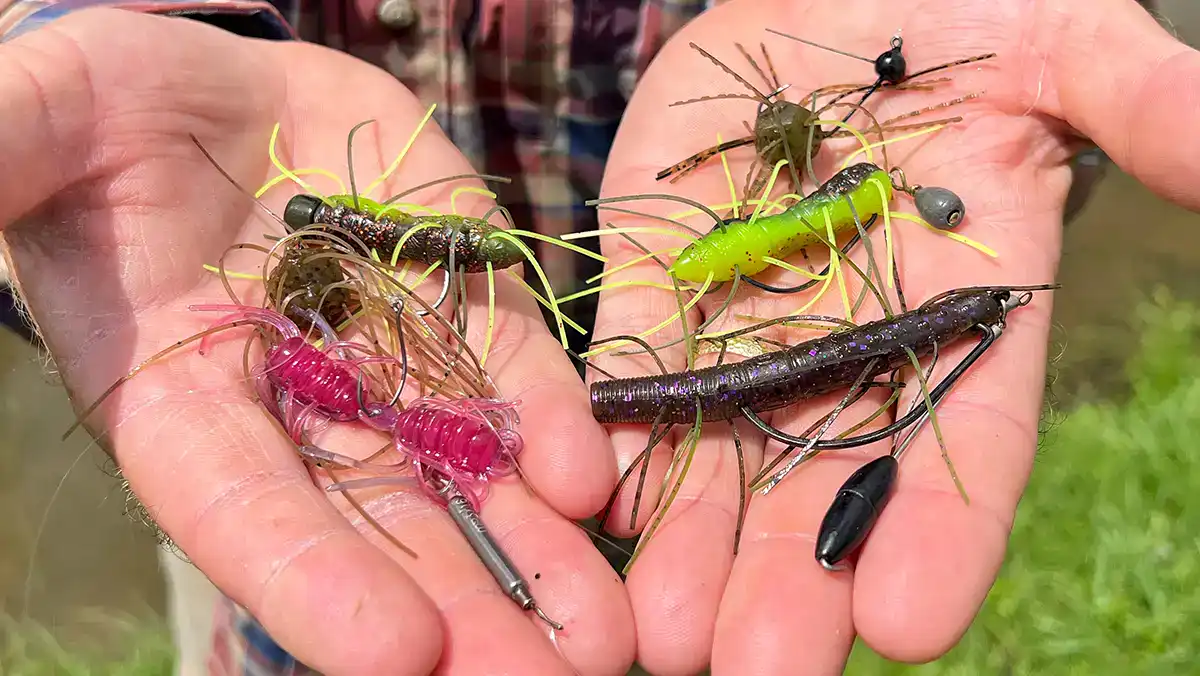
Adding Split Rings And Swivels
Split rings connect hooks and swivels to lures. Swivels help reduce line twist during fishing.
Choose the right size rings and swivels to match your lure and fishing style. Too big or small parts can cause problems.
- Open the split ring with pliers
- Attach the ring to the lure eye or hook
- Add the swivel if needed before the hook
- Make sure all parts move freely without tight spots
Credit: www.wired2fish.com
Rigging Techniques
Rigging a fishing lure is an essential skill for any angler. It helps in presenting your bait effectively to catch fish. Different techniques are used based on the environment and target species.
Understanding the right rigging method can increase your chances of a successful catch. Let’s explore some popular techniques.
Basic Rigging Methods
Basic rigging methods include techniques that are easy for beginners. These methods ensure that the lure is presented naturally in the water.
- Choose the right size of hook for your lure.
- Attach the hook to the lure securely.
- Ensure the knot is tight to prevent losing the fish.
Weedless Rigging Tips
Weedless rigging is useful in areas with heavy vegetation. It prevents the lure from getting snagged.
- Use a hook with a weed guard.
- Rig the hook through the bait to hide the point.
- Choose a soft plastic lure for flexibility.
Rigging For Different Water Conditions
Different water conditions require different rigging techniques. The clarity, depth, and temperature of the water can affect your rigging method.
| Water Condition | Recommended Rigging |
| Clear Water | Use lighter lines and smaller lures. |
| Muddy Water | Opt for bright colors and larger lures. |
| Deep Water | Use a weighted rig to reach the bottom. |
Knot Tying For Strength
Tying strong knots is important for fishing. Good knots keep your lure secure. They help catch more fish and avoid lost tackle.
This guide covers three popular knots. Each knot works well with fishing lures. Learn how to tie them for best results.
Improved Clinch Knot
The Improved Clinch Knot is easy and reliable. It works well with most fishing lines. This knot holds tight and resists slipping.
- Thread the line through the lure eye.
- Wrap the tag end around the main line five times.
- Pass the tag end through the small loop near the eye.
- Then, pass it back through the big loop.
- Moisten the knot and pull tight slowly.
Palomar Knot
The Palomar Knot is strong and easy to tie. It keeps the line from breaking under pressure. It works best with braided lines.
To tie the Palomar Knot:
- Double about six inches of line and pass it through the lure eye.
- Make a loose overhand knot with the doubled line.
- Pass the lure through the loop of the overhand knot.
- Tighten the knot by pulling both ends evenly.
- Trim the tag end close to the knot.
Loop Knot For Lure Action
The Loop Knot lets the lure move freely. This action attracts more fish. It is perfect for soft plastic lures and spoons.
| Step | Action |
| 1 | Make an overhand knot about 6 inches from the tag end. |
| 2 | Pass the tag end through the lure eye. |
| 3 | Thread the tag end through the overhand knot loop. |
| 4 | Wrap the tag end around the standing line 4-5 times. |
| 5 | Pass the tag end back through the overhand knot loop. |
| 6 | Moisten and pull all ends tight to secure the knot. |
Adjusting Lure Action
Adjusting the action of a fishing lure helps attract more fish. Small changes can make your lure move better in the water.
Focus on balancing weight, changing hooks, and testing movement to get the best results.
Balancing Weight And Buoyancy
Weight affects how your lure sinks or floats. Buoyancy controls how it stays in the water. Adjust both to change lure action.
- Add small weights inside or outside the lure to change sinking speed.
- Use lighter materials to make the lure float more.
- Balance the weight evenly to keep the lure stable while moving.
- Test with different weights to find the best action for your fishing spot.
Modifying Hooks For Better Movement
Changing hooks can improve how the lure moves. Hooks that are too heavy or large may slow the action.
| Hook Type | Effect on Movement |
|---|---|
| Lightweight Treble Hooks | Allows faster, more natural lure action |
| Heavy Single Hooks | Slows lure movement, good for deep water |
| Barbless Hooks | Less drag, smoother lure action |
| Weighted Hooks | Increases sinking speed, changes lure balance |
Testing Lure Movement In Water
Testing your lure in water shows how it swims and reacts. Adjustments can be made based on this test.
- Cast or drop the lure in clear water.
- Watch how it sinks or floats and how it moves side to side.
- Note if the lure spins, wobbles, or moves straight.
- Make small changes to weight or hooks and test again.
- Repeat until the lure moves smoothly and naturally.
Common Mistakes To Avoid
Rigging a fishing lure correctly is key for a good catch. Many anglers make simple errors that reduce their chances. Avoiding these mistakes helps your lure work better in the water.
Below are some common rigging mistakes. Fixing them will improve your fishing experience and increase your success.
Overloading The Lure
Adding too many weights or hooks to a lure is a frequent error. Overloading makes the lure heavy and changes its natural movement. Fish may ignore a lure that does not swim right.
- Keep the lure balanced with a proper weight.
- Use only the hooks needed for the fishing style.
- Test the lure in water before casting.
Incorrect Hook Placement
Placing hooks in the wrong spot lowers hook-up rates. If the hook is too far forward or back, fish may bite without being caught. Proper hook placement increases chances of a secure catch.
| Hook Location | Effect |
| Too far forward | Less natural lure action |
| Too far back | Fish can avoid the hook |
| Centered under lure | Best chance to catch fish |
Ignoring Line Compatibility
Using the wrong fishing line hurts your rig. A line that is too heavy or light can cause problems. It may break easily or not cast well with your lure.
Check your line and lure match in these ways:
- Match line strength to lure weight.
- Use line types suited for your fishing style.
- Replace old or damaged line often.

Credit: mysterytacklebox.com
Maintenance And Storage
Proper care helps fishing lures last longer and work better. Storing and cleaning lures keeps them ready for your next trip.
Taking time to maintain your lures protects your investment. It also prevents damage and rust that can ruin your gear.
Cleaning After Use
Rinse your lures with fresh water after fishing. Salt and dirt can cause corrosion and reduce lure life.
Use a soft brush to remove any stuck debris. Dry the lure well before storing it to avoid moisture buildup.
- Rinse lures in clean water
- Brush off dirt and debris
- Dry thoroughly with a soft cloth
Preventing Rust And Damage
Store lures in a dry place to stop rust from forming. Avoid leaving lures in direct sunlight for long periods.
Check hooks regularly for rust or dullness. Replace or sharpen hooks to keep lures effective and safe to use.
- Keep lures dry and cool
- Protect from sunlight exposure
- Inspect and replace rusty hooks
- Sharpen dull hooks for better performance
Organizing Your Lures
Use tackle boxes with separate compartments to store lures. This keeps them neat and prevents tangling.
Sort lures by type, size, or color. Label compartments to find your favorite lures quickly.
- Choose tackle boxes with dividers
- Keep similar lures together
- Label compartments for easy access
- Store lures in a cool, dry place
Frequently Asked Questions
What Are The Basic Steps To Rig A Fishing Lure?
Start by selecting the right lure and hook size. Tie the hook securely using a strong knot. Attach the lure to the hook, ensuring it moves naturally. Check for proper alignment and test the rig before fishing.
Which Fishing Lure Rig Is Best For Beginners?
The Texas rig is ideal for beginners. It’s easy to set up and works well in various water conditions. This rig helps prevent snags and allows natural lure movement, increasing your chances of catching fish.
How Do I Prevent My Lure From Spinning?
Use a swivel between the line and lure. This reduces line twist and spinning. Also, ensure the lure is balanced and properly attached. These steps help maintain realistic lure action and improve fishing success.
Can I Rig A Fishing Lure For Different Fish Species?
Yes, adjust the lure size and rig style based on target species. Smaller lures suit panfish, while larger ones attract bass or pike. Tailor your rig to match fish behavior and habitat for better results.
Conclusion
Rigging a fishing lure takes practice and patience. Start with the right tools and materials. Follow each step carefully to avoid mistakes. Test your rig before you fish for best results. Each type of lure needs a specific rig style.
Keep your knots tight and secure for strong holds. Small details can make a big difference in your catch. Try different rigs to see what works best. Enjoy your time fishing with confidence and skill. Rigging your lure well helps you catch more fish.