If you want to catch more catfish, knowing how to rig your line correctly is a game-changer. Setting up your fishing line the right way can make the difference between a frustrating day and landing a big catch.
In this guide, you’ll learn simple, step-by-step tips to rig your line like a pro. Whether you’re a beginner or just looking to improve, these easy tricks will boost your chances and make your fishing experience more rewarding. Keep reading, and get ready to reel in those catfish with confidence!
Choosing The Right Gear
Fishing for catfish needs the right gear to be effective. Good gear helps you catch bigger fish and enjoy the time outdoors.
This guide covers the basics of picking the rod, reel, line, and tackle you need for catfish fishing.
Rod And Reel Selection
Choose a strong rod that can handle heavy fish. Medium-heavy or heavy rods work best for catfish.
Pick a reel with good line capacity and smooth drag. A baitcasting or spinning reel can work well.
- Rod length between 6 to 8 feet
- Medium-heavy to heavy power rating
- Reel with strong drag system
- Good line capacity for long casts
Fishing Line Considerations
Use a strong fishing line that can hold big catfish. Braided lines are popular for their strength and sensitivity.
Choose a line with 20 to 50-pound test strength. Thicker lines help prevent breakage on big fish.
- Braid or heavy monofilament lines
- 20 to 50-pound test strength
- Consider clear or green colors for water visibility
Essential Tackle
Use strong hooks, weights, and swivels designed for catfish. Circle hooks work well to catch and hold fish.
Include sinkers to keep your bait near the bottom where catfish feed. Use barrel swivels to avoid line twists.
- Circle hooks size 2/0 to 6/0
- Egg or bank sinkers for weight
- Barrel swivels to prevent line twists
- Float bobbers for shallow water fishing

Credit: mysterytacklebox.com
Selecting The Best Bait
Choosing the right bait is key to catching catfish. Different baits work better in different conditions.
Understanding bait types helps you rig your line properly. It also increases your chances of a good catch.
Live Bait Options
Live bait is very effective for catfish. It attracts them with natural movement and scent.
Common live baits include worms, minnows, and shad. These are easy to find and keep alive.
- Nightcrawlers and earthworms
- Small live minnows
- Fresh shad or small sunfish
- Crawfish for larger catfish
Artificial Lures
Artificial lures mimic live bait but last longer. They come in many shapes and colors.
Soft plastic worms and scented lures work well. Use lures that imitate natural prey of catfish.
- Soft plastic worms
- Scented catfish jigs
- Spinnerbaits with natural colors
- Rubber lizards or grubs
Seasonal Bait Choices
Bait choice changes with the seasons. Catfish eat different food during warm and cold months.
Use fresh cut bait in summer. Switch to live bait or stronger scents in colder months.
- Spring and summer: fresh cut bait like shad or skipjack
- Fall and winter: live bait like minnows or worms
- Use scented baits in cold water to attract catfish
- Match bait size to catfish size and season
Setting Up The Rig
Setting up the rig correctly helps catch catfish more easily. It involves choosing the right rig and assembling it well. This guide covers basic techniques to get you started.
Each rig type suits different fishing spots and catfish habits. Learn how to set up three popular rigs for better results.
Basic Rigging Techniques
Start with a strong fishing line and sharp hooks. Use the right knot to tie your hooks and weights. Keep the line free of tangles for smooth casting and bait presentation.
- Use a heavy-duty fishing line for strength.
- Choose circle or octopus hooks for catfish.
- Tie a Palomar knot for secure hook attachment.
- Attach sinkers to control bait depth.
- Check knots often to avoid breakage.
Slip Sinker Rig
The slip sinker rig lets the catfish take the bait without feeling the weight. Slide a sinker onto the line, followed by a bead to protect the knot. Attach a swivel and a leader with a hook at the end.
| Component | Purpose |
|---|---|
| Slip sinker | Allows line to slide freely |
| Bead | Protects knot from sinker impact |
| Swivel | Prevents line twisting |
| Leader | Keeps bait away from sinker |
| Hook | Holds the bait |
Three-way Rig
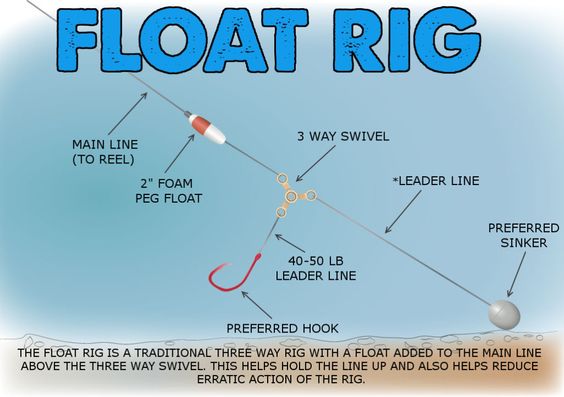
The three-way rig splits the line into three parts: main line, drop line, and sinker line. This setup keeps the bait off the bottom and helps detect bites easily.
- Tie a three-way swivel to the main line.
- Attach a leader and hook to one eye of the swivel.
- Attach a dropper line with a hook to the second eye.
- Attach a sinker to the third eye to keep the rig stable.
- Use different bait on each hook to increase chances.

Credit: fishingsun.com
Identifying Prime Fishing Spots
Finding the right spot is key to catching catfish. Knowing where they live helps you rig your line better.
This guide covers how to spot good places by understanding habitats, locating structures, and reading water conditions.
Understanding Catfish Habitats
Catfish like slow-moving water with soft bottoms. They hide in deep holes, near logs, or under ledges during the day.
- Look for muddy or sandy riverbeds
- Find areas with plenty of cover like fallen trees
- Check deep pools and slow current zones
- Avoid fast and rocky waters
Locating Structures
Structures attract catfish because they offer shelter and food. Focus on natural and man-made structures.
| Structure Type | Why It Attracts Catfish |
| Fallen Trees | Provides cover and food sources |
| Rock Piles | Offers hiding spots and breaks current |
| Docks and Piers | Shade and protection for fish |
| Bridge Pilings | Concentrates bait and shelter |
Reading Water Conditions
Catfish prefer certain water conditions. Checking temperature, clarity, and flow helps find them easier.
Here are key water signs to watch for:
- Warm water between 70°F and 85°F
- Murky or cloudy water helps catfish hide
- Slow to moderate current keeps food nearby
- Areas with steady oxygen levels
Techniques For Casting And Presentation
Catfish fishing requires skill in casting and bait presentation. Proper techniques help attract catfish and increase catches.
Understanding how to cast and present your bait can make a big difference. This guide covers key methods to improve your fishing experience.
Casting Strategies
Choose a casting spot near structures like logs or deep holes. Cast beyond the target, then slowly retrieve the line to the area where catfish feed.
- Use a sturdy rod for long casts and heavy bait.
- Cast upstream to let the bait drift naturally.
- Avoid loud splashes to keep catfish from scattering.
- Practice smooth casting to reduce line tangles.
Bait Presentation Tips
Presenting bait correctly helps catfish find and bite it. Keep your bait fresh and natural-looking for best results.
| Bait Type | Best Presentation Method |
|---|---|
| Cut Bait | Secure on a circle hook to prevent loss |
| Live Bait | Use a hook that allows natural movement |
| Stink Bait | Form into balls and place near the bottom |
| Chicken Liver | Thread carefully to stay on the hook |
Adjusting For Water Depth
Catfish stay at different depths depending on conditions. Change your rig depth to reach them easily.
- Use a slip sinker rig to adjust bait depth quickly.
- In shallow water, keep bait near the bottom but not buried.
- In deep water, add more weight for better casting distance.
- Try different depths until you find where catfish feed.

Credit: mysterytacklebox.com
Tips For Handling And Releasing
Handling catfish correctly helps keep you and the fish safe. Releasing catfish carefully protects their health.
This guide shares simple tips for safe handling and responsible release. Using the right tools makes the job easier.
Safe Handling Practices
Always wet your hands before touching the fish to protect its slime coat. Hold the catfish firmly but gently to avoid injury.
- Use one hand to support the belly and the other to hold near the tail.
- Avoid touching the sharp spines on the dorsal and pectoral fins.
- Keep the fish close to the water to reduce stress.
- Do not squeeze the fish too hard to prevent damage to its organs.
Releasing Catfish Responsibly
Release catfish quickly to reduce stress and improve survival. Gently place the fish back into the water and support it until it swims away.
| Release Tip | Reason |
| Keep fish in water during release | Helps fish breathe and recover |
| Do not drop fish from a height | Prevents injury to the fish |
| Allow fish to swim away on its own | Ensures it is strong enough |
Using The Right Tools
Using proper tools reduces harm to catfish and makes handling easier. Always have these items ready on your fishing trip.
- Needle-nose pliers for hook removal
- Barbless hooks or hook covers to lessen injury
- Gloves to protect hands from spines
- A soft, wet cloth or fish gripper for a secure hold
- A landing net with rubber mesh to prevent damage
Common Mistakes To Avoid
Rigging a line for catfish fishing needs some care. Avoiding common errors helps you catch more fish.
These mistakes can waste time and make fishing less fun. Learn what to watch out for.
Overlooking Rig Maintenance
Not checking your rig can cause it to break or fail. Saltwater and dirt build-up weaken your line and hooks.
Always clean your rig after use. Inspect knots and hooks before fishing. Replace damaged parts quickly.
- Rinse rig with fresh water
- Check knots for tightness
- Replace rusty hooks
- Look for line frays or cuts
Ignoring Weather Patterns
Weather affects catfish behavior a lot. Ignoring it can mean no bites at all.
Look for changes in temperature, wind, and barometric pressure. Fish often feed more before storms.
- Check weather before heading out
- Note wind direction and speed
- Watch for sudden temperature drops
- Adjust fishing times to weather changes
Underestimating Bait Importance
Using the wrong bait reduces your chances to catch catfish. Catfish like strong-smelling and natural baits.
Fresh bait works better than old or artificial bait. Change bait often to keep it fresh and appealing.
- Use live or cut bait like shad or worms
- Check bait freshness regularly
- Try different baits if not catching fish
- Keep bait cool and moist
Frequently Asked Questions
What Is The Best Rig For Catfish Fishing?
The slip sinker rig is best for catfish. It allows natural bait movement and prevents fish from feeling resistance. This rig is simple, effective, and widely used by anglers targeting catfish.
How Do You Tie A Basic Catfish Rig?
Start with a slip sinker above a swivel, then tie a leader line. Attach a hook at the leader’s end. Use a strong knot like the improved clinch knot for secure hook attachment.
What Bait Works Best On A Catfish Rig?
Live bait like worms, minnows, or cut bait works best. Stink baits and chicken liver also attract catfish effectively. Choose bait based on local catfish species and water conditions.
Can I Use The Same Rig For Different Catfish Types?
Yes, the slip sinker rig suits most catfish species. Adjust hook size and bait type to match specific catfish preferences. It’s versatile for channel, blue, and flathead catfish.
Conclusion
Rigging a line for catfish fishing takes some practice and care. Choose the right hook, sinker, and bait for your spot. Tie knots firmly to avoid losing fish. Keep your setup simple and strong. Watch the water and adjust your rig if needed.
Patience brings better catches over time. Enjoy the calm and the thrill of waiting. Fishing for catfish can be fun and rewarding. Try different rigs until you find what works best for you. Keep learning and fishing often to improve your skills.