If you want to catch catfish like a pro, knowing how to rig your line the right way is key. The right setup can make all the difference between a slow day and a bucket full of big, hungry catfish.
In this guide, you’ll discover simple, step-by-step tips to rig your line perfectly. Whether you’re a beginner or just looking to improve, these tricks will boost your confidence and your catch. Keep reading, and soon you’ll be reeling in catfish with ease.
Choosing The Right Line
Selecting the correct fishing line is very important for catfish fishing. The right line helps you catch catfish easily and keeps your gear safe.
Catfish are strong and can pull hard. Choosing a strong, reliable line helps you handle big fish without losing them.
Monofilament Vs. Braided Lines
Monofilament line is stretchy and easier to knot. It is good for beginners and works well in many fishing spots.
Braided line has no stretch and is very strong for its size. It lets you feel bites better and casts farther.
- Monofilament is cheaper and floats better
- Braided line is thinner and stronger
- Monofilament stretches to absorb shocks
- Braided line offers better sensitivity
Ideal Line Strength For Catfish
Catfish can be large and heavy. You need a line strong enough to handle their weight and fight.
Most anglers use line strength between 15 and 30 pounds. Choose strength based on the catfish size in your area.
- 15 to 20-pound line for small to medium catfish
- 20 to 30-pound line for bigger catfish
- Stronger line helps avoid breakage during the fight
Factors Affecting Line Choice
Several things affect which line you should pick. Water type, fishing method, and fish size all matter.
Clear water may need thinner line to avoid spooking fish. Heavy cover or rocks need tougher line to avoid cuts.
- Water clarity affects line visibility
- Structure and cover need abrasion-resistant line
- Fishing depth and distance affect line type
- Personal comfort with line handling matters

Credit: mysterytacklebox.com
Selecting Hooks And Sinkers
Selecting the right hooks and sinkers is key for catfish fishing. These tools help bait stay in place and catch fish effectively.
Understanding hook sizes and sinker types helps balance weight and sensitivity. This improves your chance of a good catch.
Best Hook Sizes For Catfish
Catfish need strong hooks that hold well. Use sizes that match the fish size and bait type. Too small hooks may not hold large catfish.
- Size 2/0 to 5/0 hooks work well for most catfish.
- Use larger hooks for big catfish over 20 pounds.
- Smaller hooks suit small catfish under 10 pounds.
- Circle hooks reduce gut hooking and improve catch rates.
Types Of Sinkers To Use
Sinkers hold your bait near the bottom where catfish feed. Choose types that fit the water and fishing style.
| Sinker Type | Use | Advantages |
|---|---|---|
| Egg Sinkers | Slow currents | Allows bait to move naturally |
| Bank Sinkers | Strong currents | Heavy and stable on the bottom |
| Pyramid Sinkers | Sandy or muddy bottoms | Holds well in loose bottoms |
| Slip Sinkers | Multiple depths | Allows line to slide freely |
Balancing Weight And Sensitivity
Balance weight and sensitivity to feel bites without scaring fish. Too heavy sinkers reduce sensitivity. Too light sinkers may drift away.
- Use the lightest sinker that keeps your bait steady.
- Test different weights in your fishing spot for best results.
- Choose sinkers that let you detect gentle tugs easily.
- Adjust weight based on current speed and water depth.
Popular Rigging Techniques
Catfish fishing requires the right rig to catch more fish. Different rigs work best in different water and conditions.
Here are some popular rigs that many anglers use for catfish. Each rig offers unique benefits and ease of use.
Slip Sinker Rig
The slip sinker rig is simple and effective. It lets the catfish bite without feeling the weight of the sinker.
This rig uses a sliding sinker above a swivel and a leader with a hook. It is good for deep or moving water.
- Thread a slip sinker onto the main line
- Add a swivel after the sinker
- Tie a leader line to the swivel
- Attach a hook to the end of the leader
Carolina Rig
The Carolina rig is great for fishing on the bottom. It keeps the bait near the floor while allowing movement.
This rig uses a heavy sinker, a bead, a swivel, a leader, and a hook. It works well in lakes and rivers.
- Slide a heavy sinker on the main line
- Place a plastic bead after the sinker
- Tie a swivel after the bead
- Attach a leader line to the swivel
- Put a hook at the leader’s end
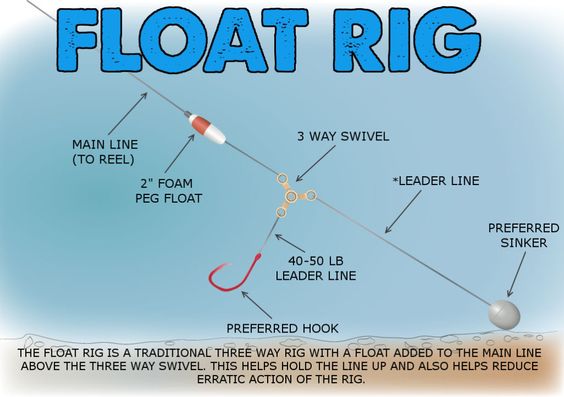
Float Rig For Shallow Waters
The float rig works well in shallow or calm waters. It keeps the bait off the bottom where catfish can see it.
This rig uses a float to hold the bait at a set depth. It is good for fishing near weeds or rocks.
- Attach a float to the main line
- Place a small sinker below the float
- Tie a short leader line after the sinker
- Put a hook at the end of the leader

Credit: fishingsun.com
Bait Presentation Tips
Presenting bait correctly can increase your chances of catching catfish. The way you rig your line affects how attractive the bait looks to the fish.
This guide covers key bait presentation tips for catfish fishing. Learn about bait types, securing bait, and keeping it fresh.
Live Vs. Cut Bait
Live bait moves naturally and draws catfish by scent and motion. Cut bait releases strong smells that attract catfish from far away.
- Live bait includes minnows, shad, or worms.
- Cut bait consists of fish pieces like shad or bluegill.
- Use live bait in clear water for better visibility.
- Cut bait works well in murky water due to scent.
Attaching Bait Securely
Secure bait properly to prevent it from falling off the hook. Use the right rigging method for each bait type.
| Bait Type | Attachment Method | Tip |
| Live Bait | Hook through the lips or back | Keep bait alive longer |
| Cut Bait | Thread onto hook or use bait needle | Cover hook fully with bait |
| Worms | Thread multiple times on hook | Leave some worm free to wiggle |
Maintaining Bait Freshness
Fresh bait attracts more catfish. Keep bait cool and moist to maintain its smell and texture.
- Store bait in a cooler with ice packs.
- Use a wet cloth or paper towel to keep bait moist.
- Change cut bait often to avoid spoilage.
- Keep live bait in aerated containers.
Setting Up The Rig
Rigging a line for catfish fishing needs care and the right setup. A well-prepared rig can improve your chances of catching catfish.
This guide will help you set up your rig with clear steps and tips. Follow along to avoid common errors and adjust to water conditions.
Step-by-step Assembly
Start by choosing a strong fishing line. Attach a sinker to hold the rig at the bottom. Add a swivel to prevent line twists. Then, tie a leader line to the swivel. Finally, attach a hook suitable for catfish.
- Select a durable main line with at least 15-pound test strength.
- Slide a sinker onto the main line to keep bait near the riverbed.
- Tie a swivel below the sinker to stop line twisting.
- Attach a leader line of about 18 inches to the swivel.
- Tie a strong hook to the end of the leader line.
Common Mistakes To Avoid
Many anglers make errors that reduce catch chances. Using weak knots or wrong sinker weight can cause problems. Avoid these mistakes to fish better.
- Do not use weak knots; always double knot for strength.
- Avoid sinkers that are too heavy or too light for the water current.
- Do not skip the swivel; it prevents line tangles.
- Use a leader line that is too short or too thin.
- Choose hooks that are too small for catfish size.
Adjusting For Water Conditions
Water depth, current speed, and clarity affect rig setup. Adjust your sinker weight and leader length to suit these conditions.
| Water Condition | Sinker Weight | Leader Length |
|---|---|---|
| Fast Current | Heavy (1-2 oz) | Short (12-15 inches) |
| Slow Current | Light (0.5-1 oz) | Long (18-24 inches) |
| Clear Water | Light to Medium | Long for natural bait movement |
| Muddy Water | Medium to Heavy | Short to keep bait near bottom |

Credit: mysterytacklebox.com
Casting And Fishing Strategies
Rigging a line for catfish requires smart casting and fishing strategies. Understanding where and how to cast helps catch more fish.
Catfish like deep water and spots with slow currents. Your casting and timing will affect your success.
Ideal Casting Techniques
Cast your line beyond visible structures like logs or rocks. Catfish often hide near these areas.
Use smooth and steady casting motions. Avoid loud splashes to not scare the fish away.
- Aim for spots with deeper water
- Cast upstream to let bait drift naturally
- Use sidearm casting for better control
- Keep your line tight but not too stiff
Reading The Water For Catfish
Look for slow-moving currents and deep holes. Catfish like to stay where food is easy to find.
Check for muddy or sandy bottoms. Catfish prefer these areas because they can hide and find food.
- Identify bends in the river or lake
- Look for underwater structures
- Spot areas with natural debris
- Watch for water temperature changes
Timing Your Fishing Trips
Fish early in the morning or late at night. Catfish are more active during low light times.
Fishing after rain can be good. Rain stirs up food, attracting catfish to the surface.
- Try fishing at dawn or dusk
- Check the weather for rain or overcast days
- Fish during warm months for better bites
- Avoid the hottest part of the day
Handling And Landing Catfish
Landing catfish requires care to avoid injury to both you and the fish. Proper handling makes the experience safer and more enjoyable.
This guide covers rod use, safe landing methods, and tips for handling catfish of different sizes.
Proper Rod And Reel Use
Use a medium to heavy rod with a strong reel to control catfish. Keep the line tight to prevent the fish from escaping or breaking the line.
Adjust the drag on your reel to allow some line to give during the fish’s runs. This reduces the chance of snapping the line.
Techniques For Safe Landing
- Use a landing net with a rubber mesh to reduce fish injury.
- Keep the fish in the water as much as possible while removing the hook.
- Support the fish’s body firmly but gently to avoid stress.
- Use gloves to protect your hands from sharp fins and spines.
- Have pliers or a hook remover ready to quickly release the hook.
Handling Tips For Different Catfish Sizes
| Fish Size | Handling Tip |
| Small (Under 5 lbs) | Hold firmly behind the head and support the body. |
| Medium (5-20 lbs) | Use both hands; one behind the head, one near the tail. |
| Large (Over 20 lbs) | Use a net and get help to lift; avoid holding by the tail only. |
Frequently Asked Questions
What Is The Best Rig For Catfish Fishing?
The slip sinker rig is the best for catfish fishing. It allows natural bait movement and helps detect bites easily. It works well in various water conditions.
How Do I Tie A Basic Catfish Rig?
Start with a slip sinker on the main line. Tie a swivel below the sinker. Attach a leader line with a hook to the swivel. Add bait and you’re ready.
What Bait Works Best For Catfish Rigs?
Cut bait, chicken liver, and nightcrawlers are top baits. These attract catfish due to their strong scent and texture. Using fresh bait increases your catch chances.
Why Use A Slip Sinker Rig For Catfish?
A slip sinker rig lets the catfish take the bait without resistance. This increases hook-up rates. It also keeps the bait near the bottom where catfish feed.
Conclusion
Rigging a line for catfish is simple with practice. Start with the right gear. Remember, patience is key. Adjust your techniques based on conditions. Always check local regulations for fishing. Clean and maintain your equipment regularly. Share your experiences with fellow anglers.
Enjoy the process and the thrill of the catch. Whether you’re a beginner or experienced, these tips help. Spend more time by the water. Relax and have fun fishing. Happy catfishing!