If you want to catch more bass, how you rig your fishing line can make all the difference. Getting it right means stronger holds, better casts, and more bites.
But if you’re unsure where to start or want to sharpen your skills, this guide is made just for you. Keep reading, and you’ll learn simple, effective ways to rig your fishing line that will boost your confidence and your catch.
Ready to improve your bass fishing game? Let’s dive in.

Credit: fishingbooker.com
Choosing The Right Line
Choosing the right fishing line is key for catching bass. The line affects how you cast and hook the fish.
Different types of lines work better in different fishing conditions. Knowing these helps you pick the best line.
Monofilament Vs. Fluorocarbon Vs. Braided
Monofilament, fluorocarbon, and braided lines are the main types used for bass fishing. Each has strengths and weaknesses.
Monofilament is stretchy and easy to handle. Fluorocarbon is nearly invisible underwater. Braided is very strong and thin.
- Monofilament:Best for beginners, floats well, good stretch.
- Fluorocarbon:Hard to see, sinks fast, resistant to abrasion.
- Braided:Very strong, no stretch, good for heavy cover.
Line Strength And Test Weight
Line strength is measured by test weight. It shows how much weight the line can hold before breaking.
For bass fishing, a test weight between 8 and 20 pounds works well. Choose stronger lines for bigger fish or heavy cover.
- Light test (6-10 lbs): Good for clear water and small bass.
- Medium test (12-17 lbs): Most common choice for bass fishing.
- Heavy test (20+ lbs): Use in thick weeds or when targeting large bass.
Factors Affecting Line Choice
Water clarity, cover type, and fishing technique affect which line you should use. Match your line to these conditions.
Clear water calls for less visible lines. Heavy cover needs strong, abrasion-resistant lines. Consider your fishing style too.
- Clear water: Use fluorocarbon or light monofilament.
- Heavy cover: Use braided or heavy monofilament.
- Long casts: Choose braided for less stretch and more distance.
- Soft bait fishing: Monofilament helps feel bites better.

Credit: bassonline.com
Essential Fishing Knots
Tying the right fishing knot helps keep your line strong. Good knots prevent your catch from escaping.
Here are three knots to use when rigging fishing line for bass. Each knot has a specific purpose.
Palomar Knot
The Palomar knot is strong and simple. It works well with braided and monofilament lines.
It keeps your lure or hook tied securely. This knot is easy to tie even in low light.
- Double the line and pass through the hook eye
- Tie a loose overhand knot with the doubled line
- Pass the hook through the loop
- Pull both ends to tighten the knot
Improved Clinch Knot
The improved clinch knot is popular for attaching hooks and lures. It offers good strength and reliability.
This knot is easy to tie and works well with most fishing lines. It holds tight under pressure.
- Thread the line through the hook eye
- Wrap the tag end around the standing line 5-7 times
- Pass the tag end through the small loop near the eye
- Then pass the tag end through the big loop you just made
- Pull the tag end and standing line to tighten
Loop Knot For Lures
The loop knot gives lures more freedom to move naturally. This helps attract bass.
It creates a strong loop that lets the lure wiggle and spin. It works well for many lure types.
- Make an overhand knot about 10 cm from the line end
- Pass the tag end through the lure eye
- Thread the tag end back through the overhand knot
- Tighten the knot while keeping a loop for lure movement
Popular Bass Rigs
Fishing for bass is fun and needs the right rig. Using the right rig helps catch more bass. Many anglers use popular rigs that work well in different water conditions.
Here are some of the most used bass rigs. Each rig has its own setup and style. Learn how to rig your fishing line for each to improve your fishing day.
Texas Rig Setup
The Texas rig is a favorite for bass fishing. It works well in thick cover like weeds and brush. To rig it, slide a bullet weight onto the line first. Then tie on an offset worm hook. Insert the hook point into the soft plastic bait and push it out halfway. This keeps the bait weedless and ready to catch bass hiding in cover.
Carolina Rig Basics
The Carolina rig lets your bait move freely near the bottom. Start by threading a bullet weight on your line. Add a bead after the weight to protect your knot. Tie a swivel below the bead. Attach a leader line to the swivel, then tie a hook at the end. This rig is great for fishing deep water and rocky spots.
Drop Shot Rig Tips
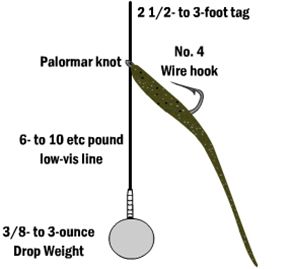
The drop shot rig is perfect for subtle bass bites. Tie a hook in the middle of your line. Leave a long tag end and tie a weight at the end. Attach a soft plastic bait on the hook. This rig lets the bait float above the bottom and move naturally. It works well in clear water and when bass are picky.
- Use a light line for better bait movement
- Keep the leader length between 12 and 24 inches
- Choose a weight that keeps the bait near the bottom
- Try small soft plastics or worms for best results
Wacky Rig Technique
The wacky rig is simple and very effective. Hook a soft plastic worm through the middle of its body. Let both ends of the worm hang freely. This rig makes the bait fall slowly and wiggle a lot. Bass find this movement hard to resist. Use a light hook and fish slowly near cover or structure.
| Worm Size | Hook Size | Best Water Type |
| 4-6 inches | 2/0 to 3/0 | Clear or stained water |
| 6-8 inches | 3/0 to 4/0 | Muddy or deep water |
Attaching Hooks And Weights
Rigging fishing line for bass needs care. Hooks and weights help catch fish well.
Getting the right hook and weight setup can improve your fishing success. It controls bait movement and depth.
Selecting The Right Hook Size
Choose hook size based on bass size and bait type. Small hooks suit small bass and live bait.
Larger hooks work for big bass and bigger lures. Match hook size to bait for natural look.
- Size 2 to 1/0 hooks fit most bass fishing
- Use smaller hooks for worms and minnows
- Bigger hooks work with big plastic baits
- A proper hook size helps better hook setting
Adding Weights For Depth Control
Add weights to control how deep your bait goes. Bass often stay at certain depths.
Use light weights for shallow water and heavier for deep spots. Adjust weight for current strength.
- Split shot weights are easy to add and remove
- Use bullet weights for soft plastic lures
- Heavier weights help in fast water
- Lighter weights allow natural bait movement
Adjusting Rig Components
Change hook and weight positions to find what works best. Bass behavior can change daily.
Try moving weights closer or farther from the hook. Test different hook sizes if needed.
- Slide weights up or down the line for better action
- Use a swivel to prevent line twist
- Check knots for strength before fishing
- Keep rig components tight but flexible
Using Soft Plastics And Lures
Fishing for bass with soft plastics and lures is popular. These baits mimic natural food that bass eat. Proper rigging helps you fish better and catch more bass.
This guide covers how to choose soft plastic baits, rig your lures, and match lure colors to water conditions. Follow these tips to improve your fishing experience.
Choosing Soft Plastic Baits
Soft plastic baits come in many shapes and sizes. Each type works well in different situations. Picking the right bait can attract more bass.
- Worms: Good for slow presentations and deep water.
- Creature baits: Great for heavy cover and structure.
- Swimbaits: Ideal for mimicking baitfish in open water.
- Grubs: Work well for short strikes and finesse fishing.
- Frogs: Best for fishing on surface near weeds.
Rigging Techniques For Lures
Rigging your soft plastics correctly helps them move naturally. It also reduces snagging and improves hook sets. Different rigs suit different fishing spots and styles.
| Rig Type | Description | Best Use |
| Texas Rig | Hook buried in bait to prevent snags | Heavy cover, weeds |
| Carolina Rig | Weight ahead of bait for slow dragging | Open water, deep spots |
| Drop Shot Rig | Bait tied above weight for finesse | Clear water, pressured fish |
| Wacky Rig | Bait hooked through middle for fluttering | Shallow water, slow fish |
| Jig Head Rig | Weighted hook for vertical fishing | Rocky areas, structure |
Matching Lure Color To Water Conditions
Choosing the right lure color helps bass see your bait better. Water clarity and light affect which colors work best.
| Water Condition | Recommended Lure Colors |
|---|---|
| Clear Water | Natural colors like green pumpkin, brown, and translucent |
| Stained Water | Bright colors like chartreuse, orange, and white |
| Muddy Water | Dark colors like black, blue, and purple for silhouette |
| Low Light | Fluorescent or bright colors for visibility |
Line Maintenance And Care
Taking care of your fishing line helps it last longer and work better. Proper maintenance keeps your line strong and ready for bass fishing.
Regular checks and cleaning prevent problems while fishing. Learn how to maintain your line for the best performance.
Checking For Wear And Tear
Look over your fishing line before each trip. Check for small cuts, frays, or weak spots that could break easily.
Run the line through your fingers to feel for rough areas. These signs mean you should fix or replace the line soon.
- Look for discoloration or thin spots
- Check knots for slipping or damage
- Feel for rough or sticky areas
Cleaning And Storing Line
After fishing, clean your line with fresh water to remove dirt and salt. This stops damage from buildup.
Store your line in a cool, dry place. Avoid sunlight and heat to keep the line strong and flexible.
- Rinse line gently with fresh water
- Dry line completely before storage
- Keep line away from direct sunlight
- Use a sealed container or spool holder
Replacing Line When Needed
Change your fishing line when it shows signs of damage or after many uses. Old line loses strength and can break.
Replace the line to avoid losing fish or gear. Use the right line type and test it for smooth casting.
- Replace line after visible damage
- Change line every season or as needed
- Choose the correct line strength for bass
- Check line tension and knots after replacement
Tips For Big Bass Catches
Rigging your fishing line correctly is key to catching big bass. The right setup helps you fish deeper and with better control.
Understanding how to cast, retrieve, and read the water increases your chances of landing a big bass. Each step plays an important role.
Casting Techniques
Use smooth and controlled casts to place your bait where bass like to hide. Avoid loud splashes that scare fish away.
Practice sidearm and overhead casts to reach different spots. Try longer casts to cover more water and find active bass.
- Keep your rod tip low for accuracy
- Use slow, steady movements
- Adjust cast angle for wind conditions
Retrieval Speed And Style
Change your retrieval speed to find what triggers bass to bite. Slow pulls work well in cold water, while faster pulls attract active bass.
Try a stop-and-go style to mimic injured prey. This can make bass strike more often than a steady retrieve.
- Start slow, then speed up if no bites
- Pause your bait to create a natural look
- Vary your speed on each cast
Reading Water And Bass Behavior
Look for signs of bass like ripples or jumping fish. Bass often stay near structures like rocks and weeds.
Pay attention to water temperature and clarity. Bass prefer warmer water and often hide where they can ambush prey.
- Check shallow areas early in the day
- Fish deeper spots when the sun is high
- Watch for baitfish to find bass locations

Credit: mysterytacklebox.com
Frequently Asked Questions
How Do I Choose The Right Fishing Line For Bass?
Choosing the right fishing line depends on the water clarity and bass size. Monofilament is great for beginners. Fluorocarbon works well in clear waters. Braided line is ideal for heavy cover. Match the line strength to the bass size for best results.
What Is The Best Knot For Bass Fishing?
The Palomar knot is often recommended for bass fishing. It’s strong and reliable, ensuring your lure stays secure. It’s also easy to tie and works well with braided and fluorocarbon lines. Practice this knot to improve your bass fishing success.
How Long Should My Fishing Leader Be?
For bass fishing, a leader length of 12 to 24 inches is ideal. It provides a buffer between your lure and main line. This length helps prevent line visibility issues and abrasion. Adjust the leader length based on water clarity and cover conditions.
Can I Use Braided Line For Bass Fishing?
Yes, braided line is excellent for bass fishing, especially in heavy cover. It offers superior strength and sensitivity. Its thin diameter allows for longer casts. However, it’s more visible in clear water, so consider using a fluorocarbon leader for stealth.
Conclusion
Rigging your fishing line for bass takes practice and patience. Choose the right knot and line type for your fishing spot. Keep your line tight and check for any damage often. Small changes can make a big difference in your catch.
Remember, simple setups often work best. Try different rigs to see what bass prefer. Enjoy your time on the water and learn from each trip. Fishing is about fun, skill, and connection with nature. Keep these tips in mind for better bass fishing results.