If you want to catch big catfish, knowing how to rig your fishing line the right way is a game changer. The right setup can make your bait more attractive and increase your chances of landing that trophy catch.
Whether you’re a beginner or have some experience, this guide will show you simple, effective steps to rig your line for catfish. Stick with me, and you’ll learn tips that can turn your next fishing trip into a success. Ready to improve your catch?
Let’s dive in.
Choosing The Right Line
Choosing the right fishing line is key for catching catfish. The line must be strong and durable. It should match the fishing environment.
Picking the correct line helps you avoid breaks and lost fish. This guide covers the best types of lines to use.
Monofilament Vs. Braided Line
Monofilament and braided lines are common choices for catfish fishing. Each type has its own benefits and limits.
Monofilament is stretchy and easy to handle. It offers good shock absorption. Braided line is thinner and stronger. It has less stretch and better sensitivity.
- Monofilament is good for beginners and light setups.
- Braided line works well for heavy cover and bigger fish.
- Monofilament floats, braided line sinks.
Line Strength And Test Ratings
Line strength is measured by test ratings. This shows how much weight the line can hold before breaking.
For catfish, a strong line is important. Use a test rating that fits the size of catfish you expect to catch.
- Light catfish: 10 to 20-pound test line
- Medium catfish: 20 to 40-pound test line
- Large catfish: 40 to 80-pound test line or higher
Considering Water Conditions
Water conditions affect the choice of fishing line. Clear water needs less visible line. Murky water needs stronger and thicker line.
Also, fast currents or rocky bottoms need tough, abrasion-resistant line. Choose line that suits the place you fish.
- Clear water: choose light-colored or clear monofilament
- Muddy water: use strong braided line for better strength
- Rocky or rough areas: pick abrasion-resistant line

Credit: mysterytacklebox.com
Selecting Hooks And Weights
Choosing the right hooks and weights is key for catching catfish. The right setup helps your bait stay in place and reach the right depth.
This guide covers the best hook sizes, types of weights, and how to balance them well.
Best Hook Sizes For Catfish
Catfish have tough mouths, so use strong hooks. Sizes vary based on catfish type and bait.
- Size 2/0 to 4/0 hooks work well for channel catfish.
- For flathead catfish, use bigger hooks like 5/0 to 7/0.
- Blue catfish need strong hooks sized 4/0 to 6/0.
- Circle hooks reduce fish injury and improve catch rates.
Types Of Weights And Their Uses
Weights help your bait sink and stay steady in currents. Different weights suit different fishing spots.
| Weight Type | Best Use |
| Split Shot | Slow waters with little current |
| Egg Sinkers | Rivers with moderate current |
| Bank Sinkers | Strong currents and deep water |
| Pyramid Sinkers | Sandy or muddy bottoms to prevent dragging |
Balancing Hook And Weight
Balance keeps bait natural and helps you feel bites better. Too much weight can scare fish.
- Use just enough weight to hold bait in place.
- Match hook size to bait size for a natural presentation.
- Adjust weight based on water flow and depth.
- Test your rig by casting and feeling resistance.
Popular Rig Types
Fishing for catfish requires the right rig to increase your chances of success. Different rigs suit various fishing conditions and catfish types.
In this guide, we explore popular catfish rig types to help you choose the best one for your fishing trip.
Slip Sinker Rig
The slip sinker rig is simple and effective for catching catfish. It allows the bait to move naturally in the water.
- Thread a slip sinker onto your main line.
- Attach a swivel below the sinker.
- Tie a leader line to the swivel and add your hook.
Carolina Rig
The Carolina rig is versatile and works well in different water conditions. It keeps the bait near the bottom.
| Component | Description |
| Sinker | Sliding egg sinker |
| Swivel | Connects main line and leader |
| Leader | 18-24 inches long |
| Hook | Circle or J hook |
Ledger Rig
The ledger rig, also known as the bottom rig, is great for still waters. It keeps your bait steady at the bottom.
Use a heavier weight for strong currents to keep your bait in place.
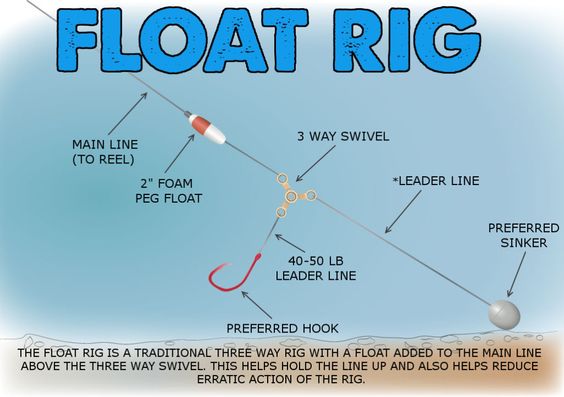
Float Rig
The float rig is perfect for fishing in shallow waters. It keeps the bait above the bottom and visible to catfish.

Credit: fishingsun.com
Step-by-step Rig Setup
Setting up a fishing line rig for catfish helps you catch more fish. This guide shows how to tie knots, attach hooks and weights, and test your rig.
Follow each step carefully to make a strong rig that works well in water. Good preparation makes fishing easier and fun.
Tying Secure Knots
Strong knots keep your rig from breaking under pressure. Use simple knots that hold well with fishing lines.
The Palomar knot and Improved Clinch knot are good choices for catfish rigs. Practice these knots before fishing.
- Double the line and pass it through the hook eye
- Tie an overhand knot without tightening
- Pass the loop over the hook
- Pull both ends to tighten the Palomar knot
- For Improved Clinch, pass line through eye, twist 5-7 times, then back through loop
- Wet the knot before pulling tight
Attaching Hooks And Weights
Choose a strong hook size suitable for catfish. Attach the hook securely to your fishing line using your knots.
Weights help your bait sink to the bottom where catfish feed. Attach weights so they do not stop the bait from moving.
- Slide a sinker onto the main line above the hook
- Use a swivel to prevent line twisting
- Tie the hook to the leader line below the swivel
- Make sure weights are heavy enough to hold bottom but not too heavy
- Check that the hook hangs freely for natural bait movement
Testing Your Rig
Check your rig before casting it into the water. Testing helps find weak points and fixes them early.
Pull on the line and knots to make sure they hold. Drop the rig in a bucket or shallow water to see how it sinks.
- Pull the line with firm force to test knots
- Look for any slipping or loosening
- Watch the rig sink smoothly without tangling
- Adjust weights if it sinks too fast or slow
- Make sure the hook and bait move naturally
Bait Choices For Catfish
Choosing the right bait is key for catching catfish. Different baits attract different catfish species. Knowing the options helps you fish better.
This guide explains popular baits, how to use them, and tips for presenting bait to catch more catfish.
Live Vs. Cut Bait
Live bait moves and can attract catfish from far away. Cut bait has a strong smell that draws catfish close. Both work well but in different ways.
- Live bait:Includes worms, minnows, and small fish.
- Cut bait:Pieces of fish like shad or herring.
- Use live baitwhen catfish are active and feeding.
- Use cut baitto attract catfish with scent in murky water.
Using Prepared Baits
Prepared baits are made for catfish and come ready to use. They save time and often include scents that attract catfish well.
| Prepared Bait Type | Description |
| Stink Baits | Smelly dough baits that attract catfish by scent. |
| Dip Baits | Soft paste dipped on hooks to add strong smells. |
| Punch Baits | Hard baits for deep water fishing with scent pockets. |
Bait Presentation Tips
How you put the bait on the hook matters. Good presentation helps catfish find and bite your bait faster.
Try these tips for better bait presentation:
- Hook live bait through the lips or back to keep it lively.
- Attach cut bait with strong hooks to hold large pieces.
- Use enough prepared bait to cover the hook fully.
- Keep bait fresh by changing it often during fishing.

Credit: mysterytacklebox.com
Tips For Rig Maintenance
Keeping your fishing rig in good shape helps catch more catfish. Regular checks prevent line breaks and lost fish.
Simple maintenance saves time and money. Learn how to care for your rig to keep it ready for fishing.
Checking For Line Damage
Inspect your fishing line often. Look for cracks, frays, or weak spots that can cause breaks. Run your fingers slowly along the line.
- Check near knots and connectors carefully.
- Look for discoloration or stiffness in the line.
- Replace the line immediately if you find any damage.
Replacing Worn Components
Change parts of your rig that show wear. Hooks, swivels, and sinkers weaken over time. Keeping parts fresh avoids rig failure.
| Component | Signs of Wear | Replacement Frequency |
| Hook | Dull or bent tip | After every few trips or when damaged |
| Swivel | Rust or stiff rotation | Every season or if not smooth |
| Sinker | Cracks or deformation | When damaged or lost weight |
Storing Rigs Properly
Store your rigs in a dry, cool place. Avoid sunlight and moisture to prevent damage. Use tackle boxes or hang rigs to avoid tangles.
- Keep rigs separated to avoid knots.
- Use plastic sleeves or small containers for each rig.
- Dry rigs completely before storing.
- Label rigs by type or size for easy use.
Frequently Asked Questions
What Is The Best Fishing Line For Catfish?
Braided fishing line is ideal for catfish due to its strength and sensitivity. It resists abrasion and handles heavy fish well. Use a 20-30 lb test line for most catfish species. This ensures durability and reduces the chance of line breakage during the catch.
How Do I Rig A Fishing Line For Catfish?
Start with a strong mainline, attach a swivel, then tie a leader line. Add a sinker above the swivel to keep bait near the bottom. Finally, tie a hook to the leader. This setup keeps bait stable and improves hook setting chances.
Why Use A Slip Sinker Rig For Catfish?
Slip sinker rigs allow catfish to take bait without feeling resistance. The line slides through the sinker, letting the fish move freely. This increases hook-up rates and helps detect subtle bites, making it a popular choice among catfish anglers.
How Long Should My Leader Line Be For Catfish?
A leader length of 12 to 24 inches works best for catfish. This length keeps the bait away from the weight, preventing line tangles. It also provides natural bait movement, which attracts catfish effectively during fishing.
Conclusion
Rigging your fishing line right improves your chances of catching catfish. Use strong knots and suitable bait for better results. Always check your gear before you start fishing. Practice makes your rigging skills sharper and more confident. Enjoy your time by the water and stay patient.
Catching catfish takes effort and the right setup. Keep learning and trying new rigging methods to improve. Fishing is fun and rewarding with the right preparation.