Are you tired of coming back from fishing trips empty-handed? Do you feel like your bait isn’t working as it should?
The secret might lie in how you’re rigging your fishing lures. Whether you’re a seasoned angler or just getting started, understanding the art of rigging can transform your fishing experience. Imagine the thrill of reeling in your catch with ease and confidence.
In this guide, you’ll discover simple, effective techniques to rig fishing lures that increase your chances of success. Get ready to enhance your skills and make every fishing trip a rewarding adventure. Keep reading, and let’s turn your next outing into a memorable catch!

Credit: mysterytacklebox.com
Choosing The Right Lure
Choosing the right fishing lure is key to catching fish. The lure should match the fish and water.
Different lures work better for certain fish and conditions. Picking the right one saves time.
Types Of Fishing Lures
Fishing lures come in many types. Each type moves and looks different to attract fish.
- Spinnerbaits have blades that spin and flash in the water.
- Crankbaits dive and wobble like small fish.
- Soft plastics mimic worms, bugs, or small fish.
- Jigs have weighted heads and move up and down.
- Topwater lures float and create splash to attract fish.
Matching Lures To Fish Species
Different fish like different lures. Match the lure type to the fish you want.
For example, bass like soft plastics and crankbaits. Trout prefer smaller lures like spinners.
- Bass: soft plastics, jigs, crankbaits
- Trout: spinners, small spoons, flies
- Pike: large spoons, spinnerbaits, topwater lures
- Walleye: jigs, crankbaits, live bait rigs
Considering Water Conditions
Water clarity and depth affect lure choice. Bright lures work well in clear water.
Darker or murky water needs lures that make noise or flash light. Depth also changes lure type.
- Clear water: natural colors, smaller lures
- Murky water: bright colors, noisy or flashy lures
- Shallow water: topwater lures, spinnerbaits
- Deep water: crankbaits, weighted jigs
Essential Rigging Tools
Rigging fishing lures needs the right tools. Good tools make the process easier and faster.
Using proper tools helps you attach lures securely. This prevents losing fish or gear.
Basic Rigging Gear
Start with simple tools that every angler needs. These help you tie knots and handle lures safely.
Basic gear includes pliers, scissors, and a knot-tying tool. They are essential for everyday rigging.
- Pliers for bending hooks and cutting wire
- Scissors to trim lines cleanly
- Knot-tying tool to make strong knots
- Hook remover for safety and convenience
Specialized Tools For Precision
Special tools help with detailed work on complex rigs. They improve accuracy and speed.
These tools include crimpers, split ring pliers, and wire cutters. They suit advanced rigging tasks.
- Crimpers for securing sleeves and tubes
- Split ring pliers to open tight rings easily
- Wire cutters for strong wire and heavy lines
- Measuring tools to check line lengths precisely
Maintaining Your Equipment
Keep your rigging tools clean and sharp. This extends their life and keeps them safe to use.
Wipe tools after use, oil moving parts, and store them properly. Check for damage before each use.
- Clean tools with fresh water after saltwater use
- Apply light oil to hinges and joints
- Sharpen blades and replace worn parts
- Store tools in a dry, safe place
Step-by-step Rigging Techniques
Rigging fishing lures correctly helps catch more fish and keeps your gear safe. This guide shows simple ways to rig lures for better results.
Follow these easy steps to attach hooks, secure swivels and weights, and tie strong knots for your fishing lures.
Attaching Hooks Correctly
Attach hooks so they stay firm and point in the right direction. Use the eye of the hook to connect it to your line or lure.
- Thread the line through the hook eye.
- Wrap the line around itself 5 to 7 times.
- Pass the tag end back through the loop near the eye.
- Tighten the knot by pulling the tag end and main line.
- Trim any extra line close to the knot.
Securing Swivels And Weights
Swivels reduce line twist and weights help your lure sink. Attach them tightly to avoid losing your lure.
| Item | How to Secure |
| Swivel | Tie a strong knot around the swivel eye. |
| Split Shot Weight | Pinch it firmly on the line with pliers. |
| Bullet Weight | Slide it onto the line before the lure. |
Knot Tying Tips For Strength
Strong knots keep your rig secure and prevent line breakage. Use these tips to tie reliable knots every time.
- Moisten the line before tightening knots.
- Pull knots slowly and evenly.
- Check knots for slips before fishing.
- Practice tying knots regularly to improve skill.
- Use knots that suit your line type and lure.
Credit: www.wired2fish.com
Customizing Your Setup
Customizing your fishing lure setup helps you catch more fish. You can change how the lure moves and looks.
Small changes to your lure can make a big difference in the water. Try different options to find what works best.
Adjusting Lure Action
Adjusting the action changes how your lure moves in water. You can make it swim faster or slower.
Try bending the hooks or tweaking the lip of the lure. This changes the wobble or wiggle pattern.
- Bend the lure’s lip slightly to change dive depth
- Slightly twist hooks to alter the lure’s wobble
- Use a lighter line for softer action
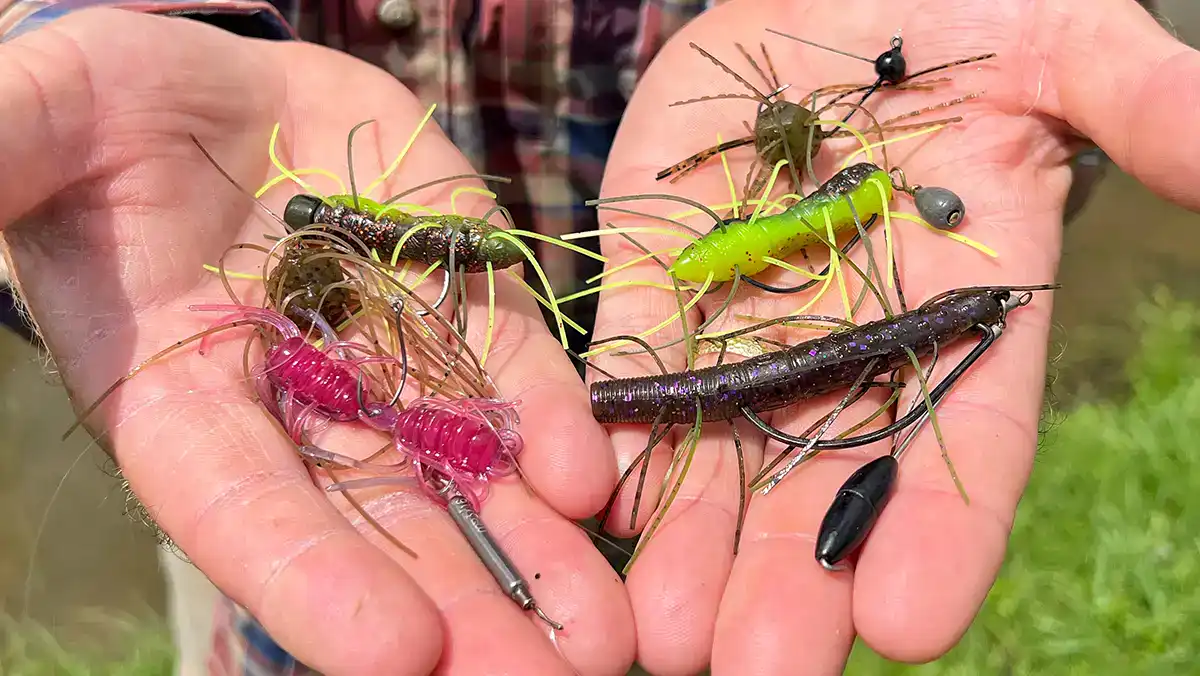
Adding Trailers And Accessories
Trailers and accessories add extra movement and color. They make your lure more attractive to fish.
You can attach soft plastic trailers or add small spinner blades. These create more flash and vibration.
- Add soft plastic tails for lifelike movement
- Use spinner blades for extra flash
- Attach beads or rattles for sound
Balancing Weight And Buoyancy
Weight and buoyancy affect how your lure sinks or floats. Balance them to match fishing conditions.
Add split shot weights or use lighter hooks. This helps your lure stay at the right depth longer.
- Add small weights to sink faster
- Use hollow bodies for floating action
- Adjust weight to keep lure stable in currents
Common Mistakes To Avoid
Rigging fishing lures seems easy but many anglers make simple errors. These mistakes reduce your chances of catching fish.
Knowing what to avoid helps you rig your lures better and improve your fishing results.
Overcomplicating The Rig
Adding too many parts to your rig can confuse the lure’s action. It also makes the rig heavier and harder to cast.
- Use only necessary components like hooks and swivels.
- Avoid extra weights unless the water depth demands it.
- Keep the rig simple to maintain natural lure movement.
Ignoring Lure Movement
The lure’s action attracts fish. Poor rigging can block or slow this movement.
| Common Issue | Effect on Lure | How to Fix |
| Too tight line | Limits lure wiggle | Leave slight slack for better action |
| Wrong hook size | Blocks lure’s natural motion | Match hook size to lure size |
| Heavy weights | Slows down lure sinking and movement | Use lighter weights or none |
Neglecting Knot Integrity
Weak or poorly tied knots break easily and lose fish. Always check knot strength before fishing.
- Choose strong knots like Palomar or Improved Clinch.
- Moisten knots before tightening to avoid friction damage.
- Trim excess tag ends to prevent snags.
- Test knots by pulling hard before use.
Testing And Tuning Lures
Testing and tuning fishing lures is key to catching more fish. It helps you adjust your setup for better action and attraction.
This guide covers ways to test lures in water and how to fine-tune them for different conditions and fish behavior.
Water Testing Techniques
Test your lure in calm water before fishing. This lets you see how it moves and if it needs changes.
- Pull the lure slowly to check its action.
- Try a quick jerk to see if it darts or flutters.
- Watch how the lure floats or sinks.
- Check if the hooks hang right and do not tangle.
- Use a small pond or bathtub if possible.
Fine-tuning For Different Conditions
Adjust lures to match water clarity, depth, and weather. Small changes can make a big difference.
| Condition | Tuning Tips |
|---|---|
| Clear Water | Use natural colors and slow retrieve speed. |
| Murky Water | Pick bright colors and add rattles for noise. |
| Shallow Water | Choose lures that run near the surface or just below. |
| Deep Water | Use heavier lures that sink fast. |
| Windy Days | Try lures with strong vibration to attract fish. |
Adapting To Fish Behavior
Fish change habits by time, season, and feeding patterns. Watch their behavior to tune your lure.
- Switch lure color if fish ignore it.
- Change retrieve speed based on fish activity.
- Use quieter lures if fish seem scared.
- Try different lure shapes to match prey fish.
- Observe fish strikes to adjust lure size.

Credit: www.youtube.com
Frequently Asked Questions
What Is The Best Way To Rig Fishing Lures?
The best way to rig fishing lures depends on the lure type. Common methods include Texas rig, Carolina rig, and drop shot. Each technique enhances lure action and improves hook-up rates in different fishing conditions.
How Do I Choose The Right Rig For Fishing Lures?
Choose a rig based on target species, water depth, and cover type. For example, Texas rig works well in heavy cover, while Carolina rig suits open water. Matching rig style to conditions increases fishing success and lure effectiveness.
Can Rigging Affect Lure Performance?
Yes, rigging directly impacts lure action and presentation. Proper rigging ensures natural movement, better hook exposure, and less snagging. Incorrect rigging can reduce lure appeal and decrease catch rates significantly.
What Tools Are Needed To Rig Fishing Lures?
Basic tools include pliers, scissors, and split ring pliers. These help attach hooks, cut lines, and secure components easily. Having the right tools speeds up rigging and improves lure setup quality.
Conclusion
Rigging fishing lures correctly helps catch more fish. It makes your lure move naturally in water. Choose the right rig for the fish you want. Practice tying knots until you feel confident. Small changes can make a big difference. Keep your gear ready and check it often.
Fishing becomes more fun and rewarding this way. Try different rigs to see what works best. Enjoy your time on the water and good luck!