If you want to catch more bass, knowing how to rig your line properly is a game-changer. The right setup can make your bait look natural, help you feel every nibble, and land bigger fish more often.
In this guide, you’ll learn simple, step-by-step tips to rig your line like a pro—whether you’re just starting out or want to sharpen your skills. Get ready to boost your confidence on the water and turn those missed bites into solid catches.
Keep reading, and soon you’ll see the difference in your bass fishing results.
Choosing The Right Line
Picking the right fishing line is important for bass fishing. It helps catch more fish and avoids line breaks.
Different lines work best for different conditions and techniques. Learn about your options before you fish.
Monofilament Vs. Braided Line
Monofilament line is soft and stretches well. It is easy to handle and good for beginners.
Braided line is strong and thin. It has little stretch and lasts longer in rough places.
- Monofilament is cheaper and floats on water
- Braided line has higher strength for its size
- Monofilament is good for clear water and light lures
- Braided works well in thick cover and heavy brush
Selecting Line Strength
Line strength means how much weight it can hold before breaking. Pick strength based on bass size and cover.
Use lighter lines for small bass and open water. Use stronger lines for big bass and thick cover.
- 6 to 10-pound test is good for most bass fishing
- 12 to 20-pound test works well in heavy cover
- Stronger line helps pull fish from weeds and logs
- Too strong line may scare fish or reduce casting distance
Considering Water Conditions
Water clarity affects your line choice. Clear water needs less visible lines to avoid spooking fish.
In murky water, use strong and visible lines to feel bites better and avoid snags.
- Clear water: use light-colored monofilament or fluorocarbon
- Murky water: use darker or braided lines for strength and feel
- Fast currents may need stronger lines to hold fish
- Still water allows lighter lines for better lure action

Credit: mysterytacklebox.com
Setting Up Your Rod And Reel
Setting up your rod and reel correctly helps catch more bass. It makes fishing easier and more fun.
Good setup means matching your rod and reel to the fishing line. This improves casting and control.
Matching Rod Action To Line
Rod action shows how much the rod bends when you pull the line. Fast action rods bend near the tip. Slow action rods bend more along the rod.
Choose line strength that fits your rod action. Fast action rods work well with heavier lines. Slow action rods suit lighter lines. This balance helps you feel bites and avoid breaks.
- Fast action rods: use 12-17 lb test line
- Medium action rods: use 8-12 lb test line
- Slow action rods: use 6-10 lb test line
Spooling The Reel Properly
Spooling the reel means putting line on the reel spool. Do it tightly and evenly to avoid tangles and twists.
Start by tying the line to the reel spool. Keep tension on the line as you wind it. Fill the spool to about 1/8 inch from the edge.
- Tie a secure knot to the spool
- Hold the line tight while spooling
- Wind line evenly across the spool
- Leave a small gap at the spool edge
Tying Effective Knots
Tying strong and reliable knots is key for bass fishing success. Good knots keep your line from slipping or breaking.
Learn simple knots that work well with your fishing line and hooks. Practice makes your knots better and faster.
Improved Clinch Knot
The improved clinch knot is one of the most popular knots for bass fishing. It holds well on most types of fishing line.
To tie it, pass the line through the hook eye. Wrap the tag end around the standing line five to seven times. Then pass the tag end through the small loop near the eye and back through the big loop. Pull tight and trim the excess.
- Strong and secure for most fishing lines
- Easy to learn and tie quickly
- Works well with small to medium hooks
Palomar Knot
The Palomar knot is known for its strength and simplicity. It keeps the hook straight, which helps with hook sets.
Double about six inches of line and pass it through the hook eye. Tie a loose overhand knot with the doubled line. Pull the hook through the loop. Moisten the knot and pull it tight. Trim the tag end.
- Very strong and reliable knot
- Works well with braided and monofilament lines
- Simple steps suitable for all anglers
Loop Knot Benefits
Loop knots create a small loop above the hook or lure. This lets the lure move freely and naturally in water.
Using loop knots can improve your lure action. This helps attract bass by making the lure look more real.
- Allows natural lure movement
- Improves bait action and attraction
- Easy to tie and adjust
- Works well with soft plastic baits

Credit: bassonline.com
Rigging Techniques For Bass
Rigging your line correctly is important for catching bass. Good rig setups help your bait move naturally in water.
Different rigs work best in different places. Learning how to set up each rig can improve your fishing success.
Texas Rig Setup
The Texas rig is a popular choice for fishing in heavy cover. It keeps your bait weedless and easy to cast.
Use a bullet weight and a worm hook. Thread the soft plastic worm onto the hook, hiding the point inside the bait.
- Slide bullet weight onto the line first
- Thread hook through the head of the worm
- Push hook through worm and hide the point
- Tighten knot to secure the setup
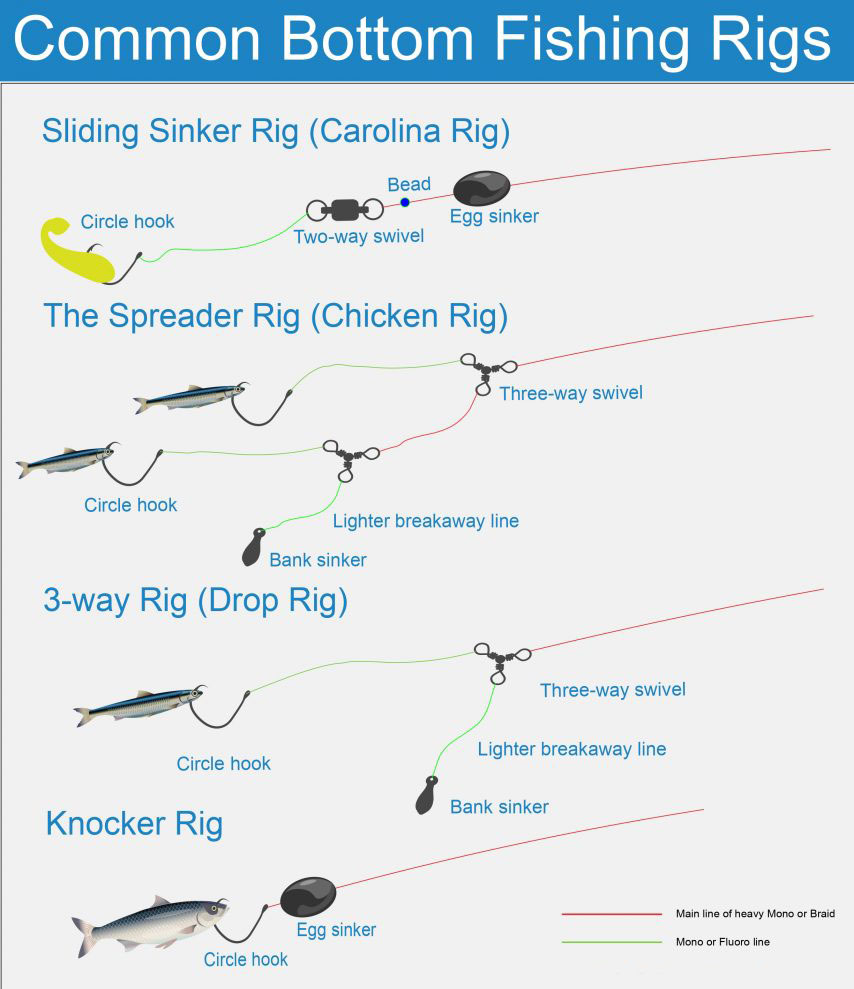
Carolina Rig Setup
The Carolina rig works well in open water and deep areas. It allows the bait to float above the bottom.
You need a heavier sinker, a swivel, and a leader line. This setup helps the bait move freely while the weight stays on the bottom.
- Slide sinker onto main line
- Add a bead after the sinker
- Tie swivel after the bead
- Attach leader line to swivel
- Tie hook to the leader line
Drop Shot Rig Setup
The drop shot rig is good for suspending bait above the bottom. It works well for clear water and pressured fish.
Tie your hook about 12-18 inches above the weight. Use a light line and a small hook for best results.
- Tie a Palomar knot with a loop at the end
- Attach hook through the loop, point up
- Add weight to the end of the line
- Attach soft plastic bait to the hook
Tips To Avoid Line Breakage
Fishing line breakage can ruin your bass fishing trip. Taking care of your line helps you catch more fish.
Simple steps can keep your line strong and reliable. Learn how to check and maintain your line properly.
Checking For Line Wear
Look closely at your fishing line before each trip. Small nicks or frays weaken the line and cause breaks.
Run the line through your fingers to feel for rough spots. Replace any worn sections to avoid losing fish.
- Check near the reel and guides for damage
- Look for discoloration or thinning areas
- Replace line after hard catches or snags
Proper Line Maintenance
Clean your fishing line regularly to remove dirt and salt. This stops line damage and extends its life.
Store your line in a cool, dry place away from sunlight. Heat and UV rays weaken the line over time.
- Wipe the line with a damp cloth after fishing
- Use line conditioner to keep it flexible
- Replace old line every season or sooner
Adjusting Drag Settings
Set the drag on your reel to match the line strength. Too much drag can snap the line during a fight.
Drag helps control the fish’s pull without breaking your line. Adjust it gently and test before fishing.
- Start with drag at about one-third of line breaking strength
- Tighten drag slowly as needed during the fight
- Check drag settings before casting each time

Credit: mysterytacklebox.com
Enhancing Casting Performance
Fishing for bass needs good casting skills. The way you rig your line can help you cast better. A smooth and long cast can reach more fish.
Below are tips on rigging line that improve your casting. Each part plays a role in making your cast accurate and strong.
Line Length Considerations
Choosing the right line length affects how far and well you can cast. Too long or too short lines can cause problems.
- Use 150 to 200 yards of line for most bass fishing.
- Longer lines help with longer casts but may add weight.
- Shorter lines reduce tangles and are easier to control.
- Match line length to your rod size and reel capacity.
Reducing Line Twist
Line twist can make your cast weak and cause tangles. Preventing twist keeps your line strong and smooth.
- Use a quality swivel to let the lure spin freely.
- Check your reel’s spool to ensure it is level and tight.
- Avoid reeling against the drag to reduce twist stress.
- Let the line out smoothly during the cast to avoid loops.
Using Line Conditioner
Line conditioner helps your line stay flexible and less tangled. It keeps the line smooth for longer casts.
| Type of Conditioner | Benefits |
|---|---|
| Silicone-based | Reduces friction and dries quickly |
| Wax-based | Protects line from water and dirt |
| Oil-based | Keeps line supple and prevents cracks |
Frequently Asked Questions
What Is The Best Line Type For Bass Fishing?
Monofilament and fluorocarbon lines are popular for bass fishing. Monofilament offers stretch and buoyancy. Fluorocarbon is nearly invisible underwater and abrasion-resistant. Choose based on water clarity and fishing technique for optimal results.
How Do I Rig My Line For Bass Fishing?
Attach a suitable hook and weight to your line. Use knots like the improved clinch or Palomar for strength. Adjust rig type—Texas, Carolina, or drop shot—depending on bass behavior and habitat.
What Line Strength Is Ideal For Bass Fishing?
Line strength between 8 to 15 pounds is ideal for bass. Lighter lines provide better sensitivity and natural lure action. Heavier lines offer more abrasion resistance and control in heavy cover.
How Does Water Condition Affect Rigging Bass Line?
In clear water, use lighter, less visible lines like fluorocarbon. In murky water, stronger, more visible lines may be better. Adjust rig weight and style based on water depth and current.
Conclusion
Rigging your line the right way helps catch more bass. Use strong knots and the right bait for better results. Check your line often to avoid breaks or tangles. Practice makes fishing easier and more fun. Keep learning and trying new rigs to improve your skills.
Enjoy the peaceful time on the water and the thrill of a good catch. Rigging well sets you up for success every fishing trip.