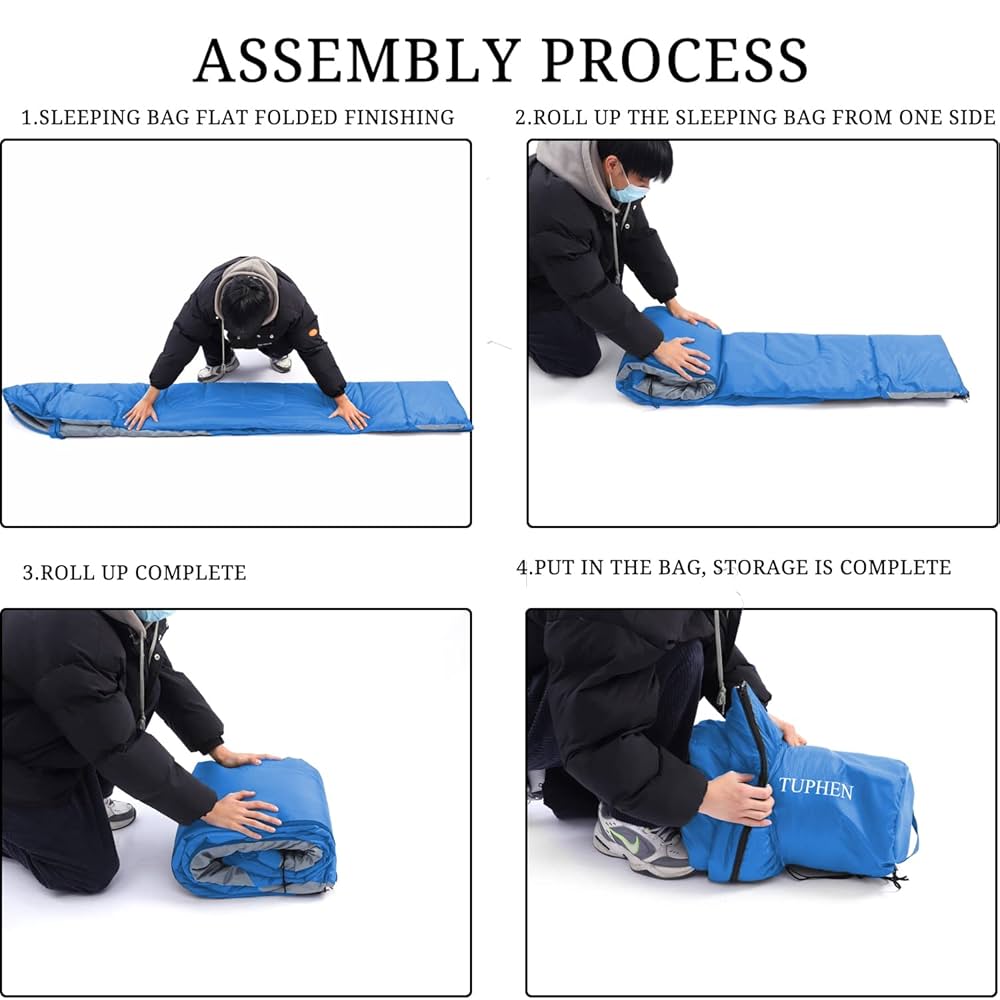
Have you ever struggled to roll up your sleeping bag neatly after a long day outdoors? It can be frustrating when your gear takes up too much space or won’t fit back into its sack.
Knowing how to roll a sleeping bag the right way saves you time, keeps your pack organized, and protects your gear for many adventures to come. In this guide, you’ll discover simple steps that make rolling your sleeping bag quick and easy.
Stick with me, and you’ll never wrestle with a bulky, messy sleeping bag again.
Choose The Right Spot
Picking the right spot to roll your sleeping bag makes packing easier. It also helps keep your bag clean and dry.
Look for a flat, clear area before you start rolling your sleeping bag. This prevents dirt and moisture from sticking to it.
Find A Flat Surface
Choose a flat spot to spread out your sleeping bag. Avoid hills or uneven ground to keep the bag tight and compact.
Clear Away Debris
Remove sticks, rocks, and leaves from the area. These can damage the fabric or make rolling difficult.
- Pick up small stones and twigs
- Brush away dirt and leaves
- Check for wet spots or mud
Stay Dry And Protected
Find a dry place away from puddles or damp grass. Moisture can make your sleeping bag heavy and smelly.
Lay The Sleeping Bag Flat
Rolling a sleeping bag properly ensures it stays compact and easy to carry. Begin by laying your sleeping bag flat on a clean surface.
This initial step helps remove any air pockets and wrinkles. It is crucial for a tight roll.
Choose A Flat Surface
Select a surface that is clean and free of debris. A flat surface helps prevent damage to the sleeping bag fabric.
- Find a spot indoors if possible
- Ensure the area is dry
- Avoid surfaces with sharp objects
Smooth Out The Sleeping Bag
Use your hands to flatten out the sleeping bag. This removes air and prepares it for rolling.
Ensure all zippers are closed to prevent snagging. This keeps the fabric intact.
Begin Rolling From The Bottom
Start rolling from the foot of the sleeping bag. Make sure to keep the roll tight to save space.
| Rolling Direction | Reason |
| Bottom to Top | Reduces air pockets |
| Top to Bottom | Less compact |
Fold Lengthwise
Folding your sleeping bag lengthwise makes it easier to roll tightly. This method reduces the width and helps keep the bag compact.
It also helps prevent air pockets inside the roll. This way, your sleeping bag stays warm and fits better in your backpack.
Prepare The Sleeping Bag
Start by laying the sleeping bag flat on the ground. Smooth out wrinkles and air pockets with your hands. Make sure the zipper is fully closed.
Fold The Bag In Half Lengthwise
Fold the sleeping bag lengthwise so the two long edges meet. You can fold it in half or thirds, depending on the bag’s width.
- Align edges carefully to keep the fold straight.
- Press down gently to remove trapped air.
- Check that the bag stays flat after folding.
Begin rolling the sleeping bag tightly from the foot end. Use your hands to push air out as you roll. Keep the roll tight and even.

Credit: www.amazon.ae
Smooth Out Air Pockets
Rolling a sleeping bag properly helps remove air pockets. Air pockets make the bag bulky and hard to pack.
Smoothing out these pockets makes your sleeping bag tighter and easier to carry.
Start by spreading your sleeping bag flat on the ground. Make sure it is fully unzipped and straight.
This position lets you see any lumps or air pockets inside the bag before rolling.
Press Out Air Gently
Use your hands to press the sleeping bag from the edges toward the center. Push the air out slowly.
Do not squeeze too hard. Pressing gently helps keep the bag’s insulation safe.
Roll Tight And Even
Begin rolling from the foot end of the bag. Roll smoothly and evenly to avoid trapping new air pockets.
Keep the roll tight but not too tight to damage the material.
Use Your Hands To Smooth The Roll
After a few rolls, pause and use your hands to smooth the sleeping bag. Push out any air that appears.
This step helps keep the roll compact and prevents lumps from forming.
Secure The Sleeping Bag
Once rolled tightly with no air pockets, use straps or ties to keep it in place. This stops it from unrolling.
- Check the roll for lumps before tying
- Adjust the roll if air pockets return
- Use straps to hold the shape firmly
Start Rolling From The Foot End
Rolling a sleeping bag properly saves space and keeps it clean. Starting at the foot end makes rolling easier and tighter.
This guide explains how to start rolling your sleeping bag from the foot end for better packing.
Spread the sleeping bag on a clean, flat surface. Smooth out wrinkles and air pockets before rolling.
Fold The Sleeping Bag If Needed
If your sleeping bag is very wide, fold it in half lengthwise. This makes the roll tighter and easier to carry.
Begin rolling tightly at the foot end. Use your hands to press air out as you roll toward the top.
- Hold the foot end firmly
- Roll slowly and tightly
- Push out trapped air while rolling
- Keep the roll even and straight
Secure The Sleeping Bag
After rolling, use straps or cords to keep the sleeping bag compact. This prevents it from unrolling.

Credit: www.amazon.nl
Apply Firm Pressure While Rolling
Rolling a sleeping bag tightly saves space in your backpack. Firm pressure helps push air out. This makes the sleeping bag smaller and easier to carry.
Applying steady pressure keeps the roll tight. It prevents the sleeping bag from loosening. Follow simple tips to roll your sleeping bag with firm pressure.
Prepare The Sleeping Bag
Lay the sleeping bag flat on a clean surface. Smooth out wrinkles and air pockets. Align the edges so the bag is even. This helps when you start rolling.
Start Rolling From The Bottom
Begin rolling at the foot end of the sleeping bag. This end usually has less bulk. Rolling here first pushes air out as you move upward. Keep the roll tight with your hands.
Use Your Body To Apply Pressure
Once you start rolling, use your hands and forearms to press firmly. If possible, place the rolled part under your knee or foot to keep pressure. This helps squeeze out trapped air and keeps the roll tight.
- Press firmly but do not damage the fabric
- Keep pressure steady and consistent
- Adjust your grip as the roll tightens
- Use your body weight to help press down
Secure The Rolled Sleeping Bag
After rolling tightly, use straps or cords to hold the shape. This stops the bag from loosening while you carry it. Tight securing keeps your pack organized and light.
| Action | Purpose |
| Lay flat and smooth | Remove wrinkles and air pockets |
| Roll from bottom | Push air out gradually |
| Apply firm pressure | Make roll compact |
| Use straps | Keep roll tight |
Secure With Straps Or Cord
Rolling a sleeping bag tight is important to save space. Using straps or cord keeps it secure and easy to carry.
Straps or cords stop the sleeping bag from unrolling. This makes packing and storing much easier.
Use Built-in Straps
Many sleeping bags come with built-in straps. These straps are attached to the bag for convenience.
After rolling your sleeping bag, wrap the straps around it and fasten tightly. This keeps it from loosening.
- Roll the sleeping bag tightly from the foot end
- Wrap straps evenly around the rolled bag
- Secure the buckles or Velcro closures firmly
Tie With A Cord
If your sleeping bag has no straps, use a cord to secure it. A strong cord can hold the bag in place.
After rolling, wrap the cord around the bag twice. Tie a tight knot or bow to keep it secure.
- Choose a cord that is strong but not too thick
- Wrap the cord around the rolled sleeping bag evenly
- Tie a double knot or bow for easy release
Check The Tightness Regularly
Check the straps or cord often to make sure they stay tight. If loose, the sleeping bag may unroll.
Retighten the straps or cord after each use. This keeps the sleeping bag compact and ready to carry.
Use A Compression Sack
A compression sack helps you roll your sleeping bag into a small, tight bundle. It saves space in your backpack. It also protects the sleeping bag from dirt and moisture.
Using a compression sack is easy. It makes carrying your sleeping bag much simpler for hiking or camping trips.
Prepare The Sleeping Bag
Lay the sleeping bag flat on a clean surface. Make sure it is dry and zipped up fully. Smooth out any wrinkles or air pockets inside.
This step helps to fit the sleeping bag neatly inside the compression sack. It also prevents damage to the bag’s insulation.
Place The Sleeping Bag In The Sack
Open the compression sack wide. Roll or fold the sleeping bag tightly from one end. Push it slowly into the sack, keeping the roll tight.
Make sure the sleeping bag fits well inside without forcing it. A tight roll makes compression easier and more effective.
Compress The Sack
Pull the compression straps or cords on the sack evenly. Tighten them step by step until the sack shrinks around the sleeping bag.
Do not over-tighten. Stop when the sleeping bag is compact and secure. This reduces bulk and makes carrying easier.
- Check all straps are fastened
- Keep the sack balanced in your bag
- Loosen straps after use to keep insulation fluffy
Tips For Maintaining Shape
Keeping your sleeping bag in good shape helps it last longer. Proper care stops the insulation from clumping. It also keeps the bag comfortable and warm.
Rolling your sleeping bag the right way prevents damage. It keeps the material smooth and maintains the bag’s loft. Follow these tips to keep your sleeping bag like new.
Dry Your Sleeping Bag Fully
Always dry your sleeping bag completely before rolling it. Dampness can cause mold and bad smells. Hang it in a dry, airy place away from direct sunlight.
Roll Loosely To Avoid Damage
Do not roll your sleeping bag too tight. Tight rolling can crush the insulation and reduce warmth. Roll it gently and keep it loose enough to protect the filling.
- Lay the bag flat and smooth out wrinkles
- Fold the bag in half lengthwise if needed
- Start rolling from the foot end slowly
- Keep the roll firm but not tight
- Secure with straps or the stuff sack
Store Your Sleeping Bag Correctly
Do not store your sleeping bag rolled up all the time. Long-term compression harms its shape and loft. Use a large storage sack or hang it loosely in a closet.
| Storage Method | Effect on Shape |
| Stuffed in a large storage sack | Maintains loft and shape well |
| Hanging loosely in a closet | Prevents compression and damage |
| Left rolled tightly for months | Flattens insulation and reduces warmth |
Common Mistakes To Avoid
Rolling a sleeping bag might seem easy, but many people make simple mistakes. These errors can cause your sleeping bag to take more space or get damaged.
Knowing what to avoid helps keep your sleeping bag safe and compact. Here are common mistakes to watch out for.
Not Removing Air Before Rolling
Leaving air inside the sleeping bag makes it bulky and hard to roll. It also takes up more space in your backpack.
Press the sleeping bag flat and squeeze out air before you start rolling. This helps make a tight and small roll.
Rolling Too Loosely
Rolling the sleeping bag loosely means it won’t stay compact. It can unroll easily and take more room in your bag.
Roll firmly but not too tight to avoid damage. A tight roll saves space and keeps your bag neat.
Ignoring The Shape Of The Bag
Some sleeping bags have a tapered or mummy shape. Rolling without following this shape can cause uneven rolls and wrinkles.
Start rolling from the foot end if the bag is tapered. This keeps the shape and helps roll it evenly.
Using The Wrong Side For Rolling
Rolling your sleeping bag with the dirty or wet side inside can cause stains and bad smells. It also harms the insulation.
Always roll your sleeping bag with the clean, dry side facing out. This keeps it fresh and ready for your next trip.
Skipping The Compression Sack
Not using a compression sack means your sleeping bag stays bigger than needed. It also can get loose in your pack.
Place the rolled sleeping bag in a compression sack to save space and protect it from dirt and moisture.
Rolling With Zippers Open
Rolling your sleeping bag with zippers open can cause damage. The zipper teeth might bend or the bag can get stuck.
Always zip the sleeping bag fully before rolling. This keeps it secure and protects the zipper from harm.

Credit: trendtents.com
Frequently Asked Questions
How Do You Start Rolling A Sleeping Bag?
Begin by laying the sleeping bag flat with the zipper closed. Fold it lengthwise to make it narrower. Start rolling tightly from the foot end to avoid air pockets. Keep the roll firm for easy packing and storage.
Why Is Rolling A Sleeping Bag Tightly Important?
Rolling tightly removes excess air and reduces the bag’s size. This saves space in your backpack. A compact roll also protects the insulation from damage. It makes carrying and storing the sleeping bag more convenient.
Can You Roll A Sleeping Bag When Wet?
It’s best to avoid rolling a wet sleeping bag. Moisture can cause mildew and damage insulation. Instead, air-dry it fully before rolling. If you must pack it wet, use a waterproof stuff sack temporarily.
What Is The Best Technique To Roll A Sleeping Bag?
The best technique is to fold it lengthwise, then roll from the foot end. Keep the roll tight and even. Use straps or a compression sack to secure it. This method ensures a compact, easy-to-carry sleeping bag.
Conclusion
Rolling a sleeping bag the right way saves space and keeps it clean. Start by laying it flat and folding it evenly. Roll tightly to avoid air pockets. Secure it with straps or cords to hold the shape. Practice a few times to get faster and neater.
This simple skill makes packing easier and your gear last longer. Enjoy your trips without mess or hassle. Ready to roll?