Is your garden hose always tangled or taking up too much space? Learning how to roll up a garden hose the right way can save you time, prevent damage, and keep your outdoor area neat.
Imagine grabbing your hose easily whenever you need it, without the frustration of knots or kinks. You’ll discover simple steps to roll up your garden hose quickly and efficiently. Keep reading to make your gardening routine smoother and protect your hose for longer use.
Choose The Right Hose
Picking the right garden hose is important. It makes watering tasks easier and more efficient. Consider various factors before buying a hose.
In this guide, learn about material, length, and how to avoid kinks. These tips help in choosing the best hose for your garden.
Material Matters
The hose material affects its durability and flexibility. Rubber hoses are strong and last long. Vinyl hoses are lightweight and affordable.
Consider your needs before picking a material. Think about the climate and how often you will use the hose.
- Rubber: Durable, flexible, and handles hot water
- Vinyl: Lightweight, less durable, best for light use
- Polyurethane: Safe for drinking water, kink-resistant
Length And Diameter
Choose a hose length based on your garden size. A longer hose reaches far areas but may reduce water pressure.
The diameter affects the water flow. Standard hoses are usually 5/8 inch. This size provides a good balance of pressure and flow.
- 25-50 feet: Small gardens or patios
- 75-100 feet: Medium to large gardens
- 1/2 inch: Light watering tasks
- 5/8 inch: General-purpose use
- 3/4 inch: Heavy-duty watering needs
Avoiding Kinks
Kinks can block water flow and damage the hose. To prevent kinks, store the hose properly. Use a hose reel or hang it in loops.
Choose a hose with anti-kink technology. These hoses are more flexible and easier to handle.

Credit: www.gettyimages.ca
Prepare The Hose
Preparing your garden hose before rolling it up helps keep it in good shape. This makes it easier to store and use next time.
Two important steps are draining the water and straightening the hose. These steps prevent damage and tangles.
Drain The Water
Water left inside the hose can cause damage or mold. Drain all the water before rolling it up.
Turn off the water supply and lift one end of the hose. Let the water flow out completely.
- Turn off the faucet.
- Lift the hose end to drain water.
- Shake the hose gently to remove extra water.
Straighten The Hose
A tangled hose is hard to roll up and store. Straighten it out before you start rolling.
Lay the hose flat on the ground and pull it gently to remove kinks and bends.
- Find a clear space outside.
- Lay the hose in a straight line.
- Pull sections to remove twists and loops.
Rolling Techniques
Rolling up a garden hose properly keeps it safe and easy to use. Good rolling stops kinks and tangles.
There are different ways to roll a hose. Each way helps keep the hose in good shape.
Over-under Method
The over-under method uses two different loops to stop twists. One loop goes over, the next goes under.
This way keeps the hose flat and easy to unroll. It works well for long hoses.
- Hold the hose end in one hand.
- Make a normal loop by bringing the hose over.
- Make the next loop by twisting the hose under your hand.
- Repeat over and under loops until rolled.
Circular Coil Method
The circular coil method rolls the hose in circles. It is the most common and simple way.
Make large loops with the hose and stack them on top of each other. Keep loops the same size.
- Start at the hose end.
- Make a round loop on the ground or reel.
- Keep coiling in the same direction.
- Stack loops neatly for easy storage.
Figure-eight Method
The figure-eight method wraps the hose in a shape like the number eight. This stops twists and kinks.
This method works well for hoses stored on hooks or racks. It keeps the hose balanced.
- Hold the hose end in one hand.
- Make a loop to the right.
- Then make a loop crossing to the left.
- Keep alternating to form an eight shape.

Credit: medium.com
Use Hose Reels And Holders
Rolling up a garden hose keeps it neat and prevents damage. Hose reels and holders make this task easier and faster.
These tools help store the hose properly and save space in your garden or garage.
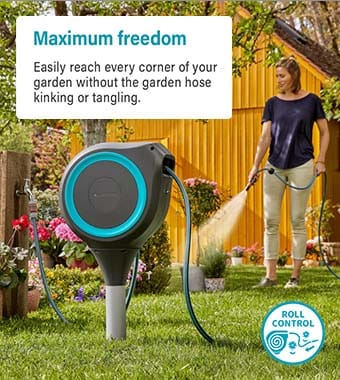
Wall-mounted Reels
Wall-mounted reels attach to a sturdy wall outside your house or shed. They keep the hose off the ground and easy to reach.
Many models include a crank handle to wind the hose neatly. This prevents kinks and tangles. Choose a reel that fits your hose length.
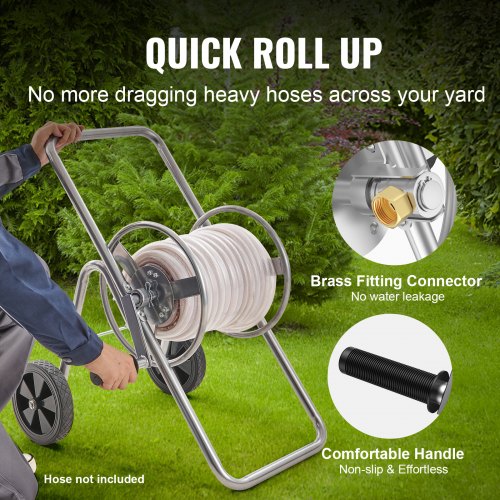
Portable Hose Reels
Portable hose reels have wheels or a handle for easy movement. You can carry the hose around your garden without dragging it on the ground.
- Lightweight and easy to move
- Usually have a crank for winding
- Good for large gardens or multiple areas
- Store hose safely and avoid tangles
Diy Hose Holders
You can make simple hose holders with common materials. A sturdy hook or a wooden frame works well to hang the hose.
| Material | Description |
|---|---|
| Wooden board | Cut and shape to hold hose loops |
| Metal hooks | Securely fastened to wall for hanging hose |
| PVC pipe | Form a circle to roll hose around |
| Old tire | Use as base to coil hose inside |
Storage Tips
Proper storage helps your garden hose last longer. It keeps the hose safe from damage and wear. Follow these simple tips to store your hose correctly.
Good storage prevents leaks and cracks. It also makes it easy to use the hose next time.
Keep Away From Sunlight
Sunlight can damage the hose material. It causes the hose to dry out and crack. Store your hose in a shaded place to protect it.
- Use a hose reel with a cover
- Keep the hose under a porch or awning
- Avoid leaving the hose on hot pavement
- Wrap the hose in a cloth if no shade is available
Store Indoors During Winter
Cold weather can freeze water inside the hose. This causes the hose to burst or crack. Store the hose indoors when temperatures drop.
| Winter Storage Tips | Details |
| Drain all water | Make sure no water stays inside |
| Coil the hose loosely | Prevents kinks and breaks |
| Keep in a dry place | Prevents mold and mildew |
| Do not store near heat sources | Avoid damage from heat |
Avoid Sharp Bends
Sharp bends can weaken the hose walls. They cause cracks and leaks over time. Roll your hose gently to keep it smooth.
Follow these tips to avoid sharp bends:
- Coil the hose in wide loops
- Use a hose reel to keep shape
- Don’t pull the hose around corners sharply
- Store the hose flat or on a round hook
Credit: www.tooled-up.com
Maintenance For Longevity
Proper care helps your garden hose last longer. Following a few simple steps keeps it working well.
Regular maintenance prevents damage and saves you money on replacements.
Inspect For Damage
Check the hose often for cracks, holes, or weak spots. Look closely at connections and fittings.
- Look for bulges or soft areas on the hose body
- Check metal fittings for rust or bending
- Test for leaks by turning on the water
- Replace damaged parts early to avoid bigger problems
Clean Regularly
Cleaning your hose removes dirt and prevents mold buildup. It also helps spots stay visible for inspection.
| Cleaning Step | Details |
| Rinse | Use water to wash off dirt |
| Wipe | Use a cloth to clean the hose surface |
| Dry | Let the hose air dry before storing |
| Store | Keep hose in shade away from direct sun |
Repair Minor Leaks
Small leaks can be fixed without replacing the whole hose. Repair kits are easy to use and affordable.
To repair a minor leak:
- Turn off water and dry hose area
- Cut out damaged section if needed
- Use a hose repair connector or patch
- Tighten fittings securely
- Test for leaks after repair
Frequently Asked Questions
How Do You Properly Roll Up A Garden Hose?
Start by draining water completely. Lay the hose straight and untangled. Coil it evenly in large loops, avoiding kinks. Secure with a hose strap or tie. Store in a shaded area to prevent damage and prolong hose life.
Why Is Rolling Up A Garden Hose Important?
Rolling prevents kinks and tangles that damage the hose. It extends the hose’s lifespan by avoiding wear and tear. Proper storage also keeps the hose ready for use and reduces tripping hazards in your garden.
What Is The Best Technique To Avoid Hose Kinks?
Use large, loose loops while rolling. Avoid tight coils or sharp bends. Roll the hose in one consistent direction. This method keeps the hose flexible and prevents internal damage or twisting.
How Often Should I Roll Up My Garden Hose?
Roll up your hose after every use to maintain its condition. Frequent rolling prevents water stagnation and damage. Proper care keeps the hose clean, dry, and free from mold or mildew buildup.
Conclusion
Rolling up a garden hose properly saves space and prevents damage. It keeps your hose neat and ready for use. Avoid kinks and tangles for longer hose life. Practice makes the task easier and quicker. A well-stored hose looks better in your garden.
Try these steps next time you finish watering. Your garden will thank you for the care. Simple habits protect your tools and time. Give your hose a good roll today.