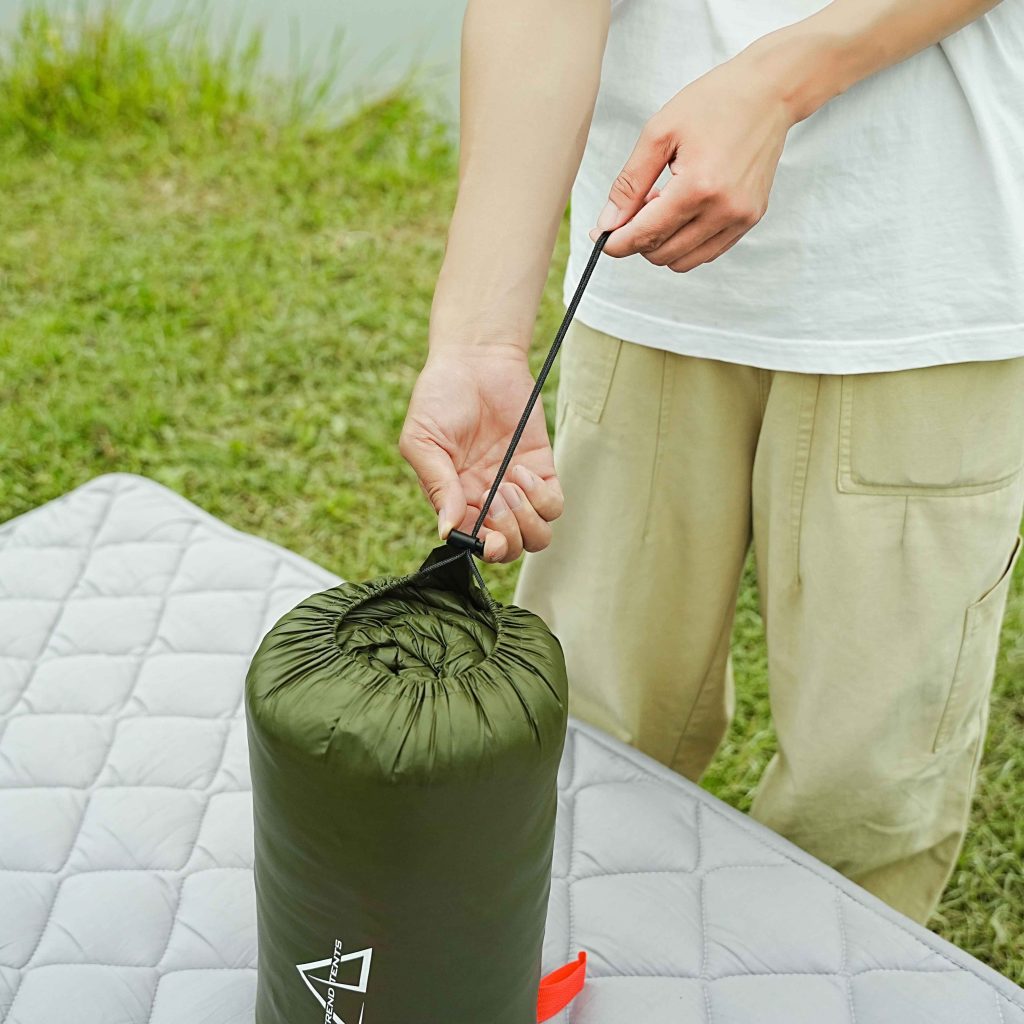
Struggling to pack your sleeping bag neatly after a long day outdoors? You’re not alone.
Rolling up a sleeping bag with straps might seem tricky, but once you get the hang of it, it becomes quick and effortless. Imagine having more space in your backpack and keeping your gear organized every time you camp. In this guide, you’ll learn simple, step-by-step tips to roll up your sleeping bag perfectly using straps—saving you time and hassle.
Ready to make packing your sleeping bag easier than ever? Let’s dive in!

Credit: www.amazon.ae
Choosing The Right Sleeping Bag
Choosing the right sleeping bag makes rolling it up easier. It also helps you stay comfortable outdoors.
Different sleeping bags suit different needs. Think about material, size, and weight before buying.
Material Considerations
Sleeping bags come in various materials. Each type affects warmth and how easy it is to roll up.
Synthetic materials dry quickly and resist moisture. Down materials are lighter and compress well.
- Synthetic: durable, easy to clean, heavier
- Down: very warm, lightweight, needs dry conditions
- Hybrid: mix of synthetic and down for balance
Size And Weight Factors
Size affects how tightly you can roll your sleeping bag. Large bags may take more space.
Weight matters if you carry your bag on long trips. Lightweight bags are easier to manage and pack.
- Smaller bags roll up tighter
- Lighter bags are easier to strap and carry
- Choose size based on your body and storage needs
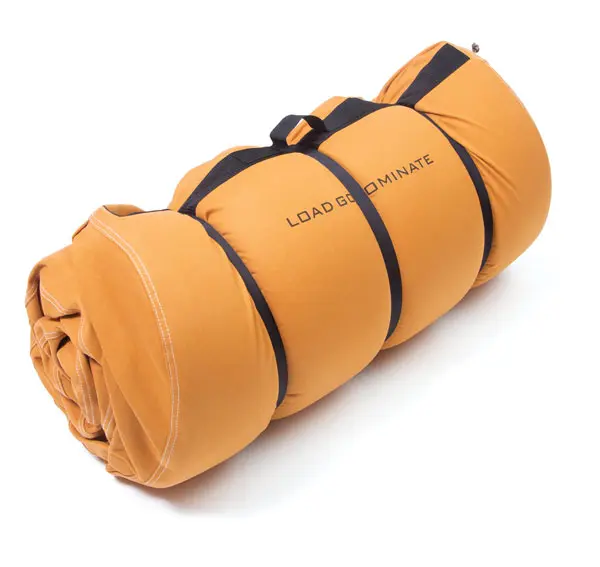
Credit: shootingsportsman.com
Preparing Your Sleeping Bag
Rolling up your sleeping bag correctly helps save space and protects it. Before you start, prepare your sleeping bag well.
Proper preparation includes cleaning, drying, and checking for damage. These steps keep your bag in good shape for many trips.
Cleaning And Drying
Make sure your sleeping bag is clean before rolling it up. Dirt and moisture can cause damage over time.
- Spot clean small stains with mild soap and water.
- Use a front-loading washing machine for full cleaning.
- Dry your sleeping bag fully before packing it away.
- Avoid direct sunlight; air dry in a shaded area.
- Use a large dryer on low heat if machine drying is allowed.
Inspecting For Damage
Check your sleeping bag carefully to spot any damage. Fixing small issues early keeps your bag safe and comfortable.
| Problem | What to Check | How to Fix |
| Holes or Tears | Fabric and seams | Use repair patches or sew small tears |
| Broken Zipper | Zipper teeth and slider | Lubricate or replace zipper |
| Loose Straps | Strap stitching and buckles | Sew or replace straps |
Laying Out The Sleeping Bag
Rolling up a sleeping bag with straps starts with laying it out correctly. This step makes the rolling process easier and neater.
Taking time to spread the bag flat helps avoid wrinkles and keeps it compact when rolled.
Finding A Flat Surface
Choose a clean and flat area to lay your sleeping bag. This space should be free of rocks or sticks that could damage the bag.
A flat surface helps keep the sleeping bag even and smooth, making it easier to roll tightly.
Aligning The Bag Properly
Lay the sleeping bag with the zipper side up and fully open. Straighten the edges to remove any folds or creases.
Make sure the straps are untangled and placed near the end of the bag for easy access when rolling.
Folding Techniques
Rolling up a sleeping bag with straps keeps it tight and easy to carry. Using proper folding techniques helps save space and protect the bag.
Two common ways to fold a sleeping bag are folding lengthwise and folding in sections. Each method works well with straps to secure the roll.
Folding Lengthwise
Folding your sleeping bag lengthwise makes it narrower and easier to roll. Start by laying the bag flat and folding it in half or thirds along its length.
- Lay the sleeping bag flat on the ground.
- Fold one side toward the middle.
- Fold the other side over the first fold.
- Make sure the width matches the size of your straps.
- Begin rolling tightly from the foot end toward the top.
- Secure the roll with the straps to keep it compact.
Folding In Sections
Folding in sections means folding the sleeping bag into smaller parts before rolling. This makes the roll shorter and easier to manage with straps.
| Section | Action | Benefit |
|---|---|---|
| Foot Section | Fold up about one-third of the length. | Keeps the roll balanced and tight. |
| Middle Section | Fold the middle over the foot section. | Reduces length for easier rolling. |
| Top Section | Fold the remaining top part over the middle. | Creates a neat bundle to roll. |
Rolling The Sleeping Bag
Rolling a sleeping bag with straps keeps it compact and easy to carry. It saves space in your backpack and protects the bag from dirt.
Focus on rolling tightly and evenly to make the straps hold it well. Follow simple steps for a neat roll.
Starting At The Bottom
Lay the sleeping bag flat with the zipper closed. Begin rolling from the foot end, not the head end. This helps keep air out and makes the roll tight.
- Flatten the sleeping bag to remove air pockets.
- Align the edges so the bag is straight.
- Start rolling from the foot end toward the head.
- Roll slowly and evenly to keep the shape.
- Keep the roll tight by pressing down as you go.
Keeping The Roll Tight
Once the sleeping bag is rolled, use the straps to hold it firmly. Tight straps keep the bag small and prevent it from unrolling.
| Tip | Reason |
| Fasten straps evenly | Distributes pressure to keep roll tight |
| Use all straps available | Prevents slipping and loosening |
| Adjust straps after rolling | Ensures firm hold without damage |
| Store rolled bag with straps on | Keeps shape until next use |

Credit: www.amazon.co.uk
Securing With Straps
Using straps to roll up your sleeping bag keeps it tight and easy to carry. Straps stop the bag from loosening during travel.
Properly securing your sleeping bag saves space in your backpack. It also protects the bag from dirt and damage.
Attaching The Straps
Start by laying your rolled sleeping bag flat. Wrap the straps evenly around the bag. Attach the ends of each strap firmly.
- Place straps around the middle and ends of the bag
- Use buckles or Velcro to fasten the straps
- Check that straps are not twisted
- Make sure the straps lie flat on the bag
Adjusting For A Snug Fit
Tighten the straps to hold the bag firmly in place. Avoid over-tightening to protect the bag’s insulation. Adjust straps evenly for balance.
| Adjustment | Effect |
| Too loose | Bag can unroll or get bulky |
| Too tight | May damage insulation or fabric |
| Just right | Secure and compact for easy carrying |
Storing Your Sleeping Bag
Proper storage keeps your sleeping bag in good shape. It helps keep the insulation fluffy and ready for your next trip.
Using straps to roll up your sleeping bag makes storage easier. It also saves space and protects the bag from damage.
Choosing The Right Bag
Pick a sleeping bag that fits your storage needs. Lightweight and compressible bags are easier to roll and store with straps.
- Choose bags with durable outer material
- Look for bags that compress well without damage
- Check if the bag comes with storage straps
- Consider size and shape for your storage space
Optimal Storage Conditions
Store your sleeping bag in a cool, dry place. Avoid tight compression for long times to keep insulation loft.
| Condition | Recommended |
| Temperature | Below 75°F (24°C) |
| Humidity | Low, dry environment |
| Compression | Loose or gentle with straps |
| Exposure | Away from direct sunlight |
Tips For Quick Packing
Packing your sleeping bag fast saves time on your trips. Using straps helps keep the bag tight and small.
Learn simple methods to roll your sleeping bag neatly. This way, your gear stays organized and easy to carry.
Practice Makes Perfect
Rolling a sleeping bag quickly takes practice. Try rolling it a few times at home to get the hang of it.
- Lay the sleeping bag flat and smooth out wrinkles.
- Start rolling tightly from the foot end.
- Keep the roll even and firm as you go.
- Once rolled, secure it with the straps to hold shape.
- Check the tightness and adjust if needed.
Using Compression Sacks
Compression sacks reduce the size of your sleeping bag. They use straps or cords to squeeze out air.
| Tip | Reason |
| Place sleeping bag inside the sack loosely | Prevents damage to insulation |
| Use the straps to press down evenly | Reduces volume quickly |
| Roll or push air out before tightening | Makes packing faster and easier |
| Secure all straps tightly | Keeps bag compact during travel |
Common Mistakes To Avoid
Rolling up a sleeping bag with straps helps save space and keeps it neat. Avoid mistakes that make packing harder or damage your bag.
Learn the common errors people make when rolling their sleeping bags. Fixing these will protect your gear and make packing easier.
Overpacking The Bag
Putting too much stuff inside the sleeping bag before rolling it up makes it bulky. This can stretch the fabric and straps.
Try not to cram pillows, clothes, or other items inside the bag. It stops the straps from holding the roll tightly.
- The bag will be hard to close with the straps
- Overfilling can cause damage to zippers and seams
- The bag won’t fit in your backpack easily
- It may take longer to dry if it is compressed too much
Ignoring Moisture Issues
Rolling up a wet or damp sleeping bag can cause mold and odors. Always check if the bag is dry before packing.
If you ignore moisture, the insulation inside the bag can lose its warmth and fluffiness. This reduces comfort on your trips.
- Air out your sleeping bag before rolling it
- Use waterproof sacks if the bag is damp
- Dry the bag fully after use, especially after rain or sweat
- Store the bag loosely when not in use to keep it fresh
Frequently Asked Questions
How Do I Roll Up A Sleeping Bag With Straps?
Start by laying the sleeping bag flat. Roll tightly from the foot end. Secure the straps around the rolled bag to keep it compact and easy to carry.
Why Use Straps To Roll A Sleeping Bag?
Straps keep the sleeping bag tightly rolled, saving space. They prevent the bag from unrolling during transport or storage, making it more portable and organized.
Can I Use Regular Straps For Rolling A Sleeping Bag?
Yes, regular adjustable straps or compression straps work well. Ensure they are strong and can tighten securely to keep the sleeping bag compact.
How Tight Should The Sleeping Bag Be Rolled?
Roll the sleeping bag firmly but avoid crushing the insulation. Tight rolling reduces volume and fits straps better, preserving warmth and bag shape.
Conclusion
Rolling up a sleeping bag with straps saves space and keeps it tidy. Follow the steps carefully for a snug roll. Tighten the straps to hold the bag firm. This method makes packing and carrying easier. Practice a few times to get faster.
Your sleeping bag will stay clean and ready for use. Keep your gear organized and enjoy your outdoor trips. Simple steps lead to better camping experiences.