If you want your front wheel drive car’s tires to last longer and drive smoother, knowing how to rotate them is key. Tire rotation might sound simple, but doing it the right way can save you money and keep your car running safely.
You’ll learn easy steps to rotate your tires correctly, why it matters, and the signs that show it’s time to do it. Keep reading, and you’ll gain the confidence to take care of your tires like a pro.
Credit: www.autoblog.com
Why Rotate Tires On Front Wheel Drive Cars
Tire rotation means moving tires from one position to another. It helps your tires wear evenly on a front wheel drive car. Front wheel drive cars use the front tires for steering and power. This causes the front tires to wear faster than the rear tires.
Rotating tires regularly spreads out the wear. This keeps your tires lasting longer and driving safer. It also helps your car handle better and use fuel more efficiently.
Benefits Of Tire Rotation
Rotating tires improves how your car drives. It makes tire wear more even across all four tires. This helps you avoid replacing tires too soon.
Even tire wear keeps your car stable on the road. It also improves traction in wet or slippery conditions. Rotating tires can save you money by extending tire life.
- Extends tire lifespan
- Improves vehicle handling
- Increases traction and safety
- Helps maintain better fuel efficiency
- Reduces uneven tread wear
Signs Tires Need Rotation
You should rotate tires when you see uneven wear patterns. The front tires may look more worn than the rear tires. Listen for unusual noises like squealing when driving.
Other signs include vibration or pulling to one side while driving. Check your tire tread depth regularly. If the tread is low on the front tires, it is time to rotate.
- Uneven tread wear between front and rear tires
- Squealing or unusual noises while driving
- Car pulls to one side
- Vibrations through the steering wheel
- Low tread depth on front tires
Credit: www.challengertalk.com
Tools Needed For Tire Rotation
Rotating tires on a front wheel drive car helps your tires wear evenly. It keeps your car safe and running well. You need some tools before you start.
Having the right tools makes the job easier and safer. Let’s look at the essential equipment and safety gear you need.
Essential Equipment
You need tools to lift your car and remove the tires. Some tools help you put the tires back correctly. Here are the main items:
- Car jack to lift the car
- Jack stands to support the car safely
- Lug wrench to remove and tighten lug nuts
- Torque wrench to tighten lug nuts to the right pressure
- Wheel chocks to stop the car from rolling
- Gloves to protect your hands
Safety Gear
Safety gear protects you during the tire rotation process. It helps prevent injuries and keeps you clean. Use these items every time:
- Protective gloves to avoid cuts and dirt
- Safety glasses to protect your eyes from dust and debris
- Closed-toe shoes to protect your feet from heavy tires
- Work clothes that you don’t mind getting dirty
Preparing Your Car
Rotating tires keeps your car’s tires wearing evenly. This helps your car drive smoothly and last longer.
Before you start, prepare your car carefully. Follow these simple steps to get ready.
Park On A Level Surface
Find a flat and solid place to park your car. This will keep your car stable while you work on it.
A level surface helps the jack lift your car safely. Avoid hills or soft ground like grass or dirt.
Engage Parking Brake
Set your parking brake firmly. This stops your car from moving during the tire rotation.
- Press the brake pedal.
- Pull the parking brake lever up until it locks.
- Double-check that the car cannot roll.
Loosen Lug Nuts
Before you lift the car, loosen the lug nuts on each tire. This is easier when the tires are still touching the ground.
| Tool Needed | Action |
| Lug wrench | Fit it on the lug nut and turn counterclockwise |
| Breaker bar (optional) | Use for extra leverage if nuts are tight |
| Gloves | Protect your hands while loosening nuts |
Step-by-step Tire Rotation Process
Rotating tires helps them wear evenly and last longer. It is important for front wheel drive cars to keep good traction and balance.
This guide shows you how to rotate your tires safely and easily. Follow each step carefully to avoid any problems.
Lift The Car With A Jack
Park your car on a flat surface and apply the parking brake. Place wheel chocks behind the rear wheels to stop the car from moving.
Use a jack to lift the front of the car. Find the jack points under the car frame. Lift the car until the front tires are off the ground.
Remove Front Tires
Use a lug wrench to loosen the lug nuts on the front tires. Turn the nuts counterclockwise but do not remove them yet.
Once the car is lifted, fully remove the lug nuts. Carefully take off the front tires and set them aside in a safe place.
Swap Front And Rear Tires
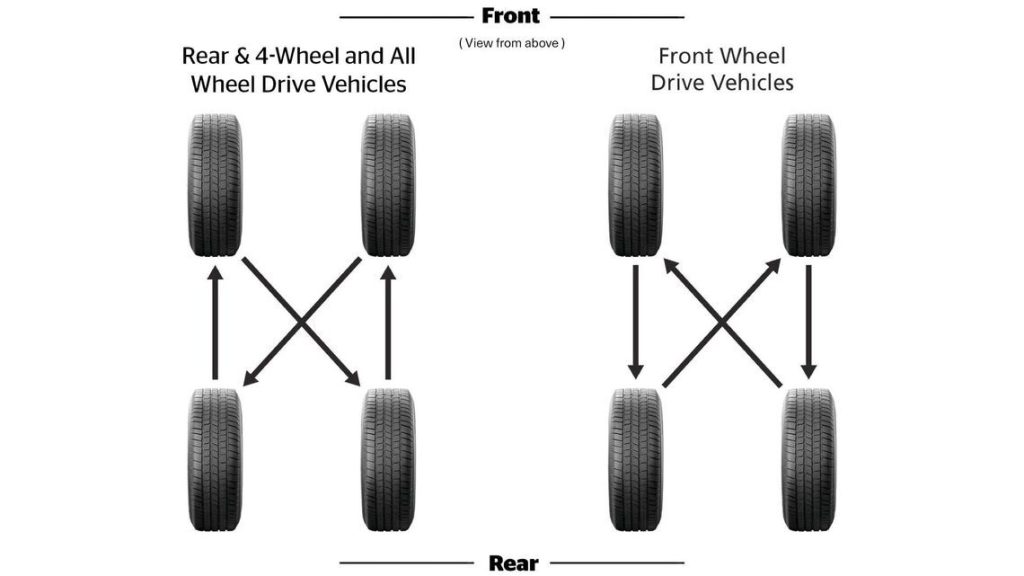
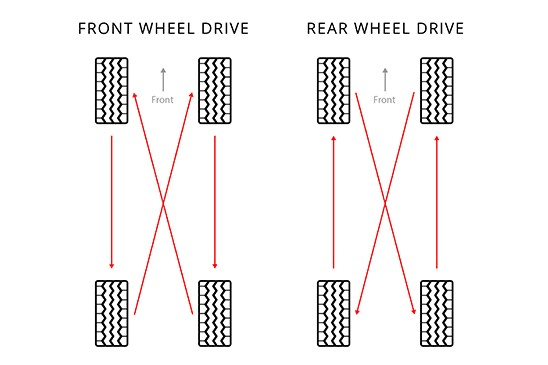
Move the front tires to the rear axle on the same side of the car. Place the rear tires at the front on the opposite side.
This cross pattern helps even out tire wear on front wheel drive cars. Make sure each tire is in the correct new position.
- Front left tire moves to rear left
- Front right tire moves to rear right
- Rear left tire moves to front right
- Rear right tire moves to front left
Reinstall Tires And Tighten Lug Nuts
Put the tires back on their new positions. Screw the lug nuts on by hand first to avoid cross-threading.
Lower the car slowly using the jack. Use the lug wrench to tighten the lug nuts in a star pattern. This ensures even pressure.
- Tighten lug nuts on one wheel partially
- Move to the opposite lug nut and tighten
- Continue in a star pattern until all are tight
- Check all lug nuts for firm tightness
Tire Rotation Patterns For Front Wheel Drive
Rotating tires on a front wheel drive car helps them wear evenly. This keeps the car safe and extends tire life.
There are different ways to rotate tires. The right pattern depends on your car type and tire setup.
Front To Rear Swap
In a front to rear swap, the front tires move straight back. The rear tires move straight to the front.
This method works well for front wheel drive cars with non-directional tires. It keeps even tire wear.
- Front left tire moves to rear left
- Front right tire moves to rear right
- Rear left tire moves to front left
- Rear right tire moves to front right
Cross Pattern Explained
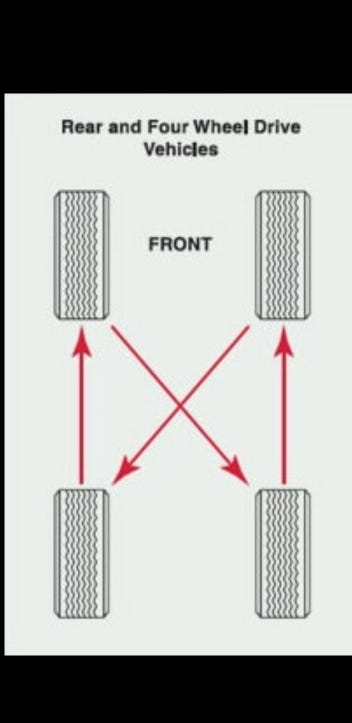
The cross pattern moves tires diagonally. Front tires switch sides and go to the rear. Rear tires move forward on the same side.
This pattern helps balance tire wear and improves traction on front wheel drive cars.
- Front left tire moves to rear right
- Front right tire moves to rear left
- Rear left tire moves to front left
- Rear right tire moves to front right
Post-rotation Checks
After rotating the tires on your front wheel drive car, it is important to perform some checks. These checks ensure your car is safe and runs smoothly.
Doing these checks helps catch any problems early. This keeps your tires in good shape and improves driving comfort.
Check Lug Nut Tightness
Make sure all lug nuts are tightened to the correct torque. Loose lug nuts can cause wheel wobble or even fall off.
Use a torque wrench to tighten lug nuts in a star pattern. This ensures even pressure on the wheel.
- Check the vehicle manual for the correct torque value
- Tighten lug nuts in a criss-cross or star pattern
- Recheck lug nuts after driving 50-100 miles
Inspect Tire Pressure
Check the pressure of each tire after rotation. Correct tire pressure improves fuel efficiency and tire life.
Use a tire pressure gauge to measure the air in each tire. Inflate or deflate tires as needed.
- Find recommended pressure on the driver’s door frame
- Check pressure when tires are cold
- Adjust pressure to match vehicle specifications
Test Drive For Stability
Take a short test drive after rotating tires. Listen for unusual noises or vibrations.
Feel if the car pulls to one side or if the steering feels loose. These signs may mean the rotation was not done correctly.
- Drive at different speeds to check stability
- Check steering response and braking feel
- Stop and inspect tires again if you notice problems
How Often To Rotate Tires
Rotating tires helps your car drive smoothly. It also makes your tires last longer. Knowing how often to rotate tires is important for safety and performance.
This guide covers two key points: manufacturer recommendations and how driving conditions affect tire rotation schedules.
Manufacturer Recommendations
Car makers give specific advice on tire rotation. Usually, they suggest rotating every 5,000 to 8,000 miles. Following this helps keep even tire wear.
- Check your vehicle’s owner manual for exact intervals.
- Use the recommended rotation pattern for front wheel drive cars.
- Rotate tires more often if you notice uneven wear.
- Keep track of mileage to remember rotation dates.
Driving Conditions Impact
Where and how you drive changes tire wear. Harsh roads or heavy loads make tires wear faster. In these cases, rotate tires more often than the manual says.
| Driving Condition | Rotation Frequency |
| Normal city and highway driving | Every 6,000 to 8,000 miles |
| Heavy traffic or short trips | Every 5,000 miles |
| Rough or unpaved roads | Every 3,000 to 5,000 miles |
| Heavy loads or towing | Every 3,000 to 5,000 miles |

Credit: www.bfgoodrichtires.com
Common Mistakes To Avoid
Rotating tires on a front wheel drive car helps keep them wearing evenly. Many drivers make simple errors that reduce tire life and safety. Avoid these common mistakes to get the best results.
Paying attention to rotation intervals, lug nut tightening, and tire wear can save money and improve handling. Learn what to watch out for below.
Skipping Rotation Intervals
Many drivers delay or skip tire rotations. This causes uneven wear and reduces tire life. Follow the car maker’s recommended schedule, usually every 5,000 to 7,500 miles. Missing rotations leads to more frequent tire replacements.
- Check your owner’s manual for rotation timing.
- Set reminders to rotate tires on time.
- Rotate tires more often if you drive on rough roads.
- Don’t wait until tires show uneven wear.
Improper Lug Nut Tightening
Failing to tighten lug nuts correctly can cause serious problems. Too loose, and the wheel may come off. Too tight, and you can damage the wheel or studs. Use a torque wrench to tighten lug nuts to the manufacturer’s specified torque.
| Common Lug Nut Tightening Errors | What Can Happen |
| Not tightening enough | Wheel may loosen or fall off |
| Over-tightening | Damaged studs or warped brake rotors |
| Uneven tightening | Wheel vibration or brake issues |
Ignoring Tire Wear Patterns
Not checking tire wear patterns can hide bigger problems. Uneven wear might mean bad alignment or suspension issues. Look at the tires regularly and spot signs like:
- More wear on one edge of the tire
- Center wear or edge wear differences
- Feathered or scalloped tread
Fix problems early to avoid costly repairs and keep tires lasting longer.
Frequently Asked Questions
How Often Should I Rotate My Tires?
For front-wheel drive cars, rotate tires every 5,000 to 7,500 miles. This ensures even tread wear, enhances performance, and prolongs tire life. Regular rotations prevent uneven wear patterns and promote safety. Always consult your vehicle’s manual for specific recommendations.
What Is The Correct Tire Rotation Pattern?
For front-wheel drive cars, use the forward cross pattern. Move front tires straight to the back. Cross rear tires to the front. This pattern ensures even wear and maintains handling and traction. Always check your vehicle manual for specific guidelines.
Can I Rotate Tires Myself At Home?
Yes, you can rotate tires at home with basic tools. Ensure you have a jack, lug wrench, and safety stands. Follow the correct rotation pattern for front-wheel drive vehicles. Always ensure your car is securely lifted before removing tires.
Why Is Tire Rotation Important?
Tire rotation promotes even wear and extends tire life. It enhances vehicle performance and ensures safe handling. Regular rotations help maintain traction and balance. They prevent premature tire replacement, saving money. Always follow your vehicle’s recommended rotation schedule.
Conclusion
Rotating tires on a front wheel drive car helps your tires last longer. It keeps your ride smooth and safe. Regular rotation prevents uneven tire wear and improves fuel efficiency. Use the right pattern and tools for best results. Check tire pressure each time you rotate.
Remember to follow your car’s manual for specific advice. Simple steps like these save money and avoid problems on the road. Tire care is easy if done often and correctly. Your car will thank you with better performance.