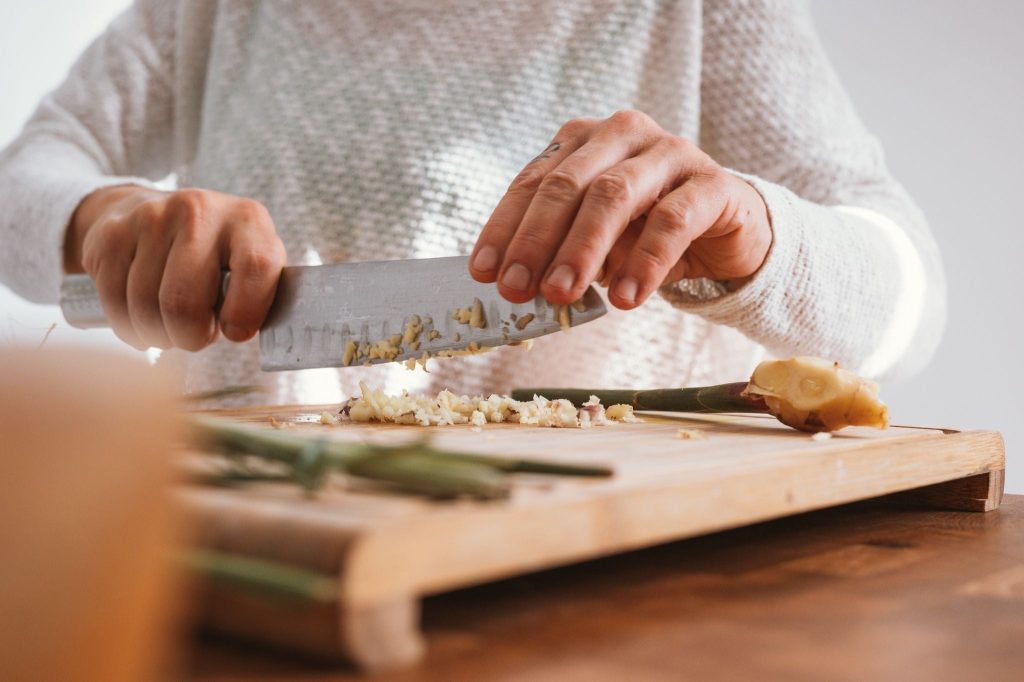
Your cutting board is one of the most used tools in your kitchen, but are you sure it’s really clean? Bacteria and germs can hide in tiny scratches and grooves, putting your health at risk every time you prepare food.
Knowing how to properly sanitize your cutting board is key to keeping your meals safe and your kitchen fresh. You’ll discover simple, effective ways to make sure your cutting board is truly clean—so you can cook with confidence every time.
Keep reading to learn the easy steps that protect you and your family from harmful bacteria.
Credit: www.lysol.com
Choosing The Right Cutting Board
Choosing the right cutting board is important for food safety. A good board helps keep your kitchen clean.
Different materials need different care to stay safe and last longer.
Wood Vs Plastic
Wood and plastic are the most common cutting board materials. Each has benefits and drawbacks.
Wood boards are gentle on knives. Plastic boards are lightweight and easy to clean.
- Wood boards absorb water but can heal small cuts.
- Plastic boards do not absorb water but can get deep cuts.
- Plastic boards can go in the dishwasher; wood boards cannot.
- Wood boards may last longer with proper care.
Pros And Cons
Both wood and plastic boards have pros and cons. Choose based on your needs.
| Material | Pros | Cons |
|---|---|---|
| Wood | Durable, knife-friendly, natural antibacterial properties | Needs hand washing, can crack or warp, heavier |
| Plastic | Dishwasher safe, lightweight, affordable | Can stain, deep cuts hold bacteria, less durable |
Maintenance Tips
Proper care keeps your cutting board safe and lasting longer. Clean and dry it after use.
- Wash plastic boards with hot soapy water or in dishwasher.
- Hand wash wood boards with mild soap and warm water.
- Dry wood boards upright to prevent warping.
- Oil wood boards regularly with food-safe mineral oil.
- Replace plastic boards if deep cuts appear.
- Sanitize boards with vinegar or diluted bleach if needed.
Cleaning Before Sanitizing
Cleaning a cutting board before sanitizing is very important. It removes dirt and food bits that can hide germs.
Good cleaning helps the sanitizer work better. This keeps your cutting board safe for food use.
Removing Food Residue
Start by scraping off leftover food on the cutting board. Use a spatula or brush to do this well.
Make sure no pieces are left behind. Food bits can cause bacteria to grow and spread.
Using Soap And Water
Wash the cutting board with warm water and soap. Use a sponge or scrub brush to clean all sides.
Soap helps remove oils and germs that stick to the surface. Rinse the board well after washing.
- Use warm water for better cleaning
- Scrub all areas, including edges
- Rinse thoroughly to remove soap
Drying Properly
Dry the cutting board completely before sanitizing. Use a clean towel or air dry in a rack.
Moisture can help germs grow. Drying stops this and keeps your board safe.
Effective Sanitizing Methods
Cutting boards can carry bacteria if not cleaned properly. Sanitizing them kills germs and keeps food safe.
Here are some easy ways to sanitize your cutting board effectively after use.
Bleach Solution
Bleach is a strong sanitizer that kills most bacteria on cutting boards. Use a mild bleach solution to avoid damage.
Mix one tablespoon of bleach with one gallon of water. Soak the board in this solution for a few minutes.
- Rinse the board well with clean water after soaking.
- Let it air dry completely before use.
- Use this method only occasionally to protect the board’s surface.
Vinegar And Hydrogen Peroxide
Vinegar and hydrogen peroxide are natural cleaners that kill germs safely. Use them one after the other.
Spray vinegar on the board, then follow with hydrogen peroxide. Let it sit for a few minutes before rinsing.
- Do not mix vinegar and hydrogen peroxide in the same container.
- Use separate sprays for each and apply one after the other.
- This method is good for regular cleaning and sanitizing.
Boiling Water
Boiling water kills many bacteria and is a simple way to sanitize plastic cutting boards. It is not safe for wooden boards.
Pour boiling water over the cutting board or soak it carefully. Let the heat work for several minutes.
- Use heat-resistant gloves to avoid burns.
- Dry the board completely after treatment.
- Do not use this method for wood, which can warp or crack.
Dishwasher Use
Many plastic cutting boards are safe in the dishwasher. The high heat and detergent clean and sanitize well.
Place the cutting board on the top rack if possible. Use a hot water cycle for best results.
- Check if your cutting board is dishwasher safe before use.
- Wooden boards should not go in the dishwasher.
- Dishwasher use is easy and good for regular cleaning.
Credit: www.thekitchn.com
Preventing Cross-contamination
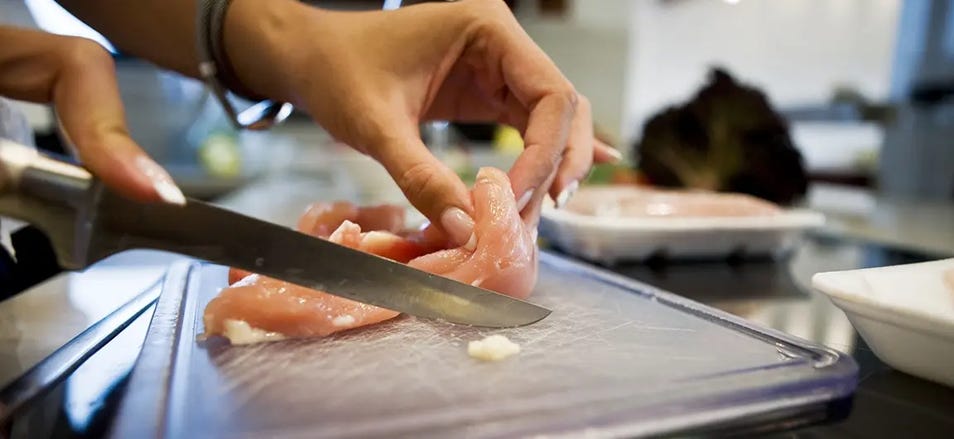
Cross-contamination happens when bacteria spread from one food to another. It can cause foodborne illnesses. Cleaning cutting boards well helps stop this.
Using different boards for different foods and color coding them are simple ways to keep foods safe. These methods reduce the risk of mixing raw and cooked food germs.
Separate Boards For Different Foods
Use different cutting boards for raw meat, vegetables, and cooked foods. This prevents germs from raw meat spreading to other foods.
- Keep one board for raw meats like chicken or beef.
- Use a separate board for fruits and vegetables.
- Have a different board for cooked or ready-to-eat foods.
- Clean and sanitize boards after each use.
Color Coding Systems
Color coding cutting boards helps everyone in the kitchen know which board to use. This lowers mistakes and keeps food safe.
| Color | Food Type |
| Red | Raw Meat |
| Green | Vegetables and Fruits |
| Blue | Raw Fish and Seafood |
| Yellow | Cooked Meat |
| White | Bread and Dairy |
Signs To Replace Your Cutting Board
Cutting boards wear out over time. Using a damaged board can spread germs.
Look for signs that your cutting board needs to be replaced. This helps keep your kitchen safe.
Deep Grooves And Cracks
Deep grooves and cracks trap food particles and bacteria. Cleaning these areas is very hard.
When grooves become too deep, germs can grow inside. This makes your cutting board unsafe.
- Check for cuts that go deep into the board
- Replace if cracks do not clean easily
- Wood boards are more prone to deep grooves
Persistent Odors
Strong smells that stay after washing show bacteria buildup. These odors mean your board is dirty inside.
If smells do not go away, it is time to get a new cutting board. Odors can affect the taste of your food.
- Smell your board after washing
- Replace if odors remain strong
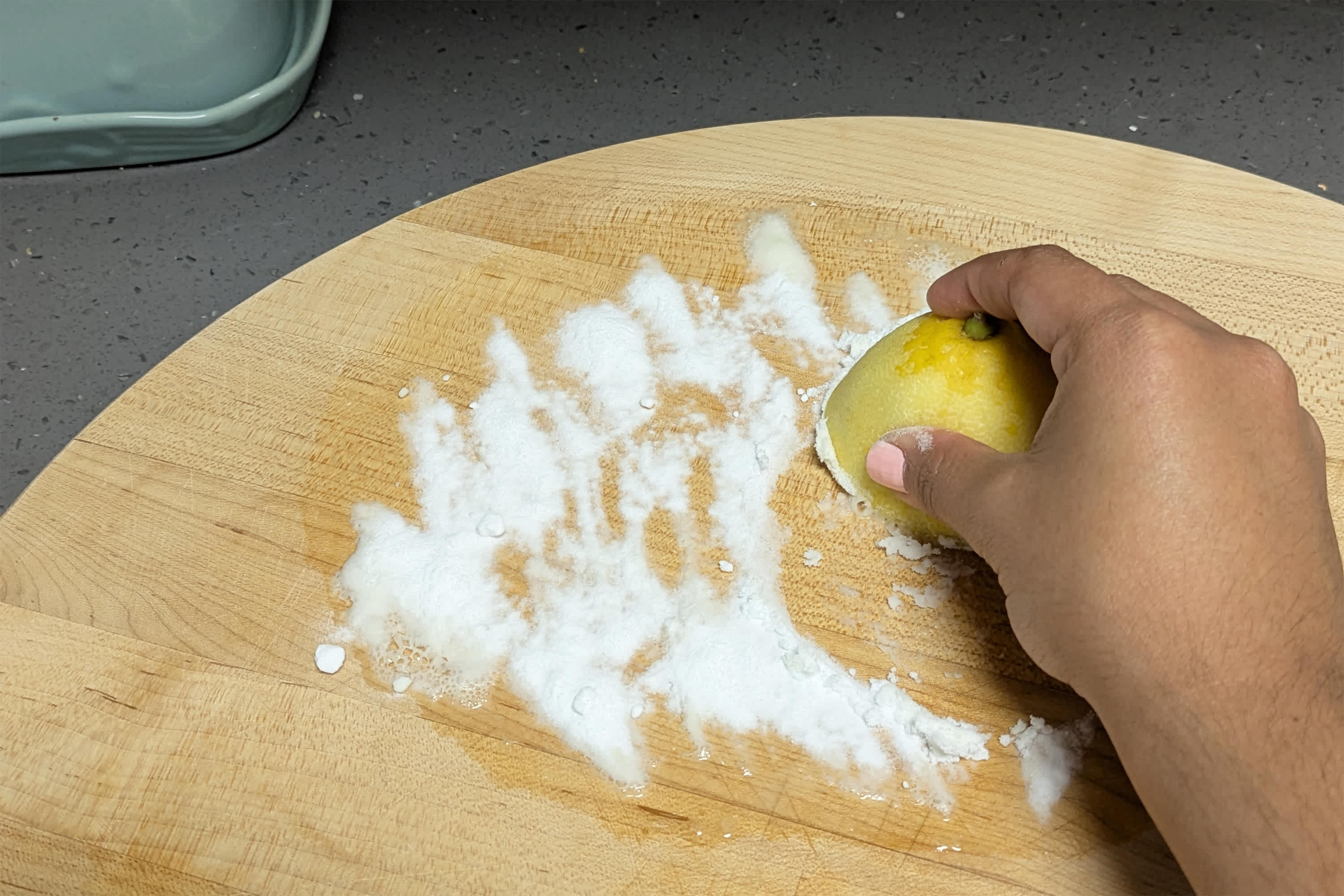
- Use vinegar or lemon to test odor removal
Warping And Damage
Warped cutting boards do not stay flat. This makes cutting dangerous and uneven.
Cracks or breaks can cause pieces to fall into food. Replace boards with any serious damage.
- Look for bending or warping
- Replace if board is cracked or broken
- Damaged boards can hide bacteria
Credit: www.thekitchn.com
Frequently Asked Questions
How Often Should I Sanitize My Cutting Board?
Sanitize your cutting board after each use, especially when handling raw meat. This prevents bacteria buildup. Regular cleaning with hot, soapy water and thorough drying is essential. For wooden boards, avoid soaking to prevent warping. Consider using separate boards for different food types to minimize cross-contamination.
Can I Use Vinegar To Sanitize My Cutting Board?
Yes, vinegar is effective for sanitizing cutting boards. Spray undiluted white vinegar on the board. Let it sit for a few minutes before rinsing with water. Vinegar is a natural disinfectant and helps remove odors. Regular use can maintain your cutting board’s cleanliness and freshness.
Is Bleach Safe For Cutting Board Sanitation?
Yes, bleach is safe for cutting board sanitation when used properly. Dilute one tablespoon of bleach in one gallon of water. Soak the board for a few minutes, then rinse thoroughly with water. Ensure complete drying to prevent moisture retention, which can lead to bacteria growth.
How Do I Sanitize A Wooden Cutting Board?
To sanitize a wooden cutting board, use a mixture of vinegar and water. Spray the solution on the board and let it sit for a few minutes. Rinse with water and dry immediately. Avoid soaking wooden boards to prevent warping.
Regular oiling can also protect and maintain the board’s surface.
Conclusion
Sanitizing your cutting board keeps your kitchen safe and clean. Use simple steps like washing with hot soapy water and applying a disinfectant. Dry the board completely to stop germs from growing. Regular cleaning helps prevent foodborne illnesses. Clean boards also last longer and look better.
Small habits make a big difference in food safety. Keep your cutting board fresh and ready for every meal. Safe cooking starts with a clean board. Easy, quick, and effective.