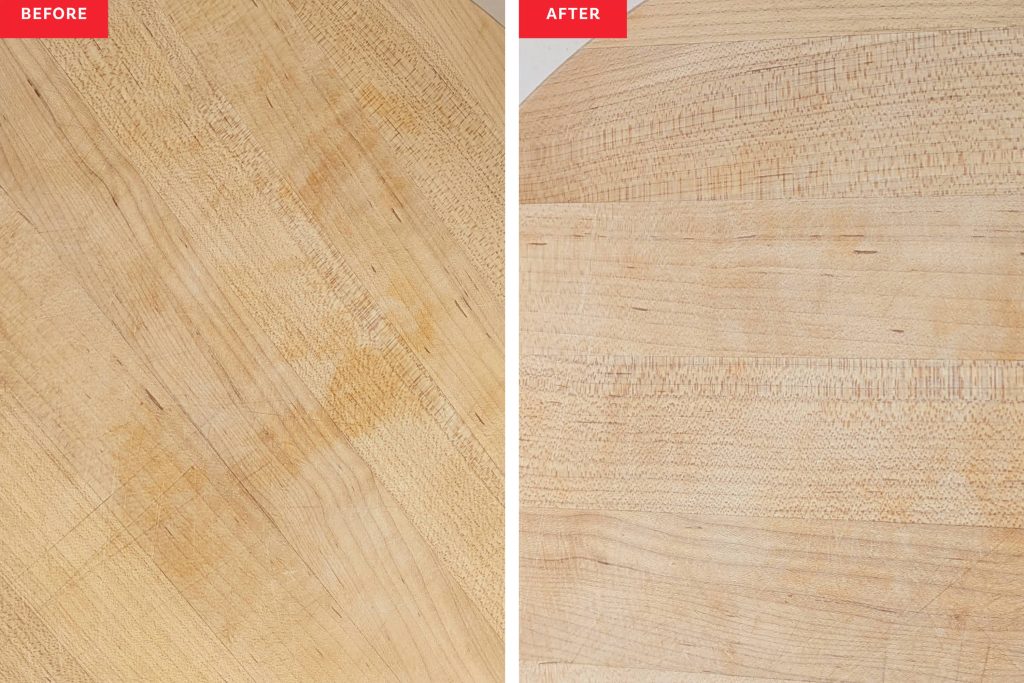
Your wood cutting board is a kitchen essential, but do you know how to keep it truly clean and safe? Simply washing it with soap isn’t enough to remove harmful bacteria that can hide in the wood’s grooves.
If you want to protect your family and keep your board looking fresh for years, learning the right way to sanitize it is a must. You’ll discover easy, effective methods that anyone can follow. Stick with me, and you’ll never worry about germs on your cutting board again.
Choosing The Right Wood Board
Picking the right wood for your cutting board helps keep food safe. Some woods hold bacteria less than others.
A good wood board lasts longer and is easier to clean. Choose wood that resists cuts and stains.
Types Of Wood Suitable For Cutting Boards
Hardwoods work best for cutting boards. They are strong and close-grained. This stops bacteria from hiding.
- Maple: Very hard and durable, common choice
- Walnut: Dark wood, gentle on knives
- Cherry: Smooth surface, ages well
- Beech: Dense wood, resists moisture
- Teak: Natural oils help prevent water damage
Avoid softwoods like pine. They dent easily and absorb water. This can cause bacteria growth.
Signs Your Board Needs Replacement
Check your board often for deep cuts or cracks. These spots trap bacteria and are hard to clean.
If your board smells bad or warps, it is time to replace it. A clean, flat surface works best for food safety.
- Deep grooves that cannot be sanded out
- Cracks or splits in the wood
- Persistent bad odors after cleaning
- Warping or bending of the board
- Discoloration or mold spots
Daily Cleaning Techniques
Keeping your wood cutting board clean every day helps stop germs. You can keep it safe by washing and drying it right.
Use simple steps with soap, water, and good drying habits. This keeps your board in good shape for a long time.
Washing With Soap And Water
Wash your wood cutting board with warm water and mild soap after each use. Avoid soaking it because water can damage the wood.
- Use a soft sponge or cloth to scrub the surface gently.
- Rinse the board well to remove all soap.
- Clean both sides of the board to keep it balanced and dry evenly.
- Remove food particles quickly to prevent stains and smells.
Drying Tips To Prevent Damage
Dry your cutting board right after washing to stop warping and cracks. Proper drying keeps the wood strong and safe.
| Drying Method | How to Do It | Benefits |
|---|---|---|
| Air Dry | Stand the board upright on a rack or against a wall | Allows full air flow to both sides |
| Towel Dry | Use a clean towel to wipe the surface and edges | Removes extra moisture quickly |
| Avoid Direct Heat | Do not place near heaters or in direct sunlight | Prevents wood from cracking and warping |
Deep Sanitizing Methods
Sanitizing wood cutting boards removes germs that can cause illness. Deep cleaning keeps your board safe and clean for food use.
Using natural and simple products helps keep the wood in good shape. The following methods use common household items to sanitize your board deeply.
Using White Vinegar
White vinegar is a natural sanitizer. It kills many types of bacteria without harsh chemicals.
Pour white vinegar directly onto the wood surface. Let it sit for a few minutes, then wipe it off with a clean cloth. This method helps remove germs from the board’s surface.
Applying Hydrogen Peroxide
Hydrogen peroxide is a safe disinfectant for wood boards. It breaks down bacteria and viruses effectively.
- Pour 3% hydrogen peroxide over the cutting board surface.
- Spread it evenly using a clean cloth or spray bottle.
- Let it sit for 5 minutes to kill bacteria.
- Rinse the board with warm water and dry it thoroughly.
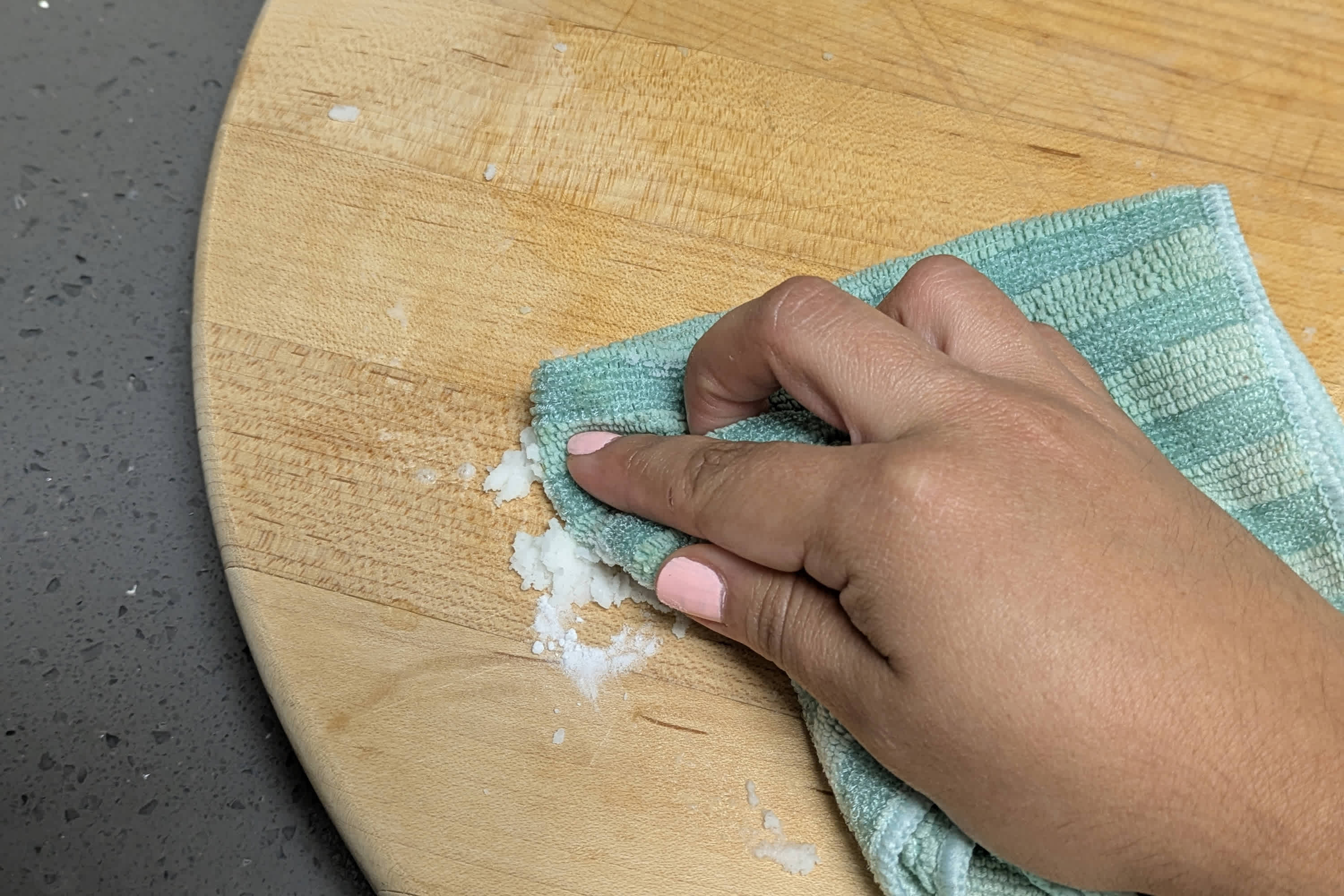
Salt And Lemon Scrub
This method uses salt and lemon to scrub and sanitize the wood. The salt acts as an abrasive, and lemon juice kills bacteria.
| Ingredient | Purpose | How to Use |
|---|---|---|
| Coarse Salt | Scrubs away food particles and stains | Sprinkle over the board surface |
| Lemon Juice | Natural disinfectant and deodorizer | Rub lemon half on the salted board |
| Warm Water | Rinses off salt and lemon residue | Use to wash the board after scrubbing |
After scrubbing, rinse the board with warm water. Dry it well before storing. This deep cleaning keeps your board fresh and safe.

Credit: www.youtube.com
Avoiding Harmful Chemicals
Sanitizing a wood cutting board is important to keep it safe for food use. Some cleaners can harm the wood and your health.
This guide explains why bleach is not a good choice and suggests safer ways to clean your board.
Why Bleach Is Not Recommended
Bleach is a strong chemical that can damage wood fibers. It may make the board dry and crack over time.
Bleach can also leave harmful residues that might mix with your food. This can cause health problems if ingested.
- Bleach weakens the wood and shortens the board’s life.
- It can leave toxic traces that are hard to rinse away.
- Bleach fumes may irritate your skin and lungs.
- It kills good bacteria that help keep the board safe naturally.
Safe Alternatives For Sanitizing
Use natural and gentle methods to clean your wood cutting board. These keep the wood strong and safe.
| Sanitizing Method | How to Use | Benefits |
| Vinegar | Spray or wipe with white vinegar, then rinse. | Kills many bacteria without harsh chemicals. |
| Lemon and Salt | Rub the board with lemon halves and coarse salt, then rinse. | Natural scrub and fresh scent, removes stains. |
| Hydrogen Peroxide | Apply 3% solution, let sit for a few minutes, rinse well. | Effective sanitizer, breaks down into water and oxygen. |
| Hot Water and Soap | Wash with hot soapy water, then dry completely. | Simple and safe daily cleaning method. |
Maintaining Your Board’s Longevity
Keeping your wood cutting board in good shape helps it last longer. Proper care stops cracks and warping.
Simple steps like oiling and storing the board right keep it safe and clean over time.
Oiling And Conditioning
Apply food-safe mineral oil to your board regularly. This stops the wood from drying out and cracking.
- Clean the board and dry it completely before oiling.
- Use a soft cloth to rub oil into the wood surface.
- Let the oil soak in for several hours or overnight.
- Wipe off any extra oil with a clean cloth.
- Repeat this process once a month or after heavy use.
Conditioning with beeswax can add extra protection. Mix beeswax with mineral oil and apply like oil.
Storing Your Board Properly
Store your wood board in a dry place. Avoid areas with high heat or moisture.
| Storage Tip | Reason |
|---|---|
| Store upright or on a rack | Allows air to circulate and prevents moisture buildup |
| Avoid stacking heavy items on board | Prevents warping and dents |
| Keep away from direct sunlight | Stops the wood from drying and cracking |
| Do not store near heat sources | Prevents damage from rapid temperature changes |
Credit: www.thekitchn.com
Preventing Cross-contamination
Sanitizing wood cutting boards is key to stop bacteria from spreading. Cross-contamination can cause foodborne illness.
Cleaning and caring for your cutting board helps keep your food safe and healthy.
Using Separate Boards For Different Foods
Use different boards for raw meat, vegetables, and cooked foods. This stops germs from moving between foods.
Label or color-code your boards to know which one is for each type of food. This makes it easy to keep them separate.
- One board for raw meat and poultry
- One board for fruits and vegetables
- One board for cooked foods or bread
Regular Inspection And Care
Check your wood board often for deep cuts or cracks. Bacteria can hide in these areas and cause problems.
Sand rough spots and oil your board to keep it smooth and safe. Clean the board well after each use with hot water and soap.
- Look for cracks or deep cuts regularly
- Sand the board if it feels rough
- Apply food-safe mineral oil to prevent drying
- Wash with hot, soapy water after every use
Credit: www.lemonslavenderandlaundry.com
Frequently Asked Questions
How Often Should I Sanitize My Wood Cutting Board?
Sanitize your wood cutting board after each use to prevent bacterial growth. Frequent cleaning helps maintain its longevity. It’s crucial to clean it especially after cutting raw meat or poultry. This practice ensures your board remains hygienic and safe for food preparation.
Can Vinegar Be Used To Sanitize Wood Boards?
Yes, vinegar is effective for sanitizing wood cutting boards. Its acetic acid content helps kill bacteria. Simply wipe the board with undiluted white vinegar. Let it sit for a few minutes before rinsing. This natural method is both safe and eco-friendly.
What Is The Best Sanitizer For Wood Cutting Boards?
Hydrogen peroxide is an excellent sanitizer for wood cutting boards. Use a 3% solution to disinfect effectively. Pour it over the board, spread evenly, and let it sit for a few minutes. Rinse thoroughly with water to ensure no residue remains.
Does Lemon Juice Sanitize Wood Cutting Boards?
Lemon juice can help sanitize wood cutting boards naturally. Its acidity combats bacteria and leaves a fresh scent. Simply rub a half lemon over the surface and let it sit for a few minutes. Rinse with warm water for a clean and fragrant board.
Conclusion
Sanitizing your wood cutting board keeps it safe and clean. Regular cleaning stops bacteria from spreading. Use simple methods like soap, water, and vinegar. Dry the board well after washing to avoid damage. Taking care of your board helps it last longer.
A clean cutting board makes cooking healthier and safer. Small efforts lead to big benefits in your kitchen. Keep your board fresh with easy, quick steps every time.