Your cutting board is a kitchen essential you use every day, but are you sure it’s truly clean? Hidden germs and bacteria can linger on your board, putting your health at risk.
Knowing how to properly sanitize your cutting boards can protect you and your family from foodborne illnesses. You’ll discover simple, effective ways to keep your cutting boards spotless and safe. Keep reading to learn the easy steps that will make a big difference in your kitchen hygiene.
Choosing The Right Cutting Board
Choosing the right cutting board helps keep food safe and clean. It also makes cleaning easier after use.
Different materials offer different benefits. Knowing these can help you pick the best board for your kitchen.
Wood Vs Plastic Boards
Wood boards are gentle on knives and can last a long time. They often absorb less moisture, which helps stop bacteria growth.
Plastic boards are easy to clean and dishwasher safe. They come in many colors, which can help avoid cross-contamination.
- Wood boards need hand washing and drying.
- Plastic boards can go in the dishwasher.
- Wood may show knife marks less than plastic.
- Plastic boards can wear out faster with deep cuts.
Benefits Of Bamboo And Composite Materials
Bamboo boards are eco-friendly and harder than many woods. They resist moisture and bacteria well.
Composite boards mix wood fibers with resin. They are strong, knife-friendly, and easy to clean.
| Material | Durability | Maintenance | Hygiene |
| Bamboo | High | Hand wash | Good |
| Composite | High | Dishwasher safe | Very good |
| Wood | Medium | Hand wash | Good |
| Plastic | Low to medium | Dishwasher safe | Good |
Daily Cleaning Techniques
Keeping your cutting boards clean is important to prevent germs. Daily cleaning helps stop bacteria from spreading.
Use simple and safe ways to clean your boards after each use. This keeps your kitchen healthy.
Washing With Soap And Water
Wash your cutting board with warm water and soap right after use. This removes food bits and dirt.
Scrub the surface with a sponge or brush. Rinse well and dry it with a clean towel.
- Use hot water to help kill germs
- Scrub all sides of the board
- Dry completely to avoid moisture
- Clean sponges often to stay hygienic
Using Vinegar For Quick Disinfection
White vinegar is a natural way to disinfect cutting boards. It kills many bacteria and is safe to use.
Spray or wipe vinegar on the board after washing. Let it sit for a few minutes, then rinse with water.
- Use pure white vinegar for best results
- Do not mix vinegar with bleach or other cleaners
- Vinegar works well on plastic and wood boards
- Repeat this step daily for extra cleanliness
Deep Sanitizing Methods
Cutting boards can hold bacteria even after washing. Deep sanitizing is key to keep them safe. This guide covers strong methods to clean your boards thoroughly.
These methods kill germs that regular cleaning may miss. Use them regularly to protect your health and food.
Bleach Solution Soak
Bleach is a powerful sanitizer for cutting boards. Mix one tablespoon of bleach with one gallon of water. Soak the board for a few minutes to kill bacteria.
- Prepare the bleach solution in a large container.
- Fully submerge the cutting board in the solution.
- Let it soak for 2 to 3 minutes.
- Remove and rinse well with clean water.
- Air dry the board completely before use.
Hydrogen Peroxide Treatment
Hydrogen peroxide is a safe way to sanitize wood and plastic boards. It breaks down germs and leaves no harmful residue.
| Step | Action |
|---|---|
| 1 | Spray 3% hydrogen peroxide on the board surface. |
| 2 | Let it sit for 10 minutes to kill bacteria. |
| 3 | Wipe with a clean cloth or rinse with water. |
| 4 | Dry the board fully before storing. |
Using Steam And Heat
Steam and heat kill germs by raising the temperature. This method works well for plastic boards and some wood types.
Here is a simple checklist for steam and heat sanitizing:
- Use a steam cleaner or boiling water.
- Apply steam evenly over the entire board surface.
- Keep the board exposed to steam for at least 5 minutes.
- Allow the board to dry completely in a warm place.
- Do not use this method on delicate or cracked wood.
Removing Stains And Odors
Cutting boards often hold stains and smells from food. Cleaning them well keeps your kitchen safe and fresh. Simple home ingredients can help remove these marks and odors.
Use natural scrubs to clean your cutting board without harsh chemicals. Below are easy methods using baking soda, lemon, and salt.
Baking Soda Scrub
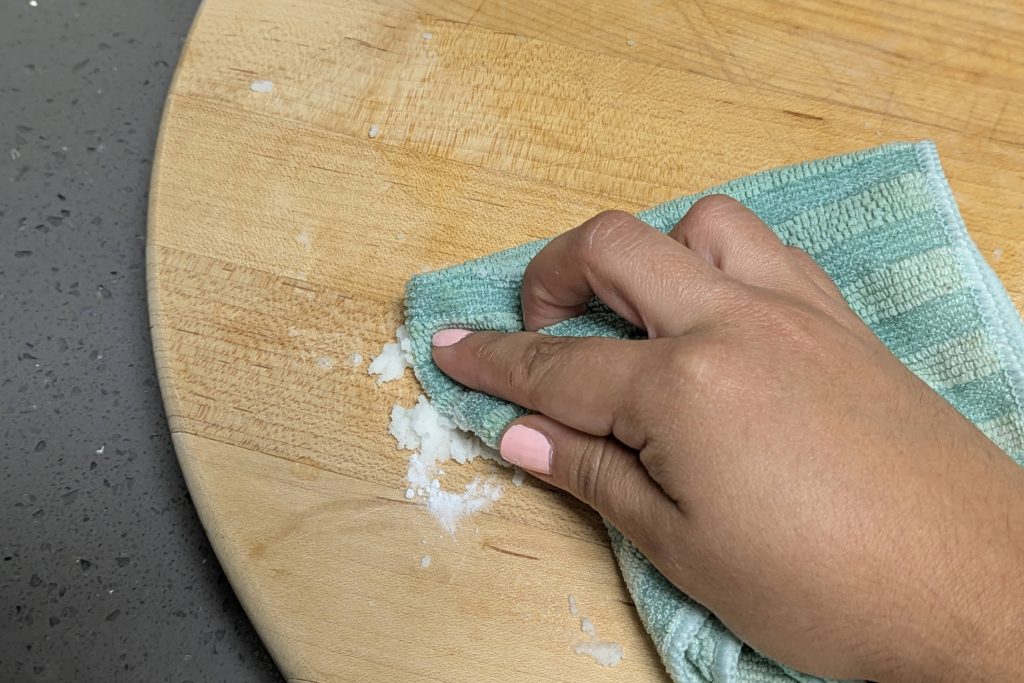
Baking soda acts as a gentle abrasive to lift stains. It also helps neutralize bad smells on wooden or plastic boards.
- Sprinkle baking soda over the cutting board surface.
- Add a small amount of water to make a paste.
- Use a sponge or brush to scrub the board well.
- Let it sit for 5 minutes to absorb odors.
- Rinse the board with warm water and dry.
Lemon And Salt Rub
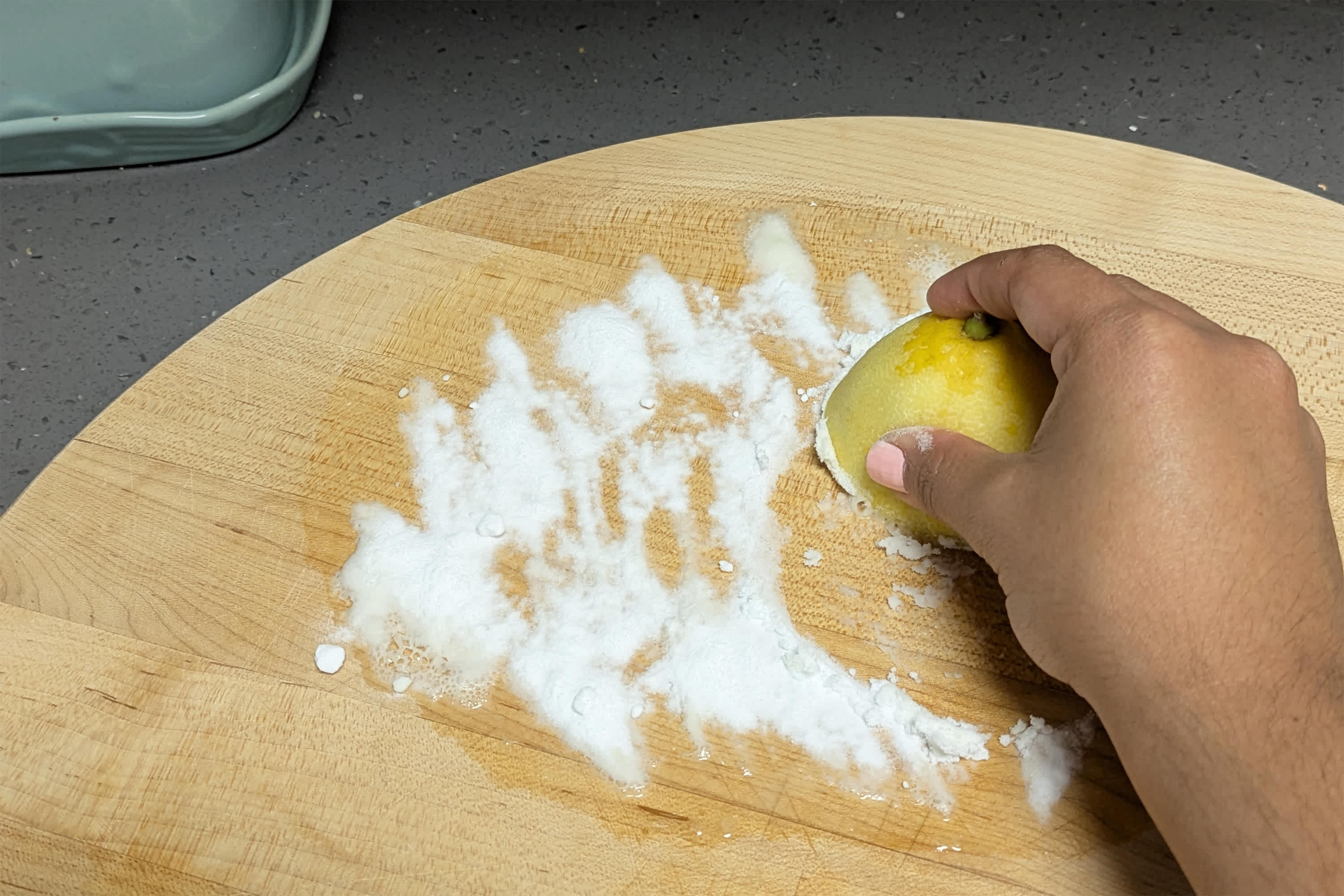
Lemon’s acidity breaks down stains and kills bacteria. Salt works as a scrub to remove food particles and rough stains.
| Ingredient | Purpose |
| Lemon | Removes stains and odors |
| Coarse Salt | Acts as natural scrub |
To clean, cut a lemon in half and dip it in coarse salt. Rub the salted lemon over the board’s surface. Let it sit for a few minutes, then rinse with warm water. Dry the board thoroughly.
Preventing Cross-contamination
Cross-contamination happens when harmful bacteria spread from one food to another. It can cause food poisoning and sickness. Cleaning and sanitizing cutting boards is very important to stop this problem.
Using safe practices with cutting boards helps keep your kitchen clean. It protects your family and friends from dangerous germs.
Color-coded Cutting Boards
Color-coded cutting boards help you use the right board for each type of food. This way, you avoid mixing raw meat juices with vegetables or cooked foods.
Each color stands for a food group. This system makes it easy to remember which board to use and keeps foods safe.
- Red for raw meat
- Green for vegetables
- Blue for fish and seafood
- Yellow for cooked meat
Separate Boards For Meat And Vegetables
Always use different cutting boards for meat and vegetables. Raw meat can carry harmful bacteria that can spread to vegetables if boards are shared.
Wash and sanitize boards after each use. This stops germs from moving between foods and keeps your meals safe to eat.

Credit: www.lysol.com
Maintaining Cutting Board Longevity
Keeping your cutting board in good shape helps it last longer. Proper care stops damage and keeps it safe for food.
Sanitizing is important, but also follow steps to protect the board’s surface and structure.
Regular Oil Treatment
Oiling your cutting board keeps the wood hydrated. It stops drying and cracking.
- Use food-safe mineral oil or beeswax.
- Apply oil evenly with a soft cloth.
- Let the board absorb oil for a few hours or overnight.
- Wipe off excess oil before use.
- Repeat oiling every few weeks or when the board looks dry.
Avoiding Warping And Cracks
Warping and cracks happen if wood gets too wet or dries too fast. Handle your board carefully to avoid this damage.
| Cause | Effect | Prevention |
| Soaking in water | Wood swells and warps | Wash quickly and dry immediately |
| Leaving in direct sun | Wood dries and cracks | Store in shade, avoid heat |
| Using harsh detergents | Surface damage and drying | Use mild soap and water only |
| Not oiling regularly | Wood becomes brittle | Apply oil monthly |
When To Replace Your Cutting Board
Cutting boards are important tools in the kitchen. They help prepare food safely. Over time, boards wear out and can become unsafe. It is important to know when to replace them.
Replacing a cutting board at the right time helps prevent food contamination. It also keeps your kitchen clean and healthy. Watch for signs that your board is no longer safe to use.
Signs Of Wear And Damage
Cutting boards can get scratches, cracks, and deep grooves. These damages can trap bacteria and dirt. If your board has many cuts or cracks, it is time to replace it.
Also, if the board is warped or has a bad smell that does not go away, it is unsafe. Warping makes the board unstable and can cause accidents.
- Deep grooves or cracks
- Warped or bent shape
- Persistent bad odors
- Discoloration or stains that won’t clean
Health Risks Of Old Boards
Old cutting boards can harbor harmful bacteria like salmonella and E. coli. These germs can cause food poisoning. Using a damaged board increases the risk of cross-contamination.
Bacteria hide in cuts and cracks and survive cleaning. This can lead to illness. To keep your family safe, replace cutting boards that show signs of wear.
- Bacteria grow in grooves and cracks
- Cleaning may not remove all germs
- Cross-contamination spreads bacteria
- Foodborne illness risk increases
Credit: www.thekitchn.com
:max_bytes(150000):strip_icc()/GettyImages-2195439933-114e75009db444fd816a82aeb8f7a5a8.jpg)
Credit: www.southernliving.com
Frequently Asked Questions
How Often Should I Sanitize Cutting Boards?
You should sanitize cutting boards after each use, especially when handling raw meat. This prevents cross-contamination and foodborne illnesses. Regular sanitization maintains hygiene and safety in the kitchen. Use a sanitizing solution or vinegar to effectively clean the surface. This ensures your cutting board remains safe for food preparation.
What Is The Best Method To Sanitize Cutting Boards?
The best method is using a bleach solution. Mix 1 tablespoon of bleach with 1 gallon of water. Apply the solution to the board, let it sit for a few minutes, and rinse thoroughly with water. This method effectively kills bacteria and ensures your cutting board is sanitized.
Can I Use Vinegar To Sanitize Cutting Boards?
Yes, vinegar is an effective natural sanitizer for cutting boards. Simply spray white vinegar onto the board’s surface and let it sit for a few minutes. Rinse with water afterward. Vinegar’s acidic properties help eliminate bacteria and odors, making it a safe and eco-friendly choice.
Is It Safe To Use Baking Soda For Sanitizing?
Baking soda is safe but primarily acts as a cleaner, not a sanitizer. It effectively removes stains and odors. To sanitize, combine baking soda with vinegar or a sanitizing solution. This mixture enhances cleaning and ensures bacteria are effectively reduced on your cutting board.
Conclusion
Sanitizing cutting boards keeps your kitchen safe and clean. Regular cleaning stops germs from spreading to your food. Use simple methods like soap, hot water, and vinegar. Let boards dry completely before using them again. Wooden and plastic boards need care but stay useful longer.
Clean boards help prevent food poisoning and illness. Small steps make a big difference in kitchen safety. Keep your cutting boards fresh for healthy cooking every day.