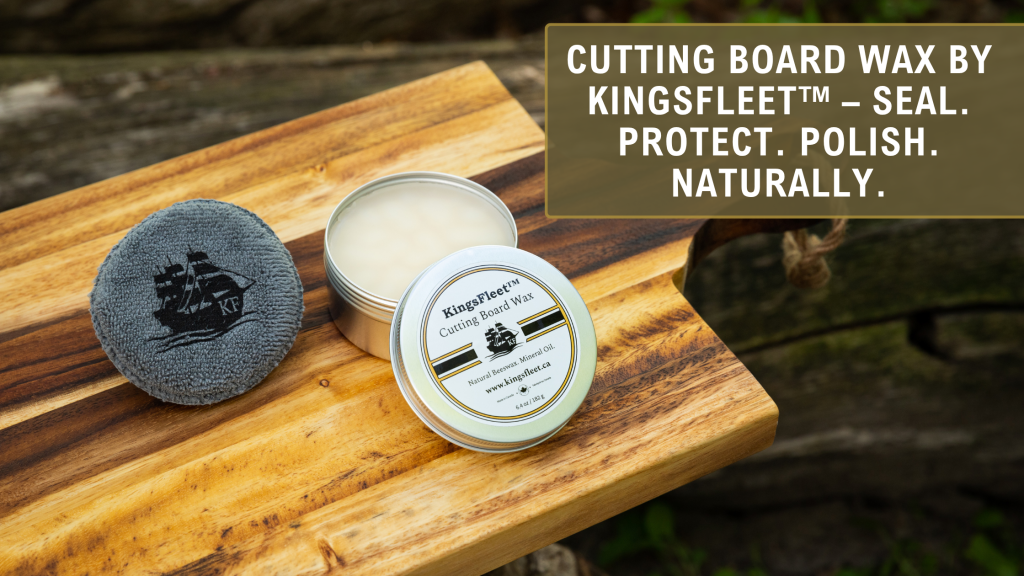
Your bamboo cutting board is more than just a kitchen tool—it’s an investment in your cooking experience. But to keep it looking fresh and lasting longer, you need to seal it properly.
If you’ve ever noticed your board cracking, staining, or absorbing unwanted odors, sealing is the simple step you might be missing. You’ll discover easy and effective ways to seal your bamboo cutting board at home. By the end, you’ll know exactly how to protect your board and keep it ready for every meal you create.
Let’s get started!

Credit: forest-decor.com
Benefits Of Sealing Bamboo Cutting Boards
Sealing a bamboo cutting board protects it from damage. It also helps keep the board clean and safe for food use.
Many people do not realize how sealing can extend the life of their bamboo boards. This simple step adds value to your kitchen tools.
Prevents Water Damage
Sealing blocks water from soaking into the bamboo. This stops the board from swelling, cracking, or warping over time.
Stops Stains And Odors
The sealant creates a barrier that stops food juices from soaking in. This helps keep stains and bad smells away.
Makes Cleaning Easier
A sealed surface is smooth and less likely to hold dirt. You can wipe it clean quickly without scrubbing hard.
- Prevents bacteria buildup
- Reduces risk of cross-contamination
- Allows faster drying after washing
Enhances Appearance

Credit: cheesegrotto.com
Choosing The Right Sealant
Sealing a bamboo cutting board protects it from water and stains. Picking the right sealant extends the board’s life and keeps it safe for food use.
This guide covers natural and synthetic sealant types. It also lists top sealants recommended for bamboo cutting boards.
Natural Vs Synthetic Options
Natural sealants come from plants and are food-safe. Synthetic sealants are man-made and often stronger but may contain chemicals.
- Natural sealants:Beeswax, mineral oil, and coconut oil.
- Synthetic sealants:Polyurethane, acrylics, and epoxy resins.
- Natural options are safe but may need frequent reapplication.
- Synthetic options last longer but must be food-safe to use.
Choosing depends on your priorities: food safety, durability, or ease of use.
Top Recommended Sealants
| Sealant | Type | Benefits | Drawbacks |
|---|---|---|---|
| Food-Grade Mineral Oil | Natural | Easy to apply, safe for food, affordable | Needs reapplication often |
| Beeswax Blend | Natural | Water-resistant, natural scent, safe | Can wear off with heavy use |
| Food-Safe Polyurethane | Synthetic | Very durable, water-resistant | Must be labeled food-safe |
| Epoxy Resin | Synthetic | Strong, seals completely | Complex application, check food safety |
Preparing The Cutting Board
Sealing a bamboo cutting board starts with proper preparation. Clean the surface well and smooth it by sanding. These steps help the sealant last longer and protect the board.
Follow the instructions carefully to keep your bamboo board safe and strong. Good preparation improves the final result and extends the board’s life.
Cleaning The Surface
Begin by removing any dirt or food residue from the bamboo board. Use warm water and mild soap. Avoid soaking the board to prevent damage.
- Use a soft sponge or cloth for cleaning
- Rinse with warm water, not hot
- Dry the board with a clean towel immediately
- Let the board air dry completely before sealing
Sanding For Smoothness
Sanding smooths the bamboo surface and removes any rough patches. This step helps the sealant stick better and makes the board safe for cutting.
| Sandpaper Grit | Purpose |
| 100 grit | Remove rough spots and scratches |
| 150 grit | Smooth the surface |
| 220 grit | Final polish for a smooth finish |
Step-by-step Sealing Process
Sealing a bamboo cutting board keeps it safe and long-lasting. It stops water and stains from damaging the wood. Follow these simple steps to seal your board properly.
This guide covers applying the sealant, making sure it spreads evenly, and the drying time needed for the best results.
Applying The Sealant
Start by cleaning your bamboo cutting board with warm water and soap. Dry it well before sealing. Use a food-safe mineral oil or a specialized bamboo sealant for best results.
Pour a small amount of sealant onto the board’s surface. Use a clean cloth or brush to spread it evenly across the entire board. Cover the top, sides, and bottom thoroughly.
Ensuring Even Coverage
It is important to apply sealant evenly to protect the bamboo properly. Here are some tips to ensure full coverage:
- Work in small sections to avoid missing spots.
- Use circular motions with your cloth or brush.
- Pay attention to edges and corners where water can seep in.
- Apply a second coat if the board looks dry after the first.
- Wipe off any extra sealant after 10 minutes to prevent stickiness.
Drying And Curing Time
After applying the sealant, the board needs time to dry and cure. This process makes the seal strong and water-resistant.
| Sealant Type | Drying Time | Curing Time |
|---|---|---|
| Mineral Oil | 2 hours | 24 hours |
| Bamboo Sealant | 4 hours | 48 hours |
| Beeswax Blend | 3 hours | 24-48 hours |
Keep the board in a dry place during drying. Avoid using or washing it until the sealant fully cures. This ensures long-lasting protection.
Maintaining Your Sealed Bamboo Board
Sealing your bamboo cutting board keeps it safe and strong. You need to care for it to last longer.
This guide shows how to clean and reseal your board to keep it in good shape.
Regular Cleaning Tips
Clean your bamboo board after every use. Use mild soap and warm water. Avoid soaking the board or using a dishwasher.
- Rinse the board with warm water.
- Apply gentle dish soap and scrub with a soft sponge.
- Rinse off all soap thoroughly.
- Dry the board with a clean towel immediately.
- Let it air dry standing up to prevent moisture buildup.
Reapplying Sealant Over Time
You need to reseal your board every few months. This keeps the wood protected from water and stains.
| Sealant Type | Reapplication Frequency |
| Food-grade mineral oil | Every 1-2 months |
| Beeswax-based conditioner | Every 3 months |
| Mixed oil and wax products | Every 2-3 months |
Apply the sealant with a clean cloth. Cover all surfaces evenly. Let it soak for a few hours or overnight. Wipe off any extra oil before use.
Common Mistakes To Avoid
Sealing a bamboo cutting board keeps it strong and clean. Many people make errors that harm the board. Avoiding these mistakes helps the board last longer.
This guide covers two common errors. Learn what to avoid when sealing your bamboo cutting board.
Using Incorrect Products
Choosing the wrong sealing product can damage your bamboo board. Some products do not soak in well or may leave harmful residues.
- Avoid using varnishes or paints meant for wood furniture.
- Do not use cooking oils like olive or vegetable oil; they can go rancid.
- Choose food-safe mineral oil or beeswax-based sealers.
- Stay away from products with strong chemicals or solvents.
Skipping Preparation Steps
Many skip cleaning and sanding before sealing. This causes poor adhesion and uneven protection.
| Preparation Step | Reason to Do It |
| Clean the board thoroughly | Removes dirt and oils for better seal |
| Sand the surface lightly | Smooths rough spots and opens bamboo pores |
| Dry the board completely | Prevents trapping moisture under the seal |
Benefits Of A Well-sealed Board
Sealing a bamboo cutting board protects it from damage. It helps keep the board strong and looking good for a long time.
A well-sealed board resists water, stains, and bacteria. This makes it safer and easier to clean after use.
Enhanced Durability
Sealing bamboo blocks moisture from entering the wood. This stops the board from cracking or warping over time.
- Prevents water damage
- Reduces cracking and splitting
- Protects against stains and odors
- Limits bacterial growth
Improved Aesthetic Appeal
A sealed bamboo board has a smooth, shiny surface that highlights the natural grain. It looks clean and fresh for daily kitchen use.
| Before Sealing | After Sealing |
| Dull and dry surface | Glossy and vibrant finish |
| Visible stains and scratches | Protected and less visible marks |
| Rough texture | Smoother to touch |

Credit: www.youtube.com
Frequently Asked Questions
How Often Should I Seal A Bamboo Cutting Board?
You should seal your bamboo cutting board every 1 to 3 months. Regular sealing prevents moisture damage and cracking. It keeps the board hygienic and extends its lifespan. Frequency depends on usage and washing habits.
What Is The Best Oil For Sealing Bamboo Boards?
Food-grade mineral oil is the best choice for sealing bamboo cutting boards. It is safe, odorless, and non-toxic. Mineral oil penetrates the bamboo, preventing drying and cracking. Avoid vegetable oils as they can go rancid.
Can I Use Beeswax To Seal Bamboo Cutting Boards?
Yes, beeswax mixed with mineral oil creates an effective sealant. This combo adds a protective layer and enhances water resistance. Apply a thin coat and buff it after drying. Beeswax also gives a smooth finish and pleasant smell.
Should I Clean The Board Before Sealing It?
Always clean and dry your bamboo cutting board before sealing. Remove dirt and food particles to ensure proper oil absorption. Use mild soap and warm water, then dry completely. Sealing a wet board traps moisture, causing damage.
Conclusion
Sealing your bamboo cutting board protects it from water damage. It also keeps the board looking fresh and clean. Use food-safe oils or sealants for best results. Apply the sealant evenly and let it dry well. Repeat the process regularly to maintain protection.
A well-sealed board lasts longer and stays safe for food. Enjoy cooking with a sturdy, well-cared cutting board. Simple care makes a big difference over time.