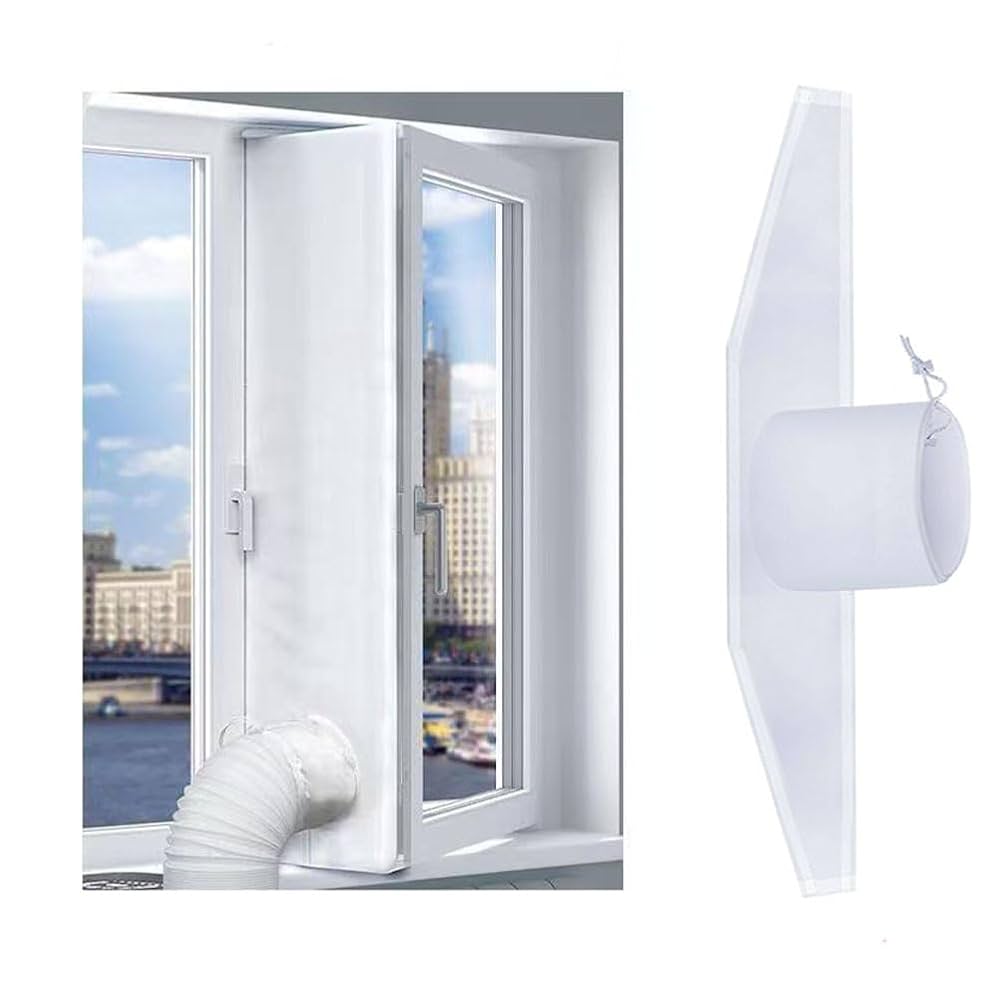
Is your window air conditioner letting in hot air or bugs? Sealing it properly can make a huge difference in your comfort and energy bills.
You might think it’s complicated, but sealing your air conditioner in the window is easier than you expect. You’ll discover simple, step-by-step tips to create a tight seal that keeps cool air inside and unwanted air out. Keep reading to learn how you can improve your AC’s efficiency and enjoy a cooler, more comfortable home.
Choose The Right Materials
Choosing the right materials helps seal your window air conditioner tightly. This stops air leaks and keeps your home cool.
Types of Sealantsinclude silicone caulk, weatherproof tape, and foam sealant. Silicone caulk is flexible and waterproof. Weatherproof tape sticks well to many surfaces. Foam sealant fills larger gaps and hard-to-reach spots.
Weatherstripping Optionsinclude adhesive foam strips, V-strip, and rubber gaskets. Foam strips are soft and easy to cut. V-strip fits in corners to block air. Rubber gaskets create a strong seal around edges.
Tools Neededare a utility knife, measuring tape, cleaning cloth, and a caulking gun. A utility knife cuts foam and tape neatly. Measuring tape helps measure the window and AC edges. Cleaning cloth removes dust before sealing. Caulking gun applies sealant evenly.
Prepare The Window Area
Start by wiping the window frame clean. Dirt and dust can stop the seal from sticking well. Use a damp cloth and mild soap for best results.
Old seals must be removed carefully. Peeling off any tape or foam helps create a smooth surface. This makes the new seal fit tightly and work better.
Measure the gaps around the air conditioner. Use a tape measure to find the width and height of spaces. Record the numbers to cut the seal material correctly.
Install Weatherstripping
Measure the window frame and cut the weatherstripping to fit exactly. Use scissors or a utility knife for clean cuts.
Peel off the backing and press the weatherstripping firmly onto the window frame. Make sure it sticks well all around.
Check carefully for any gaps or spaces where air could enter. Press or add extra strips to seal these areas completely.
Apply Sealant Around The Ac Unit
Seal gaps around the window AC unit by applying a weatherproof sealant. This prevents air leaks and keeps your room cool efficiently. Use a caulking gun to spread the sealant evenly for best results.
Choose Sealant Type
Use a sealant made for outdoor use. Silicone or acrylic sealants work well. Check if it sticks to metal and glass. Weather resistance is very important.
Seal Edges And Gaps
Fill all spaces between the AC and window frame. This stops air leaks and keeps bugs out. Press the sealant into cracks for a tight seal. Don’t leave gaps.
Smooth The Sealant
Use your finger or a tool to smooth the sealant. This helps it stick better and looks neat. Remove extra sealant for a clean finish. Let it dry fully before use.
Secure The Ac Unit
Support brackets hold the air conditioner firmly in place. They help prevent the unit from tilting or falling. Attach the brackets under the AC and secure them to the window frame.
Check that the brackets are tight and stable. Tighten any loose screws or bolts. This keeps the air conditioner steady during strong winds or vibrations.
- Push the unit gently to check for movement.
- Make sure it does not wobble or shift.
- If it moves, tighten the brackets more.
- Repeat until the unit feels solid and safe.

Credit: www.temu.com
Test For Air Leaks
Hold a lit candle or a stick of smoke near the edges of the air conditioner. Watch carefully for any flicker or movement. This shows where air might be leaking. This simple test helps find small gaps that are hard to see.
Turn on the air conditioner and feel around the window frame and seals. Check for cool air escaping or warm air coming in. This helps spot leaks that appear only when the unit runs.
- Press seals firmly into place for a tighter fit.
- Use weatherstripping or foam tape to fill gaps.
- Replace worn or damaged seals to improve sealing.
- Retest with smoke or candle to ensure no leaks remain.
Maintain The Seal
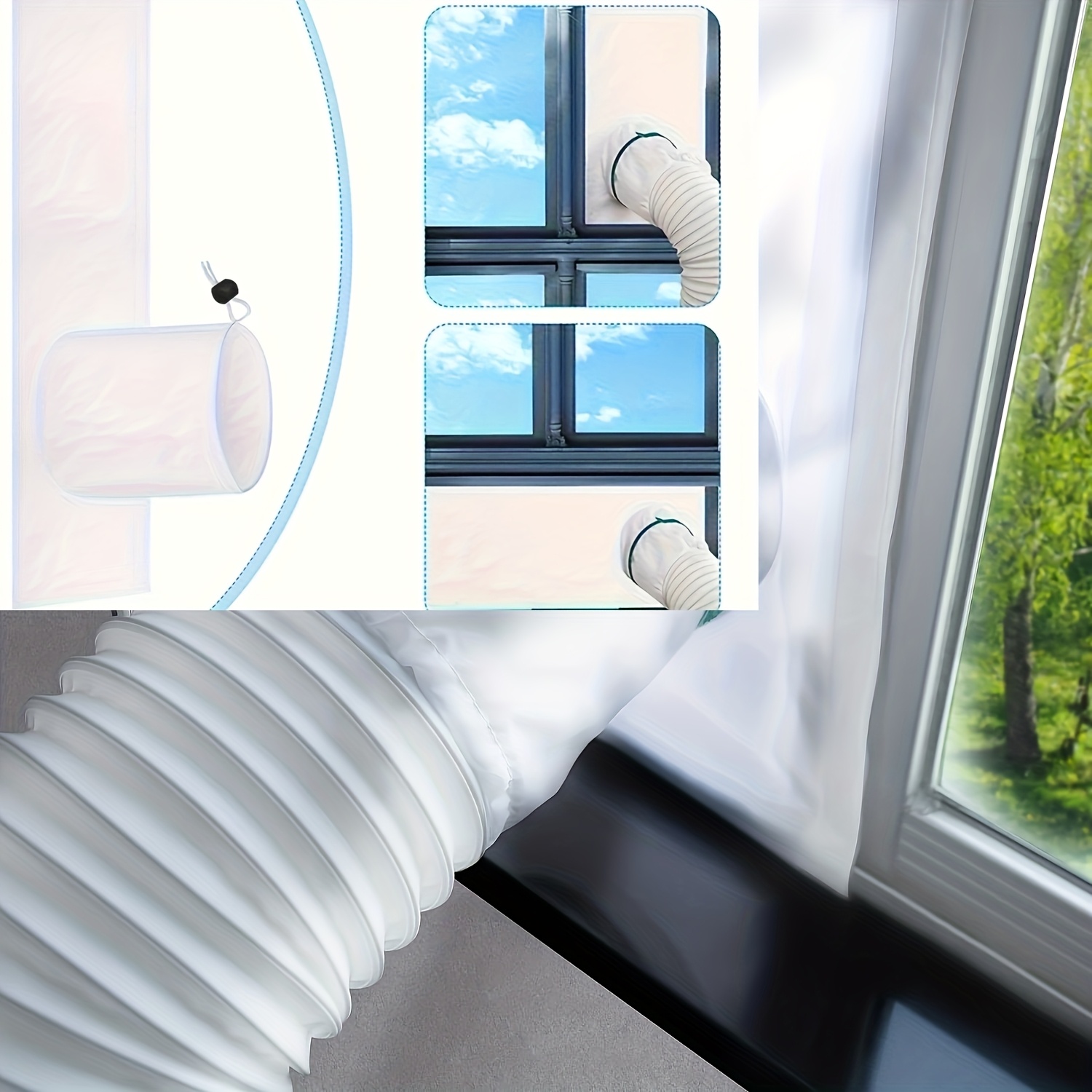
Check the seal of your window air conditioner often. Look for cracks, gaps, or worn-out areas. These can let air escape and lower cooling efficiency.
Replace any damaged seals quickly. Use weather stripping or foam tape made for windows. This keeps your room cool and saves energy.
Keep the area around the air conditioner clean. Dirt and dust can weaken the seal. Wipe down the window frame and the unit regularly to maintain a tight fit.
Credit: www.temu.com

Credit: www.amazon.ca
Frequently Asked Questions
How Do I Seal Gaps Around My Window Ac?
Sealing gaps around your window AC is crucial for efficiency. Use weatherstripping tape or foam sealant to cover any openings. Ensure a snug fit to prevent air leaks, which can lead to increased energy costs and reduced cooling effectiveness. Regularly check and replace seals as necessary for optimal performance.
What Materials Do I Need To Seal My Ac?
To seal your AC, gather weatherstripping tape, foam sealant, and a utility knife. These materials help close gaps and prevent air leaks. Additionally, a measuring tape ensures precise cutting. Proper sealing enhances energy efficiency and cooling performance, keeping your space comfortable and reducing utility bills.
Why Is Sealing My Window Ac Important?
Sealing your window AC prevents cool air from escaping and hot air from entering. This improves energy efficiency and reduces utility costs. Proper sealing also enhances cooling performance, ensuring a comfortable indoor environment. Regularly check and maintain seals for optimal air conditioner functionality and longevity.
Can Sealing Improve My Ac’s Efficiency?
Yes, sealing your AC improves efficiency by reducing air leaks. It helps maintain a consistent indoor temperature, reducing the workload on your air conditioner. This results in lower energy consumption and utility bills. Proper sealing ensures your AC operates at peak performance, providing effective cooling and comfort.
Conclusion
Sealing your window air conditioner keeps your home cool and saves energy. Use weatherstripping or foam to fill gaps around the unit. Check for leaks and fix them quickly. A well-sealed air conditioner stops warm air from coming inside. It also helps your AC work better and last longer.
Simple steps make a big difference in comfort and bills. Keep your room fresh and cool all summer long. Try sealing your AC today for a better home.