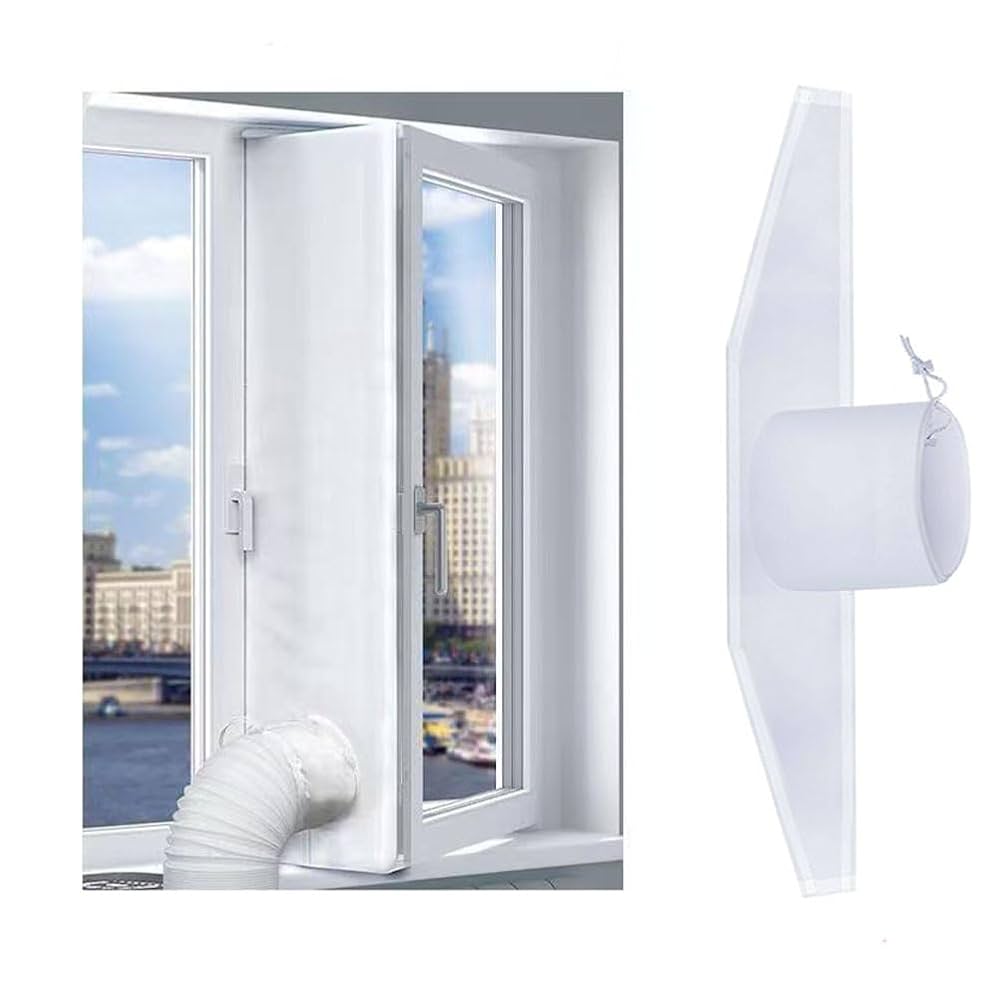
Are you tired of feeling drafts and seeing your energy bills rise every time you use your window air conditioner? Sealing your air conditioner properly can make a huge difference in keeping cool air inside and hot air out.
But if you’re unsure how to do it right, don’t worry—you’re not alone. You’ll discover simple, step-by-step tips to seal your window air conditioner quickly and effectively. By the end, you’ll know exactly how to stop leaks, save money, and enjoy a more comfortable home all summer long.
Keep reading to find out how easy it can be to seal your air conditioner like a pro!
Choose The Right Sealant
Sealing an air conditioner in a window stops air leaks and keeps your home comfortable. Picking the right sealant is key for a good fit.
Different sealants work for different window types and weather conditions. This guide helps you find the best one.
Types Of Sealants
There are many sealants you can use for window air conditioners. Common types include silicone, foam, and weatherstripping.
- Silicone sealant:Flexible and waterproof.
- Foam sealant:Easy to cut and fits gaps well.
- Weatherstripping:Strips that stick to window frames.
Pros And Cons
Each sealant type has strengths and weaknesses. Choose one that fits your needs and budget.
| Sealant Type | Pros | Cons |
|---|---|---|
| Silicone | Waterproof, durable, flexible | Can be messy, needs curing time |
| Foam | Easy to install, good insulation | May degrade in sun, less durable |
| Weatherstripping | Simple to apply, reusable | Less effective on large gaps |
Where To Buy
You can find sealants at hardware stores, home improvement centers, and online shops. Choose a place that offers good quality products.
- Local hardware stores often carry silicone and foam sealants.
- Home improvement stores have a wide selection of weatherstripping.
- Online shops offer many brands and delivery options.

Credit: www.amazon.ca
Prepare The Window Area
Sealing an air conditioner in a window needs a clean and smooth surface. This helps the seal stick well and stops air leaks. Preparing the window area is the first step for a good seal.
Follow these steps to get the window ready. They include cleaning, removing old seals, and checking for damage.
Clean The Surface
Start by wiping the window frame and sill. Remove dirt, dust, and grease. Use warm water and mild soap for best results. Dry the area fully before moving on.
- Use a soft cloth or sponge
- Avoid harsh chemicals that can damage the frame
- Clean corners and edges carefully
- Dry with a clean towel to prevent moisture
Remove Old Seals
Old seals or weatherstripping can block the new seal from sticking. Peel off any old tape or foam carefully. Use a plastic scraper if needed to avoid damage.
Check the window frame for leftover glue. You can remove sticky residue with rubbing alcohol. Make sure the surface feels smooth and clean before sealing.
Check For Damage
Look closely for cracks, holes, or rotted wood in the window frame. Damage can cause air leaks and reduce the seal’s effectiveness. Fix any problems before sealing.
| Type of Damage | How to Fix |
| Cracks | Fill with silicone caulk |
| Holes | Use weatherproof filler or patch |
| Rotted wood | Replace or repair wood sections |
Install Weatherstripping
Sealing your window air conditioner stops cold air from escaping. Weatherstripping helps fill gaps between the unit and the window frame. This guide shows how to install weatherstripping properly.
Follow these steps to choose the right weatherstripping, cut it to size, and apply it correctly for a tight seal.
Selecting Weatherstripping
Choose weatherstripping that fits the gap around the air conditioner. Different materials work for different gaps and window types. Foam and rubber are common choices.
- Foam tape is soft and easy to apply for small gaps.
- Rubber or vinyl strips are durable for larger gaps.
- Felt strips work well for uneven surfaces but wear out faster.
- Check if it has adhesive backing for easy installation.
Cutting To Size
Measure the space around the air conditioner before cutting. Cut the weatherstripping a bit longer than each side for a tight seal.
| Side | Measurement Tips |
| Left and Right | Measure from window frame edge to unit edge |
| Top | Measure from top frame to unit top |
| Bottom | Measure space below the unit if needed |
Applying Properly
Clean the window frame and air conditioner edges. Remove dust and dirt for better stickiness. Peel the backing from the weatherstripping and press firmly along the edges.
- Start at one corner and apply weatherstripping along the frame.
- Press firmly to avoid gaps or bubbles.
- Overlap ends slightly to prevent air leaks.
- Check the seal by closing the window gently.
Position The Air Conditioner
Placing your air conditioner correctly in the window is key for it to work well. A good position helps cool your room efficiently.
Follow these tips to ensure the unit fits securely and stays safe while running.
Secure Placement Tips
Make sure the air conditioner sits firmly in the window frame. Check that it does not wobble or tilt.
- Remove obstacles from the window sill.
- Use support brackets if needed.
- Close the window tightly against the unit.
- Seal gaps with weather stripping or foam.
Leveling The Unit
Leveling the air conditioner helps water drain outside. This stops water from leaking inside your home.
| Side | Height Adjustment Needed |
| Inside | Lower by 1/4 inch |
| Outside | Higher by 1/4 inch |
Safety Measures
Secure the air conditioner to prevent accidents. Follow these safety steps before using the unit.
- Use strong brackets or supports.
- Check that the unit is stable.
- Keep electrical cords away from water.
- Do not block airflow around the unit.
Apply Caulking And Foam
Sealing your window air conditioner properly stops air leaks. Using caulking and foam helps keep your home cool and saves energy.
These materials fill gaps around the unit. They prevent outside air, dust, and insects from entering through the window.
Caulking Gaps
Caulking seals small cracks between the air conditioner and window frame. It creates a tight barrier against air leaks.
Use a good quality, weather-resistant caulk. Apply it smoothly along all visible gaps and joints.
- Clean the surface before applying caulk
- Cut the tip of the caulk tube to a small size
- Apply steady pressure to fill cracks evenly
- Wipe away extra caulk with a damp cloth
Using Expanding Foam
Expanding foam fills larger gaps around the air conditioner. It expands to block air and keep the unit secure.
Use low-expansion foam to avoid putting pressure on the window frame. Spray it carefully into all empty spaces.
- Wear gloves and work in a well-ventilated area
- Insert the foam nozzle into the gap before spraying
- Fill gaps only halfway; foam will expand
- Let foam cure fully before trimming excess
Smoothing And Drying
After applying caulk and foam, smooth the surfaces for a clean look. This also helps the seal last longer.
Allow enough time for both caulk and foam to dry completely. Drying times vary by product and weather conditions.
- Use a putty knife or your finger to smooth caulk
- Trim excess foam carefully with a utility knife
- Check the product label for drying time
- Avoid touching the seal until fully dry
Credit: www.temu.com
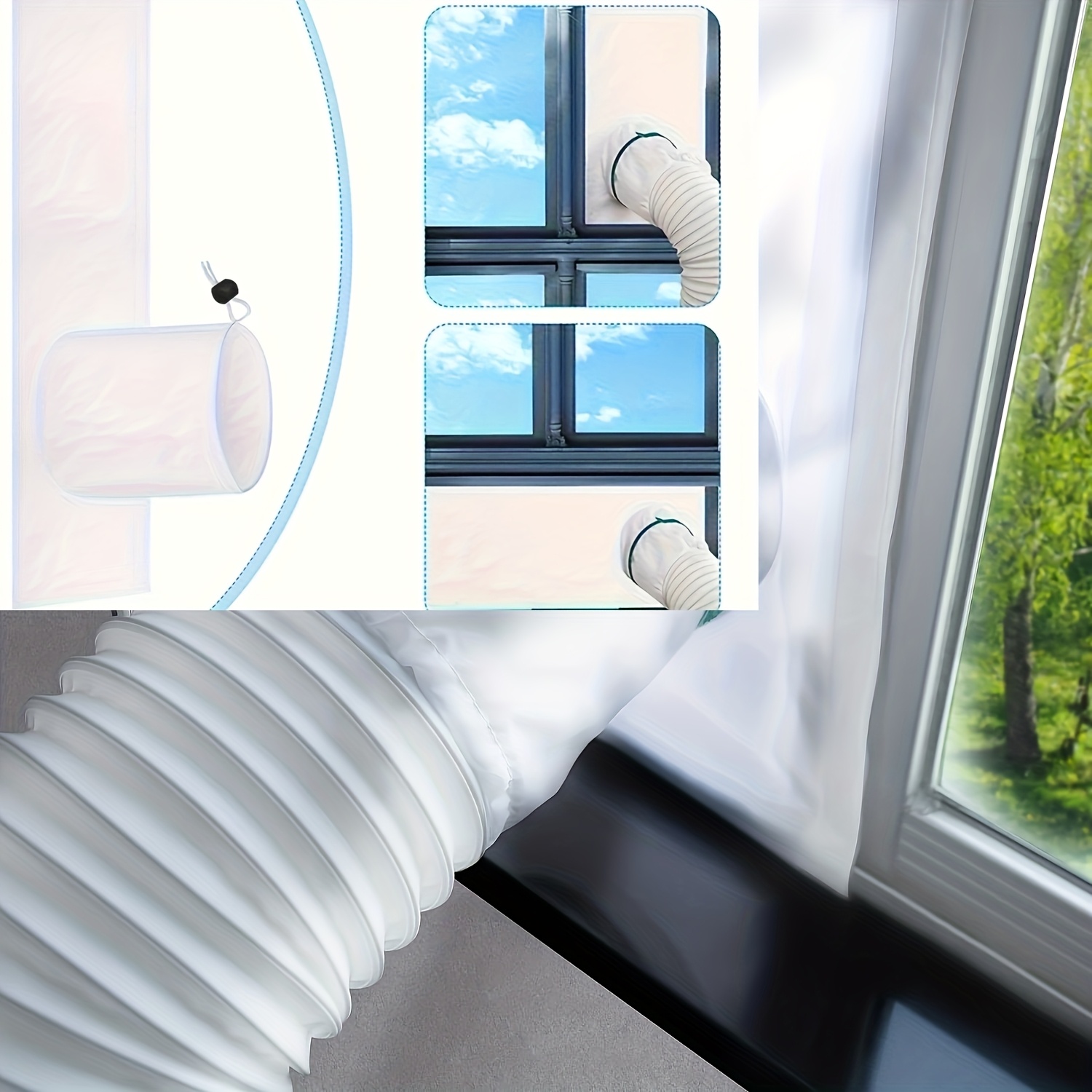
Seal Window Panels
Sealing the window panels around your air conditioner stops air leaks. It helps keep your room cool and saves energy.
Proper sealing also prevents dust and insects from entering through gaps. Follow these steps to seal your window panels well.
Adjusting Panels
Start by adjusting the side panels to fit the window frame tightly. Slide them until they cover the open space on each side of the AC unit.
Make sure the panels sit flat and even. Uneven panels leave gaps that let air pass through.
Securing With Tape
Use weatherproof tape to secure the panels to the window frame. Apply tape along all edges where the panels meet the window.
Press the tape firmly to make sure it sticks well. This keeps the panels from moving and blocks air leaks.
- Use strong tape made for outdoor use
- Cover gaps between panels and window frame
- Seal corners and edges carefully
Double-check For Leaks
After sealing, check for any air leaks around the panels. Run your hand near the edges to feel for cold air.
If you find leaks, add more tape or adjust the panels again. Make sure all gaps are closed for the best seal.
Maintain The Seal
Keeping your air conditioner sealed in the window helps save energy. It stops hot air from coming in and cool air from escaping.
Regular care of the seal keeps your room comfortable and lowers your electricity bills.
Regular Inspections
Check the seal around the air conditioner every few weeks. Look for holes, gaps, or loose parts. This stops air leaks early.
Use a flashlight to see small cracks better. Feel around the edges for cold air coming inside.
- Inspect the seal monthly during use
- Check after strong wind or rain
- Look for wear or damage to foam or weatherstripping
Repairing Cracks
Fix cracks as soon as you find them. Use weatherstripping tape or caulk to close small gaps. This keeps the seal tight.
Replace worn foam strips if they no longer stick well. A strong seal stops bugs and dust too.
- Clean the area before applying repair materials
- Use foam or rubber strips for larger gaps
- Press firmly to ensure good adhesion
Seasonal Removal Tips
Remove the air conditioner carefully when the season ends. Take off the seal gently to avoid damage.
Store the seal materials in a dry place. This keeps them soft and ready for next year.
- Cover the unit to protect it from dust
- Clean the window area before reinstalling
- Check the seal for damage before next use

Credit: www.amazon.com
Frequently Asked Questions
How Do I Seal Gaps Around A Window Ac Unit?
Use weatherstripping or foam insulation strips to fill gaps. Apply caulk around edges to prevent air leaks and improve efficiency.
What Materials Are Best For Sealing Window Ac Units?
Weatherstripping, foam tape, caulk, and insulation panels work well. These materials block drafts and keep cool air inside effectively.
Can Sealing My Ac Unit Save Energy?
Yes, sealing prevents cool air from escaping. This reduces energy use and lowers electricity bills during hot months.
How Often Should I Check Seals On My Ac Unit?
Inspect seals each season before use. Replace worn or cracked materials to maintain airtightness and optimal cooling performance.
Conclusion
Sealing an air conditioner is crucial for efficiency. It keeps the cool air inside. This task is simple and saves energy. Begin by checking gaps around the unit. Use foam strips or sealant to close them. Always ensure a snug fit.
Regularly inspect for wear and tear. Replace any damaged seals promptly. This helps maintain comfort and reduces energy bills. A well-sealed unit works better and lasts longer. So, take the time to seal your air conditioner properly. Enjoy a cooler, more efficient home.