Are you tired of feeling drafts or noticing your energy bills spike every time you use your window air conditioner? The secret to keeping your room cool and your wallet happy lies in one simple step: sealing around your window air conditioner properly.
If you’ve ever wondered how to stop those annoying gaps that let hot air in and cool air out, you’re in the right place. In this guide, you’ll discover easy, effective ways to seal your window AC so it works better and saves you money.
Keep reading—your comfort and savings depend on it!
Choosing The Right Sealant
Sealing around a window air conditioner stops air leaks. It helps keep your room cool and energy costs low.
Picking the right sealant is important. The wrong sealant can crack or let air pass through.
Types Of Sealants
There are several sealants you can use. Each one works best for different situations.
- Caulk:Good for small gaps. It dries hard and lasts long.
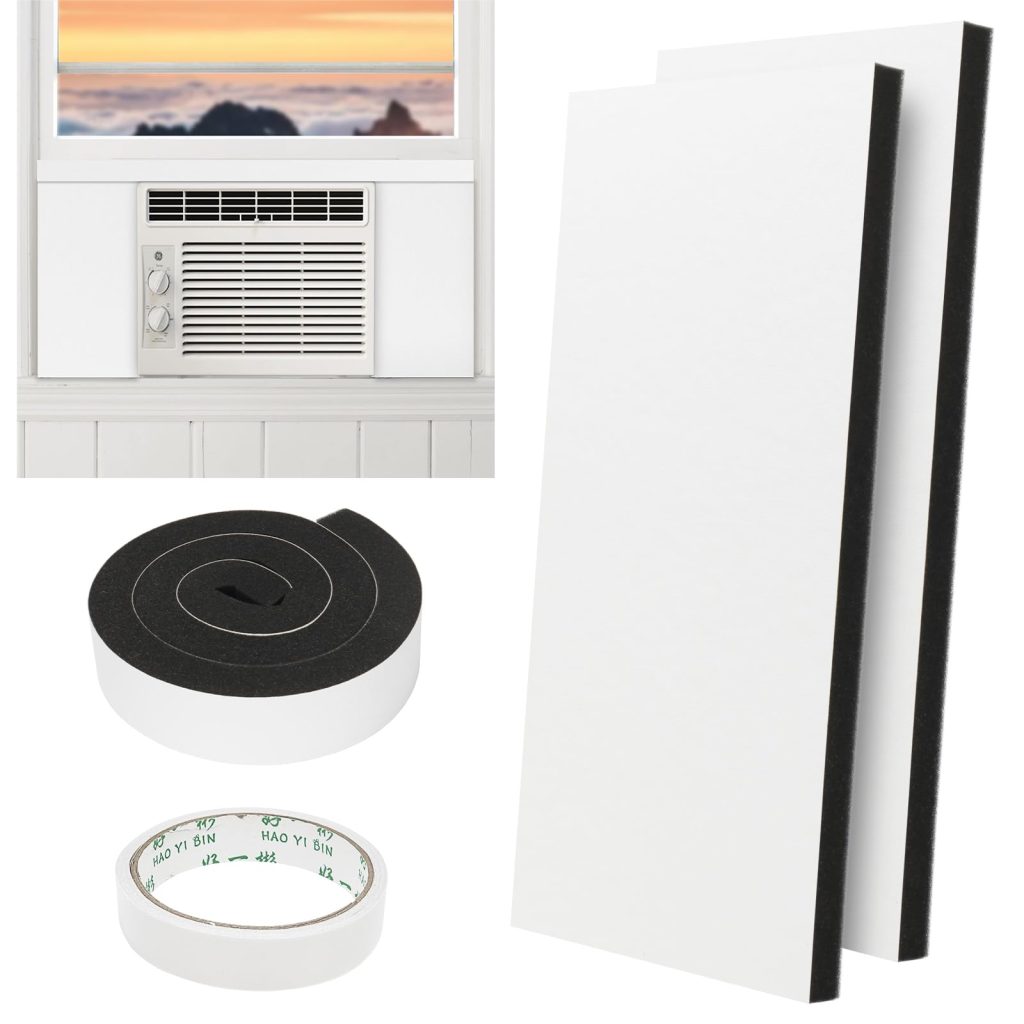
- Weatherstripping:Made from foam or rubber. It is easy to apply and flexible.
- Spray Foam:Expands to fill big gaps. It offers strong insulation.
- Foam Tape:Simple to use and sticks well. Best for sealing edges.
Factors To Consider
Think about these things before choosing a sealant. This helps you pick the best option for your window unit.
- Gap Size:Use caulk or foam for small gaps. Use spray foam for larger spaces.
- Durability:Choose a sealant that lasts in weather changes. Some sealants crack in cold or heat.
- Ease of Use:Pick a sealant you can apply easily without special tools.
- Removability:Some sealants are easy to remove. This helps if you take out the air conditioner later.
- Weather Resistance:Use sealants that resist rain and sun if the unit faces outside.

Credit: www.klolab.com
Preparing The Area
Sealing around a window air conditioner helps keep your home energy efficient. Proper preparation of the area is key before you apply any sealant.
Cleaning and removing old sealant creates a smooth surface. This allows the new sealant to stick well and last longer.
Cleaning The Window Frame
Start by clearing dust, dirt, and debris from the window frame. A clean frame helps the sealant bond properly.
- Use a soft brush or cloth to remove loose dirt.
- Wipe the frame with a damp cloth to clean sticky residue.
- Let the frame dry completely before sealing.
Removing Old Sealant
Old sealant can crack or peel, causing leaks. Removing it ensures the new sealant works well.
Here is a simple table to help you choose the right tools for removing old sealant:
| Tool | Use | Tip |
|---|---|---|
| Putty Knife | Scraping off thick sealant | Work gently to avoid frame damage |
| Utility Knife | Cutting sealant edges | Use a fresh blade for clean cuts |
| Rubbing Alcohol | Cleaning leftover residue | Apply with a cloth and let dry |
Installing The Air Conditioner
Installing a window air conditioner correctly keeps your room cool. It also stops air from leaking around the unit.
This guide explains how to position and secure the air conditioner for a tight seal.
Positioning The Unit
Place the air conditioner in the window so it fits snugly. The bottom part should rest on the window sill.
Make sure the unit tilts slightly outside. This helps water drain properly and avoids leaks inside.
- Open the window fully before placing the unit
- Center the air conditioner in the opening
- Check that the unit leans slightly outside
- Close the window sash behind the top edge of the unit
Securing The Air Conditioner
Use brackets or screws to fix the air conditioner in place. This stops it from moving or falling.
Seal gaps around the unit with weatherstripping or foam strips. This blocks air leaks and improves cooling.
- Attach support brackets under the unit
- Screw the unit to the window frame for stability
- Apply weatherstripping on the sides and top
- Fill any gaps with foam sealant or caulk

Credit: www.amazon.ca
Applying Sealant Effectively
Sealing around a window air conditioner stops air leaks and keeps your home comfortable.
Using the right sealant and applying it well helps block gaps and cracks for better cooling.
Sealing Gaps And Cracks
Check for any gaps or cracks around the air conditioner frame before you start sealing.
- Clean the area to remove dust and dirt.
- Cut the sealant tube tip to the correct size.
- Use a caulking gun for even sealant flow.
- Apply sealant slowly along all gaps and cracks.
- Fill gaps completely to prevent air leaks.
Smoothing The Sealant
After applying, smooth the sealant for a neat finish and better adhesion.
| Tool | Purpose |
|---|---|
| Finger | Gently smooth small areas and edges |
| Plastic Spreader | Evenly press sealant in wider gaps |
| Soapy Water | Keep tools and fingers clean and smooth sealant |
Wipe away excess sealant quickly before it dries. Clean tools with soapy water.
Using Weatherstripping For Extra Insulation
Sealing around a window air conditioner helps keep your room cool and saves energy. Weatherstripping is a simple way to add extra insulation.
This guide explains how to use weatherstripping to block air leaks around your air conditioner.
Select The Right Weatherstripping Material
Choose weatherstripping that fits the gaps around your air conditioner. Foam tape is soft and easy to use. Rubber or vinyl strips last longer and seal better.
Clean The Area Before Application
Clean the window frame and air conditioner edges. Remove dirt and dust to help the weatherstripping stick well.
Apply Weatherstripping Correctly
- Measure the length of gaps around the unit.
- Cut weatherstripping to the correct size.
- Peel off the backing to expose the adhesive.
- Press the weatherstripping firmly along the edges.
- Check for any spots where air can still enter and add more if needed.
Maintain And Replace Weatherstripping
Check your weatherstripping each season. Replace it if it is cracked or loose to keep the seal tight.
| Weatherstripping Type | Best Use | Durability |
| Foam Tape | Small gaps, easy application | 1-2 years |
| Rubber Strips | Medium to large gaps | 3-5 years |
| Vinyl Strips | Weather-resistant sealing | 5+ years |

Credit: www.walmart.com
Testing For Air Leaks
Sealing around a window air conditioner stops cold air from escaping. Testing for air leaks helps find spots where air moves in or out.
There are easy ways to check for leaks. You can look closely or use simple tools like smoke or a candle.
Visual Inspection
Look carefully at the edges where the air conditioner meets the window. Check for gaps, cracks, or spaces. These are places where air can leak.
Use a flashlight if the light is low. Look for light coming through the gaps or dust that moves with air flow.
- Check the window frame and sides of the unit
- Look for torn or missing weatherstripping
- See if the foam or sealant is cracked or loose
Using Smoke Or Candle Test
Light a candle or use a stick of incense near the edges of the air conditioner. Watch the flame or smoke for movement.
If the flame flickers or the smoke moves sideways, air is leaking through that spot. This test works best on calm days without wind.
- Move the candle or smoke slowly along the edges
- Mark spots where air causes flickering or smoke shifts
- Seal those areas to stop leaks
Maintaining The Seal
Keeping a good seal around your window air conditioner helps stop air leaks. This saves energy and keeps your room comfortable.
Regular care makes sure the seal stays strong and works well all year long.
Regular Checks
Look at the seal around the air conditioner every few weeks. Check for cracks, gaps, or worn-out areas.
Also, feel for cold air coming inside or warm air escaping. This shows the seal needs attention.
- Inspect seal edges for damage
- Touch areas for drafts
- Note any moisture or mold signs
- Check after storms or strong winds
Reapplying Sealant When Needed
Use weatherproof caulk or foam sealant to fix broken areas. Remove old sealant before applying new material.
Apply sealant evenly to fill gaps. Let it dry fully to keep air and water out.
- Choose sealant for outdoor use
- Clean the surface before sealing
- Use a caulk gun for precise application
- Allow recommended drying time
Frequently Asked Questions
How Do I Seal Gaps Around A Window Air Conditioner?
Use weatherstripping or foam insulation to fill gaps around the unit. Apply caulk for small cracks. This prevents air leaks, improves efficiency, and keeps insects out. Ensure the seal is tight but not overly compressed to avoid damage.
What Materials Work Best For Sealing Window Ac Units?
Weatherstripping, foam tape, and caulk are ideal for sealing window air conditioners. These materials block drafts and moisture effectively. Choose weather-resistant types for durability. Combining foam for gaps and caulk for cracks offers the best seal.
Can Sealing My Window Ac Improve Energy Efficiency?
Yes, sealing around your window AC reduces air leaks and energy loss. It keeps cool air inside and hot air outside. This lowers electricity bills and enhances cooling performance. Proper sealing helps the unit work more efficiently and last longer.
How Often Should I Check Seals Around My Air Conditioner?
Inspect seals around your window AC at least once per season. Check for cracks, gaps, or wear and tear. Replace or repair damaged seals promptly to maintain efficiency. Regular checks prevent drafts and moisture issues.
Conclusion
Sealing around a window air conditioner keeps your home cool and saves energy. Use weatherstripping or foam to fill gaps tightly. Check for leaks to stop air from escaping. A good seal also keeps bugs and dust outside. Take your time to seal well; it makes a big difference.
A simple step that helps your air conditioner work better and last longer. Keep your space comfortable all summer with a proper seal. Easy to do, and worth the effort.