If you want your cutting board to last longer and stay safe for food prep, sealing the wood is a must. But how do you do it the right way?
You might wonder which sealants work best, how to apply them, and how often you need to repeat the process. This guide will walk you through simple, effective steps to protect your cutting board from water, stains, and cracks. By the end, you’ll know exactly how to keep your wooden board looking fresh and clean for years to come.
Ready to learn the secrets to sealing wood like a pro? Let’s dive in.
Choosing The Right Wood
Choosing the right wood is important for making a durable cutting board. The wood should be strong and safe to use with food.
Different woods have different features. These features affect how well the board works and lasts over time.
Hardwoods Vs Softwoods
Hardwoods come from trees like oak and maple. They are dense and last longer on cutting boards.
Softwoods come from trees like pine and cedar. They are softer and can get damaged more easily.
- Hardwoods resist cuts and scratches better
- Softwoods can dent or wear down fast
- Hardwoods are safer for food contact
- Softwoods may absorb odors and stains
Grain Patterns And Durability
Wood grain affects the board’s strength and look. Tight grain means the wood is stronger and lasts longer.
Open grain woods can absorb water and bacteria. This lowers the cutting board’s durability and safety.
- Tight grain woods are easier to clean
- Closed grain reduces water absorption
- Grain direction affects how the board wears
- Look for straight, tight grain for best results
Preparing The Wood Surface
Sealing a wood cutting board starts with preparing the surface. A smooth, clean wood surface helps the sealant stick well. It also keeps your board safe for food use.
Take time to remove rough spots and dirt. These steps make your cutting board last longer and look better.
Sanding Techniques
Sanding smooths the wood and removes splinters. Use sandpaper with different grits for best results.
Start with a coarse grit to remove rough parts. Then use finer grit paper to make the surface smooth.
- Begin with 80 or 100 grit sandpaper for rough areas
- Move to 150 grit for medium smoothing
- Finish with 220 grit for a smooth finish
- Sand along the grain to avoid scratches
Cleaning And Drying
Cleaning removes dust and oils from sanding. Use a damp cloth to wipe the wood surface carefully.
Dry the board well before sealing. Moisture can stop the sealant from sticking properly.
- Wipe the surface with a clean, damp cloth
- Use a brush to remove dust in corners
- Let the board air dry completely
- Check for any remaining dust before sealing
Selecting The Best Sealant
Sealing a cutting board protects the wood and keeps it safe for food. Choosing the right sealant matters for durability and health.
This guide explains types of sealants to help you pick the best one for your cutting board.
Food-safe Oils
Food-safe oils soak into the wood and create a protective barrier. They keep the wood from drying and cracking.
- Mineral oil is popular because it does not go rancid.
- Walnut oil adds a natural shine but may cause allergies.
- Pure tung oil offers strong water resistance but needs time to dry.
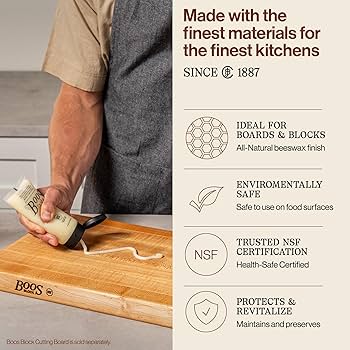
- Beeswax combined with oil creates a durable finish.
Natural Waxes And Butters
Natural waxes and butters add a smooth finish and extra protection. They are gentle and safe for food contact.
| Sealant | Source | Benefits |
|---|---|---|
| Beeswax | Bee hives | Water-resistant, smooth texture |
| Candelilla wax | Plant leaves | Hard and shiny finish |
| Cocoa butter | Cocoa beans | Soft, adds shine |
Avoiding Harmful Chemicals
Many sealants contain chemicals that can be unsafe. Avoid varnishes, polyurethane, or finishes with solvents.
Tips to avoid harmful sealants:
- Check labels for food-safe certification
- Do not use paints or stains on cutting surfaces
- Choose products made for kitchen use
- Test small wood areas before full application

Credit: www.amazon.com
Applying The Sealant
Sealing your wooden cutting board protects it from moisture and stains. It also keeps the wood looking good for longer.
Applying the sealant is a simple process. It helps the board last longer and stay safe for food use.
Step-by-step Process
Start by sanding the cutting board smooth with fine-grit sandpaper. Remove any dust with a clean cloth before sealing.
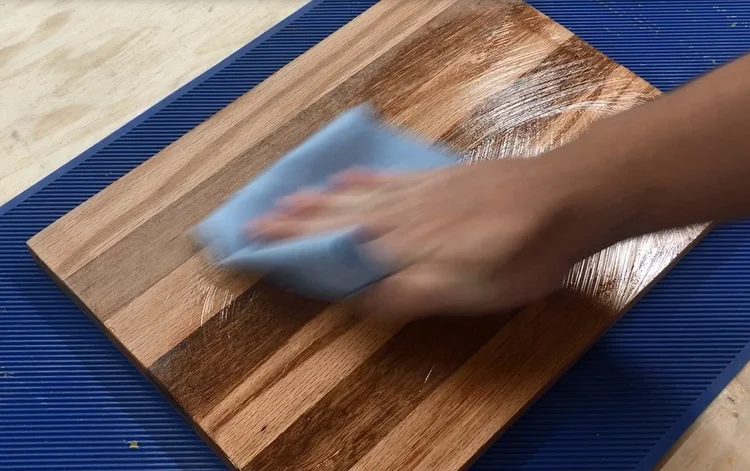
Use a clean, soft cloth or brush to apply the sealant evenly. Work along the grain of the wood for best results.
- Apply a thin coat to avoid sticky spots
- Cover all surfaces, including edges and ends
- Let the sealant soak into the wood for a few minutes
- Wipe off any excess with a clean cloth
Multiple Coats For Protection
Applying several coats strengthens the seal. It helps protect the board from water and damage.
Wait for each coat to dry fully before adding the next. Lightly sand between coats for a smooth finish.
- Apply the first coat and let it dry for 4–6 hours
- Lightly sand with fine sandpaper after drying
- Remove dust before applying the next coat
- Repeat for 2 to 3 coats for best protection
Maintaining Your Sealed Cutting Board
Keeping your cutting board sealed helps it last longer. Proper care protects the wood from water and stains.
Regular maintenance keeps the seal strong and the board safe for food use. Simple steps make a big difference.
Regular Oil Treatments
Apply food-safe oil to your cutting board often. This stops the wood from drying out and cracking.
Use mineral oil or a special cutting board oil. Rub it in with a clean cloth until the wood absorbs it.
- Apply oil once a week or after heavy use
- Use a soft cloth for even coverage
- Let the oil soak in for a few hours
- Wipe off any extra oil before use
Cleaning Tips To Preserve Seal
Clean your cutting board gently to keep the seal intact. Avoid soaking or using harsh chemicals.
Wash with warm water and mild soap. Dry it quickly with a towel to stop water damage.
- Do not put the board in the dishwasher
- Use a soft sponge or cloth for cleaning
- Dry the board completely after washing
- Disinfect with vinegar or lemon juice if needed

Credit: www.homedepot.com
Troubleshooting Common Issues
Sealing wood for a cutting board can sometimes lead to problems. These issues affect the wood’s look and protection. Knowing how to fix them helps keep your board in good shape.
This guide covers common problems like cracks, warping, and sticky sealant. You will find simple tips to solve these troubles quickly.
Dealing With Cracks And Warping
Wood cracks and warps when it dries too fast or absorbs too much moisture. These changes weaken your cutting board and ruin its surface. Fixing cracks early stops them from getting worse.
- Lightly sand the cracked area with fine sandpaper to smooth edges.
- Fill cracks with food-safe wood filler or beeswax and let dry.
- Apply a new coat of sealant evenly to protect the wood.
- Store the board in a dry place away from direct sunlight.
- Use a humidifier to control air dryness if needed.
Removing Sticky Or Uneven Sealant
Sticky or uneven sealant feels tacky and looks blotchy. This happens if too much sealant is applied or it dries slowly. Removing the old sealant helps get a smooth, clean finish.
| Problem | Cause | Solution |
| Sticky surface | Sealant applied too thick | Wipe off excess with a cloth |
| Uneven finish | Poor drying conditions | Use a fan or dry area to speed drying |
| Tacky feel after drying | Incorrect sealant type | Remove old sealant; use food-safe oil or wax |
| Sealant peeling | Surface not clean before sealing | Sand board and clean surface before resealing |
Credit: www.slightlycrookedworkshop.com
Frequently Asked Questions
How Do You Seal A Wood Cutting Board?
To seal a wood cutting board, clean and dry it first. Apply food-safe mineral oil evenly. Let it soak overnight. Repeat for better protection. This prevents moisture and bacteria, extending the board’s lifespan.
What Is The Best Finish For Cutting Boards?
Food-safe mineral oil is the best finish for cutting boards. It penetrates wood, protects from water, and is non-toxic. Avoid varnishes or polyurethane, as they can be harmful and peel off over time.
How Often Should I Reseal My Cutting Board?
Reseal your cutting board every 1 to 3 months. Frequency depends on use and washing habits. Regular oiling keeps wood hydrated, prevents cracks, and maintains a smooth, safe surface for food preparation.
Can I Use Beeswax To Seal A Cutting Board?
Yes, beeswax is safe and effective for sealing cutting boards. It provides a natural water-resistant finish. Use it combined with mineral oil for best results. Avoid pure wax coatings alone, as they can chip or peel.
Conclusion
Sealing your wood cutting board keeps it strong and safe to use. It stops water from soaking in and causing damage. Choose a good sealant made for wood that touches food. Apply it carefully and let it dry well. This simple step helps your board last longer and stay clean.
Take care of your cutting board, and it will serve you for years. Small effort, big difference.