Ready to get the best flavor from your charcoal grill? Before you start cooking, you need to season it properly.
Seasoning your grill for the first time is the key to making your food taste amazing and keeping your grill in great shape. If you want juicy steaks, smoky veggies, and easy cleanups, this simple step is a must. Keep reading, and you’ll learn exactly how to season your charcoal grill like a pro—so every meal you cook turns out perfect.
Credit: www.familyhandyman.com
Choosing The Right Grill
Picking the right charcoal grill is key for a good grilling start. The grill you choose affects how you cook and clean.
Think about the grill size, style, and materials before buying. These details help you get the best cooking results.
Types Of Charcoal Grills
Charcoal grills come in many shapes and sizes. Choose one that fits your space and cooking needs.
- Kettle grills are round and good for even heat.
- Barrel grills offer more cooking space and can add a smoky flavor.
- Portable grills are small and easy to carry for trips.
- Kamado grills are thick and keep heat for a long time.
Materials And Build Quality
The grill’s material affects its heat control and how long it lasts. Look for strong and rust-resistant parts.
Steel grills heat up quickly but may rust. Cast iron holds heat well but needs care to avoid rust. Porcelain-coated grills resist rust and are easy to clean.
- Stainless steel resists rust and is easy to clean.
- Cast iron keeps heat steady but needs seasoning.
- Porcelain coating protects metal and adds durability.
- Check that the grill has sturdy legs and secure hinges.
Essential Tools And Supplies
Seasoning a charcoal grill for the first time requires the right tools. These supplies help prepare the grill and protect you during the process.
Below are key items to have before you start seasoning your charcoal grill.
Charcoal Selection
Choosing the correct charcoal is important. It affects heat and flavor when seasoning your grill.
- Use natural lump charcoal for cleaner burning
- Avoid briquettes with added chemicals
- Pick charcoal that lights easily and burns evenly
- Have enough charcoal to maintain steady heat for an hour
Grill Brushes And Scrapers
Cleaning your grill before seasoning is key. Brushes and scrapers remove rust and debris.
| Tool | Purpose |
| Wire brush | Scrubs grill grates clean |
| Scraper | Removes stuck-on residue |
| Steel wool | Polishes metal surfaces |
Heat-resistant Gloves
Heat-resistant gloves protect your hands from burns during grilling. They also help when handling hot tools.
- Choose gloves made of thick, heatproof material
- Ensure gloves fit well and allow good grip
- Use gloves anytime you touch hot grill parts or charcoal
Cleaning The Grill Before Seasoning
Before you season your charcoal grill, you must clean it well. Cleaning removes dirt and oils that can affect the taste of your food.
A clean grill helps the seasoning process work better and protects your grill from rust.
Removing Manufacturing Residue
New grills often have a protective coating or residue from the factory. This residue can produce bad smells or smoke if not removed.
Use warm soapy water and a scrub brush to clean the grill parts. Make sure to remove all the oily or shiny film before you start seasoning.
Washing And Drying The Grate
After removing residue, wash the grate thoroughly with warm water and soap. This removes leftover dirt and grease.
Dry the grate completely with a clean towel or let it air dry. Water left on the grill can cause rust during seasoning.
Preparing The Grill For Seasoning
Seasoning a charcoal grill helps protect it from rust and improves cooking. Proper preparation is key to a good seasoning process.
This guide covers assembling your grill and setting the air vents and dampers correctly before seasoning.
Assembling The Grill
Start by putting together your charcoal grill carefully. Make sure all parts fit tightly and securely.
- Attach the legs firmly to the grill body.
- Install the cooking grate in the correct position.
- Check the lid fits well and can open and close smoothly.
- Secure the ash catcher if your grill has one.
- Clean all surfaces with warm soapy water and dry completely.
Setting Up Air Vents And Dampers
Air vents control the airflow and temperature inside your grill. Adjust them to keep the fire steady during seasoning.
| Vent/Damper | Purpose | How to Set |
| Bottom Air Vents | Allow oxygen to feed the charcoal | Open about halfway for steady airflow |
| Top Dampers | Release smoke and control heat | Keep slightly open to let smoke escape |
Selecting The Best Oil For Seasoning
Seasoning a charcoal grill protects it from rust and creates a non-stick surface. Choosing the right oil is very important for good seasoning.
Different oils behave differently when heated. Pick an oil that works well for high heat and lasts long on your grill.
Smoke Point Importance
The smoke point is the temperature when oil starts to burn and smoke. Using oil with a high smoke point keeps seasoning smooth and safe.
If oil burns too early, it can leave a bad taste and sticky residue on your grill. High smoke point oils work better under intense heat.
- High smoke point oils stay stable on the grill surface.
- Low smoke point oils burn quickly and create smoke.
- Choose oils that can handle 400°F (204°C) or more.
Popular Oil Choices
Some oils are better for seasoning than others. They have high smoke points and create a good coating on your grill.
- Canola oil – high smoke point, affordable and easy to find.
- Vegetable oil – works well and is usually low cost.
- Grapeseed oil – high smoke point and light flavor.
- Peanut oil – good for high heat but watch for allergies.
- Flaxseed oil – forms a hard coating but burns fast if not careful.
Avoid low smoke point oils like olive oil. They burn too quickly and do not season well.
Step-by-step Seasoning Process
Seasoning your charcoal grill helps protect it and improves cooking. It creates a non-stick surface on the grates.
Follow these steps to season your grill for the first time. This will make your grill last longer and cook better.
Applying Oil To The Grate
Start by cleaning the grill grate with warm soapy water. Dry it well before applying oil.
Use a high smoke point oil like vegetable or canola oil. Apply a thin, even layer to the entire grate.
- Pour a small amount of oil on a clean cloth or paper towel
- Rub oil evenly on all grate surfaces
- Make sure not to use too much oil to avoid dripping
Heating The Grill
Light the charcoal and let the grill heat up. Close the lid to keep the heat inside.
Heat the grill until the oil starts to smoke. This helps the oil bond to the metal grate.
- Light charcoal and spread it evenly
- Close the lid and wait 15-20 minutes
- Watch for smoke coming from the grate
Repeating The Oiling And Heating Cycle
Turn off the grill and let it cool slightly. Apply another thin layer of oil to the grate.
Heat the grill again until the oil smokes. Repeat this cycle two or three times for best results.
- Apply a thin oil coat after cooling
- Heat until smoking
- Repeat 2-3 times for a strong coating
Maintaining A Seasoned Grill
Keeping your charcoal grill seasoned helps it last longer and cook better. A well-maintained grill stops food from sticking and resists rust.
Regular care after each use protects the seasoning and keeps your grill ready for the next cookout.
Regular Cleaning Tips
Cleaning your grill after every use removes food bits and ash. This prevents build-up that can damage the grill’s surface.
- Let the grill cool down slightly but stay warm.
- Use a stiff wire brush to scrape the grates clean.
- Remove ash from the bottom of the grill.
- Wipe the outside with a damp cloth to remove dirt.
- Check for rust spots and scrub gently if found.
Reapplying Oil After Use
Oiling your grill grates after cleaning keeps the seasoning fresh. It creates a protective layer that stops rust and sticking.
| Type of Oil | Best Use |
| Vegetable Oil | Common and easy to find |
| Canola Oil | High smoke point, good for grilling |
| Flaxseed Oil | Creates a strong, durable coating |
| Grapeseed Oil | Neutral flavor, good for seasoning |
Use a paper towel or cloth to spread a thin layer of oil over the grates. Heat the grill for a few minutes to help the oil soak in.
Troubleshooting Common Issues
Seasoning a charcoal grill for the first time can bring some challenges. You might see problems like rust or sticky residue. These issues can affect your cooking experience.
Knowing how to fix these problems helps keep your grill ready for many cookouts. Let’s look at common issues and easy ways to solve them.
Rust Formation
Rust forms when moisture stays on the grill surface. This happens if you leave the grill uncovered or don’t dry it after cleaning. Rust can damage the grill and affect food taste.
- Dry your grill completely after washing.
- Store the grill in a dry place or use a cover.
- Apply a thin coat of vegetable oil after each use.
- Heat the grill for 15 minutes after oiling to seal the surface.
Sticky Residue
Sticky residue comes from leftover food or too much oil. It can burn and stick to the grill, causing smoke and bad smells. This makes cleaning hard and affects flavor.
| Cause | How to Fix |
| Excess oil | Use less oil when seasoning. |
| Food bits left on grill | Clean grill with a wire brush after cooking. |
| Not heating grill enough | Heat grill longer to burn off residue. |
Uneven Heat Distribution
Uneven heat causes some food to burn while other parts stay raw. This problem happens if charcoal is not spread well or the grill is dirty.
- Arrange charcoal in an even layer for steady heat.
- Clean ash and debris from the grill after each use.
- Use the grill lid to keep heat inside.
- Preheat the grill for 10–15 minutes before cooking.
Enhancing Grill Performance
Seasoning a charcoal grill for the first time helps improve its performance. It creates a protective layer that stops rust and adds flavor to your food.
Proper seasoning also makes cleaning easier and helps the grill heat evenly. This guide shows how to use charcoal and control temperature effectively.
Using Charcoal Effectively
Start with good quality charcoal for best results. Avoid charcoal with too many fillers or additives. Use enough charcoal to cover the grill’s bottom without overcrowding.
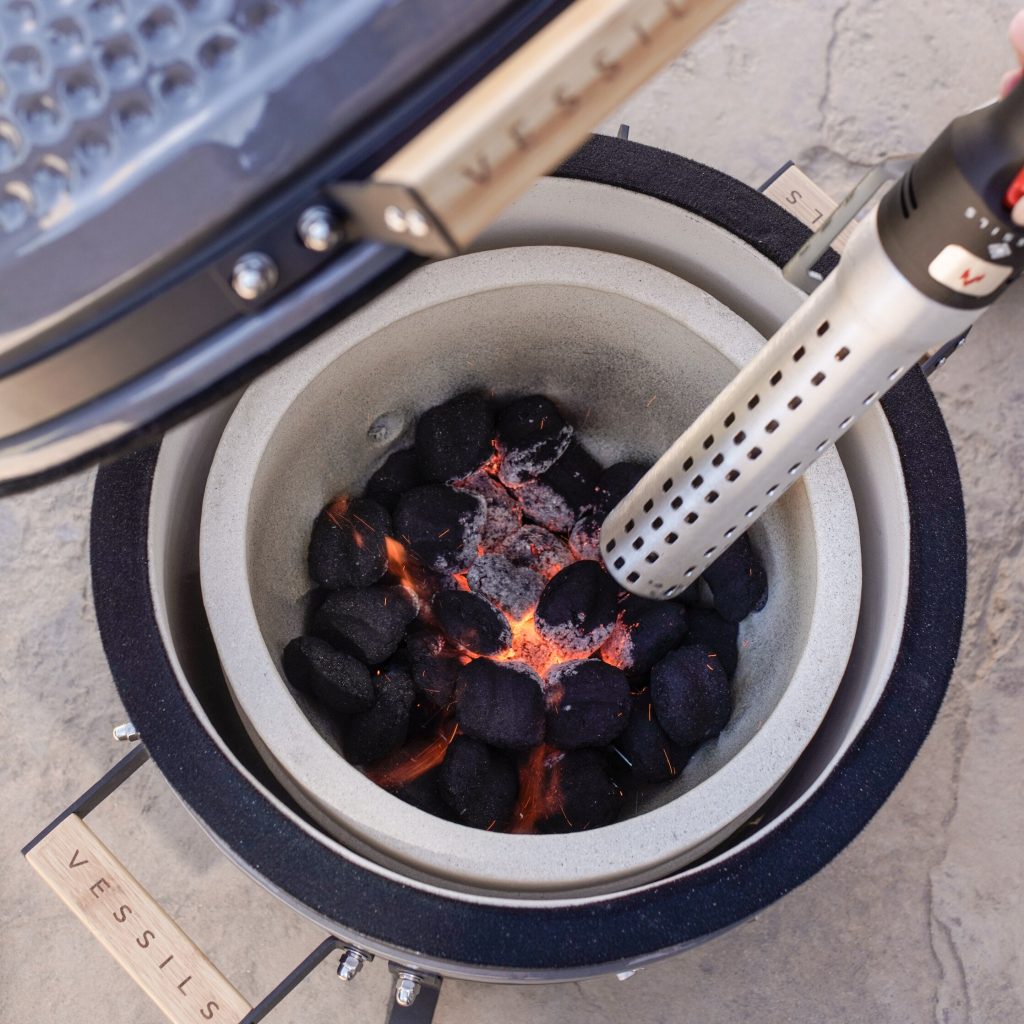
Arrange the charcoal in a pile or spread it evenly depending on your cooking needs. Light it safely using a chimney starter or natural fire starters. Avoid lighter fluid to keep flavors pure.
- Use natural lump charcoal for quick heating
- Use briquettes for steady, long-lasting heat
- Light charcoal evenly for consistent grilling
- Do not overload charcoal to avoid smoke buildup
Managing Temperature Control
Control airflow to manage grill temperature. Open vents increase oxygen and heat. Closing vents lowers temperature and slows burning.
Use the grill lid to keep heat inside. Watch the temperature gauge if your grill has one. Adjust vents and charcoal amount to keep steady heat.
- Open bottom vents to raise temperature
- Close vents partially to lower heat
- Keep lid closed for even cooking
- Add charcoal for higher heat if needed

Credit: www.reddit.com

Credit: www.reddit.com
Frequently Asked Questions
How Long Does It Take To Season A Charcoal Grill?
Seasoning a charcoal grill takes about 1 to 2 hours. This includes cleaning, coating with oil, and heating. Proper seasoning protects the grill and improves cooking performance.
What Type Of Oil Is Best For Seasoning Grills?
Use high smoke point oils like vegetable, canola, or flaxseed oil. These oils create a durable, non-stick surface when heated. Avoid low smoke point oils that can burn and leave residue.
How Often Should I Season My Charcoal Grill?
Season your grill before first use and every few months. Frequent seasoning maintains the protective coating and prevents rust. It also enhances food flavor and cooking efficiency.
Can I Season A Grill With Food Instead Of Oil?
No, seasoning requires applying oil to the grill grates. Cooking fatty foods alone won’t create a proper non-stick layer. Oil bonds to metal when heated, forming the seasoning layer.
Conclusion
Seasoning a charcoal grill is a simple yet important step. It enhances flavor and prolongs grill life. Start by cleaning your grill thoroughly. Then, apply a thin layer of oil to the grates. Heat it until smoke appears. This seals the oil and creates a non-stick surface.
Regular seasoning helps maintain your grill’s condition. Enjoy the tasty results and the improved cooking experience. Happy grilling!