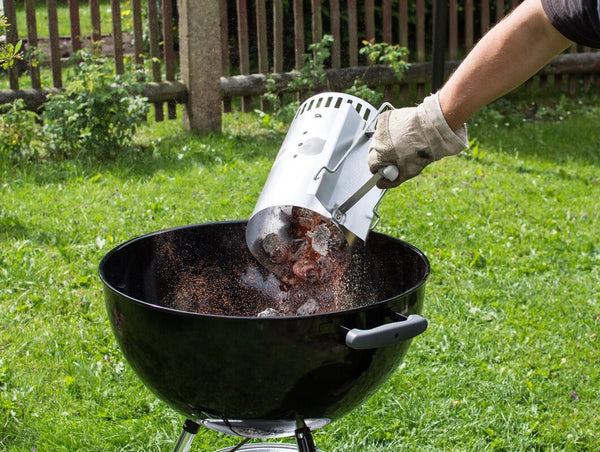
If you love cooking outdoors, you know how important a well-seasoned charcoal grill is. Seasoning your grill isn’t just about making it look good—it creates a natural, non-stick surface that helps your food cook evenly and taste better.
But if you’ve never done it before, the process might seem confusing or time-consuming. Don’t worry—this guide will walk you through simple steps to season your charcoal grill like a pro. By the end, you’ll have a grill that’s ready to deliver mouthwatering meals every time you fire it up.
Keep reading, and you’ll discover easy tips that make all the difference for your next cookout.
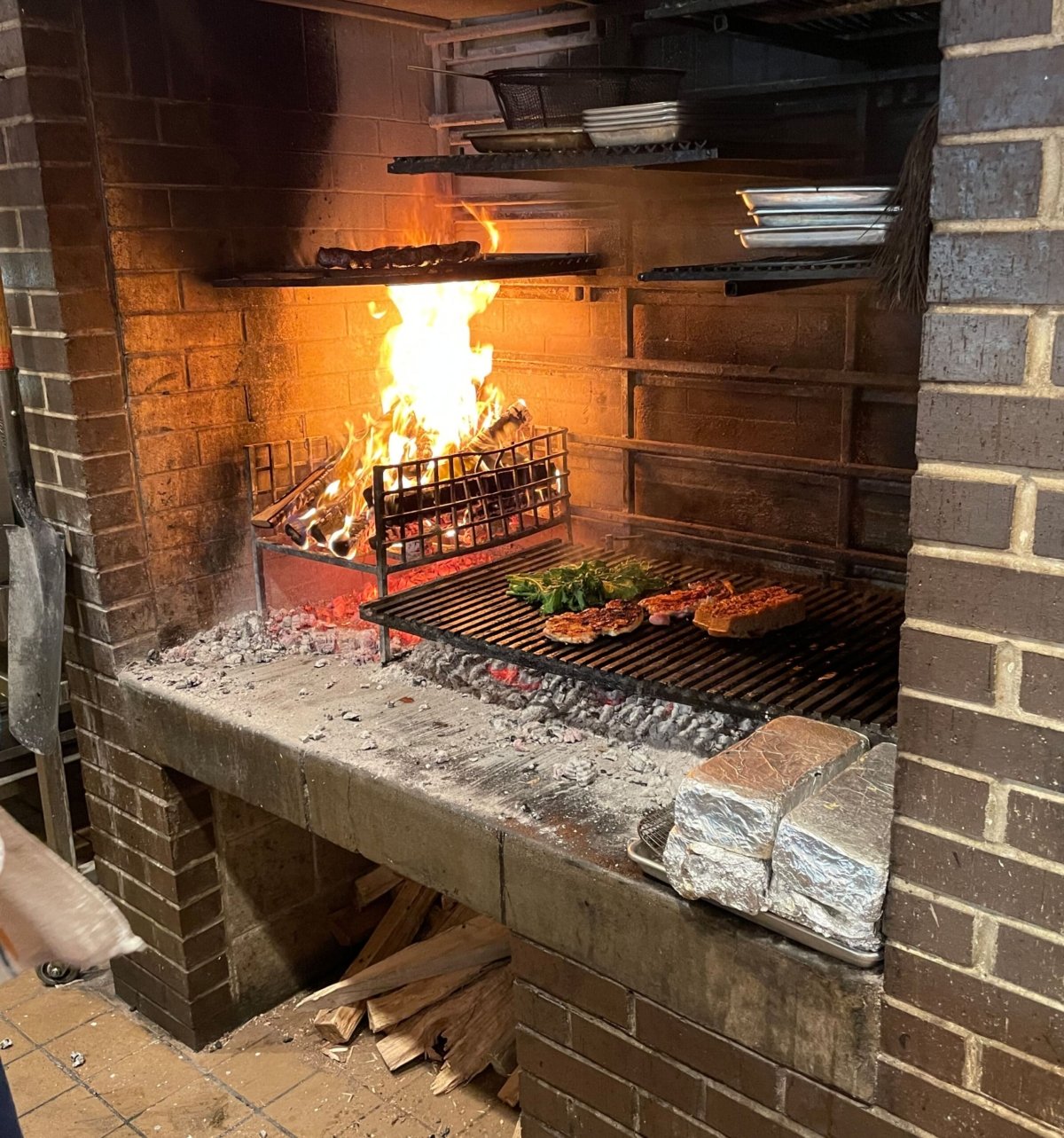
Credit: amazingribs.com
Why Season A Charcoal Grill
Seasoning a charcoal grill means preparing its cooking surface before use. It helps protect the grill and improves cooking results. This process creates a thin layer of oil that stops rust and makes cleaning easier.
Seasoning is important for any new grill or one that has not been used for a long time. It helps the grill last longer and keeps your food tasting better.
Benefits Of Seasoning
Seasoning protects the grill’s metal from rust and damage. It also makes the surface non-stick, so food does not stick while cooking. This makes grilling easier and helps keep the grill clean.
Seasoning also helps the grill heat evenly. This means your food cooks better and reduces the chances of hot spots that burn food.
- Prevents rust and corrosion
- Makes the cooking surface non-stick
- Easier cleaning after use
- Helps even heat distribution
Effects On Flavor And Longevity
A well-seasoned grill adds a smoky flavor to your food. The oil layer helps food cook with a nice taste and texture. It also stops food from sticking and breaking apart.
Seasoning makes your grill last longer. It stops rust and keeps the metal strong. This saves money by preventing damage and the need for early replacement.
- Improves smoky, grilled flavor
- Prevents food from sticking
- Protects grill from rust
- Extends grill’s lifespan
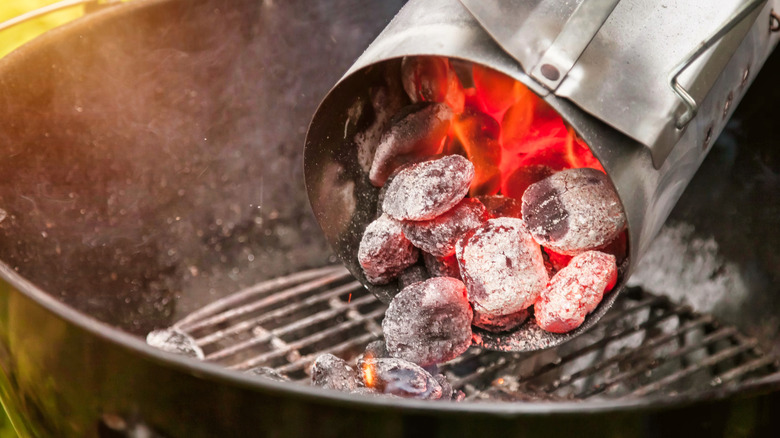
Credit: www.thetakeout.com
Choosing The Right Charcoal
Choosing the right charcoal is key to seasoning your charcoal grill well. Different types of charcoal affect the heat and flavor during seasoning.
This guide explains the main charcoal types and their impact on the seasoning process. It helps you pick the best charcoal for your grill.
Types Of Charcoal
Charcoal usually comes in lump or briquette forms. Lump charcoal is made by burning wood without air. Briquettes are made from compressed charcoal dust and other ingredients.
- Lump Charcoal:Burns hotter and faster. Produces less ash. Good for quick seasoning sessions.
- Briquettes:Burns evenly and lasts longer. Makes consistent heat. Ideal for slow seasoning.
- Natural Hardwood Briquettes:Made from wood only. No chemicals. Gives pure smoke flavor.
- Instant-Light Briquettes:Have added chemicals for easy lighting. May affect taste and seasoning quality.
Impact On Seasoning Process
| Charcoal Type | Heat Level | Burn Time | Seasoning Effect |
| Lump Charcoal | High | Short | Quick seasoning, strong heat |
| Briquettes | Medium | Long | Even seasoning, steady heat |
| Natural Hardwood Briquettes | Medium | Medium | Clean smoke, good flavor |
| Instant-Light Briquettes | Variable | Medium | May alter flavor, less pure |
Choosing charcoal with steady heat helps build a strong, even seasoning layer. Avoid charcoals with additives for a clean grill surface.
Preparing Your Grill For Seasoning
Seasoning your charcoal grill is important. It helps the grill last longer and makes food taste better.
Before you start, you need to prepare your grill. This involves cleaning and removing any rust or residue.
Cleaning The Grill Grates
Cleaning the grill grates is the first step. Make sure they are free from old food and dirt.
Use a grill brush to scrub the grates. Make sure to reach all the corners.
- Remove the grates from the grill
- Brush off any loose debris
- Wash with warm, soapy water
Removing Rust And Residue
Rust and residue can damage your grill. It’s important to remove them before seasoning.
Use a wire brush to scrape off any rust. For stubborn rust, consider using a vinegar solution.
| Action | Materials |
| Scrape rust | Wire brush |
| Vinegar soak | Vinegar, cloth |
Selecting The Best Oils For Seasoning
Seasoning a charcoal grill makes cooking easier and stops rust. Choosing the right oil is key to good seasoning.
Oils with the right smoke point help protect your grill and last longer. Avoid oils that can add unwanted flavors.
High Smoke Point Oils
High smoke point oils can handle heat without burning. They create a strong, durable coating on the grill.
- Canola oil
- Peanut oil
- Grapeseed oil
- Safflower oil
- Avocado oil
These oils stay stable at high heat. They prevent the oil from smoking too much or leaving sticky residue.
Avoiding Flavored Oils
Flavored oils may ruin the taste of your food. They can also leave sticky or burnt spots on the grill.
Choose plain, neutral oils without herbs or spices. This keeps your grill clean and food tasting natural.
Step-by-step Seasoning Process
Seasoning a charcoal grill helps protect it from rust and improves cooking. The process creates a non-stick surface on the grill grates.
Follow these steps to season your charcoal grill properly and enjoy better grilling results.
Applying Oil Evenly
Start by cleaning the grill grates to remove dirt and debris. Use a paper towel or cloth to apply a thin layer of cooking oil all over the grates.
Use an oil with a high smoke point like vegetable, canola, or grapeseed oil. Make sure to cover every part of the grill grates.
- Apply oil while the grill is cool
- Use a clean cloth or paper towel
- Cover all grill surfaces evenly
- Wipe off excess oil to avoid dripping
Heating The Grill Properly
Light the charcoal and heat the grill to a high temperature, around 400°F to 500°F (200°C to 260°C). Keep the grill closed during heating to trap heat inside.
Let the grill heat for about 30 to 60 minutes. The heat will bake the oil into the grates, creating a protective layer.
- Preheat grill for 30-60 minutes
- Keep lid closed to hold heat
- Avoid opening grill often
- Use a grill thermometer for accuracy
Repeating The Seasoning Cycles
After the first heating, let the grill cool down. Then, apply another thin layer of oil and heat it again. Repeat this process two to three times for best results.
Multiple seasoning cycles build a strong, durable coating on the grill grates. This helps prevent rust and makes cleaning easier.
- Cool grill before reapplying oil
- Apply thin oil layers each time
- Heat grill after each oil application
- Repeat 2-3 times for durability

Credit: www.cowboysandangelsretreat.com
Maintaining The Seasoned Grill
Keeping your charcoal grill seasoned helps it last longer. It also stops food from sticking.
Regular care keeps the grill surface smooth and rust-free. This makes cooking easier and better.
Cleaning After Each Use
Clean the grill right after cooking while it is still warm. This removes food bits and grease.
Use a grill brush or scraper to clean the grates. Avoid using soap, which can remove seasoning.
- Brush the grates to remove leftover food
- Empty ashes from the charcoal chamber
- Wipe down surfaces with a dry cloth
- Let the grill cool before covering it
Reapplying Oil Periodically
Apply a thin layer of cooking oil on the grill grates to keep them seasoned. This protects against rust.
Do this after cleaning and before storing the grill. Use oils with high smoke points like vegetable or canola oil.
- Heat the grill slightly before oiling
- Use a cloth or paper towel to spread oil
- Cover all grill surfaces evenly
- Repeat this process every few uses
Troubleshooting Common Issues
Seasoning a charcoal grill can sometimes bring up problems. These issues affect how well your grill cooks and lasts.
Knowing how to fix common problems keeps your grill in good shape. It also makes your cooking safe and tasty.
Dealing With Rust
Rust can form on your grill if it is not dried or oiled after use. Rust weakens the metal and can cause food to stick.
Remove rust by scrubbing the grill grates with a wire brush. Use warm soapy water for tough spots, then dry well.
- Use a wire brush or steel wool to scrub rust away
- Wash grates with warm, soapy water if needed
- Dry the grill completely before storing
- Apply a thin layer of cooking oil to protect metal
Fixing Sticky Or Flaking Surfaces
Sticky or flaking surfaces happen when old seasoning breaks down. This can cause food to stick or burn unevenly.
To fix this, scrape off the loose material with a grill scraper. Then re-season the grill with oil and heat.
- Scrape off flaky or sticky seasoning carefully
- Clean the grill with warm water and mild soap
- Dry the grill completely to stop rust
- Apply a thin coat of oil to the grates
- Heat the grill to set the new seasoning layer
Frequently Asked Questions
How Do I Prepare A Charcoal Grill For Seasoning?
Clean the grill thoroughly to remove rust and debris. Preheat the grill to burn off residue. Apply a thin coat of cooking oil to the grates while warm. This process creates a non-stick surface and prevents rust.
What Type Of Oil Is Best For Seasoning A Grill?
Use high smoke point oils like canola, vegetable, or grapeseed oil. These oils withstand high heat without burning. Avoid olive oil as it has a low smoke point. Proper oil choice ensures a durable, non-stick grill surface.
How Often Should I Season My Charcoal Grill?
Season your grill after every few uses or when food starts sticking. Regular seasoning maintains the protective coating and prevents rust. It keeps the grill cooking evenly and extends its lifespan.
Can Seasoning Improve My Grill’s Cooking Performance?
Yes, seasoning creates a smooth, non-stick surface for better heat distribution. It prevents food from sticking and enhances flavor. A well-seasoned grill cooks food more evenly and lasts longer.
Conclusion
Seasoning your charcoal grill helps protect it and improves cooking. Start with a clean grill and use oil to coat the grates. Heat the grill to lock in the oil and create a non-stick surface. This process keeps food from sticking and adds flavor.
Regular seasoning extends your grill’s life and makes grilling easier. Enjoy better-tasting meals with a well-seasoned grill every time. Keep your grill ready for the next cookout by seasoning it often. Simple steps lead to great results.