
You just got a new cutting board, and you want it to last for years. But do you know the secret to keeping it in great shape?
Seasoning your cutting board is the key. It protects the wood, prevents cracks, and stops food from sticking. If you skip this simple step, your board could wear out faster than you think. You’ll learn exactly how to season your new cutting board the right way—quickly and easily.
Keep reading, and your board will thank you every time you cook.
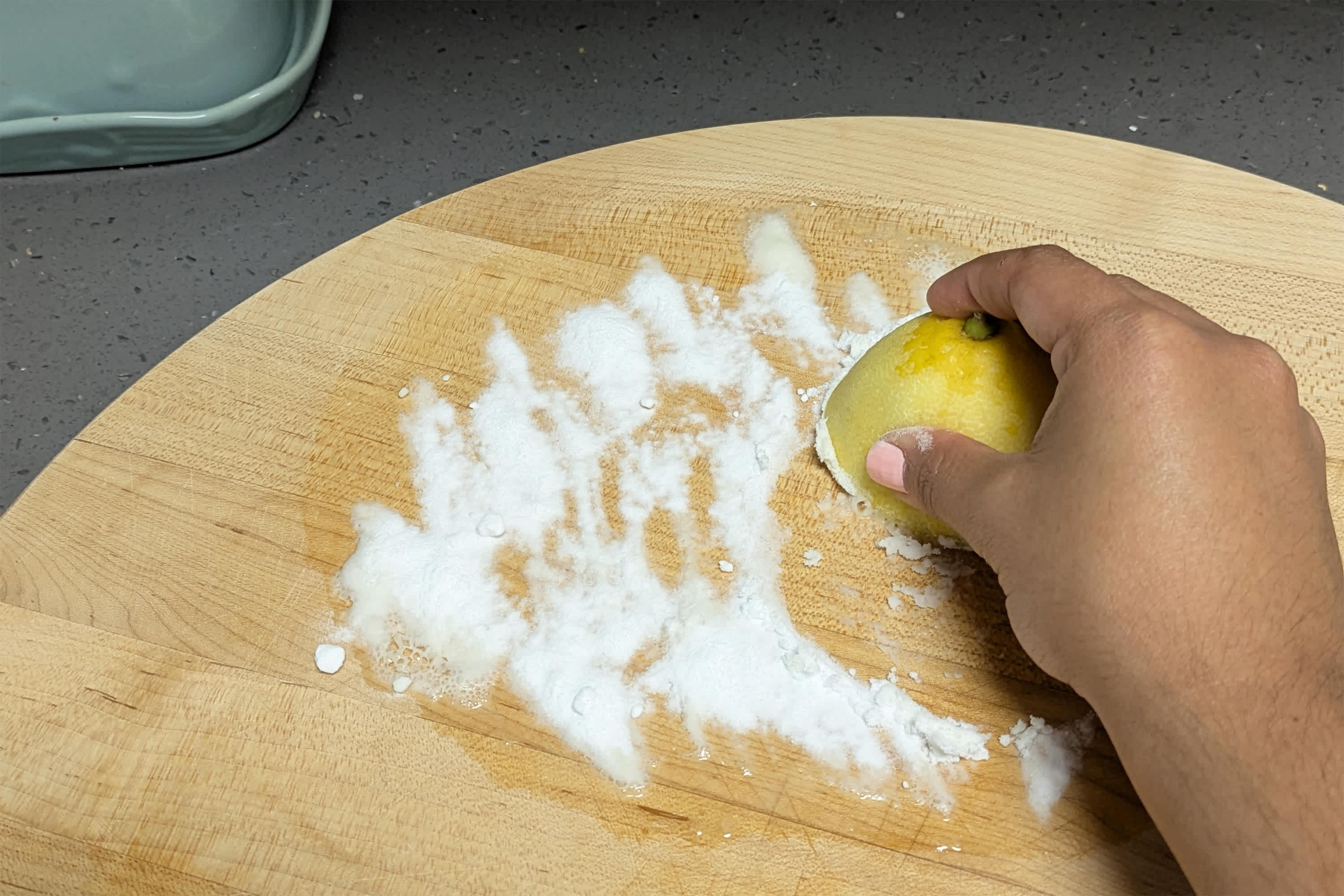
Credit: www.thekitchn.com
Choosing The Right Cutting Board
Choosing a cutting board affects how well it lasts and stays safe for food. Some boards need special care like seasoning to keep them in good shape.
Wood and plastic boards each have their pros and cons. Knowing which one suits your kitchen helps you pick the right board to season and use.
Wood Vs. Plastic Boards
Wood boards are natural and can be long-lasting with good care. Plastic boards are easier to clean but may not last as long.
- Wood boards absorb oils and need seasoning to stay protected.
- Plastic boards do not absorb liquids but can get knife marks where bacteria grow.
- Wood boards can be sanded to remove deep cuts, plastic boards cannot.
- Plastic boards are dishwasher safe, wood boards are not.
Best Wood Types For Seasoning
Some woods work better for cutting boards because they are dense and resist moisture. These woods hold seasoning well and last longer.
| Wood Type | Benefits | Best Use |
| Maple | Hard and dense, easy to season | General-purpose cutting board |
| Walnut | Durable with natural oils | Chopping and serving |
| Cherry | Attractive grain, good hardness | Light to medium use boards |
| Beech | Close grain, resists bacteria | Butcher blocks and cutting boards |

Credit: ca.style.yahoo.com
Why Season A Cutting Board
Seasoning a new cutting board helps protect the wood from damage. It also keeps the board safe and easy to clean.
Without seasoning, the wood can dry out and become weak. This makes the cutting board less useful over time.
Preventing Cracks And Warping
Wood can crack or warp when it dries out or absorbs too much water. Seasoning adds a protective layer.
This layer stops water from soaking in and keeps the board stable. It also helps the wood stay strong.
- Seals the wood to avoid water damage
- Keeps moisture balanced inside the board
- Prevents shrinking and swelling that cause cracks
Enhancing Durability And Appearance
Seasoning improves the board’s strength and lifespan. It also makes the wood look richer and smoother.
Oiling the board gives it a natural shine. This helps keep the surface smooth for cutting.
- Protects against stains and odors
- Reduces wear from knives and cutting
- Gives the wood a clean, polished look
Essential Tools And Oils
Seasoning a new cutting board keeps it safe and long-lasting. The right oils and tools help protect the wood from cracking and drying out.
This guide shows you which food-safe oils to use and the best tools for applying them.
Food-safe Oils To Use
Choose oils that are safe for food contact and do not spoil quickly. These oils soak into the wood and form a protective layer.
- Mineral oil: odorless, tasteless, and easy to apply
- Beeswax mixed with mineral oil: adds extra protection
- Coconut oil (refined): resists rancidity better than unrefined oils
- Walnut oil: natural drying oil but may cause allergies
- Pure tung oil: natural and waterproof but takes longer to dry
Tools Needed For Application
Using the right tools makes oiling your cutting board easier and more even. You will need a few simple items.
| Tool | Purpose |
| Clean cloth or paper towel | To apply and rub in oil |
| Small brush | For hard-to-reach corners and edges |
| Plastic scraper or spatula | To remove excess oil after soaking |
| Gloves (optional) | To keep hands clean |
Step-by-step Seasoning Process
Seasoning a new cutting board keeps it safe and long-lasting. It helps protect wood from water and stains.
Follow these steps to season your board properly. It will stay smooth and ready for daily use.
Cleaning The Board Before Seasoning
Wash your cutting board with warm water and mild soap. Use a soft sponge to remove dirt and dust.
Dry the board completely with a clean towel. Avoid soaking it in water to prevent damage.
Applying Oil Properly
Use food-safe mineral oil or beeswax for seasoning. Avoid cooking oils that can turn rancid.
- Pour a small amount of oil on the board surface.
- Use a clean cloth to spread oil evenly.
- Cover all sides including edges and ends.
- Apply more oil if the board soaks it quickly.
Letting The Board Absorb Oil
Let the board rest flat on a surface. Give the oil time to soak in deeply.
| Time | Purpose |
| 2 hours | Initial absorption |
| Overnight | Full penetration |
| Repeat weekly | Maintain protection |
Maintaining Your Seasoned Board
Keeping your cutting board in good shape takes some care. A well-seasoned board lasts longer and stays safe for food prep.
Regular maintenance helps protect the wood and keeps it from cracking or drying out.
Regular Oil Treatments
Oiling your board keeps the wood strong and prevents water damage. Use food-safe mineral oil or a special cutting board oil.
- Apply oil once a month or when the board looks dry
- Pour a small amount of oil onto the board’s surface
- Use a clean cloth to spread the oil evenly
- Let the oil soak in for several hours or overnight
- Wipe off any excess oil before using the board
Cleaning Tips To Preserve Seasoning
Cleaning your board properly helps keep the seasoning intact and stops bacteria from growing.
| Cleaning Method | Do | Don’t |
| Washing | Use warm water and mild soap | Soak the board in water |
| Drying | Dry with a clean towel immediately | Leave wet or air dry without towel |
| Sanitizing | Use vinegar or lemon juice | Use bleach or harsh chemicals |
| Scrubbing | Use a soft sponge or brush | Use steel wool or abrasive scrubbers |
Common Mistakes To Avoid
Seasoning a new cutting board helps protect it and keep it lasting longer. Many people make mistakes that can harm the board. Avoiding these errors will keep your board in great shape.
Learn about two common mistakes that can reduce the quality of your cutting board. Fixing these will help your board stay strong and safe for food.
Using The Wrong Oils
Not all oils are good for seasoning a cutting board. Some oils can turn sticky or go bad quickly. This can make your board smell bad or feel sticky.
Use oils that dry well and do not spoil fast. Avoid cooking oils like olive or vegetable oil. They can leave the board sticky or rancid.
- Choose mineral oil or special cutting board oils
- Avoid olive oil, vegetable oil, or coconut oil
- Do not use cooking sprays or salad dressings
- Use food-safe oils only
Skipping The Seasoning Process
Some people skip seasoning their new cutting board. This leaves the wood dry and easy to crack. It also makes the board absorb food juices and stains.
Seasoning adds a protective layer. It stops water from soaking in and keeps the board looking good. Skipping this step can shorten the board’s life.
- Always season a new board before first use
- Apply oil evenly and let it soak in well
- Repeat seasoning regularly to keep protection
- Do not use the board without seasoning
Signs Your Board Needs Re-seasoning
A cutting board needs re-seasoning to stay strong and safe. Over time, use and washing dry it out. The wood can lose its natural oils. This causes problems with the board’s surface.
Knowing when to re-season your board helps keep it in good shape. Look for signs like cracks or water issues. These signs show your board needs extra care soon.
Dryness And Cracks
Dryness causes the wood to shrink and crack. Cracks let bacteria hide and spoil your food. If your board feels rough or splintered, it needs re-seasoning.
- Wood looks dull and faded
- Surface feels dry and rough
- Visible small or large cracks
- Splinters appear when you run your hand over it
Water Absorption Issues
When a board soaks up too much water, it can warp or grow mold. A well-seasoned board repels water. If water sits on the surface, it is time to re-season.
| Sign | What It Means |
| Water soaks quickly | Board has lost its protective oils |
| Surface stays wet | Wood absorbs water instead of repelling it |
| Board warps or bends | Wood swells from too much water |
| Mold or stains appear | Moisture trapped inside the wood |
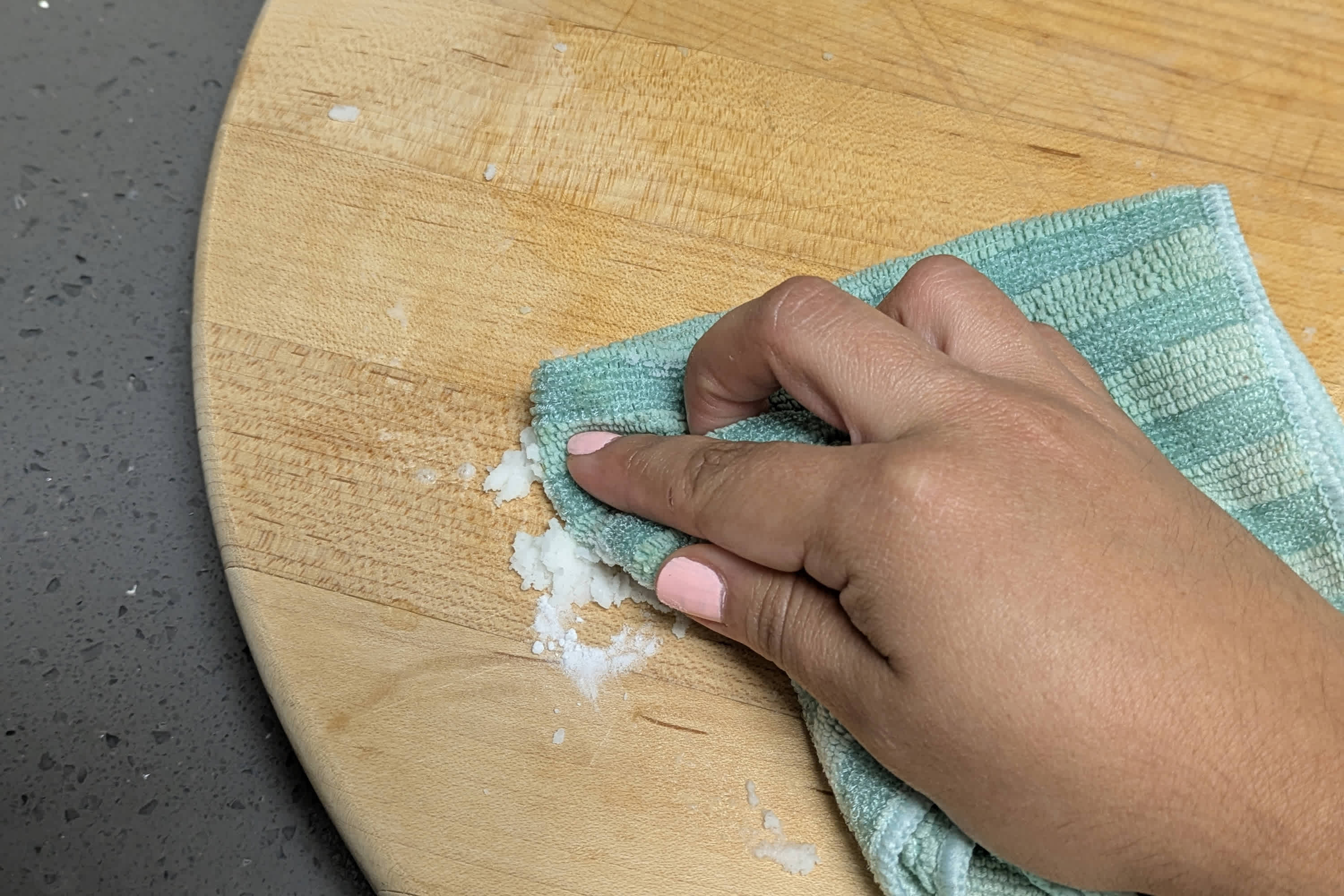
Credit: www.thekitchn.com
Frequently Asked Questions
How Often Should I Season A New Cutting Board?
Season a new cutting board before first use and then monthly. Regular seasoning keeps wood hydrated and prevents cracking or warping. It also creates a natural, non-stick surface that protects the board from stains and odors.
What Type Of Oil Is Best For Seasoning Boards?
Use food-safe oils like mineral oil or beeswax-based products. Avoid vegetable or olive oils as they can go rancid. Mineral oil is odorless, tasteless, and deeply penetrates wood, making it ideal for cutting board care.
Can I Use Butter Or Cooking Oil To Season Boards?
No, avoid butter or cooking oils since they spoil quickly. These oils can create sticky residue and attract bacteria. Always use food-safe mineral oil or specialized cutting board conditioners for best results.
How Do I Apply Oil Properly To A New Board?
Apply a generous coat of oil with a clean cloth. Rub oil evenly over all surfaces, including edges. Let it soak for at least a few hours or overnight. Wipe off excess oil before use.
Conclusion
Seasoning a new cutting board keeps it safe and long-lasting. Oil helps stop cracks and warping. Regular care keeps your board fresh and clean. Use simple steps to protect your wood daily. A well-seasoned board feels smooth and looks great.
Keep your cutting board ready for all your cooking. Small efforts bring big benefits over time. Enjoy cooking with a strong, healthy cutting board.