You’ve got a non-stick pan, but do you really know how to take care of it? Seasoning your pan might sound like something only cast iron needs, but it’s actually a game-changer for non-stick cookware too.
When you season your pan the right way, you protect its surface, boost its performance, and make your cooking experience smoother than ever. Ready to unlock the secret to a longer-lasting, stick-free pan? Keep reading, and you’ll learn simple steps that anyone can follow to get the best out of your non-stick pan every single time.

Credit: circulon.uk.com
Why Season A Non Stick Pan
Seasoning a non stick pan helps keep its surface smooth and effective. It adds a thin layer of oil that protects the pan from damage.
This process makes cooking easier and keeps your pan working well for longer.
Benefits Of Seasoning
Seasoning a non stick pan improves its performance and helps prevent scratches. It also reduces the chance of food sticking to the surface.
- Creates a natural non-stick layer
- Protects the pan from scratches and wear
- Makes cleaning easier after cooking
- Improves heat distribution during cooking
Extending Pan Lifespan
Regular seasoning helps your pan last longer by keeping its surface strong. It reduces damage from heat and cleaning tools.
| Effect | How Seasoning Helps |
| Scratch Resistance | Oil layer protects from sharp utensils |
| Rust Prevention | Seals surface to block moisture |
| Heat Protection | Reduces damage from high temperatures |
| Ease of Cleaning | Prevents food from sticking tightly |
Choosing The Right Oil
Seasoning a non-stick pan helps protect its surface and improve cooking. Choosing the right oil is important for a good seasoning layer.
Some oils work better than others because of their smoke points and how they bond to the pan’s surface.
Best Oils For Seasoning
Oils with high smoke points and good polymerization properties create a strong, durable coating.
- Flaxseed oil: Dries hard and forms a solid layer.
- Canola oil: Affordable with a high smoke point.
- Grapeseed oil: Light taste and high smoke point.
- Safflower oil: Good for high heat seasoning.
- Vegetable oil: Easy to find and works well.
Oils To Avoid
Oils with low smoke points or heavy flavors can damage the pan or leave sticky residue.
| Oil Type | Reason to Avoid |
| Butter | Low smoke point, burns easily |
| Olive oil (extra virgin) | Low smoke point and strong flavor |
| Coconut oil | Leaves sticky residue |
| Animal fats | May go rancid and smell bad |
Preparing The Pan
Seasoning a non-stick pan helps keep its surface smooth and durable. Preparing the pan correctly makes seasoning more effective. This guide covers cleaning and drying before you start.
Proper preparation removes dirt and moisture. This allows the seasoning oil to bond well with the pan’s surface. Follow these simple steps to get ready.
Cleaning Before Seasoning
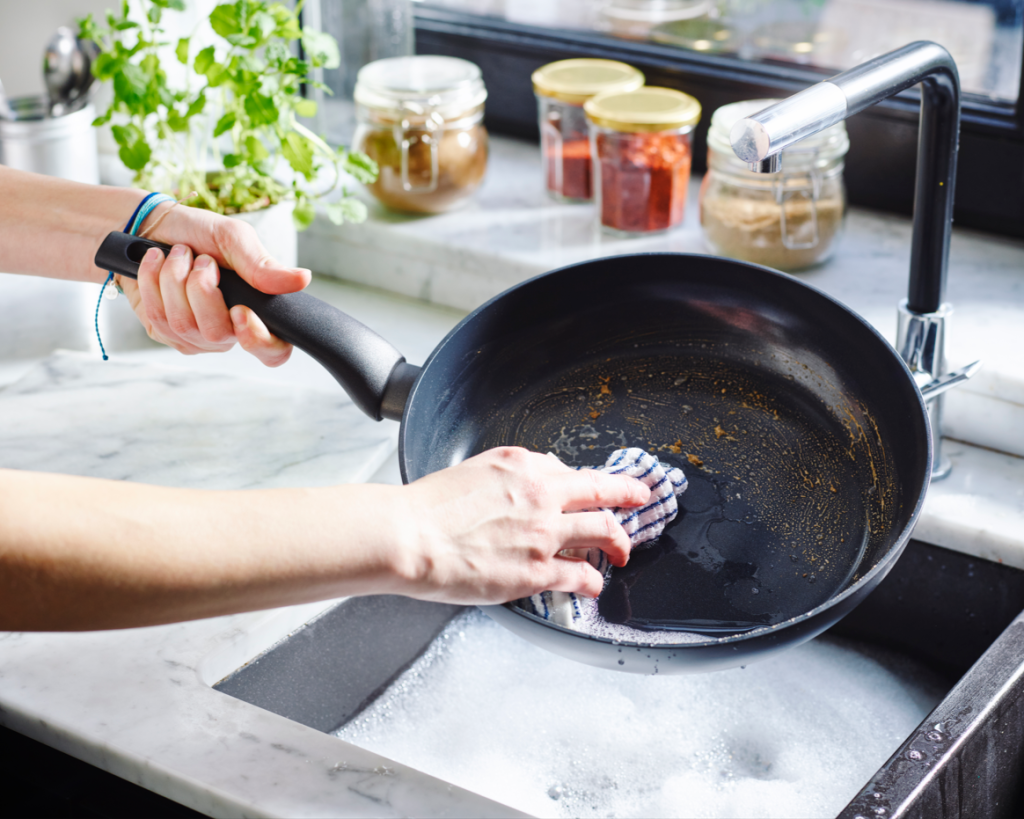
Cleaning removes dust, grease, and food residue. Use mild soap and warm water. Avoid harsh scrubbing to protect the non-stick coating.
- Rinse the pan with warm water.
- Apply a small amount of mild dish soap.
- Gently wipe with a soft sponge or cloth.
- Rinse thoroughly to remove all soap.
- Dry the pan with a clean towel.
Drying Techniques
Drying the pan completely prevents water spots and rust. Use these techniques to dry your pan well before seasoning.
| Drying Method | Description |
|---|---|
| Towel Dry | Use a soft, absorbent towel to wipe the pan dry. |
| Air Dry | Place the pan upside down on a rack and let it dry naturally. |
| Low Heat Dry | Heat the pan on low stove heat for a few minutes to remove moisture. |
Credit: misen.com
Seasoning Steps
Seasoning a non-stick pan helps keep its surface smooth and long-lasting. It creates a thin layer that protects the pan from damage.
Follow these simple steps to season your non-stick pan properly. This will improve cooking and cleaning results.
Applying Oil Evenly
Start by choosing a cooking oil with a high smoke point, like vegetable or canola oil. Pour a small amount of oil into the pan.
Use a paper towel to spread the oil evenly over the entire surface. Make sure to cover the bottom and sides lightly but completely.
Heating Methods
Place the pan on the stove over low to medium heat. Heat it slowly to avoid damaging the non-stick coating.
- Heat the pan for about 5 minutes until the oil starts to shimmer.
- Avoid overheating or smoking the oil.
- Do not use high heat as it can ruin the pan.
You can also heat the pan in an oven at 300°F (150°C) for 10 minutes. This helps the oil bond with the surface better.
Cooling And Wiping
After heating, remove the pan from the heat source carefully. Let it cool down completely at room temperature.
Once cool, use a clean paper towel to wipe off any extra oil. The surface should feel smooth and not sticky.
Maintaining Seasoned Pans
Seasoned pans need care to keep their non-stick surface working well. Proper maintenance helps your pan last longer and cook better.
Clean and re-season your pan regularly to protect the seasoning layer. This guide shows how to do it right.
Cleaning After Use
Clean your seasoned pan gently after every use. Avoid harsh scrubbing or strong detergents that can damage the seasoning.
- Use warm water and a soft sponge to wash the pan.
- Do not soak the pan for a long time to prevent rust.
- Dry the pan immediately with a soft cloth or paper towel.
- Apply a thin layer of cooking oil after drying to keep the surface protected.
Re-seasoning Tips
Re-season your pan when food starts sticking or the surface looks dull. This restores the non-stick coating and keeps the pan safe to use.
| Action | Details |
|---|---|
| Clean the pan | Wash with warm water and mild soap, then dry well. |
| Apply oil | Use a thin layer of vegetable or flaxseed oil inside the pan. |
| Heat the pan | Place on medium heat for 10 minutes or bake at 350°F (175°C) for 1 hour. |
| Cool down | Let the pan cool before wiping off excess oil. |
Common Mistakes To Avoid
Seasoning a non-stick pan is important for its performance and lifespan. Some mistakes can damage the surface or make seasoning less effective.
Knowing what to avoid helps you keep your pan in good shape and ready for cooking.
Using Too Much Oil
Adding too much oil during seasoning can cause sticky residue on your pan. This makes cooking and cleaning harder.
- Use only a thin layer of oil to coat the pan evenly.
- Excess oil can pool and create sticky spots.
- Wipe off extra oil with a paper towel before heating.
- Choose oils with a high smoke point for better results.
Overheating The Pan
Heating the pan too much can ruin the non-stick coating. It may cause warping or release harmful fumes.
| Problem | Effect | How to Avoid |
| Overheating | Damage to coating | Keep heat medium or low |
| Smoking oil | Unpleasant smell and fumes | Use oils with high smoke points |
| Warping | Uneven cooking surface | Do not leave empty pan on heat |

Credit: fromourplace.com
Frequently Asked Questions
How Do I Prepare A New Non-stick Pan?
To prepare a new non-stick pan, first wash it with warm, soapy water. Rinse and dry thoroughly. Then, lightly coat the interior with vegetable oil. Heat the pan on low for a few minutes. This process helps to enhance the pan’s non-stick properties and extends its lifespan.
Why Should I Season My Non-stick Pan?
Seasoning a non-stick pan helps maintain its non-stick surface. It prevents food from sticking and makes cleaning easier. This process also extends the pan’s life by protecting the coating. Regular seasoning can improve cooking performance and ensure your non-stick pan remains in top condition for longer.
Can I Use Olive Oil To Season?
Using olive oil for seasoning is not recommended. Olive oil has a low smoke point and can degrade the non-stick coating. Instead, use oils with higher smoke points, like vegetable or canola oil. These oils are more effective in creating a protective layer on the pan’s surface.
How Often Should I Season My Non-stick Pan?
Season your non-stick pan every few months, depending on usage. If you notice food sticking or the surface looks dull, it’s time to season. Regular seasoning maintains the pan’s non-stick properties. This practice ensures your pan stays efficient and easy to clean.
Conclusion
Seasoning a non-stick pan keeps it safe and lasts longer. Follow simple steps to keep your pan smooth and shiny. Regular care stops food from sticking and makes cleaning easy. Use the right oil and heat for best results. A well-seasoned pan helps you cook tasty meals every time.
Take a little time to season your pan well. Enjoy cooking with a pan that works just right. Keep your kitchen tools in good shape and save money. Simple care makes a big difference in cooking quality.