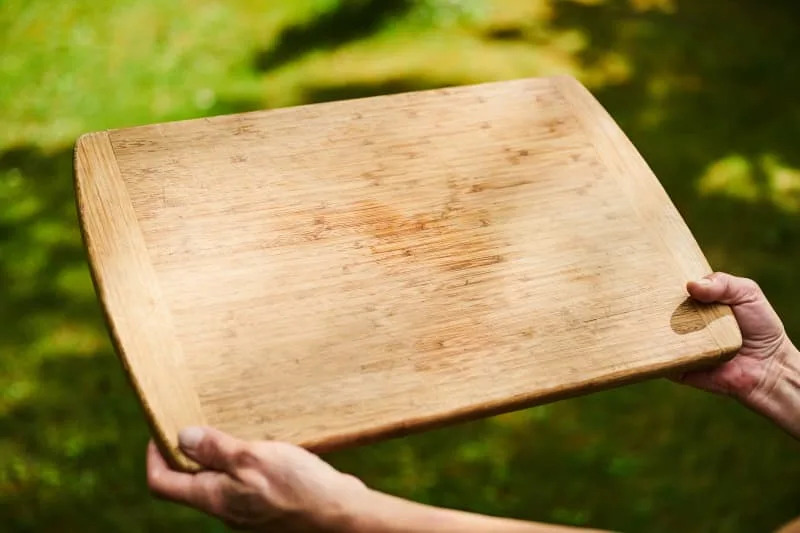
Your wood cutting board is more than just a kitchen tool—it’s an investment that can last for years if you take care of it properly. But have you ever noticed your board drying out, cracking, or even absorbing unwanted smells?
The secret to keeping your cutting board strong, smooth, and odor-free lies in one simple step: seasoning. You’ll discover exactly how to season a wood cutting board the right way. By following these easy tips, you’ll protect your board, make it safer for food prep, and even enhance its natural beauty.
Keep reading to unlock the simple routine that will transform your cutting board into a kitchen hero you can rely on every day.

Credit: www.souschef.co.uk
Choosing The Right Oil
Seasoning a wood cutting board keeps it safe and long-lasting. The right oil protects the board from cracks and stains.
Not all oils work well for cutting boards. Some oils can go bad or harm the wood.
Food-safe Oils
Food-safe oils keep your cutting board healthy and safe for cooking. These oils do not go rancid quickly.
- Mineral oil is clear, odorless, and safe for food contact.
- Fractionated coconut oil stays liquid and does not spoil.
- Walnut oil adds a nice finish but may cause allergies.
- Pure tung oil hardens and protects wood well.
Use these oils to keep your cutting board smooth and water-resistant.
Oils To Avoid
Some oils spoil fast and make your board sticky or smelly. Avoid these oils to keep your board safe.
- Olive oil can go rancid and leave a bad smell.
- Vegetable oils like canola or corn spoil quickly.
- Nut oils not labeled food-safe may cause allergies or spoil.
- Baby oil or motor oil are not safe for food use.
Choose oils that stay fresh and are safe for food contact to protect your board.
Credit: choppingboards.in
Preparing The Board
Seasoning a wood cutting board makes it last longer. It also keeps food safe and stops the wood from drying out.
Before seasoning, you must prepare the board well. This includes cleaning, drying, and sanding it smooth.
Cleaning And Drying
Start by washing the board with warm water and mild soap. Use a soft sponge to remove dirt and stains.
Do not soak the board in water. It can cause the wood to crack or warp.
After washing, dry the board with a clean towel. Stand it upright to air dry completely.
Sanding For Smoothness
Check the board’s surface for rough spots or splinters. Sand these areas using fine-grit sandpaper.
Sanding makes the surface smooth and ready to absorb oil. Wipe away dust with a damp cloth afterward.
Applying The Oil
Seasoning a wood cutting board keeps it strong and safe for food. Applying oil helps protect the wood from water and stains.
Use the right amount and spread the oil evenly. This ensures your board stays in good condition for a long time.
Amount To Use
Use enough oil to cover the entire surface of the board. Too little oil will not protect the wood well.
A tablespoon or two is usually enough for a medium-sized board. Add more if the wood absorbs it quickly.
Techniques For Even Coverage
Apply the oil with a clean, soft cloth or paper towel. Spread it in small circles to cover all areas.
Rub the oil into the wood, paying attention to edges and corners. Let the board absorb the oil for a few hours or overnight.

Credit: forest-decor.com
Letting The Oil Absorb
After applying oil to your wood cutting board, it needs time to soak in. This step helps protect the wood and keeps it from drying out. Letting the oil absorb properly makes the board last longer and stay smooth.
Patience is key. The wood will drink the oil like a sponge, filling its pores and strengthening the surface. This makes your board ready for safe food prep.
Optimal Absorption Time
Let the oil sit on the board for at least a few hours. Most people wait between 4 to 6 hours. This time lets the wood soak up the oil fully.
If you can, leave the board overnight. This gives the oil more time to work deeply into the wood.
- Wait at least 4 hours before wiping off extra oil
- Overnight is better for dry or old boards
- Use a warm, dry place to help absorption
Reapplying If Needed
Check your board after the oil has had time to absorb. If the wood looks dry or dull, add another coat. Some boards need more oil to be fully protected.
Apply thin layers and let each one soak in well. This builds a strong finish without making the surface sticky.
- Apply more oil if the wood still looks dry
- Wait the same absorption time between layers
- Stop adding oil once the surface feels smooth and looks shiny
Maintaining The Board
Keeping your wood cutting board in good shape takes regular care. Proper maintenance stops cracks and warping.
Oiling the board protects the wood and keeps it looking fresh. Avoid common mistakes to extend its life.
Regular Oiling Schedule
Apply oil to your board every few weeks or after heavy use. Use food-safe mineral oil or beeswax for best results.
- Clean the board with warm, soapy water and dry it well.
- Pour a small amount of oil onto the surface.
- Spread the oil evenly using a clean cloth.
- Let the oil soak in for at least an hour.
- Wipe off any extra oil with a dry cloth.
Avoiding Common Mistakes
| Mistake | Why to Avoid | How to Fix |
|---|---|---|
| Using cooking oil | Can turn sticky and rancid | Use mineral oil or beeswax instead |
| Skipping oiling | Board dries out and cracks | Oil regularly as scheduled |
| Soaking in water | Wood warps or splits | Wash quickly and dry immediately |
| Using harsh detergents | Removes natural oils from wood | Clean with mild soap and water only |
Signs Your Board Needs Reseasoning
Wood cutting boards need care to stay strong and safe. Over time, the wood can dry out or soak up water. These signs show it is time to reseason your board.
Seasoning helps protect the wood and keeps it smooth. Look for these clues to know when to reseason your cutting board.
Dryness And Cracks
Dry wood looks faded and rough. It may start to crack or split in some areas. Cracks let bacteria hide and can damage the board.
If your board feels dry or you see small cracks, it is time to reseason. This will add moisture and protect the wood.
Water Absorption Test
Test your board by dropping a few water drops on it. Watch how the wood reacts in the next few minutes.
If the water soaks in quickly, your board needs reseasoning. Well-seasoned wood repels water and keeps the surface dry.
Frequently Asked Questions
How Often Should You Season A Wood Cutting Board?
Season your wood cutting board once a month to maintain its condition. Regular seasoning prevents cracks and warping. It also extends the board’s lifespan. If used frequently, consider seasoning every two weeks. This helps maintain its moisture and durability. Proper care ensures your board remains in top shape.
What Oil Is Best For Seasoning Wood Cutting Boards?
Food-grade mineral oil is ideal for seasoning wood cutting boards. It penetrates the wood, offering excellent protection. This oil prevents moisture absorption and bacterial growth. Other suitable options include beeswax and coconut oil. Always avoid vegetable oils, as they can turn rancid.
Choose oils specifically designed for cutting boards.
Can I Use Olive Oil For Seasoning?
Avoid using olive oil for seasoning cutting boards. Olive oil can become rancid over time. It doesn’t penetrate wood as effectively as mineral oil. This can lead to unpleasant odors and decreased board quality. Stick to food-grade mineral oil for best results.
It’s safe and ensures long-lasting board protection.
How Do I Clean My Cutting Board Before Seasoning?
Clean your cutting board with warm, soapy water before seasoning. Scrub gently to remove food residues. Rinse thoroughly and dry with a clean towel. Ensure the board is completely dry before applying oil. This helps the oil absorb better. Regular cleaning prevents bacteria build-up and maintains board hygiene.
Conclusion
Seasoning a wood cutting board keeps it strong and safe to use. Oil helps protect the wood from water and stains. Regular care stops cracks and warping over time. Simple steps can make your board last for years. Clean the board, apply oil, and let it soak well.
Repeat this process every month or after heavy use. A well-seasoned board stays fresh and looks great in your kitchen. Take small steps now for lasting results later. Your wood cutting board will thank you.