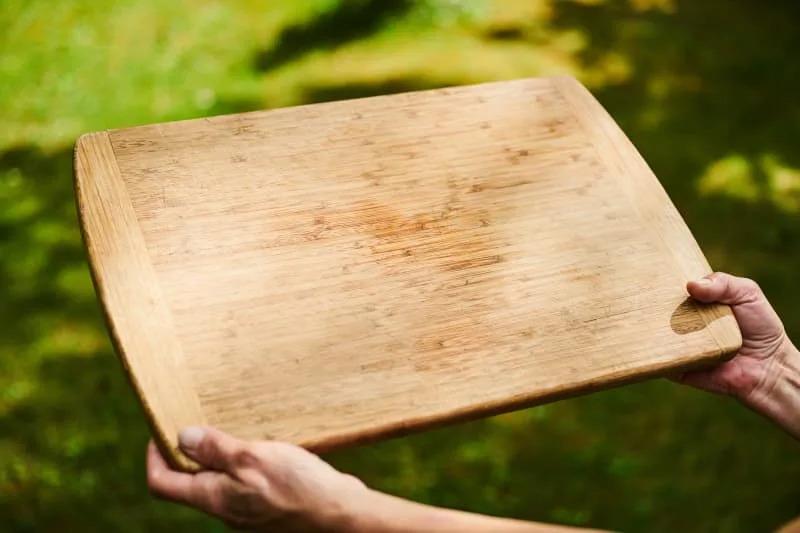
Your wood cutting board is more than just a kitchen tool—it’s an investment that can last for years if you take care of it properly. But did you know that seasoning your cutting board is the key to keeping it strong, smooth, and safe for food?
Without the right care, your board can crack, warp, or soak up unwanted smells and bacteria. You’ll discover simple, step-by-step tips to season your wood cutting board like a pro. By the time you finish reading, you’ll have the confidence to protect your board and keep it looking and working its best every day.
Ready to give your cutting board the care it deserves? Let’s get started.
Choosing The Right Oil
Seasoning a wood cutting board protects it from water and cracks. The right oil keeps the wood strong and safe for food.
Not all oils work well on cutting boards. Some oils can spoil or make the board sticky. Choose an oil that is safe and lasts long.
Food-safe Oils To Consider
Food-safe oils help keep your cutting board in good shape. They soak in well and do not go bad quickly.
- Mineral oil is clear, cheap, and easy to find. It does not spoil.
- Coconut oil has natural antibacterial properties and smells nice.
- Walnut oil is good but may cause allergies in some people.
- Beeswax mixed with oil adds extra protection and shine.
Oils To Avoid
Some oils are not good for cutting boards. They can become sticky or go rancid, which smells bad and harms the wood.
- Vegetable oils like olive, sunflower, and canola oil can spoil fast.
- Cooking oils often turn sticky and attract dirt.
- Oils with strong smells can leave bad odors on the board.

Credit: forest-decor.com
Preparing The Board
Seasoning a wood cutting board helps protect it from damage. Preparing the board correctly makes seasoning effective.
Start by cleaning and drying the board well. This ensures the oil soaks in properly.
Cleaning Before Seasoning
Clean the board to remove dirt and food particles. Use warm water and mild soap.
Scrub gently with a soft sponge. Avoid soaking the board in water.
- Rinse with warm water
- Use mild dish soap
- Scrub with a soft sponge
- Do not soak the board
- Dry with a clean towel after washing
Drying Techniques
Dry the board completely before applying oil. Moisture blocks the oil from soaking in.
Air dry the board standing upright. This helps both sides dry evenly.
- Wipe the board with a dry towel
- Stand it on its edge in a well-ventilated area
- Allow at least a few hours to dry fully
- Do not use a hairdryer or heater
Applying The Oil
Seasoning a wood cutting board keeps it strong and clean. Applying oil is key to protect the wood from water and cracks.
Use the right amount and method to get the best results. This guide covers how much oil to use and how to apply it properly.
How Much Oil To Use
Use enough oil to cover the whole surface evenly. Too little oil will not protect the wood well. Too much oil can leave a sticky finish.
- Start with about one tablespoon for small boards
- Use two to three tablespoons for larger boards
- Add more if the wood soaks it up quickly
- Make sure the board looks wet but not dripping
Best Application Methods
Apply oil with clean hands or a soft cloth. Spread it evenly and let it soak in well. Repeat if needed for better protection.
| Method | Details | Tips |
| Cloth Application | Use a soft, lint-free cloth to rub oil on the board. | Use circular motions for even coverage. |
| Brush Application | Use a clean brush to apply oil to hard-to-reach areas. | Work oil into corners and edges carefully. |
| Hands Application | Use clean hands to rub oil evenly over the surface. | Massage oil in and check for dry spots. |

Credit: www.youtube.com
Letting The Oil Soak
After applying oil to your wood cutting board, it needs time to soak in. This step helps protect the wood and keeps it from drying out.
Proper soaking allows the oil to penetrate deep, making the board last longer and stay food-safe.
Optimal Soaking Time
Let the oil soak into the board for the right amount of time. Too short, and the board won’t absorb enough oil. Too long, and the surface may feel sticky.
- Allow the board to rest at room temperature for at least 4 hours.
- For best results, leave it overnight to soak fully.
- If the surface feels oily after soaking, wipe off the excess with a clean cloth.
Signs The Board Is Ready
Check your board to see if it has absorbed the oil properly. These signs show it is ready for use.
| Sign | What It Means |
|---|---|
| Matte, smooth surface | Oil has soaked in well |
| No sticky or wet spots | Excess oil wiped off properly |
| Wood feels nourished but not greasy | Perfect balance of oil absorption |
| No dark or blotchy areas | Even oil distribution |
Removing Excess Oil
After applying oil to your wood cutting board, it is important to remove any extra oil. Too much oil can make the surface sticky. Removing excess oil helps keep the board smooth and dry.
Proper removal of extra oil also prevents dust and dirt from sticking. This keeps your cutting board clean and safe for food use.
Wiping Techniques
Use a clean, soft cloth to wipe off extra oil. Wipe in circular motions to cover the entire surface. Make sure to check the edges and corners.
Change or wash the cloth if it becomes too oily. This stops oil from spreading back onto the board.
- Use a lint-free cotton cloth or microfiber towel
- Wipe gently but firmly in circles
- Focus on edges and corners
- Replace cloth if too saturated
Avoiding Sticky Residue
Sticky residue forms when too much oil stays on the board. Let the board sit for about 20 minutes after wiping. This helps the oil soak in properly.
If the surface feels sticky, wipe it again with a dry cloth. Avoid applying oil too often to prevent buildup.
- Let the board rest for 20 minutes after oiling
- Check for stickiness before use
- Wipe again if sticky
- Oil only as needed, not daily

Credit: www.souschef.co.uk
Maintaining Your Board
Taking care of your wood cutting board keeps it safe and strong. Proper maintenance stops cracks and warping.
Seasoning and cleaning help your board last longer and stay good for food use.
Regular Seasoning Schedule
Season your wood board often to keep it from drying out. Oil fills the wood and protects it from water damage.
Use food-safe mineral oil or beeswax. Apply oil when the board looks dry or dull.
- Season your board once a month if used daily
- Apply a thin, even layer of oil with a clean cloth
- Let the oil soak in for several hours or overnight
- Wipe off any extra oil before storing the board
- If the board cracks, sand lightly before oiling
Cleaning After Use
Clean your wood board right after use to stop stains and smells. Use warm water and mild soap only.
Never soak the board in water or put it in a dishwasher. That can cause the wood to crack.
- Rinse the board with warm water after cutting
- Use a soft sponge and mild soap to clean it
- Dry the board fully with a towel right away
- Stand the board upright to air dry completely
- For odors, rub the board with lemon or baking soda
Common Mistakes To Avoid
Seasoning a wood cutting board keeps it strong and clean. Avoid mistakes that can damage the wood or lower its life.
Learn the most common errors to get the best results when you season your board.
Using The Wrong Oil
Many people use cooking oils like olive or vegetable oil. These oils can go bad and make the board sticky.
Use food-safe mineral oil or special cutting board oils instead. These oils do not spoil and protect wood well.
Applying Too Much Oil
Putting too much oil can make the surface wet and soft. The board may feel sticky and attract dust.
Apply a thin layer and let it soak in. Add more oil only if the wood looks dry after some hours.
Skipping Regular Seasoning
Some users season their boards only once. This leaves the wood dry and easy to crack over time.
Season your board regularly, especially if you use it often. This keeps the wood hydrated and strong.
Not Cleaning The Board Before Seasoning
Oiling a dirty board traps germs and food bits in the wood. This can cause bad smells and bacteria growth.
Always wash and dry the board well before applying oil. Clean surfaces absorb oil better.
Using Heat To Dry The Board
Some people dry their boards with heaters or in the sun. Too much heat can cause the wood to warp or crack.
Let the board air dry at room temperature after seasoning. This protects the wood’s shape and strength.
Additional Care Tips
Seasoning your wood cutting board keeps it safe and strong. Good care helps it last longer. Follow these tips to keep your board in great shape.
Simple habits can stop damage like warping or cracking. Proper storage also protects your board from harm.
Avoiding Warping And Cracks
Wood can change shape if it dries too fast or soaks too long. This causes warping and cracks. Keep your board safe by drying it well.
Do not leave your board in water or near heat. Always dry it with a towel right after washing. Let it air dry standing up so both sides dry evenly.
- Wash by hand with mild soap and warm water
- Dry immediately with a clean towel
- Stand board on its side to air dry
- Avoid soaking or using a dishwasher
- Apply oil regularly to keep wood hydrated
Storing Your Board Properly
Where and how you store your cutting board affects its life. Avoid damp or hot places that can damage the wood.
Keep your board in a dry, cool spot with good air flow. Store it standing on its side or flat on a dry surface to prevent bending.
- Store in a dry place away from heat sources
- Keep board upright or flat, not leaning
- Avoid stacking heavy items on top
- Use a rack for better air circulation
Frequently Asked Questions
Why Season A Wood Cutting Board?
Seasoning a wood cutting board prolongs its life and enhances its durability. It helps prevent warping and cracking. The process also creates a barrier against bacteria and moisture. Proper seasoning enhances the board’s appearance by bringing out its natural grain.
Regular maintenance ensures a safe and attractive surface for food preparation.
How Often Should I Season My Board?
Season your wood cutting board every month or when it looks dry. Regular seasoning keeps the wood hydrated and prevents damage. If you use the board frequently, consider more frequent applications. Consistent maintenance helps maintain its appearance and functionality. Always clean and dry the board thoroughly before applying oil.
What Oil Is Best For Seasoning?
Use food-grade mineral oil for seasoning your wood cutting board. It’s safe, odorless, and prevents bacterial growth. Avoid using vegetable or olive oils, which can go rancid. Mineral oil deeply penetrates the wood, providing excellent protection. Consider using beeswax for added shine and moisture resistance.
Always choose oils specifically designed for cutting boards.
Can I Use Olive Oil For Seasoning?
Avoid using olive oil for seasoning wood cutting boards. Olive oil can go rancid and leave an unpleasant smell. It also doesn’t penetrate the wood effectively. Instead, opt for food-grade mineral oil or specialized cutting board oils. These options provide better protection and longevity.
Proper oil choices ensure a safe and durable cutting surface.
Conclusion
Seasoning a wood cutting board keeps it strong and safe to use. It stops the wood from drying out and cracking. Regular oiling also helps to prevent stains and smells. Your board will last longer with proper care. Simple steps can make a big difference.
Enjoy cooking with a clean, smooth cutting board every time. Keep your board healthy; it will serve you well. Try seasoning it today and see the change.