Choosing the right air conditioner can make a huge difference in your comfort and energy bills. But with so many options out there, how do you know which one fits your needs perfectly?
This guide will help you cut through the confusion and find an air conditioner that keeps your space cool without breaking the bank. By the time you finish reading, you’ll feel confident about making a smart, informed choice that suits your home and lifestyle.
Keep reading—your ideal cooling solution is just a few steps away.
Credit: www.homedepot.com
Types Of Air Conditioners
Choosing the right air conditioner depends on your space and needs. Different types offer different benefits and costs.
Here are the main types of air conditioners you can consider for your home or office.
Window Units
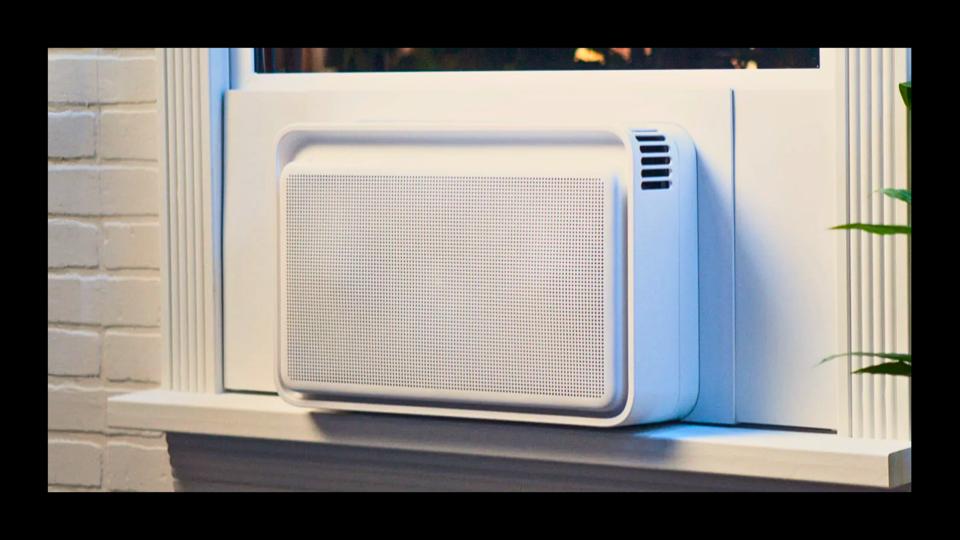
Window units are compact systems installed in a window opening. They cool single rooms well and are easy to install.
They are affordable but can block natural light and the view from the window.
Split Systems
Split systems have two parts: one inside and one outside the building. They cool one or more rooms quietly and efficiently.
- Indoor unit blows cool air
- Outdoor unit releases heat
- Easy to control temperature
- Good for homes without window space
Portable Models
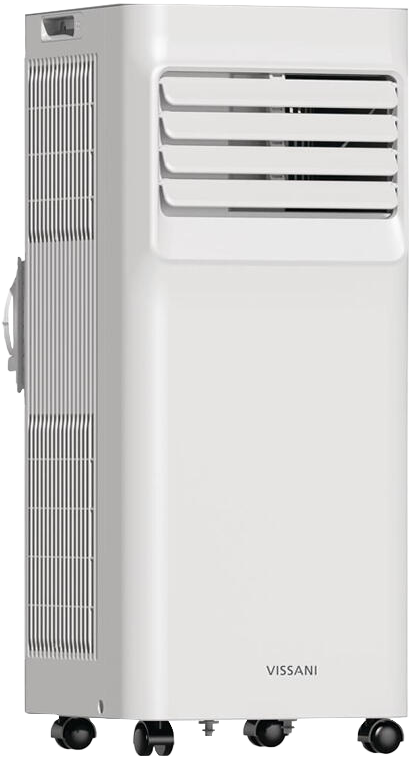
Portable air conditioners can be moved from room to room. They need a vent for hot air, usually through a window.
These units are good for renters or temporary cooling needs.
Central Air Conditioning
Central air conditioning cools the whole house using ducts and vents. It offers even cooling and better air filtration.
| Feature | Window Units | Split Systems | Portable Models | Central AC |
| Coverage | Single room | One or more rooms | Single room | Whole house |
| Installation | Window | Wall and outside | Portable, vent needed | Ductwork required |
| Cost | Low | Medium | Medium | High |
| Mobility | Fixed | Fixed | Portable | Fixed |
Sizing Your Air Conditioner
Choosing the right size air conditioner helps keep your room comfortable. A unit that is too small or too big wastes energy and money.
Understanding room size, cooling power, and energy use is key to making the right choice.
Calculating Room Size
Measure the length and width of your room in feet. Multiply these numbers to get the square footage. This number helps determine the cooling power needed.
- Measure room length (feet)
- Measure room width (feet)
- Multiply length by width for area
Btu Requirements
BTU means British Thermal Unit. It measures the cooling power of an air conditioner. The bigger the room, the higher the BTU needed.
| Room Size (sq ft) | BTU Needed |
|---|---|
| 100 – 300 | 5,000 – 6,000 |
| 301 – 500 | 7,000 – 8,000 |
| 501 – 700 | 9,000 – 10,000 |
| 701 – 1,000 | 12,000 |
Energy Efficiency Considerations
Look for air conditioners with good energy ratings. Efficient models use less electricity and save money on bills.
- Check the Energy Efficiency Ratio (EER)
- Choose models with ENERGY STAR label
- Consider inverter technology for variable cooling
- Regular maintenance keeps efficiency high
Energy Efficiency Ratings
Energy efficiency ratings help you find air conditioners that use less power. Choosing a unit with good ratings saves energy and money.
These ratings show how well the air conditioner cools your space while using electricity wisely.
Seer And Eer Explained
SEER means Seasonal Energy Efficiency Ratio. It measures cooling efficiency over a whole cooling season.
EER stands for Energy Efficiency Ratio. It shows efficiency at a specific temperature, usually hot days.
- Higher SEER means better energy use all season.
- Higher EER means better efficiency on hot days.
- Look for units with high SEER and EER for savings.
Energy Star Certification
Energy Star is a label for energy-efficient products. Air conditioners with this label meet strict energy rules.
This certification means the unit uses less electricity and helps the environment.
- Energy Star models reduce electricity bills.
- They lower greenhouse gas emissions.
- Certified units often have better technology.
Long-term Cost Savings
Energy-efficient air conditioners cost less to run over time. They use less electricity for the same cooling.
Spending a little more upfront can save money on bills for years.
- Lower energy bills each month.
- Less need for repairs due to better design.
- Increased home value with efficient appliances.

Credit: www.popularmechanics.com
Essential Features To Look For
Choosing the right air conditioner is important for comfort and energy savings. It is not just about cooling power but also about the features it offers.
Here are some key features to help you select an air conditioner that fits your needs.
Programmable Thermostats
Programmable thermostats let you set the temperature for different times of the day. This saves energy by cooling only when needed.
- Set temperature schedules for day and night
- Avoid cooling empty rooms
- Reduce electricity bills
Air Filters And Purification
Good air filters remove dust, pollen, and other particles. Some air conditioners include purification features to improve indoor air quality.
| Feature | Benefit |
| HEPA Filters | Remove small particles and allergens |
| Activated Carbon | Reduce odors and gases |
| UV Light | Kills bacteria and viruses |
Noise Levels
Look for air conditioners with low noise ratings. Quiet models make living and sleeping more comfortable.
Check the decibel (dB) level, and aim for units rated below 60 dB for indoor use.
Smart Connectivity
Smart air conditioners connect to Wi-Fi and apps. You can control them remotely and use voice commands.
Smart features include:
- Remote temperature control from your phone
- Integration with smart home devices
- Energy usage monitoring
- Scheduling and automation
Installation And Maintenance Tips
Selecting the right air conditioner includes understanding installation and upkeep. Proper care keeps your unit running well and saves money.
Below are tips on installation choices, cleaning, and fixing common problems with air conditioners.
Professional Vs. Diy Installation
Installing an air conditioner can be done by a professional or by yourself. Each choice has its benefits and risks.
- Professional Installation:Experts ensure proper setup and follow safety rules.
- DIY Installation:It can save money but needs careful reading of instructions.
- Consider:Complex wiring or heavy lifting may require a pro.
- Warranty:Some brands need professional installation to keep warranty valid.
Regular Cleaning And Filter Replacement
Cleaning your air conditioner is simple but important. Clean parts work better and last longer.
| Task | How Often | Why |
| Clean or replace filters | Every 1-3 months | Improves air quality and efficiency |
| Clean coils and fins | Yearly | Prevents overheating and damage |
| Clear drain channels | Yearly | Stops water damage and mold growth |
Troubleshooting Common Issues
Some problems with air conditioners are easy to fix. Quick checks can save a service call.
- Unit won’t start: Check power supply and thermostat settings.
- Poor cooling: Clean or replace air filters and check for blocked vents.
- Strange noises: Tighten loose parts or clear debris near the unit.
- Water leaks: Ensure drain channels are not clogged and unit is level.

Credit: bobsrepair.com
Budgeting And Warranty
Choosing an air conditioner means thinking about costs and protection. Budgeting helps you find the right unit without overspending. Warranty gives you peace of mind for repairs and service.
Knowing what to expect in price and coverage helps you make a smart choice. This guide looks at cost, warranty details, and maintenance expenses.
Balancing Cost And Quality
Air conditioners come in many prices. A low price might save money at first but may cost more later. A high-quality unit lasts longer and uses less energy.
- Set a budget before shopping
- Check energy efficiency ratings
- Compare features and brands
- Read reviews to judge durability
- Think about installation and running costs
Warranty Coverage Details
Warranties protect you from unexpected repair costs. Look for clear coverage of parts and labor. Some warranties cover the compressor longer than other parts.
| Warranty Type | Coverage Period | Notes |
| Parts | 1 to 5 years | Covers replacement parts |
| Labor | 1 year | Cost of repair work |
| Compressor | 5 to 10 years | Key part of the AC unit |
Additional Maintenance Costs
Owning an air conditioner means paying for upkeep. Regular cleaning and tune-ups keep it working well. Some repairs may not be covered by warranty.
- Filter replacements every 1-3 months
- Professional servicing once a year
- Possible repair costs outside warranty
- Energy cost to run the unit
Frequently Asked Questions
What Size Air Conditioner Do I Need?
The size of your air conditioner depends on the room’s square footage. Measure your room and consult a BTU chart. A properly sized unit ensures efficiency and comfort. Larger spaces require higher BTU ratings. Always prioritize the correct size to avoid energy waste and ensure effective cooling.
How Do I Choose Energy-efficient Air Conditioners?
Look for units with a high Energy Efficiency Ratio (EER) or Seasonal Energy Efficiency Ratio (SEER). Energy Star-rated air conditioners offer significant savings. Consider inverter technology for variable speed operations. An energy-efficient unit reduces electricity bills and minimizes environmental impact, offering long-term savings.
What Is The Difference Between Inverter And Non-inverter Ac?
Inverter ACs adjust compressor speed based on room temperature, offering efficient cooling. Non-inverter ACs operate at fixed speeds, turning on and off frequently. Inverter models save energy and maintain consistent room temperature. Although initially costlier, inverter ACs reduce electricity bills over time, making them cost-effective.
How Often Should I Service My Air Conditioner?
Service your air conditioner at least once a year. Regular maintenance ensures optimal performance and extends lifespan. Clean filters monthly and check for refrigerant leaks. Routine servicing prevents costly repairs and keeps the unit running efficiently, ensuring your comfort during peak seasons.
Conclusion
Choosing the right air conditioner can make your home comfortable. Think about the size of the room and your budget first. Energy efficiency saves money and helps the environment. Check noise levels to avoid disturbance. Easy installation and maintenance are important too.
Take your time to compare models and features. This helps you find the best fit for your needs. A good air conditioner keeps you cool without high costs. Now you know how to select an air conditioner wisely.