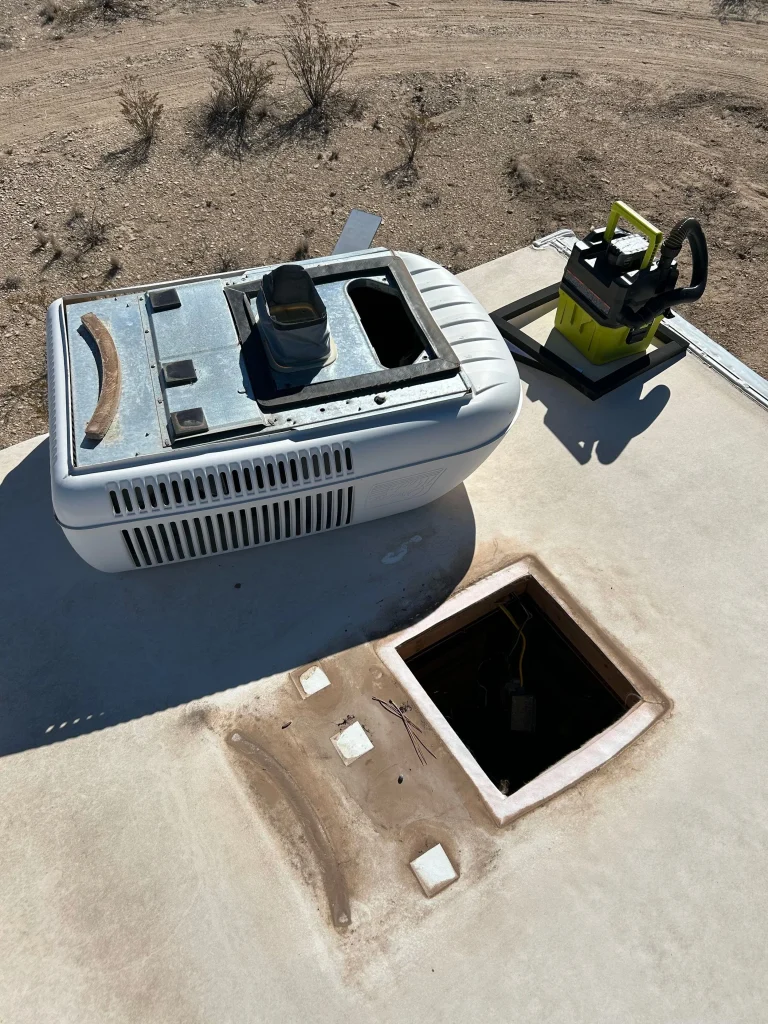
Your RV air conditioner keeps you cool and comfortable during every trip. But when it stops working properly, your adventure can quickly turn uncomfortable.
Knowing how to service your RV air conditioner yourself can save you time, money, and hassle. In this guide, you’ll learn simple steps to keep your unit running smoothly and avoid unexpected breakdowns. Keep reading to discover easy tips that anyone can follow to ensure your RV stays cool no matter where the road takes you.
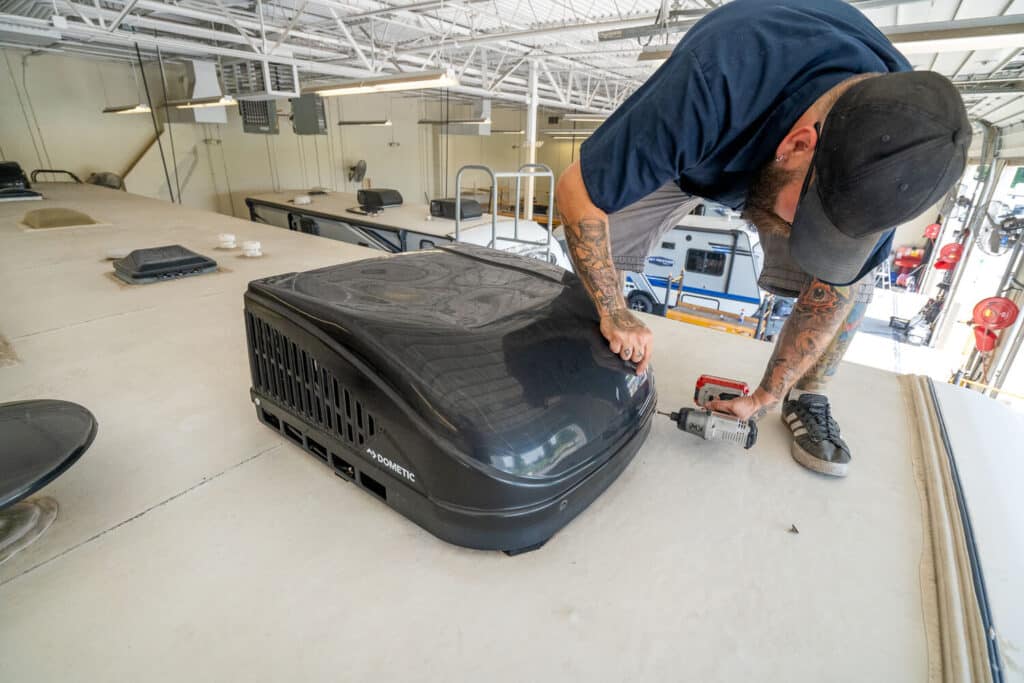
Credit: blog.campingworld.com
Signs Your Rv Ac Needs Servicing
Your RV air conditioner keeps you cool during trips. It needs regular care to work well.
Watch for signs that show your AC might need service soon. Fixing problems early saves money.
Reduced Cooling Efficiency
If your RV AC is not cooling like before, it may need servicing. Warm air or weak airflow shows trouble.
Dirty filters or low refrigerant can cause poor cooling. Check and clean parts regularly to help.
- AC takes longer to cool the space
- Temperature stays higher than set
- Air feels warm or just slightly cool
Unusual Noises
Strange sounds from your RV AC may mean a problem. Rattling, buzzing, or grinding noises are warning signs.
Noises can come from loose parts, worn belts, or motor issues. Listen carefully to catch problems early.
- Buzzing or humming louder than usual
- Rattling or clanking sounds during operation
- Grinding noises when the fan runs
Water Leaks And Moisture
Water leaking inside your RV near the AC means a problem. Moisture buildup can cause damage and mold.
Clogged drain lines or frozen coils often cause leaks. Check for water stains or puddles after use.
- Wet spots on walls or floor near AC
- Dripping water under or around the unit
- Damp or musty smell from moisture
Foul Odors
Bad smells from your RV AC show it needs cleaning. Mold or bacteria can grow inside the system.
Smells like mildew, rotten eggs, or dampness mean you should service the AC soon. Clean filters and ducts help.
- Mildew or mold smell when AC runs
- Rotten or musty odors inside the RV
- Unpleasant air even with fresh filters

Credit: www.rvacunit.com
Tools And Materials Required
Servicing an RV air conditioner needs the right tools and materials. This helps you work safely and efficiently.
Below are the key items to gather before starting your service task.
Basic Cleaning Supplies
Cleaning the air conditioner keeps it running well and lasts longer. Use these basic supplies for cleaning:
- Soft cloths or rags
- Brush with soft bristles
- Mild detergent or soap
- Water spray bottle
- Vacuum cleaner with brush attachment
- Compressed air can or air blower
Electrical Testing Tools
Testing electrical parts is important to find faults. Use these tools for safe and accurate testing:
| Tool | Purpose |
| Multimeter | Check voltage, current, and resistance |
| Test light | Detect power in wires and circuits |
| Insulated screwdrivers | Prevent electrical shock when opening panels |
| Wire stripper | Remove insulation from wires safely |
| Circuit tester | Test continuity in electrical paths |
Replacement Parts
Having spare parts ready helps fix common issues fast. Keep these parts available for your RV air conditioner:
- Air filters
- Fuses
- Capacitors
- Thermostats
- Fan belts
- Sealing gaskets
Safety Precautions Before Servicing
Servicing an RV air conditioner needs care and attention. Safety should be the first thing to think about.
Always follow safety steps to avoid accidents or damage. This guide covers important safety tips before you start.
Power Disconnection
Turn off the power to the air conditioner before you begin. This stops electric shocks and damage to parts.
Unplug the RV or switch off the breaker that controls the air conditioner. Double check power is off.
Proper Ventilation
Work in a well-ventilated area to avoid breathing in dust or fumes. Good airflow keeps you safe.
Open windows or doors near the air conditioner. This helps remove any gases or dust released during cleaning or repair.
Protective Gear
Wear protective gear to keep yourself safe from dirt and injuries. Use gloves, goggles, and a mask if needed.
- Gloves protect your hands from sharp parts and chemicals
- Goggles shield your eyes from dust and debris
- A mask helps prevent breathing in dust or fumes
Step-by-step Cleaning Process
Keeping your RV air conditioner clean helps it run better and last longer. Dirt and dust can block airflow and reduce cooling power.
This guide shows you how to clean your RV air conditioner with easy steps. Follow these to keep your AC in top shape.
Removing The Cover
First, turn off the power to your RV air conditioner. Unscrew the cover carefully. Set the screws aside to avoid losing them. Remove the cover and place it on a clean surface.
Cleaning Or Replacing Filters
Look at the air filters inside the unit. If they are dirty, clean or replace them. Clean filters help air flow well and keep the air fresh.
- Remove the filters gently.
- Use a vacuum cleaner to remove dust.
- Wash with warm soapy water if needed.
- Let the filters dry completely before reinstalling.
- Replace filters if they are torn or too old.
Cleaning Coils And Fins
The coils and fins cool the air inside your RV. Dust on them reduces cooling power. Clean them with care to avoid damage.
| Cleaning Tool | Use |
|---|---|
| Soft Brush | Remove loose dirt from fins |
| Coil Cleaner Spray | Break down grime and dust |
| Garden Hose (Low Pressure) | Rinse coils gently |
| Fin Comb | Straighten bent fins |
Spray coil cleaner and wait a few minutes. Rinse with water using low pressure. Use a fin comb to fix any bent fins for better airflow.
Clearing The Drainage System
Water drains out through a tube in the AC system. Blocked drains can cause leaks and damage. Clear the drainage system regularly.
- Locate the drain tube under the unit.
- Use a small brush or pipe cleaner to remove blockages.
- Flush the drain with water to ensure it flows freely.
- Check the drain pan for standing water and clean it.
Checking Electrical Components
Servicing your RV air conditioner includes checking its electrical parts. This helps keep the unit safe and running well.
Electrical problems often cause AC issues. Checking wires, capacitors, and the thermostat ensures they work correctly.
Inspecting Wiring And Connections
Look for loose or damaged wires around the air conditioner. Tighten any loose connections to avoid power loss.
Check wires for signs of wear, cracks, or burns. Replace any damaged wiring to prevent shorts and failures.
- Turn off power before inspecting wires
- Use a flashlight to see clearly
- Ensure connections are tight and clean
- Replace frayed or burnt wires immediately
Testing Capacitors And Relays
Capacitors help start the motor and keep it running. Test them with a multimeter for proper charge.
Relays send power to the compressor and fan. Check if they click and pass electricity as needed.
- Discharge capacitors before testing
- Set multimeter to capacitance or ohms
- Look for readings outside the normal range
- Replace faulty capacitors or relays
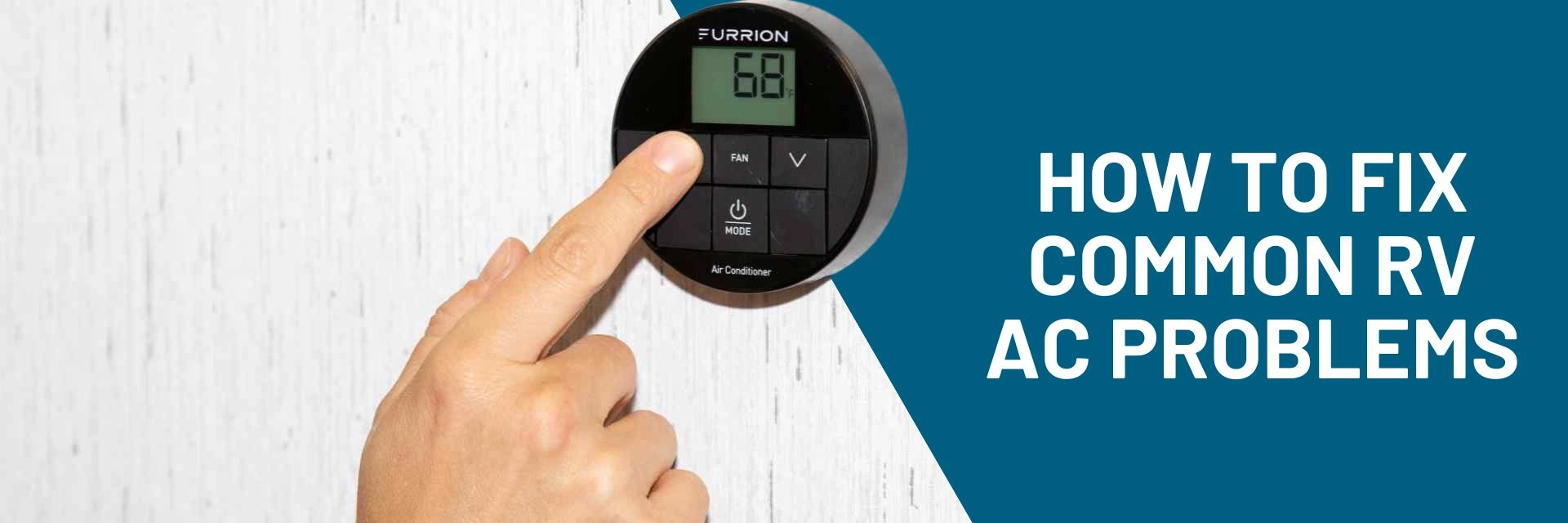
Verifying Thermostat Function
The thermostat controls the air conditioner’s temperature. Check if it turns the unit on and off correctly.
Test the thermostat by setting different temperatures. Confirm the AC responds as expected each time.
- Use a thermometer to compare room temperature
- Adjust thermostat settings slowly
- Listen for the AC turning on or off
- Replace thermostat if it does not respond
Recharging Refrigerant
Recharging the refrigerant in your RV air conditioner is important to keep it cool. Over time, refrigerant levels can drop and affect performance.
This guide helps you safely add refrigerant to your RV air conditioner. Follow these simple steps for best results.
Identifying Refrigerant Type
Check the air conditioner label to find the refrigerant type. Most RV AC units use R-134a or R-410a refrigerant.
Using the wrong refrigerant can damage the system. Always confirm the type before recharging.
- Look for a sticker on the AC unit
- Note the refrigerant name and number
- Use the exact refrigerant type listed
Locating Service Ports
Service ports let you add or check refrigerant. They are small valves on the AC unit’s refrigerant lines.
There are usually two ports: a high-pressure and a low-pressure port. Use the low-pressure port for recharging.
- Find the metal pipes near the compressor
- Look for caps labeled “high” and “low”
- Remove the cap from the low-pressure port
Safe Refrigerant Handling
Wear safety glasses and gloves when handling refrigerant. It can cause frostbite or eye injury.
Work in a well-ventilated area. Avoid breathing refrigerant vapors and keep away from flames.
- Use approved refrigerant cans and gauges
- Do not overfill the system
- Dispose of empty cans properly
- Keep refrigerant away from children and pets
Routine Maintenance Tips
Keeping your RV air conditioner in good shape helps it run well. Regular care stops problems before they start. This guide shares simple tips to keep your AC working all year.
Follow these easy steps to make sure your RV AC stays cool and lasts longer. Routine checks save time and money on repairs.
Regular Filter Replacement
Dirty filters block airflow and reduce cooling. Change or clean your air filter every month during heavy use. This keeps air clean and your AC efficient.
- Remove the filter carefully from the unit.
- Check for dust and debris buildup.
- Wash reusable filters with mild soap and water.
- Let the filter dry completely before reinstalling.
- Replace disposable filters with new ones.
Seasonal Inspections
Inspect your RV AC before and after the cooling season. Look for leaks, damaged wires, or worn parts. Fix any problems early to avoid breakdowns.
| Inspection Item | Check Point | Action Needed |
| Coils | Clean and free of debris | Clean with coil cleaner |
| Electrical Connections | No loose wires or corrosion | Tighten and clean contacts |
| Drain Lines | Clear and draining properly | Flush with water |
| Fan Motor | Runs smoothly without noise | Lubricate or replace if noisy |
Storing The Ac During Off-season
Proper storage protects your RV AC when not in use. Clean the unit and cover it to keep dust and moisture out. Store in a dry place to prevent damage.
Follow this checklist for off-season storage:
- Turn off power and unplug the AC unit.
- Clean or replace the filter.
- Remove debris from vents and coils.
- Use a breathable cover to protect the unit.
- Store in a shaded, dry area if possible.
When To Call A Professional
RV air conditioners need regular care to work well. Some problems are easy to fix. Others need a professional’s help.
Calling an expert can save you time and keep your AC safe. Know when to get help to avoid bigger issues.
Complex Electrical Issues
Electrical problems can be dangerous. If the AC does not turn on or trips breakers, call a professional.
Experts can find wiring faults and fix them safely. Avoid working with electricity if you are not trained.
Refrigerant Leaks
Refrigerant leaks reduce cooling power. These leaks need special tools to find and repair.
Only certified technicians can handle refrigerants safely. They refill and seal leaks properly.
Major Component Repairs
Parts like compressors and fans can break down over time. Fixing or replacing them needs skill.
Professionals have the tools to repair big parts and test the system after. This keeps the AC running well.
Credit: www.lippert.com
Frequently Asked Questions
How Often Should I Service My Rv Air Conditioner?
You should service your RV air conditioner at least once a year. Regular maintenance ensures efficiency and prevents costly repairs. Check filters monthly during use and clean or replace them as needed to keep air quality high and the system running smoothly.
What Tools Are Needed To Service An Rv Air Conditioner?
Basic tools include a screwdriver, coil cleaner, fin comb, and a soft brush. You may also need a vacuum and a replacement air filter. These tools help clean, inspect, and maintain your RV air conditioner properly and safely.
How Do I Clean An Rv Air Conditioner Filter?
Remove the filter and gently vacuum or wash it with mild soap and water. Let it dry completely before reinstalling. Clean filters improve airflow, boost efficiency, and extend the air conditioner’s lifespan.
Can I Service My Rv Air Conditioner Myself?
Yes, basic servicing like cleaning filters and coils is DIY-friendly. For refrigerant issues or complex repairs, consult a professional. Regular self-maintenance can prevent major problems and keep your RV air conditioner running efficiently.
Conclusion
Servicing your RV air conditioner can be simple and rewarding. Regular maintenance ensures it works efficiently. Start by cleaning filters and coils. Check for unusual noises or leaks. These steps help extend the unit’s lifespan. Always follow the manufacturer’s guidelines.
Use appropriate tools and parts. Seek professional help if needed. Enjoy a comfortable RV experience in all seasons. A well-maintained air conditioner means happier travels. Keep your journeys cool and stress-free. Stay proactive, and your RV trips will be more enjoyable.
Safe travels!