Setting up your fishing rod and line correctly can make all the difference between a frustrating day and an exciting catch. If you want to spend less time untangling knots and more time reeling in fish, this guide is for you.
You’ll learn simple, step-by-step tips that even beginners can follow. By the end, you’ll feel confident and ready to enjoy fishing like a pro. Keep reading to discover how to get your rod and line perfectly set up every time.

Credit: www.youtube.com
Choosing The Right Rod
Choosing the right fishing rod is important for a good fishing experience. The rod must fit the type of fishing and the fish you want to catch.
Different rods work best in different situations. Learning about these rods helps you pick the best one.
Types Of Fishing Rods
Fishing rods come in many types. Each type suits a special fishing style or water type.
- Spinning rods are good for beginners and light fishing.
- Baitcasting rods offer more control for experienced anglers.
- Fly rods are used for fly fishing in rivers and streams.
- Trolling rods are strong for fishing from boats.
Matching Rods To Fish Species
Match your rod to the fish you want to catch. Small fish need light rods. Bigger fish need stronger rods.
Using the right rod helps you catch fish without breaking your rod or line.
- Light rods for small fish like trout or panfish.
- Medium rods for bass, walleye, or catfish.
- Heavy rods for big fish like pike, muskie, or saltwater fish.
Material And Length Considerations
Fishing rods come in materials like graphite, fiberglass, or composite. Each has different strength and weight.
Length affects how far you can cast and how much control you have. Short rods are good for close work. Long rods cast farther.
- Graphite rods are light and sensitive but can be fragile.
- Fiberglass rods are strong and flexible but heavier.
- Composite rods mix both for balance.
- Short rods (5-6 feet) are good for small spaces and accuracy.
- Medium rods (6-7 feet) are versatile for many fishing types.
- Long rods (7-9 feet) help in casting long distances.

Credit: fishingbooker.com
Selecting The Proper Line
Choosing the right fishing line is crucial for a successful fishing experience. It can affect how your bait moves and how well you can reel in a fish.
Understanding different types of fishing lines helps in making an informed decision. Each type has its own advantages and limitations.
Line Materials Explained
Fishing lines come in various materials, each suitable for different fishing conditions and techniques.
- Monofilament: Versatile and easy to handle.
- Braided: Strong, with minimal stretch.
- Fluorocarbon: Nearly invisible in water.
Line Strength And Test Ratings
Line strength is measured in test ratings, which indicate the weight the line can hold without breaking. Higher test ratings mean stronger lines.
| Line Type | Typical Use |
| Monofilament | General fishing |
| Braided | Heavy cover areas |
| Fluorocarbon | Clear water |
Choosing Line Based On Conditions
Different fishing conditions require different types of lines. Consider water clarity, fish type, and weather when choosing a line.
Setting Up The Reel
Setting up your fishing reel correctly helps you fish better. It keeps the line smooth and prevents tangles.
This guide covers spooling the line, adjusting drag, and reel maintenance. These steps improve your fishing experience.
Spooling The Line Correctly
Spooling the line the right way avoids twists and tangles. Start by attaching the line to the reel spool firmly.
- Run the line through all guides on the rod
- Tie the line to the spool using an arbor knot
- Keep tension on the line while winding it onto the spool
- Fill the spool to about 1/8 inch below the rim
Adjusting Drag Settings
Drag controls how much resistance a fish feels when pulling the line. Set it to avoid line breaks or losing fish.
| Drag Setting | Purpose |
| Low | Light resistance for small fish |
| Medium | General use for most fish sizes |
| High | Strong resistance for big or fast fish |
Reel Maintenance Tips
Keep your reel clean and well-oiled for long use. Regular checks stop damage and improve performance.
- Rinse the reel with fresh water after saltwater fishing
- Dry it completely before storing
- Lubricate moving parts with reel oil
- Check for loose screws or worn parts
- Store in a cool, dry place
Attaching Hooks And Lures
Setting up your fishing rod with the right hooks and lures is key to a good fishing trip. The right setup helps catch fish more easily.
This guide explains how to attach hooks and lures properly for better results.
Choosing The Right Hook Size
Select hooks that match the size of the fish you want to catch. Small hooks work for small fish. Big hooks work for bigger fish.
Using the right hook size prevents losing fish or breaking your line.
- Size 8-12 hooks are good for small fish like panfish
- Size 4-6 hooks fit medium fish like bass
- Size 1/0 to 4/0 hooks suit large fish like catfish
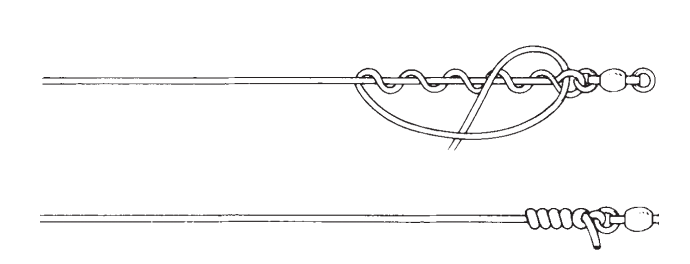
Tying Secure Knots
Tie knots tightly to keep your hook and lure from slipping off. Loose knots can cost you a catch.
Practice simple knots that are strong and easy to tie on the water.
- Improved clinch knot: strong and common for hooks
- Palisade knot: good for braided lines
- Loop knot: keeps lure movement natural
Selecting Effective Lures
Choose lures that match the fish’s food and water conditions. Bright lures work in clear water. Dark lures work in murky water.
Use different types of lures to find what fish like that day.
- Spinnerbaits: flash and vibration attract fish
- Soft plastic worms: look like real worms
- Crankbaits: dive and move like small fish
- Jigs: good for bottom feeding fish
Balancing Rod And Line
Setting up a fishing rod and line is important for a good fishing experience. Balancing the rod and line helps you cast better and feel bites more clearly.
When the rod and line work well together, you can control your fishing more easily. This guide explains how to match and test your gear for best results.
Matching Rod Action With Line Strength
Rod action means how much the rod bends when you pull on it. Line strength is how much weight the fishing line can hold.
Use a line strength that fits the rod action. Fast action rods work best with strong lines. Slow action rods need lighter lines.
- Fast action rods: use medium to heavy line
- Moderate action rods: use light to medium line
- Slow action rods: use very light line
Testing Rod Sensitivity
Sensitivity is how well you feel fish bites through the rod. Test it by tapping the rod tip lightly on a hard surface.
A sensitive rod will make tapping sounds and vibrations easy to notice. If you cannot feel taps, try a different rod or line.
- Use thinner line for better sensitivity
- Keep the line tight to feel subtle movements
- Choose rods with sensitive tips for small fish
Adjusting For Casting Distance
Casting distance depends on the balance between rod power and line weight. Heavier line can reduce casting distance.
To cast farther, use a rod with enough power and a lighter line. Practice casting to find the best setup for your needs.
- Use medium power rods for longer casts
- Choose lighter lines to increase distance
- Match lure weight to rod’s casting range
Casting Techniques
Casting is a key skill in fishing. It helps you place the bait where fish are.
Good casting saves energy and improves your chances of catching fish.
Basic Casting Methods
There are simple ways to cast your fishing rod. These help you control where the line goes.
Try these common casting styles to get started.
- Overhead Cast: Lift the rod behind you and swing it forward.
- Sidearm Cast: Swing the rod from the side for low, fast casts.
- Roll Cast: Use when there is no room behind you to swing.
Improving Accuracy
Accuracy helps you place the bait exactly where you want. It increases your chance to catch fish.
Focus on a target and control your rod and line carefully.
- Keep your eyes on the spot you want to cast.
- Use smooth and steady movements, not fast jerks.
- Practice short casts before longer ones.
- Adjust your line length for better control.
Casting In Different Environments
Different places need different casting styles. Water, wind, and space change how you cast.
Adapt your technique to fit the environment for better results.
- In tight spaces, use the roll cast to avoid hitting trees.
- On windy days, cast low to keep the line steady.
- On open water, use longer casts to reach fish far away.
- Near weeds, cast carefully to avoid tangles.
Common Mistakes To Avoid
Setting up a fishing rod and line correctly is important for a good fishing experience. Many beginners make simple mistakes that cause problems on the water.
Knowing these common errors helps you fish better and avoid gear damage. Here are some mistakes to watch out for.
Overloading The Rod
Using a fishing rod with too heavy a line or lure can break it. Each rod has a weight limit that should not be exceeded.
Overloading makes casting hard and may damage the rod’s tip or guides. Choose gear that matches the rod’s power and action.
- Check the rod’s recommended line weight
- Use lures within the rod’s lure weight range
- Avoid heavy knots or extra weights that exceed limits
Ignoring Line Wear
Fishing lines get weak after use. Ignoring wear can cause the line to snap during a catch.
Look for nicks, frays, or discoloration. Replace the line if it shows signs of damage to keep your setup strong.
- Inspect your line before every fishing trip
- Replace the line if it has cuts or worn spots
- Keep the line clean and dry to avoid damage
Poor Knot Tying
Tying knots incorrectly can cause your line to slip or break. Strong knots hold your gear securely and improve casting.
Learn simple knots like the improved clinch knot and practice them until you tie them tight and neat every time.
- Use knots known for strength and reliability
- Wet the knot before tightening to reduce friction
- Trim the tag ends close to the knot
Credit: usfws.medium.com
Frequently Asked Questions
How Do I Properly Set A Fishing Rod?
To set a fishing rod, first secure the reel firmly. Thread the line through all guides, then tie your hook or lure securely. Adjust the drag for smooth tension. This setup ensures better casting and fish control.
What Is The Best Way To Line Up A Fishing Rod?
Line up your fishing rod by threading the line through each guide, starting from the tip. Ensure the line is straight and free of twists. Proper alignment improves casting accuracy and reduces line tangles.
How Tight Should The Fishing Line Be?
The fishing line should have moderate tension—not too tight or loose. Adjust the drag system to allow line release under pressure. Correct tension prevents line breakage and helps in landing fish effectively.
When Should I Replace My Fishing Line?
Replace your fishing line after visible wear, fraying, or line memory affects casting. Also, change it every few fishing trips to maintain strength and performance. Fresh line improves catch rates and reduces break-offs.
Conclusion
Setting a fishing rod and line takes practice and patience. Start with the right tools and follow clear steps. Check your knots and line tension often. Adjust your setup based on the fish you want to catch. Keep your gear clean and ready for the next trip.
Fishing becomes more fun when your rod and line work well. Enjoy the process and learn from each outing. This simple skill helps you catch more fish and have a great time outdoors.