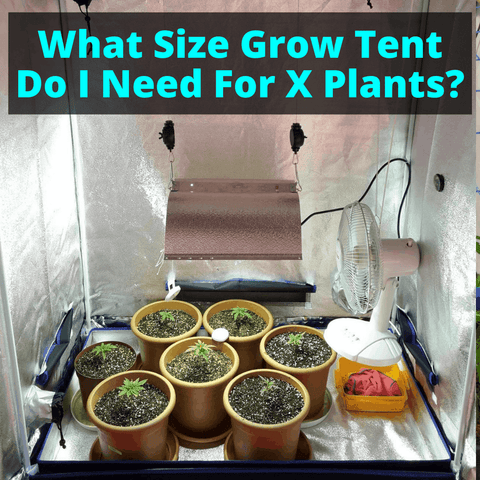
Setting up a grow tent might seem tricky at first, but with the right steps, you can create the perfect environment for your plants to thrive. Imagine having full control over light, temperature, and humidity—all in one space.
This guide will walk you through the simple process of setting up your grow tent quickly and efficiently. By the end, you’ll feel confident and ready to start growing like a pro. Keep reading to discover the easy tricks that make all the difference.
Choosing The Right Grow Tent
Setting up a grow tent requires careful planning. Choosing the right one can make a big difference in your growing success. Let’s explore the factors to consider.
Each aspect of a grow tent affects its performance. From size and space to material quality, every detail counts.
Size And Space Considerations
Consider the space you have available for your grow tent. The size will determine how many plants you can grow.
- Measure the area where the tent will be placed.
- Ensure there’s enough space for ventilation equipment.
- Check the tent’s height for plant growth room.
Material Quality And Durability
The material of a grow tent influences its longevity. High-quality materials ensure better insulation and durability.
Look for tents made with thick fabric and sturdy zippers. Reflective interiors improve light efficiency, aiding plant growth. Consider tents with metal frames for added strength.
Ventilation And Access Features
Good ventilation is vital for plant health. Access features make it easy to tend to your plants.
| Feature | Importance |
| Ventilation Ports | Prevents mold and odors |
| Access Doors | Facilitates easy plant care |
| Observation Windows | Allows monitoring without opening |
Essential Equipment For Setup
Setting up a grow tent requires the right equipment to create a healthy environment. This guide covers the essential tools you need for a successful setup.
Focus on lighting, ventilation, and growing mediums to ensure your plants thrive inside the tent.
Lighting Options
Good lighting is key for plant growth. Choose lights that fit your space and plant type. LED and HID lights are common choices.
- LED lights save energy and produce less heat.
- HID lights are strong but can get hot.
- Fluorescent lights work well for seedlings.
- Consider light timers for automatic control.
Ventilation Systems
Proper airflow keeps your grow tent fresh and controls temperature. A good ventilation system stops mold and pests.
| Equipment | Purpose | Notes |
| Inline Fan | Moves air in and out | Choose size based on tent volume |
| Carbon Filter | Removes odors | Attach to inline fan |
| Oscillating Fan | Circulates air inside | Prevents hot spots |
| Vent Ducts | Direct air flow | Use flexible ducts for easy setup |
Growing Mediums And Containers
Your choice of soil or other mediums affects water and nutrient delivery. Use containers that fit your grow tent space.
- Soil: Natural and easy to use for beginners.
- Coco Coir: Retains water well and drains fast.
- Hydroponics: Soil-free, uses water and nutrients.
- Pots: Fabric pots improve root health.
- Plastic containers: Lightweight and reusable.
Step-by-step Tent Assembly
Setting up a grow tent is easy if you follow simple steps. A well-assembled tent helps your plants grow healthy and strong.
This guide breaks down the process into clear parts. You will learn to unpack, build, and seal your tent properly.
Unpacking And Preparing Components
Start by opening the box and laying out all parts. Check that you have every piece before building.
- Frame poles
- Connectors
- Tent fabric
- Zippers and vents
- Instruction manual
Frame And Tent Installation
Assemble the frame by fitting poles into connectors. Make sure all parts click into place securely.
| Component | Assembly Tip |
|---|---|
| Frame Poles | Insert poles fully into connectors for a strong frame. |
| Tent Fabric | Unfold fabric gently and align with frame corners. |
| Zippers | Check zippers move smoothly before sealing. |
Next, drape the tent fabric over the frame. Attach the fabric using the built-in Velcro straps or ties.
Sealing And Securing
Seal all openings to keep light and air inside. Use the tent’s zippers and Velcro to close gaps tightly.
- Close all zippers gently to avoid damage.
- Press Velcro strips firmly to seal edges.
- Check corners and seams for gaps.
- Secure the tent to the floor if possible.
Proper sealing keeps your grow tent efficient. It also helps control temperature and humidity well.
Installing Lighting And Ventilation
Setting up lighting and ventilation in your grow tent is key to healthy plants. Proper installation helps plants get the light and fresh air they need.
This guide covers safe light mounting, fan setup, and managing temperature and humidity inside the tent.
Mounting Lights Safely
Lights must be mounted securely to avoid accidents and ensure even coverage. Use strong ropes or hangers made for grow lights.
- Check the weight rating of your hangers before use.
- Keep lights at the right height to prevent burning plants.
- Ensure all electrical cords are away from water sources.
- Use timers to control light cycles automatically.
Setting Up Exhaust And Intake Fans
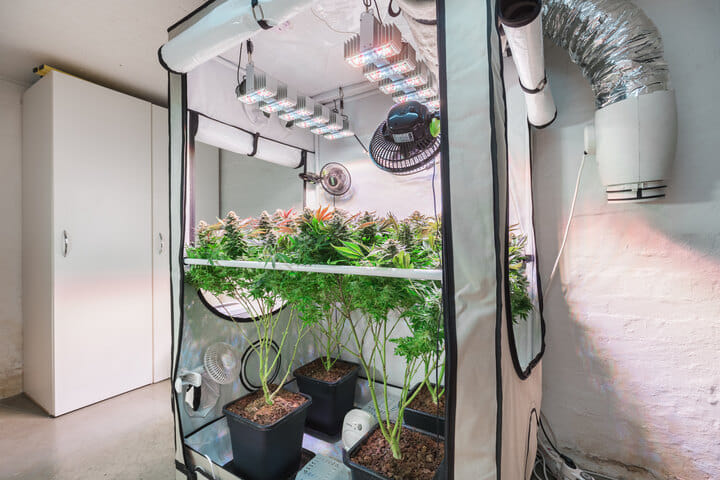
Fans keep air moving, which helps control temperature and humidity. Exhaust fans pull hot air out. Intake fans bring fresh air in.
- Place the exhaust fan near the top of the tent.
- Put the intake fan near the bottom for fresh air.
- Use ducting to direct airflow properly.
- Choose fans that match your tent size for best results.
Managing Temperature And Humidity
Keep the temperature and humidity in the right range to help plants grow well. Too hot or humid can cause problems.
| Factor | Ideal Range |
| Temperature | 68°F to 77°F (20°C to 25°C) |
| Humidity (Vegetative) | 40% to 70% |
| Humidity (Flowering) | 40% to 50% |
Optimizing Internal Layout
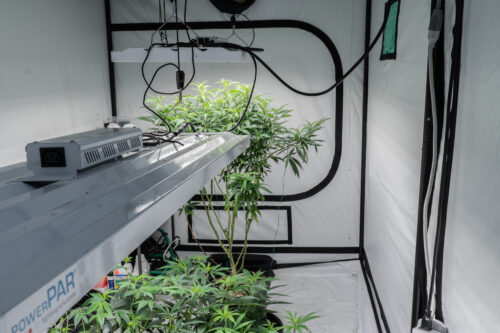
Setting up a grow tent right helps plants grow better. A good layout uses space well and keeps plants healthy.
This guide explains how to arrange plants, manage cables, and keep the tent easy to maintain.
Arranging Plants For Light Exposure
Place plants so each one gets enough light. Taller plants should go in the back or corners.
Keep smaller plants near the front to get full light. Rotate plants often to avoid shaded spots.
- Put tall plants in the back or sides
- Place small plants in front or center
- Turn plants every few days
- Use shelves to add more layers
Cable And Equipment Management
Keep cables neat to avoid accidents and block light. Use hooks or ties to hold cables up.
Place equipment like fans and timers where they do not block plants or paths. Check cables often.
- Use cable ties or clips
- Hang cables along tent poles
- Keep equipment near tent walls
- Check cables for damage regularly
Creating Maintenance Access
Leave space to reach all plants easily. Avoid crowding the tent with too many items.
Design pathways so you can water and trim plants without moving others. Keep tools handy but out of the way.
- Keep aisles at least 12 inches wide
- Arrange plants in rows or groups
- Store tools near the entrance
- Plan space for watering and checking plants
Credit: oaksterdam.com
Monitoring And Adjusting Conditions
Setting up a grow tent requires careful control of the environment. Monitoring and adjusting conditions helps plants grow healthy and strong.
Using the right tools and techniques keeps temperature, light, and humidity at ideal levels. This guide explains how to manage these key factors.
Using Sensors And Timers
Sensors measure temperature, humidity, and light inside the grow tent. Timers control when lights and fans turn on or off. Together, they automate and maintain good growing conditions.
- Place temperature and humidity sensors at plant level.
- Set timers to match your plants’ light needs.
- Use a light meter to check light intensity regularly.
- Connect fans to timers for consistent airflow.
Adjusting Light Cycles
Plants need different light hours during growth stages. Adjust light cycles to fit their needs and encourage healthy development.
| Growth Stage | Light Hours Per Day |
| Seedling | 16 to 18 hours |
| Vegetative | 18 to 24 hours |
| Flowering | 12 hours |
Controlling Airflow And Humidity
Proper airflow and humidity reduce mold and help plants breathe. You can control these with fans, vents, and humidifiers.
- Use an exhaust fan to remove stale air.
- Install an intake vent for fresh air.
- Run a small fan inside to circulate air gently.
- Use a humidifier or dehumidifier to keep humidity between 40% and 60%.
- Check humidity daily with a hygrometer.
Troubleshooting Common Issues
Setting up a grow tent can bring great results. Sometimes, problems may happen. Knowing how to fix these helps plants stay healthy.
Below are common issues and easy ways to solve them. Follow these tips to keep your grow tent in good shape.
Dealing With Heat Stress
Heat stress can harm plants and slow growth. It happens when the temperature is too high inside the tent.
- Use fans to improve air circulation.
- Check that exhaust systems work well.
- Keep lights at the right distance from plants.
- Lower the tent temperature by adjusting room conditions.
- Water plants regularly but avoid overwatering.
Preventing Mold And Pests
Mold and pests damage plants quickly. Control moisture and cleanliness to stop them from growing.
| Issue | Cause | Prevention |
| Mold | High humidity | Use dehumidifier, ventilate tent |
| Aphids | Poor sanitation | Clean tent, remove dead leaves |
| Spider Mites | Dry conditions | Keep humidity balanced, inspect plants |
| Fungus Gnats | Wet soil | Allow soil to dry, use sticky traps |
Addressing Equipment Failures
Equipment problems stop your grow tent from working right. Check devices often to catch issues early.
- Inspect lights for flickering or no power.
- Test fans and filters regularly.
- Replace broken or worn parts quickly.
- Keep backup equipment ready for emergencies.
- Use a timer to control light and fan cycles properly.
Credit: blimburnseeds.com
Credit: www.seedsman.com
Frequently Asked Questions
What Materials Do I Need To Set Up A Grow Tent?
You need a grow tent, grow lights, ventilation system, reflective material, pots, and soil or hydroponic setup. These create an optimal environment for plant growth indoors. Proper equipment ensures healthy plants and efficient space use.
How Do I Install Ventilation In A Grow Tent?
Install an exhaust fan at the top and an intake fan near the bottom. This setup promotes air circulation, controlling temperature and humidity inside the tent. Proper ventilation prevents mold and supports healthy plant growth.
What Lighting Is Best For A Grow Tent?
LED grow lights are energy-efficient and emit less heat. They provide the right spectrum for all growth stages. Choosing adjustable, full-spectrum lights helps maximize plant growth and reduces electricity costs.
How Often Should I Water Plants In A Grow Tent?
Water plants when the top inch of soil feels dry. Overwatering can cause root rot, while underwatering stresses plants. Monitor soil moisture daily to maintain healthy growth and avoid water-related issues.
Conclusion
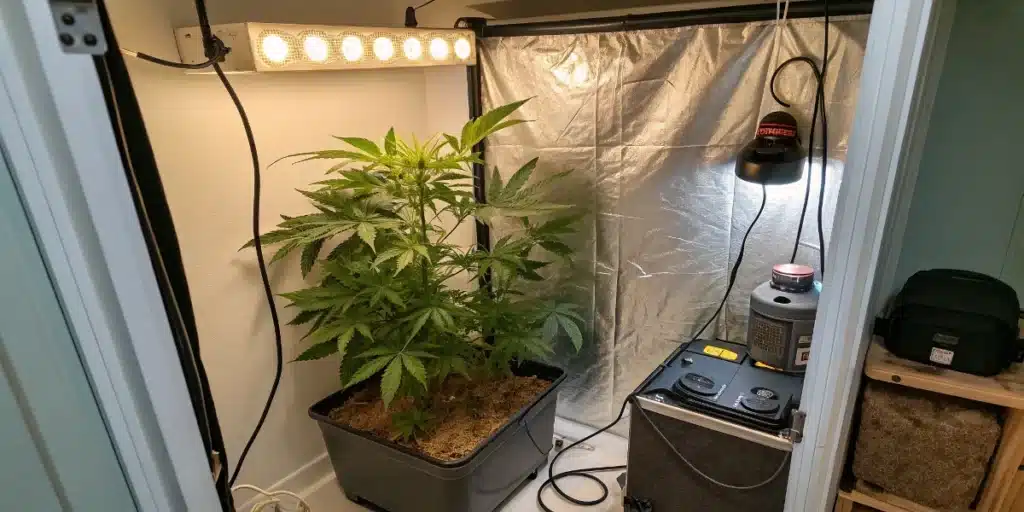
Setting up a grow tent takes careful steps and patience. Start with a good plan and organize your tools well. Make sure the tent is clean and all parts fit tightly. Place your lights, fans, and sensors in the right spots.
Check for proper airflow and easy access. Keep monitoring the environment inside the tent daily. Small fixes early on save big problems later. Growing plants in a tent can be simple and fun. Follow these tips, and your grow tent will work well.
Success grows with care and attention.