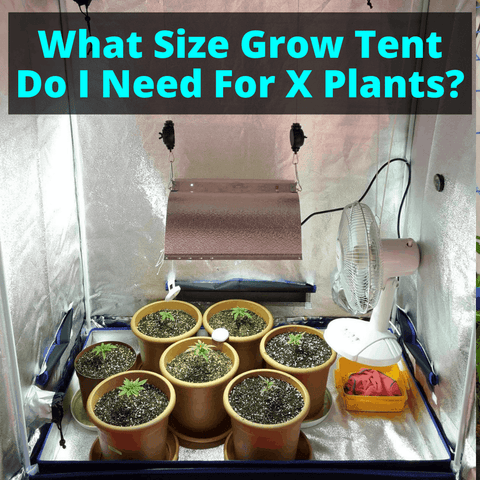
Setting up a grow tent might seem tricky at first, but with the right steps, you can create the perfect environment for your plants to thrive. Imagine having full control over light, temperature, and humidity—all in your own space.
In this guide, you’ll discover simple, clear instructions that will help you set up your grow tent quickly and confidently. Whether you’re a beginner or looking to improve your setup, this article will give you the tools you need to succeed.
Keep reading, and soon you’ll have your grow tent ready to produce healthy, vibrant plants.
Choosing The Right Grow Tent
Setting up a grow tent starts with picking the right one. The right tent helps plants grow well inside your space.
You need to think about size, material, and airflow. These parts affect how your plants will grow.
Size And Space Considerations
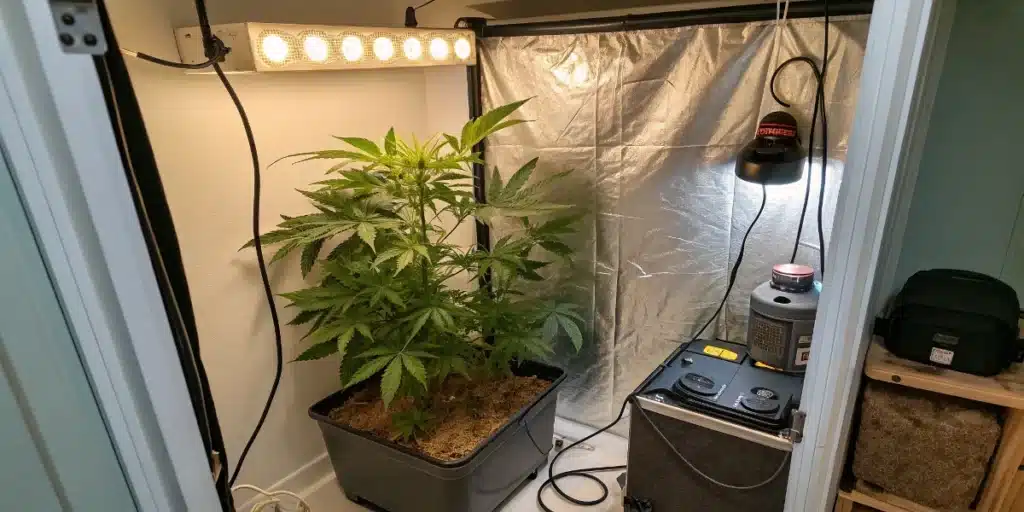
Choose a grow tent that fits your available room. Make sure there is space for lights and fans too.
- Measure the space where you want the tent
- Pick a tent size that fits your plant number
- Allow space for equipment inside the tent
- Think about moving space around the tent
Material Quality And Durability
Look for tents made with thick, tear-resistant fabric. This keeps light inside and stops pests.
| Material | Benefit |
| 600D Oxford Cloth | Strong and long-lasting |
| Mylar Lining | Reflects light well inside |
| Heavy-duty Zippers | Easy to open and close |
| Sturdy Frame | Keeps tent stable |
Ventilation Features
Good air flow helps plants stay healthy. Check the tent has vents and ports for fans.
- Multiple vent openings for air intake and exhaust
- Mesh windows to keep bugs out
- Port holes for ducting and electrical cords
- Easy access doors for quick air checks
Credit: blimburnseeds.com
Selecting Essential Equipment
Setting up a grow tent needs the right tools. Choosing the right equipment helps plants grow well.
This guide explains the key equipment for lighting, ventilation, and climate control inside your grow tent.
Lighting Options
Good lighting is important for plant growth. Pick lights that fit your tent size and plant type.
LED and HID lights are common choices. LEDs use less energy and last longer. HID lights are bright but use more power.
- LED grow lights: energy efficient, low heat
- HID grow lights: strong light, more heat
- Fluorescent lights: good for seedlings and clones
Ventilation Systems
Ventilation keeps fresh air flowing inside the tent. It prevents mold and heat build-up.
Use fans and exhaust systems to move air. Make sure air enters and leaves the tent easily.
- Intake fan: brings fresh air in
- Exhaust fan: removes hot air
- Oscillating fan: circulates air inside
Temperature And Humidity Controls
Plants need the right temperature and humidity to grow well. Keep these levels steady inside the tent.
Use heaters, air conditioners, humidifiers, or dehumidifiers. A thermometer and hygrometer help you monitor conditions.
- Thermometer: checks temperature
- Hygrometer: measures humidity
- Heater or AC: adjusts temperature
- Humidifier or dehumidifier: controls moisture
Preparing The Grow Tent Space
Setting up a grow tent needs a clean and organized space. A good start helps your plants grow well.
This guide covers cleaning, adding liners, and arranging electrical parts safely.
Cleaning And Setting Up The Area
Clear the chosen spot of dust, dirt, and clutter. Wipe floors and walls to avoid pests and mold.
- Remove any old items or debris.
- Use a mild cleaner to wipe surfaces.
- Let the area dry completely before setting up.
- Check for leaks or damp spots and fix them.
Installing Reflective Liners
Reflective liners help light reach your plants evenly. Install them inside the tent walls for best results.
Follow these tips for installing liners:
- Choose liners made of Mylar or similar materials.
- Cut liners to fit the tent dimensions.
- Attach liners using clips or tape without wrinkles.
- Ensure no gaps where light can escape.
Arranging Electrical Connections Safely
Electrical safety is key to avoid accidents. Plan your wiring to keep it neat and dry.
| Task | Safety Tip |
| Plug in lights and fans | Use grounded outlets and avoid overloading |
| Run cables | Keep wires off the floor and away from water |
| Use timers | Set timers outside the tent for easy access |
| Check equipment | Inspect cords regularly for damage or wear |
Assembling The Grow Tent
Setting up a grow tent is simple if you follow clear steps. This guide helps you put the parts together correctly.
Start by preparing the space and unpacking all the parts. Keep everything organized before you begin assembly.
Frame Setup
Build the frame first. The frame supports the tent fabric and holds everything in place.
Connect the metal poles using the corners and joints. Make sure each piece clicks firmly.
- Lay out all poles and connectors on the floor
- Start with the base frame by joining corner pieces
- Add vertical poles to each corner
- Connect the top frame using the same method
- Check the frame is square and stable
Attaching Tent Fabric
Once the frame is ready, drape the tent fabric over it. The fabric protects plants and keeps light inside.
Align the fabric with the frame corners. Make sure the vents and openings match the frame’s design.
- Start by placing the fabric over the top of the frame
- Pull down the sides evenly on all corners
- Secure the fabric edges to the frame using Velcro or straps
- Adjust the fabric to remove wrinkles or loose areas
Securing Doors And Zippers
Next, fasten the doors and zippers. Proper closing keeps air and light controlled inside the tent.
Check the zippers for smooth operation. Test the doors to ensure they open and close easily.
- Align the door fabric with the zipper track
- Press zippers firmly into place on both sides
- Zip and unzip doors a few times to check function
- Secure any Velcro straps or flaps around the doors
- Make sure doors close tightly to avoid light leaks
Installing Lighting And Ventilation
Setting up the right lighting and ventilation helps your plants grow strong. Good air and light improve growth and keep plants healthy.
This guide covers how to mount grow lights, set up fans, and manage airflow inside your grow tent.
Mounting Grow Lights
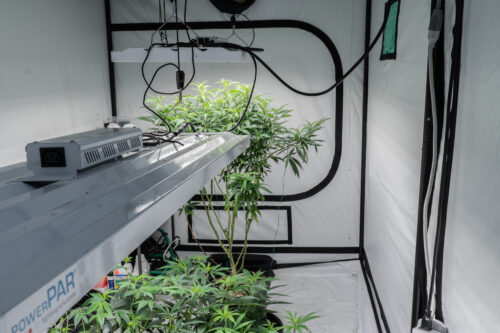
Choose a secure spot to hang your grow lights. The height depends on the light type and plant needs. Use adjustable hangers to move lights up or down.
Make sure the lights cover all plants evenly. Avoid shadows or spots with too much light.
Setting Up Exhaust And Intake Fans
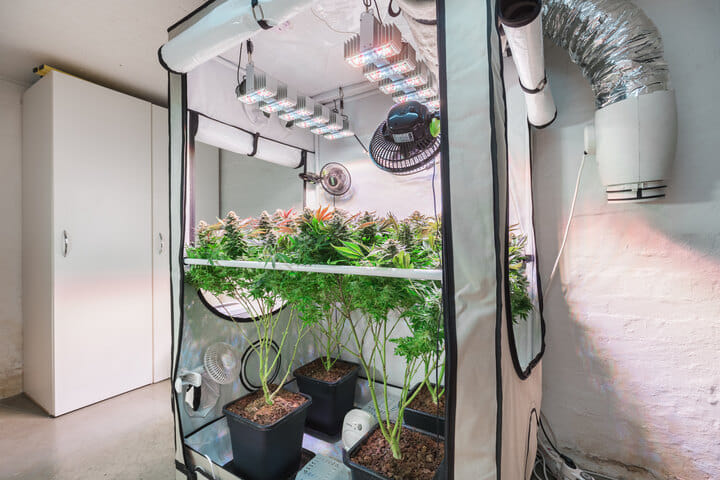
Install exhaust fans at the top of the tent to remove hot air. Intake fans should be near the bottom to bring in fresh air. This setup keeps the air fresh and cool.
- Place exhaust fan high to remove heat
- Install intake fan low for fresh air
- Use fan speed controls for better airflow
- Check fan filters regularly to keep air clean
Managing Airflow For Optimal Growth
Good airflow prevents mold and strengthens plants. Use oscillating fans inside the tent to move air gently around leaves.
| Airflow Element | Purpose | Placement |
| Exhaust Fan | Remove hot, stale air | Top of grow tent |
| Intake Fan | Bring in fresh air | Bottom of grow tent |
| Oscillating Fan | Circulate air inside | Inside tent, off the plants |
Credit: www.seedsman.com
Organizing Internal Components
Setting up your grow tent properly helps plants grow well. Organizing inside makes care easier.
Focus on placing plants, shelves, and watering systems carefully. This keeps the space tidy and efficient.
Positioning Plants And Containers
Place plants where they get enough light. Keep taller plants at the back or sides.
Use containers that fit your grow tent size. Leave space between plants for air flow.
- Put small plants in front for better light
- Avoid crowding containers to reduce mold
- Use trays to catch water spills
Arranging Shelves And Supports
Install shelves to save floor space and hold plants or tools. Make sure shelves are strong.
Use supports like stakes or trellises to help plants grow upright. Attach them carefully.
- Place shelves where light reaches all levels
- Check that supports do not block airflow
- Secure shelves to avoid falling
Setting Up Watering Systems
Choose a watering system that fits your tent size and plant needs. It can be manual or automatic.
Place watering tubes or drip lines to reach each plant easily. Avoid leaks and water waste.
- Use drip irrigation for precise watering
- Check water flow regularly
- Keep water containers clean to stop algae
Monitoring And Maintaining Conditions
Keeping your grow tent in good shape helps plants grow healthy. You must watch key factors every day. This keeps the environment right for your plants.
Check temperature, humidity, light, and cleanliness. Fix any issues fast to avoid problems. Let’s look at how to do this well.
Tracking Temperature And Humidity
Temperature and humidity affect plant growth a lot. Use a thermometer and a hygrometer to check levels inside the tent. Keep records to spot changes.
| Factor | Ideal Range |
| Temperature | 70°F to 85°F (21°C to 29°C) |
| Humidity | 40% to 60% |
Adjusting Light Cycles
Plants need different light times for growth stages. Use timers to set light on and off times. Change the cycle based on plant needs.
- Seedlings: 16-18 hours light daily
- Vegetative stage: 18-24 hours light daily
- Flowering stage: 12 hours light daily
Regular Cleaning And Pest Control
Clean the grow tent and tools often. This stops pests and diseases. Check plants for bugs or mold every day.
- Remove dead leaves and debris
- Disinfect surfaces and pots weekly
- Use natural pest controls if needed
- Keep good air flow to reduce mold
Credit: oaksterdam.com
Troubleshooting Common Issues
Setting up a grow tent can sometimes bring challenges. It is important to know how to solve common problems quickly.
This guide covers three main issues: mold and mildew, electrical problems, and nutrient deficiencies.
Dealing With Mold And Mildew
Mold and mildew grow in damp and dark places inside your grow tent. They can harm plants and reduce yield.
- Keep humidity below 60% using a dehumidifier.
- Improve air circulation with fans.
- Remove affected leaves or plants immediately.
- Clean surfaces regularly with a mild bleach solution.
- Use mold-resistant materials if possible.
Fixing Electrical Problems
Electric issues can stop your grow lights and fans from working. This can harm your plants fast.
| Common Problem | Cause | Fix |
| Lights not turning on | Loose connection | Check plugs and sockets |
| Fan stops working | Blown fuse | Replace fuse |
| Power trips | Overload | Use a dedicated circuit |
| Wires overheating | Damaged cable | Replace cable |
Managing Nutrient Deficiencies
Plants need many nutrients to grow well. Deficiencies show as yellow leaves or slow growth.
- Nitrogen deficiency causes yellow lower leaves.
- Phosphorus lack leads to dark leaves and weak roots.
- Potassium shortage shows leaf edges turning brown.
- Magnesium deficit causes yellow spots between veins.
- Use a balanced fertilizer to fix most problems.
Frequently Asked Questions
How Do I Choose The Right Grow Tent Size?
Selecting the right grow tent size depends on your space, plant number, and growth stage. Measure your available area and consider plant height. Smaller tents suit beginners, while larger ones accommodate more plants. Ensure adequate space for equipment like lights and fans.
What Equipment Is Essential For A Grow Tent?
Essential equipment includes grow lights, fans, ventilation systems, and temperature and humidity monitors. Grow lights provide necessary light, while fans ensure air circulation. Ventilation prevents mold and regulates temperature. Monitoring tools help maintain optimal growing conditions, crucial for plant health and growth.
How Do I Set Up Grow Tent Ventilation?
Proper ventilation involves installing an exhaust fan, carbon filter, and intake fan. Position the exhaust fan at the tent’s top to remove hot air. Use a carbon filter to eliminate odors. An intake fan at the bottom ensures fresh air circulation, crucial for healthy plant growth.
What Lighting Is Best For Grow Tents?
LED grow lights are energy-efficient and provide full-spectrum light, ideal for all growth stages. They generate less heat, reducing the need for additional cooling. Adjust the light distance based on plant needs. Ensure your grow tent’s lighting system is suitable for your plant species and growth phase.
Conclusion
Setting up a grow tent is easier than it seems. Follow each step with care and patience. Check all parts before starting the build. Keep your space clean and organized. Adjust lights and ventilation for best plant growth. Watch your plants daily to catch issues early.
Small changes can improve your results. Enjoy the process and learn as you go. A well-set grow tent leads to healthier plants. Start simple, then improve with experience. Your garden can thrive indoors with the right setup.