If you want to catch more bass, setting your fishing line the right way is key. The right setup can make the difference between a missed bite and a trophy catch.
You might think it’s just about tying a knot or picking any line, but there’s more to it. You’ll discover simple, proven tips to get your fishing line just right. By the end, you’ll feel confident and ready to reel in bass like a pro.
Keep reading—you’re about to take your bass fishing game to the next level!

Credit: www.youtube.com
Choosing The Right Line
Choosing the right fishing line is important for bass fishing. The right line helps you catch more fish and avoid problems.
There are different types of fishing lines. Each type works better in certain situations.
Monofilament Vs. Fluorocarbon
Monofilament line is soft and easy to handle. It stretches well, which helps with bass bites.
Fluorocarbon line is harder to see underwater. It sinks faster and resists sunlight damage.
- Monofilament is cheaper and good for beginners
- Fluorocarbon is more invisible and durable
- Monofilament stretches more than fluorocarbon
- Fluorocarbon is better for clear water fishing
Braided Line Benefits
Braided line has no stretch. This means you feel every bite from the bass.
It is very strong for its size. Braided line lasts long and handles heavy fish well.
- Braided line has high strength and low diameter
- It is great for fishing in thick cover
- Braided line floats and dries fast
- It can be combined with fluorocarbon leader for invisibility
Line Strength Considerations
Choose line strength based on the size of bass you want to catch. Stronger line handles bigger fish.
Too strong line can scare fish. Too weak line can break easily.
| Line Strength (Pounds) | Best Use |
| 6-8 | Small to medium bass in clear water |
| 10-15 | Average bass fishing in most waters |
| 20+ | Large bass or heavy cover fishing |

Credit: fishingbooker.com
Adjusting Line Tension
Setting the right tension on your fishing line helps you catch bass more easily. Too loose or too tight line can cause problems while fishing.
Learn how to adjust line tension to improve your fishing experience and avoid losing fish.
Importance Of Proper Tension
Proper tension keeps your bait moving naturally and helps you feel when a bass bites. It also stops the line from snapping or tangling.
- Allows better control of the bait
- Prevents line from breaking under pressure
- Improves hook setting when fish bite
- Reduces chances of line tangles
Techniques For Setting Tension
Tension depends on the type of bait and fishing style. Adjust the drag and practice feeling the line’s pull.
| Technique | How to Do It |
| Drag Adjustment | Turn the drag knob to set how much pressure the fish feels |
| Line Testing | Pull the line by hand to check resistance |
| Rod Angle | Hold the rod at different angles to control tension during a catch |
| Reel Speed | Adjust how fast you reel to keep steady tension |
Common Mistakes To Avoid
Many anglers make errors that hurt their chances to catch bass. Avoid these mistakes to keep your line set right.
- Setting drag too tight causing line to snap
- Leaving line too loose making it hard to feel bites
- Ignoring line condition and strength
- Not adjusting tension for different baits or water conditions
Knots For Bass Fishing
Fishing for bass requires strong and reliable knots. The right knot ensures that your line holds when you catch a fish.
Learning about various knot types can help you choose the best one for your fishing needs.
Strong Knot Types
Different knots serve different purposes in bass fishing. You should know which knots are the most reliable.
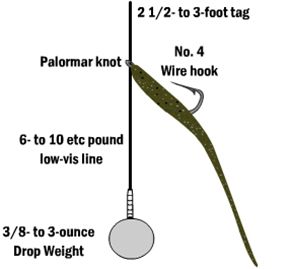
- Palomar Knot: Known for its strength, especially with braided lines.
- Improved Clinch Knot: A popular choice for securing hooks to the line.
- Uni Knot: Versatile and works well with different types of lines.
Knot Tying Tips
Proper knot tying is essential for maintaining line strength. Practice makes perfect, so keep tying until you get it right.
Testing Knot Strength
After tying a knot, it’s crucial to test its strength. This ensures that it won’t fail under pressure.
| Knot Type | Strength Test |
| Palomar Knot | Pull firmly on both ends |
| Improved Clinch Knot | Apply steady pressure |
| Uni Knot | Check for slippage |
Line Maintenance Tips
Keeping your fishing line in good shape helps you catch more bass. Proper care stops line breaks and tangles. Follow simple steps to maintain your line.
Regular checks and proper storage extend the life of your fishing line. This saves money and improves your fishing experience.
Checking For Wear And Tear
Look closely at your fishing line before every trip. Small cuts, nicks, or frays weaken the line. Damaged line can break easily when you hook a bass.
Run the line through your fingers to feel for rough spots. Check near the rod guides and reel for damage. Replace the line if you find any weak areas.
Replacing Old Line
Old line loses strength and stretches more. Change your line every few months or after heavy use. This keeps your setup strong and reliable.
Remove the old line fully before spooling new line. Use the correct type and weight for bass fishing. Proper replacement improves casting and hook sets.
Storing Your Line Properly
Store your fishing line in a cool, dry place away from sunlight. Heat and UV rays damage the line material. Keep it in a sealed container or bag to prevent dirt and moisture.
Avoid leaving the line on the reel for long periods without use. This can cause memory and weaken the line. Proper storage helps maintain line strength and performance.
Adjusting For Different Conditions
Setting your fishing line properly helps catch more bass. Different conditions need different line setups.
Learn how to adjust your line for water clarity, temperature, and bass behavior. These tips make fishing easier.
Clear Vs. Murky Water
Water clarity changes how bass see your line. Clear water means bass can spot your line easily. Murky water hides it better.
- Use lighter, thinner line in clear water to avoid spooking bass.
- In murky water, thicker line or fluorocarbon works well for strength.
- Choose colors that blend with water: clear or green for clear water, darker for murky.
Cold Vs. Warm Weather
Temperature affects bass activity and line choice. Cold weather means slower bass and less line stretch. Warm weather means more action and more stretch.
| Weather | Line Type | Reason |
| Cold | Fluorocarbon | Less stretch, better sensitivity |
| Warm | Monofilament | More stretch, absorbs shocks |
Adapting To Bass Behavior
Bass change behavior by time and place. Adjust your line to match their mood and movement.
- Use light line when bass are shy or pressured.
- Choose stronger line if bass are aggressive or fighting hard.
- Switch to a sensitive line to detect light bites.
- Match line strength to your lure weight for better control.
Credit: mysterytacklebox.com
Frequently Asked Questions
What Is The Best Fishing Line For Bass Fishing?
Monofilament and fluorocarbon lines are ideal for bass fishing. They offer good strength, sensitivity, and invisibility underwater. Choose 8-12 lb test for most bass fishing scenarios to balance strength and casting distance effectively.
How Do I Set The Fishing Line Tension For Bass?
Set line tension by adjusting the drag system on your reel. The drag should allow the line to pull smoothly when the bass fights. Proper tension prevents line breakage and helps tire the fish efficiently.
When Should I Replace My Bass Fishing Line?
Replace your fishing line after 3-4 outings or if it shows abrasions, nicks, or fraying. Fresh line ensures better strength and reduces the chance of losing a catch. Regular replacement improves overall fishing performance.
How To Spool Fishing Line Correctly For Bass?
Attach the line to the reel spool and keep tension while winding. Avoid twists by letting the line flow from the spool naturally. Spool tightly but not too tight to maintain smooth casting and retrieval.
Conclusion
Setting the right fishing line helps catch more bass. Choose the right line strength and type for your fishing spot. Tie knots carefully to avoid losing fish. Check your line often for damage or wear. Practice these simple steps to enjoy better fishing trips.
Patience and care make a big difference on the water. Try different lines to see what works best for you. Keep learning, and your bass fishing will improve over time.