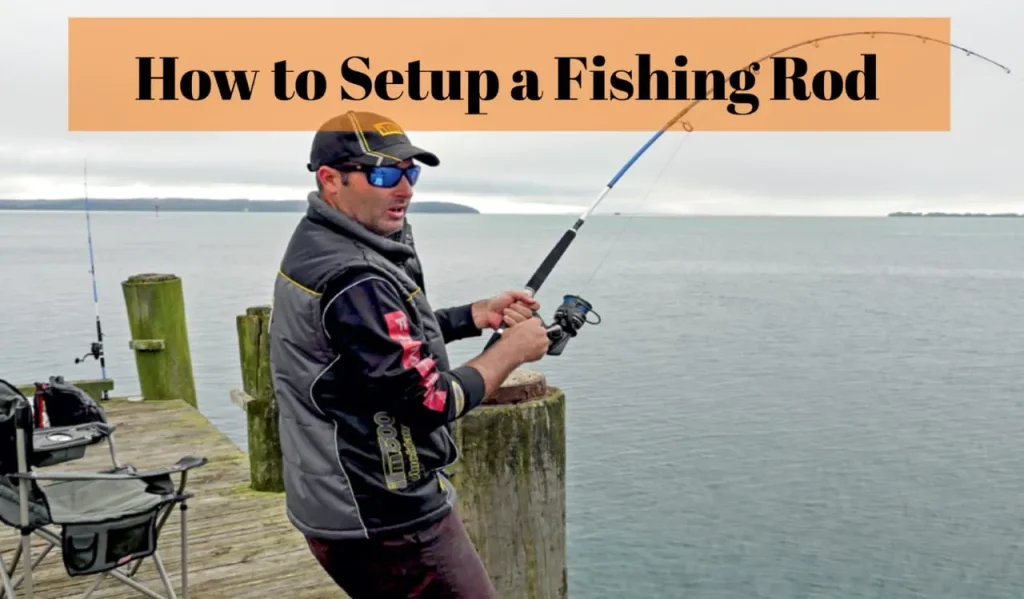
Setting up your fishing rod the right way can make all the difference between a frustrating day and an exciting catch. If you’ve ever felt unsure about how to get your gear ready, you’re not alone.
But don’t worry—this guide will walk you through each simple step. By the end, you’ll know exactly how to set your fishing rod so you can spend less time fixing and more time enjoying your fishing adventure. Ready to improve your skills and boost your chances of success?
Let’s dive in!

Credit: www.youtube.com
Choosing The Right Rod
Picking the right fishing rod is important for a good fishing trip. The rod you choose affects your catch and comfort.
Different rods work better for different fish and fishing styles. Learn how to choose the best one for you.
Types Of Fishing Rods
There are many types of fishing rods. Each type fits a specific fishing style and environment.
- Spinning rods are easy to use and good for beginners.
- Baitcasting rods offer more control for experienced anglers.
- Fly rods are for fly fishing in rivers and streams.
- Trolling rods work well for fishing from boats.
Matching Rod To Fish Species
Different fish need different rod strengths and lengths. Match your rod to the fish you want to catch.
Small fish need light rods. Big fish need stronger rods to handle the fight.
- Light rods for trout, panfish, and small bass.
- Medium rods for larger bass and walleye.
- Heavy rods for catfish, pike, and saltwater fish.
Material And Length Considerations
Fishing rods come in different materials and lengths. These affect how the rod feels and performs.
Fiberglass rods are tough and flexible. Graphite rods are light and sensitive. Length affects casting distance and control.
| Material | Features | Best For |
|---|---|---|
| Fiberglass | Durable, flexible, heavier | Beginners, rough fishing |
| Graphite | Lightweight, sensitive, stiff | Experienced anglers, long casts |
- Short rods (5-6 feet) give more control and accuracy.
- Long rods (7-10 feet) cast farther and cover more water.

Credit: fishingbooker.com
Selecting The Ideal Reel
Choosing the right reel is key to setting your fishing rod properly. The reel affects casting, control, and the types of fish you can catch. Understanding reel types and features helps pick the best fit for your needs.
This guide covers spinning and baitcasting reels, reel sizes, gear ratios, and tips to keep your reel working smoothly. Use this info to improve your fishing experience.
Spinning Vs Baitcasting Reels
Spinning reels are easy to use and good for beginners. They work well with light lures and lines. Baitcasting reels offer more control and power. They are better for heavier lures and bigger fish.
- Spinning Reels:Lightweight, simple, less line twist
- Baitcasting Reels:Accurate casting, strong drag, requires skill
- Choose spinning reelsfor small fish and light tackle
- Choose baitcasting reelsfor heavy tackle and bigger fish
Reel Size And Gear Ratio
Reel size shows how much line the reel holds. Small reels hold less line and suit light fishing. Large reels hold more line and suit heavy fishing. Gear ratio means how fast the line comes in. Higher gear ratios retrieve line quicker.
| Reel Size | Best Use | Line Capacity |
| 1000-2500 | Light fishing, small fish | 2-6 lb test, 100-150 yards |
| 3000-4000 | Medium fishing, medium fish | 6-12 lb test, 150-200 yards |
| 5000+ | Heavy fishing, big fish | 12-20 lb test, 200+ yards |
| Gear Ratio | Effect | Description |
| 5:1 or lower | Slow retrieve | Good for deep water or heavy lures |
| 6:1 to 7:1 | Medium retrieve | Good for general fishing |
| 7:1 or higher | Fast retrieve | Good for fast-moving lures |
Maintenance Tips For Smooth Operation
Keeping your reel clean and lubricated helps it last longer. Dirt and salt can cause damage. Regular checks make sure all parts work well. Simple care keeps your reel smooth and reliable.
- Rinse reel with fresh water after use
- Dry the reel completely before storing
- Apply reel oil to moving parts regularly
- Check and tighten screws and handles
- Store reel in a cool, dry place
Setting Up The Line
Setting up the fishing line is important for a good fishing experience. A well-prepared line helps with casting and catching fish.
This guide covers choosing the right line, line weight and strength, and proper spooling techniques.
Choosing The Right Line Type
There are three main types of fishing lines: monofilament, fluorocarbon, and braided. Each type works best in different fishing conditions.
Monofilament is stretchy and easy to handle. Fluorocarbon is less visible underwater. Braided lines are strong and thin.
- Monofilament: good for beginners and general use
- Fluorocarbon: ideal for clear water and wary fish
- Braided: best for heavy cover and long casts
Line Weight And Strength
Line weight shows how much weight the line can handle before breaking. Choose weight based on the fish you want to catch.
Strength is important for handling big fish and rough conditions. Use a line strong enough for your fishing style.
- Light lines (2-6 lb): best for small fish and light tackle
- Medium lines (8-12 lb): good for most freshwater fishing
- Heavy lines (15+ lb): used for big fish and tough conditions
Proper Spooling Techniques
Spooling the line correctly prevents tangles and improves casting. Keep the line tight and even on the spool.
Start by attaching the line to the spool. Slowly fill the reel while keeping tension on the line.
- Place the spool of line so it spins the same way as the reel
- Use your fingers to keep the line tight while spooling
- Fill the spool about 80% full to avoid overfilling
- Check for twists and remove them during spooling
Attaching Hooks And Lures
Attaching hooks and lures correctly is key for a good fishing experience. This guide helps you set your fishing rod with the right knots, hooks, and lures.
Learn simple ways to tie knots, pick hooks for your fish, and choose lures that work best in different situations.
Knot Tying Methods
Tying strong knots keeps your hook or lure secure. Use knots that are easy to tie and hold well under pressure.
- Improved Clinch Knot:Common and strong for most lines.
- Palomar Knot:Easy to tie and very reliable.
- Loop Knot:Allows lure to move freely.
- Bimini Twist:Creates a strong loop for heavy fish.
Selecting Hooks For Target Fish
Pick hooks based on the size and type of fish you want to catch. Smaller fish need smaller hooks, and bigger fish need larger, stronger hooks.
| Fish Type | Hook Size | Hook Style |
| Trout | 10 to 14 | Circle Hook |
| Bass | 2 to 4 | Offset Worm Hook |
| Catfish | 4/0 to 7/0 | Octopus Hook |
| Panfish | 8 to 12 | Aberdeen Hook |
Lure Types And Their Uses
Different lures attract different fish. Choose lures based on water type, fish behavior, and fishing depth.
- Spinnerbaits:Good for murky water and active fish.
- Crankbaits:Work well for covering large areas fast.
- Soft Plastics:Imitate worms and small creatures.
- Jigs:Perfect for fishing near the bottom.
- Spoons:Flash and wobble to attract fish in open water.
Adjusting Rod And Reel Settings
Setting your fishing rod and reel correctly helps you catch more fish. It makes casting smooth and controls the line better.
This guide covers how to adjust the drag system, reel tension, and rod action and power.
Drag System Setup
The drag system controls how much resistance the fish feels when it pulls the line. Proper setup stops the line from breaking.
Turn the drag knob to increase or decrease tension. Set it tight enough to fight fish but loose enough to prevent snapping.
- Start with drag at about one-third of the line’s breaking strength
- Test by pulling the line by hand and adjust as needed
- Adjust drag during fishing if the fish pulls hard
Reel Tension Calibration
Reel tension controls how fast the spool spins during a cast. Proper tension prevents backlash or line tangles.
Use the spool tension knob to set the resistance. Tighten it to slow the spool, loosen to allow longer casts.
- Close the tension knob until the lure falls slowly when you release the spool
- Adjust tension based on lure weight and wind conditions
- Practice casting to find the right balance
Rod Action And Power
Rod action describes how much the rod bends. Power describes how strong the rod is. Both affect casting and fighting fish.
Choose rod action and power based on the type of fishing and fish size. Fast action rods bend near the tip, slow action bend more.
- Light power rods work well for small fish and light lures
- Medium power rods handle bigger fish and heavier lures
- Fast action rods offer quick hook sets and better sensitivity
- Slow action rods provide smooth casting and fight with less line breakage
Casting Techniques For Accuracy
Setting your fishing rod correctly helps you cast with more accuracy. Good casting lets you place the bait where fish are likely to bite.
Practice and the right techniques improve your casting skill. This guide covers basic methods, tips for distance and precision, and common mistakes to avoid.
Basic Casting Methods
There are simple ways to cast your fishing rod. Start with these basic methods to build your skill.
Overhead cast is the most common. It sends the bait straight ahead. Sidearm cast is good for casting under trees or close to the water surface.
- Overhead cast: Lift rod behind, then swing forward smoothly
- Sidearm cast: Swing rod sideways, good for tight spots
- Roll cast: Keeps line low, useful in small spaces
Improving Distance And Precision
To cast farther, use a smooth and steady rod motion. Let the line flow naturally without forcing it. Accuracy comes from controlling the rod tip.
Focus on your target and adjust your wrist and arm speed. Practice casting to a small area to improve precision.
- Use a longer rod for more distance
- Keep your arm relaxed for smooth motion
- Watch the rod tip to control the cast direction
- Practice casting to fixed targets
Common Casting Mistakes To Avoid
Many anglers make simple errors that hurt accuracy. Avoid these mistakes to improve your casting.
- Overpowering the cast causes poor control
- Not watching the rod tip leads to wild casts
- Wrong grip reduces rod control and accuracy
- Casting with a tangled line causes problems
- Ignoring the wind can push your cast off target
Maintenance And Storage
Keeping your fishing rod in good shape helps it last longer. Proper care prevents damage and improves fishing performance.
Storing your rod correctly also protects it from wear and tear. Regular checks catch problems early before they get worse.
Cleaning Your Rod And Reel
Clean your rod and reel after every fishing trip. Salt, dirt, and grime can cause rust and reduce gear life.
Use fresh water and a soft cloth to wipe the rod and reel gently. Avoid harsh chemicals that damage the finish.
- Rinse rod and reel with fresh water
- Wipe with a soft cloth to remove dirt
- Use mild soap if needed, then rinse
- Dry completely before storing
Proper Storage Tips
Store fishing rods in a cool, dry place away from sunlight. Heat and moisture can weaken rod materials and cause warping.
Keep rods upright or hanging to avoid bending. Avoid stacking heavy items on top of your fishing gear.
- Store rods vertically or hang them
- Keep rods away from direct sunlight
- Use rod holders or racks for support
- Do not place heavy objects on rods
Regular Inspection For Wear
Check your rod and reel often for signs of damage. Small cracks or loose parts can cause bigger problems later.
Look closely at guides, reel seats, and the rod blank. Replace worn parts to keep your gear working well.
- Inspect guides for cracks or bends
- Check reel seat for secure fit
- Examine rod blank for scratches or cracks
- Replace damaged parts promptly

Credit: www.youtube.com
Frequently Asked Questions
How Do I Properly Set Up A Fishing Rod?
Start by attaching the reel securely to the rod. Thread the line through each guide from tip to handle. Tie your preferred knot, attach the lure or bait, and adjust the drag for smooth line release.
What Is The Best Line Tension For Fishing Rods?
Set the drag to moderate tension. It should allow the line to pull out smoothly when a fish bites, preventing breakage. Avoid too tight or too loose settings for optimal control during fishing.
How Do I Choose The Right Fishing Rod Length?
Select a rod length based on your fishing style and location. Short rods (5-6 feet) suit tight spaces, while longer rods (7-9 feet) offer better casting distance and control in open water.
Why Is Reel Alignment Important In Rod Setting?
Proper reel alignment ensures smooth casting and reeling. Misaligned reels cause line tangles and reduce casting accuracy. Align the reel foot parallel to the rod handle for best performance.
Conclusion
Setting a fishing rod can be straightforward with these tips. Start by choosing the right rod and reel. Match them to the type of fish you want. Secure the line properly. Attach a suitable lure or bait. Practice casting techniques to improve accuracy.
Always check the rod and reel for any damage. This ensures a successful fishing experience. Fishing is both relaxing and rewarding. With practice, your skills will grow. Enjoy your time by the water. Happy fishing!