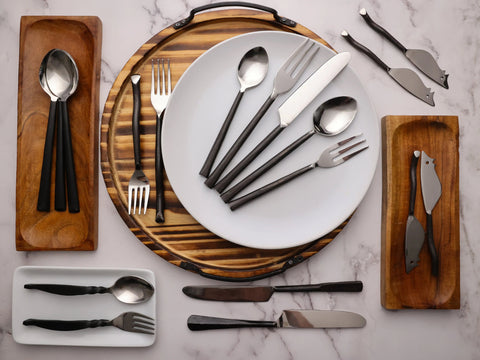
Setting your flatware the right way can transform any meal into a special occasion. Whether you’re hosting a casual dinner or a formal event, knowing how to arrange forks, knives, and spoons perfectly makes a big difference.
You might think it’s a small detail, but it actually shows your care and attention to guests. Ready to impress everyone at your table? Keep reading, and you’ll learn simple steps to set your flatware like a pro every time.

Credit: rauantiques.com
Choosing Flatware Styles
Choosing the right flatware style can enhance your dining experience. It adds to the table’s look and matches your personal taste.
Consider different aspects before picking flatware. Think about the tableware you use, the material of flatware, and current design trends.
Matching Flatware To Tableware
Flatware should complement your plates, glasses, and napkins. Matching styles creates a balanced and pleasing table setting.
- Use simple flatware with plain white plates for a clean look.
- Choose ornate flatware with patterned or colorful tableware.
- Mix metals carefully if your tableware has metallic details.
- Match flatware finish, like matte or shiny, to your tableware style.
Material Options And Durability
Flatware comes in different materials. Each type affects the look and how long it lasts.
| Material | Durability | Care | Common Use |
| Stainless Steel | High | Dishwasher safe | Everyday and formal |
| Silver | Medium | Hand wash recommended | Special occasions |
| Plastic | Low | Disposable or reusable | Casual or parties |
| Bamboo/Wood | Medium | Hand wash only | Eco-friendly or casual |
Trends In Flatware Design
Flatware styles change with time. Some designs are classic, while others are modern or artistic.
- Minimalist flatware with clean lines is very popular.
- Mixed metal sets add a unique look to the table.
- Matte finishes offer a soft and elegant touch.
- Bold shapes and handles create a modern style.
- Vintage-inspired patterns bring charm to meals.
Basic Flatware Placement
Setting flatware correctly helps create a neat and inviting table. You can make meals more enjoyable by placing forks, knives, and spoons in the right spots.
Flatware placement follows simple rules that work for both casual and formal dining. Learning these basics makes setting the table easier and faster.
Positioning Forks, Knives, And Spoons
Place forks to the left of the plate. Knives go on the right side with the blade facing the plate. Spoons are placed to the right of the knives.
- The dinner fork is closest to the plate.
- Salad fork sits to the left of the dinner fork.
- The dinner knife is placed directly right of the plate.
- Spoons go to the right of the knife, usually for soup or dessert.
Spacing And Alignment Tips
Keep flatware about one inch from the edge of the table. Align all pieces so the bottoms line up. This creates a tidy and balanced look.
| Flatware | Distance from Plate | Alignment |
| Forks | Left side, 1 inch from table edge | Bottom ends aligned |
| Knives | Right side, 1 inch from table edge | Bottom ends aligned |
| Spoons | Right side, next to knives | Bottom ends aligned |
Setting For Casual Vs Formal Meals
Casual meals use fewer pieces of flatware. Formal settings include more utensils for different courses. The order of use goes from outside to inside.
Casual settings usually have:
- One fork
- One knife
- One spoon
Formal settings often include:
- Salad fork
- Dinner fork
- Fish fork
- Dinner knife
- Butter knife
- Spoons for soup and dessert
Advanced Table Settings
Setting a table for formal meals can be detailed. Advanced table settings help guests enjoy every course.
Knowing how to place specialty flatware and arrange utensils for multiple courses makes your table look elegant.
Including Specialty Utensils
Specialty utensils are used for specific dishes. They often include seafood forks, soup spoons, or steak knives.
- Place seafood forks to the right of the regular forks.
- Soup spoons go to the outermost right side.
- Steak knives replace the regular dinner knives if steak is served.
- Butter knives rest on the bread plate above the forks.
Arranging For Multiple Courses
Arrange flatware in the order guests will use them. Start from the outside and move inward.
| Course | Flatware Placement | Notes |
|---|---|---|
| Appetizer | Outer left fork | Smaller fork for salad or starter |
| Main Course | Inner fork and knife | Largest utensils for main dish |
| Soup | Outer right spoon | Round bowl soup spoon |
| Fish | Fish fork and knife beside main fork | Special flatware shaped for fish |
Placing Dessert Flatware
Dessert utensils go above the plate. They are placed horizontally to save space.
- Place the dessert fork with the handle facing left.
- Place the dessert spoon with the handle facing right.
- If only one utensil is used, center it above the plate.
- For layered desserts, use a spoon; for cakes, use a fork.

Credit: curatedevents.com
Flatware Care And Maintenance
Taking good care of your flatware keeps it looking nice for years. Proper care prevents rust, stains, and damage.
Learn simple tips to clean, store, and protect your flatware. These steps help maintain its shine and quality.
Cleaning Techniques
Wash flatware soon after use to avoid stains. Use warm water and mild soap for cleaning.
Dry each piece with a soft cloth to stop water spots. Avoid soaking for too long to protect the finish.
- Use a soft sponge or cloth, not abrasive pads
- Hand wash silver or gold flatware carefully
- Dishwashers can cause damage to some flatware
Storage Solutions
Store flatware in a dry, clean place to avoid rust and scratches. Use a flatware tray to keep pieces separated.
Avoid piling flatware on top of each other. Organize by type for easy access and to prevent damage.
- Use a wooden or plastic flatware organizer
- Wrap silver flatware in anti-tarnish cloth
- Keep flatware away from damp areas
Avoiding Tarnish And Damage
Tarnish forms when flatware meets air and moisture. Clean and dry flatware quickly to reduce tarnish.
Handle flatware gently to avoid dents and scratches. Use soft cloths and avoid harsh chemicals.
- Polish silver flatware occasionally with a gentle polish
- Do not mix metals in storage to prevent corrosion
- Keep flatware away from rubber and newspaper
Creative Flatware Arrangements
Flatware can add charm and personality to your table. Creative arrangements make meals feel special. Using different styles and themes helps create a unique look.
Try mixing traditional and modern pieces or use flatware as part of your table decor. This guide shows ideas for seasonal themes, mixing styles, and decorative uses.
Seasonal And Holiday Themes
Match your flatware with the season or holiday to bring festive vibes. For example, silver flatware looks elegant in winter, while colorful handles suit spring.
- Use gold or bronze flatware for autumn gatherings.
- Choose white or pastel-handled flatware for spring events.
- Bright, bold flatware works well for summer parties.
- Classic silver pairs nicely with winter decorations.
- Consider themed flatware with holiday motifs for special days.
Mixing And Matching Styles
Combine different flatware styles to create an artistic look. Mixing shapes, colors, and materials adds interest to your table setting.
| Style | Material | Effect |
|---|---|---|
| Vintage | Silver | Elegant and nostalgic |
| Modern | Stainless steel | Sleek and clean |
| Colored handles | Plastic or resin | Fun and casual |
| Wooden | Wood | Natural and warm |
Using Flatware As Decor
Flatware can also serve as decoration on your table. Arrange forks, knives, and spoons in creative ways to add style without extra items.


Credit: inoxflatware.com
Frequently Asked Questions
What Is The Correct Way To Set Flatware?
Place forks to the left and knives and spoons to the right. Arrange utensils in order of use, from outside to inside. Forks should be tines up and knife blades facing the plate. Ensure even spacing for a polished look.
How Many Pieces Of Flatware Do I Need?
A standard setting includes five pieces: a dinner fork, salad fork, knife, soup spoon, and teaspoon. Adjust based on meal requirements. For formal settings, consider adding specialty utensils like a fish fork or dessert spoon.
Should Flatware Match The Dinnerware?
Matching is ideal for a cohesive look, but not mandatory. Choose flatware that complements your dinnerware’s style and color. Mixing metals or designs can add visual interest. Ensure all pieces fit comfortably in the hand for ease of use.
Can I Use Different Flatware For Formal Events?
Yes, using special flatware can elevate formal events. Choose high-quality materials like sterling silver or gold-plated designs. Ensure all pieces are polished and free of blemishes. Consider investing in a matching set for an elegant and coordinated table.
Conclusion
Setting flatware correctly makes any meal feel special. It shows care and respect for guests. Simple steps help create a neat and inviting table. Remember, forks go on the left side, knives and spoons on the right. Keep spacing even and use the right tools for each dish.
Practice a few times to build confidence. A well-set table adds charm and comfort to dining. Try these tips at your next meal. Enjoy the difference a good setup brings.