Are your side mirrors set just right? If not, you might be driving with blind spots that put you at risk.
Adjusting your side mirrors properly is one of the easiest and smartest ways to boost your safety on the road. You’ll learn simple steps to position your side mirrors perfectly—helping you see more, react faster, and drive with confidence. Keep reading, and you’ll never have to guess if your mirrors are set correctly again.

Credit: www.youtube.com
Importance Of Proper Side Mirror Adjustment
Setting your car’s side mirrors correctly is very important. Proper adjustment helps you see other vehicles and objects around your car. This can prevent accidents and keep you safe on the road.
Many drivers do not adjust their side mirrors well. This can cause blind spots and increase the chance of crashes. Knowing how to adjust mirrors improves your driving experience and safety.
Safety Benefits
Properly adjusted side mirrors give you a clear view of traffic on both sides of your car. This helps you make safe lane changes and turns. It also reduces the chance of hitting other vehicles or pedestrians.
- See cars approaching from behind
- Watch for motorcycles and bicycles
- Spot pedestrians near your vehicle
- Check for obstacles when parking
- Improve reaction time in emergencies
Reducing Blind Spots
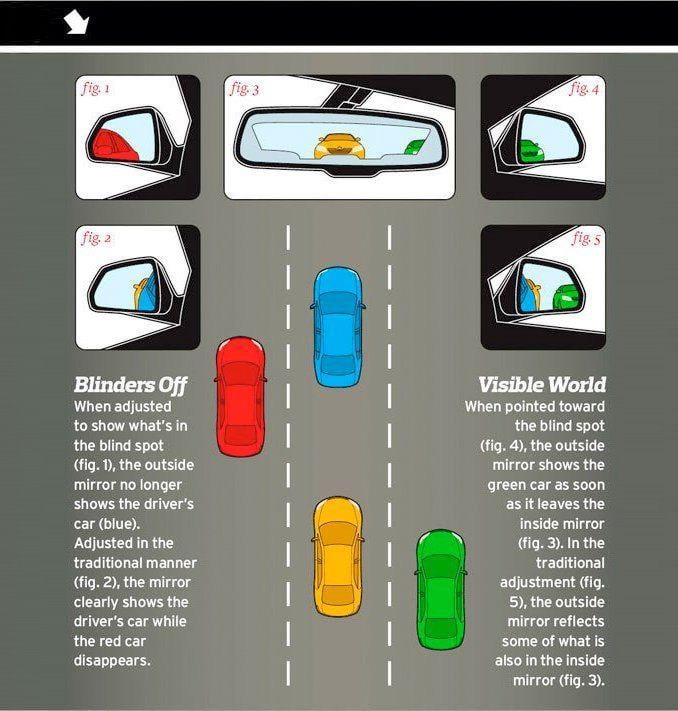
Blind spots are areas that are hard to see with mirrors. Adjusting side mirrors can reduce these zones. This makes it easier to spot other vehicles beside and behind your car.
| Mirror Position | Blind Spot Coverage | Notes |
| Standard (mirror shows side of car) | Large blind spots at sides | Common but less safe |
| Adjusted outward (edge of car barely visible) | Smaller blind spots | Recommended for better visibility |
| Wide angle or convex mirrors | Least blind spots | Best for safety |
Tools Needed For Mirror Adjustment
Adjusting car side mirrors helps improve your view and safety on the road.
Different types of mirrors need different tools and methods for adjustment.
Manual Vs. Power Mirrors
Manual mirrors require simple hand tools or no tools at all. Power mirrors need electrical controls or switches.
- Manual Mirrors:Often adjusted by hand or with a small screwdriver.
- Power Mirrors:Adjusted using buttons inside the car.
- Tools for Manual:Flathead or Phillips screwdriver, if needed to loosen or tighten mirror.
- Tools for Power:No tools needed, just use the car’s mirror control panel.
Additional Accessories
Some drivers use extra items to help with mirror adjustments or add convenience.
| Accessory | Purpose | Tools Needed |
| Mirror Adjustment Tool | Makes manual adjustment easier | None, tool included |
| Blind Spot Mirrors | Increase side view coverage | Adhesive or clips |
| Heated Mirror Kit | Prevents fog and ice | Basic wiring tools |
Step-by-step Mirror Adjustment Process
Setting your car’s side mirrors correctly helps you see traffic around you. Proper mirror adjustment reduces blind spots and improves safety.
This guide shows how to adjust your mirrors step-by-step. Follow each part carefully for the best view.
Preparing Your Vehicle
Start by parking your car on a flat surface. Make sure the car is in a stable position before adjusting mirrors.
Sit in the driver’s seat in your normal driving posture. Adjust your seat and steering wheel if needed.
- Park on level ground
- Sit comfortably in the driver’s seat
- Adjust seat height and distance
- Set steering wheel position
Adjusting The Driver’s Side Mirror
Lean your head against the driver’s window. Move the mirror until you barely see the side of your car.
The mirror should show the road behind and a small part of your car’s side. This reduces blind spots on the left.
- Lean head to driver’s window
- Adjust mirror outward
- See a small part of your car’s side
- Check the road behind clearly
Adjusting The Passenger Side Mirror
Lean your head to the center of the car, above the console. Adjust the passenger mirror outward.
You should see a small edge of your car’s right side and a wide view of the road behind. This covers the right blind spot.
- Lean head to car center
- Move mirror outward
- See a small part of car’s right side
- Get a wide road view behind

Credit: www.reddit.com
Common Mistakes To Avoid
Setting your car’s side mirrors correctly is important for safe driving. Many drivers make simple mistakes that reduce visibility. Avoid these errors to improve your view of the road.
Two common mistakes are overlapping mirrors and ignoring blind spots. Fixing these can help you see other vehicles better and avoid accidents.
Overlapping Mirrors
Many drivers adjust their mirrors too much, causing the side mirrors to show the same area as the rearview mirror. This overlap limits the side view and leaves blind spots.
Proper mirror adjustment means reducing overlap. Each mirror should cover a different area to widen your field of view.
- The rearview mirror shows the area directly behind your car.
- The side mirrors should show the lanes beside your car.
- Adjust side mirrors outward to reduce overlap with the rearview mirror.
Ignoring Blind Spots
Blind spots are areas around your car that you cannot see with mirrors. Ignoring these spots can cause accidents when changing lanes or merging.
Proper mirror adjustment helps reduce blind spots. Still, always check blind spots by turning your head before making moves.
- Adjust side mirrors to cover as much side area as possible.
- Do not rely only on mirrors; look over your shoulder too.
- Use extra mirrors or blind spot detection if your car has them.
Advanced Tips For Enhanced Visibility
Setting your car’s side mirrors correctly helps reduce blind spots. It also makes driving safer and easier. This guide shares advanced tips to improve your mirror setup.
These tips focus on using convex mirrors and customizing angles for different drivers. Follow them to get better views and increase road awareness.
Using Convex Mirrors
Convex mirrors curve outward. They show a wider area than flat mirrors. This helps spot cars in blind spots faster.
- Check if your car’s side mirrors have a convex section.
- Adjust the convex part to cover the area beside and behind your vehicle.
- Be aware that objects in convex mirrors look smaller and farther.
- Use the convex mirror to spot fast-moving vehicles approaching from behind.
- Combine convex mirrors with flat mirrors for the best coverage.
Customizing Angles For Different Drivers
Each driver may need different mirror angles. Adjusting mirrors for height, seating position, and driving style improves visibility.
| Driver Factor | Mirror Adjustment Tip |
|---|---|
| Height (Tall) | Lower the side mirrors slightly to see road edges better. |
| Height (Short) | Raise mirrors to cover more horizon and reduce blind spots. |
| Seat Forward | Angle mirrors outward more to cover wider side areas. |
| Seat Back | Adjust mirrors inward slightly to focus on lanes next to car. |
| Comfort Preference | Test angles in a safe area before driving on busy roads. |

Credit: thesafedriver.ca
Maintaining Your Side Mirrors
Side mirrors help you see cars behind and beside you. Keeping them clean and in good shape is important for safe driving.
Regular care of your side mirrors improves visibility and prevents accidents. It also saves money by avoiding costly repairs.
Cleaning Techniques
Clean your side mirrors often to remove dirt and water spots. Use soft cloths and gentle cleaners to avoid scratches.
Start by rinsing the mirror with water. Then wipe with a microfiber cloth and mild soap. Dry it with a clean cloth for clear vision.
- Use water and mild soap for cleaning
- Wipe with a soft microfiber cloth
- Dry mirrors completely to avoid streaks
- Avoid harsh chemicals that damage the glass
Repair And Replacement Advice
If your side mirror cracks or stops working, fix it quickly. Small cracks can get worse and block your view.
Replace mirrors that are broken or cannot be adjusted. Check your car manual for the right parts or visit a trusted mechanic.
- Inspect mirrors regularly for cracks or damage
- Repair minor cracks with clear adhesive
- Replace mirrors with broken glass or motor issues
- Use correct replacement parts for your car model
Frequently Asked Questions
How Do I Properly Adjust Car Side Mirrors?
Sit in your driving position and tilt the mirror until you see a small part of your car. Adjust to minimize blind spots and maximize side road visibility.
Why Are Side Mirrors Important For Driving Safety?
Side mirrors help you monitor traffic and blind spots. They prevent collisions by showing vehicles approaching from behind or sides.
When Should I Readjust My Car Side Mirrors?
Readjust mirrors after someone else drives your car or if you change your seating position. Proper adjustment ensures safe driving.
Can Side Mirrors Reduce Blind Spots Completely?
Properly set side mirrors significantly reduce blind spots but don’t eliminate them. Always check over your shoulder for full safety.
Conclusion
Setting side mirrors correctly boosts your driving safety. It minimizes blind spots, helping you see clearly. Adjust mirrors before starting your trip. Ensure you have a good view of the road and surroundings. Remember to check them regularly, especially after any adjustments.
Proper mirror alignment can prevent accidents. Practice makes perfect, so keep adjusting until it feels right. Stay aware and drive with confidence. Safe travels!