Are you struggling to find the perfect temperature for your air conditioner? Setting it too low can spike your energy bills, while setting it too high won’t give you the cool comfort you need.
What if you could easily discover the ideal balance that keeps your home comfortable and saves money? You’ll learn simple, practical tips to set your air conditioner just right—helping you enjoy a refreshing environment without the stress. Keep reading, and take control of your comfort today!
Ideal Temperature Ranges
Setting the right temperature on your air conditioner helps keep you comfortable. It also saves energy and lowers bills.
Different seasons need different temperature settings to stay cozy and efficient.
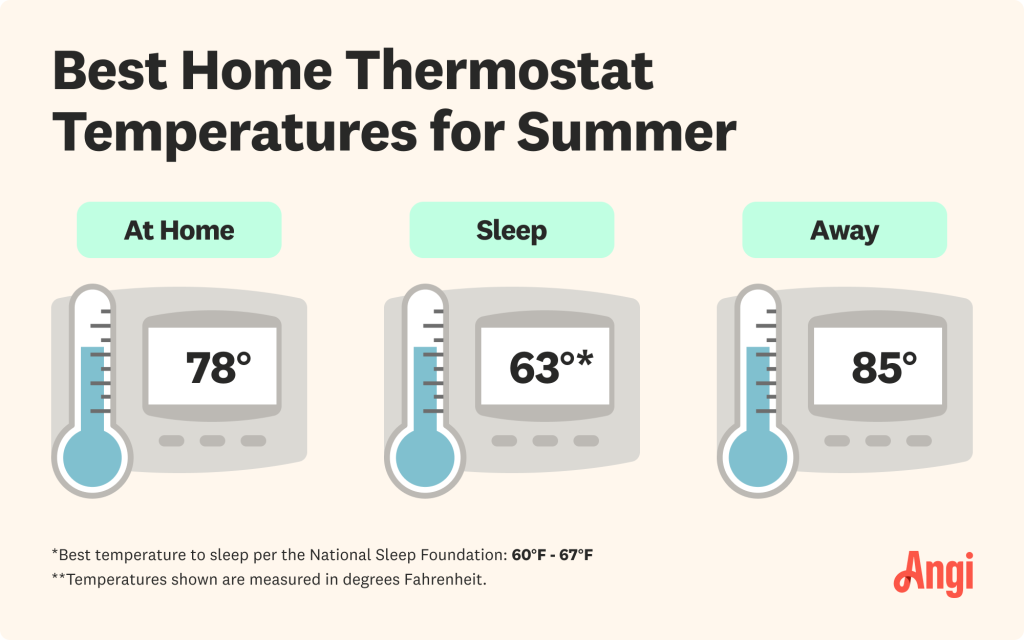
Recommended Settings For Summer
In summer, a cooler temperature helps fight the heat. But setting the AC too low wastes energy.
Experts suggest setting your air conditioner between 24°C and 26°C (75°F to 78°F) for comfort and savings.
- Keep the thermostat at 24°C (75°F) when at home.
- Raise the temperature a few degrees when away.
- Use fans to help air circulate.
Optimal Winter Temperatures
In winter, your heater or heat mode on the AC should be warmer but not too hot. This saves energy.
Set your temperature between 20°C and 22°C (68°F to 72°F) for comfort and efficiency.
- Keep the setting at 20°C (68°F) when home.
- Lower the temperature when sleeping or away.
- Wear warm clothes to reduce heating needs.
Energy Efficiency Tips
Saving energy helps the environment and lowers your bills. Small changes can make a big difference.
Use these tips to keep your AC working well and use less power.
- Keep doors and windows closed while AC runs.
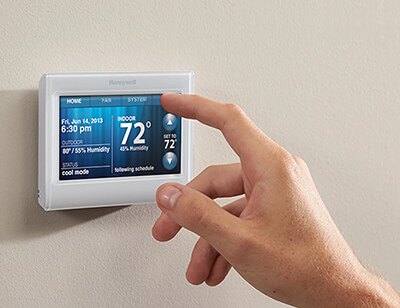
- Use a programmable thermostat to adjust temperatures automatically.
- Clean or replace filters regularly for better airflow.
- Use ceiling fans to spread cool or warm air.
- Avoid setting temperatures too low or too high.
Credit: gulfshorecooling.com
Factors Affecting Temperature Choice
Setting the right temperature for your air conditioner depends on many factors. These factors help keep the room comfortable and save energy.
Understanding these factors makes it easier to choose the best temperature for your space.
Room Size And Layout
The size of the room affects how much cooling is needed. Large rooms need lower temperatures or stronger AC units.
The layout also matters. Open rooms cool differently than rooms with many walls or doors.
- Large rooms may need temperatures around 72°F (22°C)
- Small rooms can be comfortable at 75°F (24°C)
- Rooms with many windows may feel warmer
- Closed layouts keep cool air longer
Humidity Levels
Humidity changes how cold or hot a room feels. High humidity makes the air feel warmer.
Lower temperatures help reduce humidity and make the room feel cooler and more comfortable.
- High humidity needs lower temperatures to feel cool
- Low humidity may allow for slightly higher temperatures
- Using a dehumidifier can help with comfort
Occupant Preferences
People feel comfortable at different temperatures. Some like it cooler, others prefer warmth.
Adjust the AC temperature to match the preferences of those using the room.
- Ask occupants about their comfort levels
- Set a temperature that suits most people
- Use programmable settings for different times
Smart Thermostat Benefits
Smart thermostats help control your air conditioner easily. They improve comfort and save energy. These devices adjust the temperature automatically and can be controlled remotely.
Using a smart thermostat makes setting the right temperature simple. It learns your preferences and helps reduce electricity bills.
Automated Temperature Adjustments
Smart thermostats change temperature based on your schedule. They sense when you are home or away. This keeps rooms comfortable without wasting energy.
- Automatically lowers temperature at night
- Increases cooling when you return
- Adjusts settings during different weather conditions
- Prevents unnecessary energy use when no one is home
Remote Control Features
You can control your air conditioner from anywhere. Use your phone or tablet to change the temperature. This feature adds convenience and saves energy.
- Turn AC on before arriving home
- Adjust settings without being near the thermostat
- Monitor energy use in real-time
Energy Savings
Smart thermostats help you save on electricity bills. They keep the temperature at the best level to reduce power use. This lowers your home’s energy consumption.
| Feature | Energy Impact |
| Scheduled Temperature Changes | Reduces energy waste when away |
| Adaptive Learning | Optimizes cooling for comfort and savings |
| Remote Access | Allows quick adjustments to save power |
Credit: www.tomsguide.com
Common Mistakes To Avoid
Setting the right temperature on your air conditioner helps save energy and stay comfortable. Many people make simple mistakes that affect AC performance.
Knowing what to avoid can keep your AC running well and cut down your bills. Read on to learn the common errors.
Setting Too Low Or High
Setting the AC temperature too low or too high causes problems. Too low wastes energy and can make the room too cold. Too high makes the AC work harder and lowers comfort.
- Set the temperature between 72°F and 78°F for best comfort and savings.
- Avoid changing the temperature often; it makes the AC use more power.
- Use a programmable thermostat to keep a steady temperature.
Ignoring Maintenance
Skipping regular AC maintenance leads to poor cooling and higher bills. Dirt and dust block airflow and damage parts. Clean filters and check the system often.
| Maintenance Task | Frequency | Why It Matters |
| Clean or replace air filters | Every 1-3 months | Keeps air clean and improves efficiency |
| Check refrigerant levels | Once a year | Ensures proper cooling power |
| Inspect and clean coils | Once a year | Prevents overheating and damage |
Overusing Ac
Running the AC all day wastes energy and wears out the system. Use it wisely by turning it off when not needed. Fans and shades help reduce the load.
Tips to avoid overusing your AC:
- Use fans to circulate air and feel cooler.
- Close curtains during hot hours to block sunlight.
- Turn off AC when rooms are empty.
- Set timers or use smart thermostats for better control.
Seasonal Temperature Adjustments
Setting the right air conditioner temperature changes with the seasons. Adjusting helps save energy and keeps you comfortable.
Different weather needs different temperatures. Changing your AC settings is smart as seasons move.
Transitioning Between Seasons
When seasons change, adjust your AC to match new temperatures outside. This keeps your home cozy and saves power.
Try changing the temperature gradually. Avoid big jumps that can waste energy or make rooms too cold or hot.
- In spring, set AC to a moderate temperature like 75°F (24°C).
- In fall, raise the temperature to around 78°F (26°C) as days cool down.
- Lower the setting in summer to about 72-74°F (22-23°C) for cooling.
- Turn off or use heating in winter if your AC has that option.
Adapting To Weather Changes
Weather can change quickly. Be ready to adjust your AC temperature to stay comfortable.
Use a programmable thermostat or adjust settings daily. This helps keep your home comfortable and saves energy.
- Check weather forecasts to plan your AC settings.
- Raise the temperature on cooler days to save energy.
- Lower the temperature on hotter days for comfort.
- Use fans to help air circulate and reduce AC use.
Tips For Maximizing Comfort
Setting the right temperature for your air conditioner helps keep your home comfortable. It also saves energy and lowers your bills.
Using a few simple tips can improve how your AC works. These tips include using fans, ensuring good ventilation, and cleaning filters often.
Using Fans Alongside Ac
Fans help spread cool air from the AC all over the room. This way, you can feel cooler without lowering the AC temperature too much.
- Use ceiling fans to push cool air down
- Place standing fans near air vents for better flow
- Turn fans off when you leave the room to save energy
Proper Ventilation
Good ventilation helps remove warm air and brings in fresh air. It keeps your home cooler and makes the AC work less hard.
| Ventilation Method | Benefit |
| Open windows during cool times | Brings fresh air inside |
| Use exhaust fans in kitchens and bathrooms | Removes warm, humid air |
| Seal gaps around doors and windows | Keeps cool air inside |
Regular Filter Cleaning
Clean filters let air flow freely. Dirty filters block air and make your AC less effective.
Here is how often you should clean your air filter:
- Check filter monthly during heavy use
- Clean or replace filter every 1-3 months
- Use a vacuum or wash with water if reusable
- Replace disposable filters as needed
Credit: heatable.co.uk
Frequently Asked Questions
What Is The Ideal Temperature Setting For An Air Conditioner?
The ideal temperature is usually between 72°F and 78°F. This range balances comfort and energy efficiency. Adjust slightly based on personal preference and outside weather. Setting the AC too low wastes energy and increases costs.
How Does Temperature Setting Affect Energy Consumption?
Lower temperatures force the AC to work harder, increasing energy use. Setting the temperature moderately saves electricity and reduces bills. Using a programmable thermostat can optimize temperature and energy efficiency.
Should I Change The Ac Temperature At Night?
Yes, raising the temperature by 2-3 degrees at night saves energy. Cooler night air may reduce the need for AC. Use a timer or smart thermostat to automate night temperature changes.
Can Setting Ac Temperature Too Low Harm The Unit?
Yes, setting too low strains the compressor and reduces lifespan. It causes frequent cycling and potential breakdowns. Maintain a moderate temperature to protect your AC and ensure efficient operation.
Conclusion
Setting your air conditioner temperature correctly saves energy and money. Choose a comfortable temperature that suits your needs. Keep in mind the season and your local climate. Slight adjustments can make a big difference. Regular maintenance also helps maintain efficiency.
Avoid extreme settings to prevent higher energy bills. A well-set air conditioner ensures comfort and keeps your home cool. Experiment with different settings to find what works best. Stay cool and enjoy your ideal indoor climate.