
Are you unsure about the best temperature to set your air conditioner? You’re not alone.
Setting the right temperature can make your home feel comfortable without wasting energy or hiking up your electricity bill. You’ll discover simple tips to find the perfect balance between coolness and efficiency. Keep reading to learn how a small adjustment can make a big difference in your comfort and savings.
Ideal Temperature Settings
Setting the right air conditioner temperature helps keep your home comfortable. It also saves energy and lowers bills.
Knowing the ideal temperature makes it easy to adjust your AC properly throughout the year.
Recommended Indoor Temperatures
For most people, the best temperature is between 72°F and 78°F. This range feels comfortable without using too much energy.
At night, setting the temperature higher by a few degrees can help you sleep better and save power.
- Daytime: 72°F to 78°F (22°C to 26°C)
- Nighttime: 78°F to 80°F (26°C to 27°C)
- Avoid setting below 68°F (20°C) to save energy
Balancing Comfort And Energy
Lower temperatures cool your home faster but use more electricity. Higher settings save energy but may feel warm.
Use a programmable thermostat to keep a balance. Set cooler temps when you are home and warmer when away.
- Set AC to 78°F (26°C) when home
- Raise temperature by 7-10°F (4-6°C) when away
- Use fans to help air circulate and feel cooler
Seasonal Adjustments
Adjust your AC temperature depending on the season. In summer, keep it cooler. In spring or fall, use higher settings.
Changing settings with seasons helps keep comfort without wasting energy on extreme cooling.
- Summer: 72°F to 78°F (22°C to 26°C)
- Spring/Fall: 75°F to 80°F (24°C to 27°C)
- Winter (if AC runs): Keep above 78°F (26°C)
Credit: heatable.co.uk
Factors Affecting Temperature Choice
Setting the air conditioner temperature depends on several important factors. These factors help you find a comfortable and efficient setting.
Understanding these factors can save energy and improve your comfort at home or work.
Room Size And Insulation
The size of your room changes how cold the air conditioner needs to work. Large rooms need lower temperatures for comfort. Good insulation keeps cold air inside and heat outside.
| Room Size | Recommended Temperature Range | Insulation Quality |
|---|---|---|
| Small (up to 150 sq ft) | 75°F – 78°F (24°C – 26°C) | Good insulation keeps temperature steady |
| Medium (150 to 300 sq ft) | 73°F – 76°F (23°C – 24.5°C) | Moderate insulation needs careful setting |
| Large (over 300 sq ft) | 70°F – 74°F (21°C – 23°C) | Poor insulation requires lower temperature |
Number Of Occupants
More people in the room means more body heat. This heat raises the room temperature. You may need to set the air conditioner cooler for many occupants.
- One or two people: Normal temperature setting is fine.
- Three to five people: Lower temperature by 1-2 degrees.
- More than five people: Set temperature even lower to stay comfortable.
Humidity Levels
Humidity affects how warm or cool the air feels. High humidity makes the air feel hotter. The air conditioner must work harder to remove moisture.
Tips to adjust temperature based on humidity:
- Use a dehumidifier if humidity is very high.
- Set the air conditioner 2-3 degrees lower in humid conditions.
- Keep windows and doors closed to reduce moisture entry.
Smart Thermostat Features
Smart thermostats help control your air conditioner easily. They make setting the right temperature simple and convenient.
These devices come with features that save energy and improve comfort in your home.
Programmable Schedules
Smart thermostats allow you to set temperature schedules for different times of the day. This helps keep your home comfortable without wasting energy.
You can program the thermostat to cool your home before you arrive and raise the temperature when you leave.
- Set different temperatures for morning, afternoon, and night
- Adjust schedules for weekdays and weekends
- Save energy by avoiding cooling an empty house
Remote Control Options
Many smart thermostats connect to your phone or tablet. This lets you control the air conditioner from anywhere.
You can change the temperature without being at home. This adds convenience and helps avoid extra energy use.
- Use apps to adjust settings remotely
- Receive alerts about temperature changes
- Monitor energy usage from your device
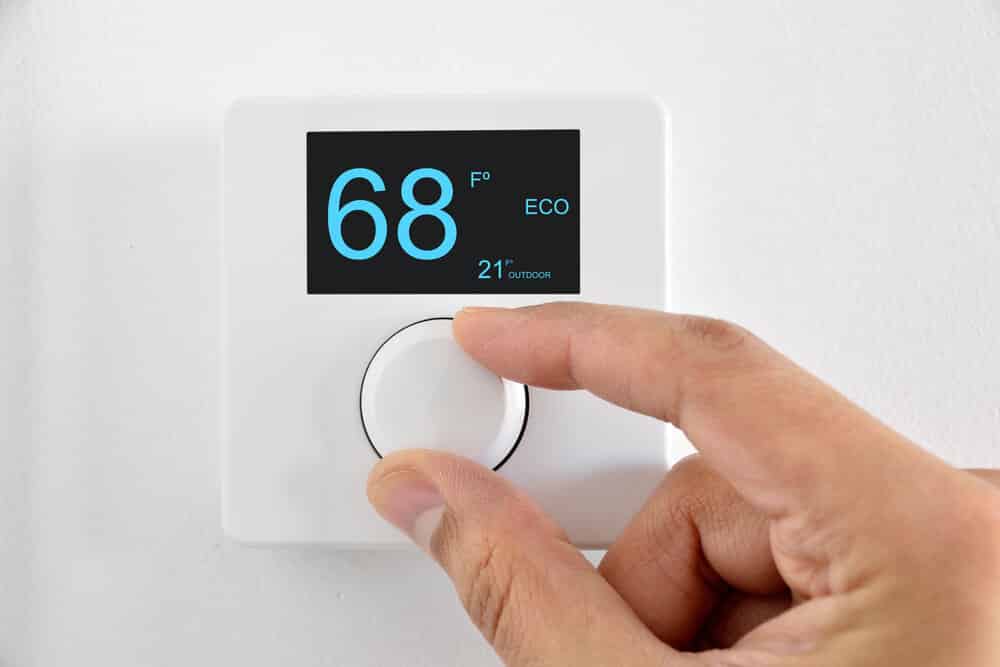
Energy-saving Modes
Smart thermostats include modes that help save electricity. These modes adjust cooling to reduce energy use.
The thermostat learns your habits and adapts settings to keep energy consumption low.
- Eco mode lowers cooling when not needed
- Adaptive learning to optimize temperature
- Alerts to remind you to change filters or settings
Credit: fischerheating.com
Energy Efficiency Tips
Setting your air conditioner temperature correctly helps save energy. This lowers your bills and keeps your home comfortable.
Using simple habits can improve how well your air conditioner works. These tips will guide you to use less power.
Using Fans For Circulation
Fans move air around a room. This helps spread cool air from the air conditioner.
Using fans lets you set the air conditioner at a higher temperature. This saves energy and keeps you cool.
- Use ceiling fans to push cool air down
- Place portable fans near vents for better flow
- Turn fans off when no one is in the room
Sealing Windows And Doors
Air leaks let cool air escape and warm air enter. This makes your air conditioner work harder.
Seal gaps around windows and doors to keep the cool air inside. This saves energy and keeps your home cool.
- Use weather stripping on door frames
- Apply caulk around window edges
- Close curtains or blinds during hot days
Regular Maintenance
Clean and check your air conditioner often. This keeps it running well and uses less energy.
Replace filters monthly and clear debris from outside units. Schedule professional service yearly to catch problems early.
- Change or clean air filters every 1-3 months
- Remove leaves and dirt near outdoor units
- Check for unusual noises or leaks
- Have a technician inspect it once a year
Common Mistakes To Avoid
Setting your air conditioner temperature correctly saves energy and keeps you comfortable. Many people make simple errors that waste power and reduce comfort.
Learn the common mistakes to avoid for better cooling and lower bills.
Setting Too Low Temperatures
Setting the AC temperature too low does not cool the room faster. It only uses more energy and costs more money.
Choose a comfortable temperature between 72°F and 78°F. This range balances comfort and energy use well.
Ignoring Filter Cleaning
Dirty filters block airflow and reduce cooling power. The AC works harder, raising your energy bills.
Clean or replace the air filter every 1 to 3 months. This keeps your AC running smoothly and cools better.
- Check filter monthly during heavy use
- Use the right filter size for your unit
- Replace disposable filters on time
Overlooking Thermostat Placement
Placing the thermostat in a hot or sunny spot causes wrong temperature readings. The AC may run too long or not enough.
Install the thermostat in a shaded area, away from heat sources and direct sunlight. This helps keep the room comfortable.
- Avoid placing near windows and lamps
- Keep it at eye level for easy reading
- Do not place near vents or appliances
Customizing Settings For Different Rooms
Setting the right temperature for each room helps save energy and keeps everyone comfortable. Different rooms need different air conditioner settings.
Adjusting your AC by room improves comfort and avoids wasting power. Think about how each space is used.
Bedrooms Vs Living Areas
Bedrooms usually need cooler temperatures for better sleep. Living areas can be a bit warmer since people move around more.
Set bedrooms between 65°F and 70°F for comfort at night. Living rooms can stay around 72°F to 75°F during the day.
- Bedrooms: cooler, to promote restful sleep
- Living areas: warmer, for daily activities
- Adjust settings based on personal comfort
Home Office Considerations
Home offices need stable temperatures to keep you focused. Avoid settings that are too cold or too hot.
Set your home office between 70°F and 73°F. This range helps maintain alertness and comfort during work hours.
- Keep temperature steady to avoid distractions
- Adjust slightly depending on equipment heat
- Use fans or heaters if needed for extra comfort
Zones And Multiple Units
Using zones or multiple AC units lets you control temperatures in different rooms separately. This saves energy and increases comfort.
Each zone can have its own thermostat settings. You can cool only the rooms you use the most.
- Set zones based on room use and time of day
- Turn off AC in unused rooms to save power
- Use smart thermostats for easy control
Credit: gulfshorecooling.com
Frequently Asked Questions
What Is The Ideal Temperature For Air Conditioner Settings?
The ideal air conditioner temperature is between 72°F and 78°F. This range balances comfort and energy efficiency. Setting the AC within this range helps reduce electricity bills and maintains a pleasant indoor climate.
How Does Temperature Affect Air Conditioner Efficiency?
Lowering the temperature too much makes the AC work harder. This increases energy consumption and utility costs. Maintaining a moderate temperature improves efficiency and prolongs your unit’s lifespan.
Can Setting Ac Temperature Too Low Cause Problems?
Yes, setting the AC temperature too low can cause excessive wear. It may lead to freezing coils and higher energy bills. Always avoid temperatures below 68°F to protect your system.
How To Adjust Ac Temperature For Energy Savings?
Set your AC temperature around 78°F when home and higher when away. Using a programmable thermostat helps manage settings automatically. This practice reduces energy use without sacrificing comfort.
Conclusion
Setting the right air conditioner temperature saves energy. It keeps your home comfortable. Begin by understanding your preferences. Experiment with different settings. Find what suits your needs best. A temperature around 24°C (75°F) often works well. Try adjusting it slightly for more comfort.
Keep doors and windows closed for better efficiency. Regular maintenance helps too. Clean filters ensure smooth operation. Remember, small changes can make a big difference. Stay cool and save money. Your air conditioner can work smarter with these simple tips.