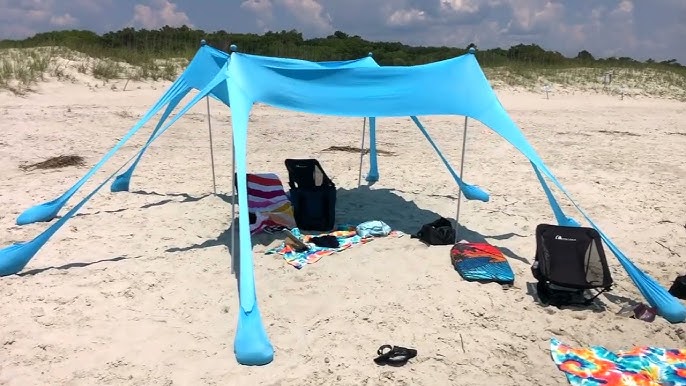
Planning a day at the beach? Setting up a beach tent can make your experience more comfortable and protect you from the sun’s harsh rays.
But if you’re not sure where to start, it might feel tricky or time-consuming. Don’t worry—this guide will show you exactly how to set up your beach tent quickly and easily. By the end, you’ll be ready to create your own perfect shady spot in no time.
Keep reading to discover simple steps that anyone can follow, so your next beach day is hassle-free and relaxing.
Credit: www.amazon.com
Choosing The Right Tent
Picking the right beach tent makes your day more fun and comfortable. A good tent offers shade and protection from wind and sand.
Think about your needs before buying. Size, type, and material all matter for a great beach tent.
Types Of Beach Tents
Beach tents come in many styles. Each type works well for different uses and weather conditions.
Some tents are simple and easy to set up. Others offer full protection and more space.
- Pop-up tents:Open quickly, no tools needed.
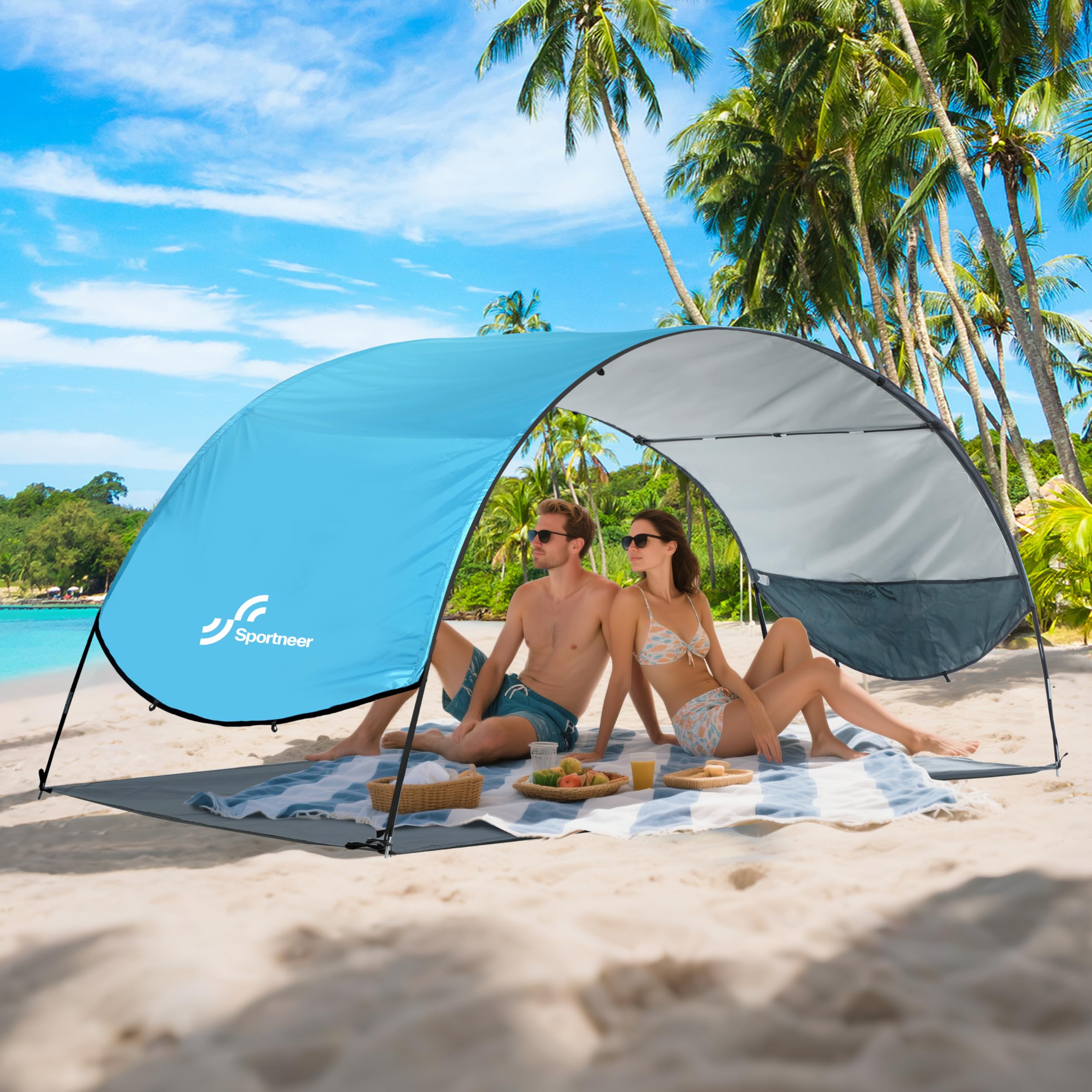
- Cabana tents:Open front, good for shade and breeze.
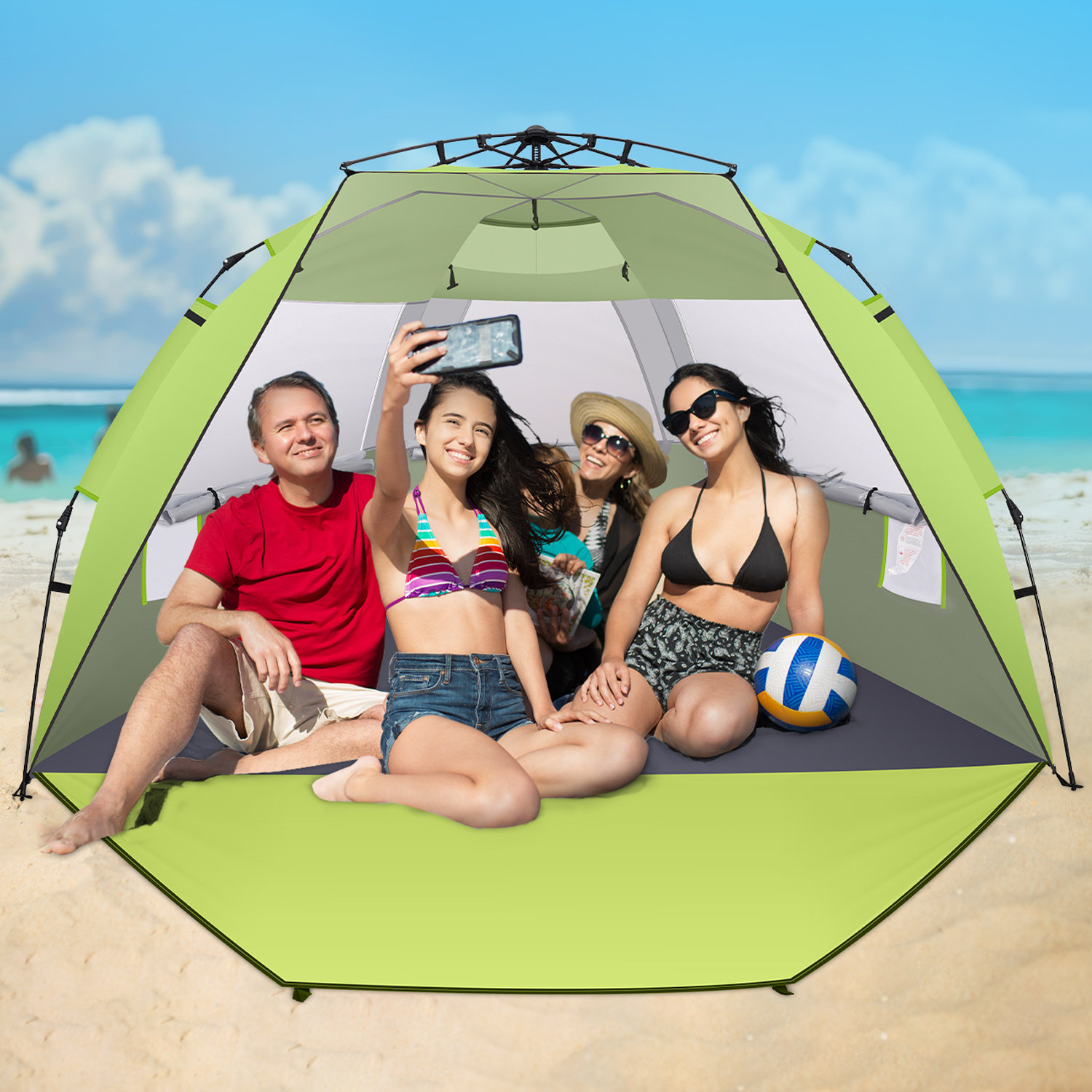
- Dome tents:Enclosed, protect against wind and sun.
- Umbrella tents:Lightweight, easy to carry.
Size And Capacity
Choose a size that fits the number of people using the tent. Too small means no space to move.
Check the tent’s dimensions and how many can sit or lie down inside. Some tents fit two, others fit six or more.
- Small tents: good for 1-2 people
- Medium tents: fit 3-4 people comfortably
- Large tents: hold 5-6 or more people
Material And Durability
Beach tents face sun, wind, and sand. Choose strong, waterproof fabric for long use.
Look for tents made of nylon or polyester. These materials dry fast and resist tears.
- UV protection:Blocks harmful sun rays
- Water-resistant:Keeps out light rain and splashes
- Strong frame:Withstands wind and stays stable
Picking The Perfect Spot
Choosing the right place for your beach tent makes your day more comfortable. A good spot protects you from sun, wind, and water.
Look around before setting up to find a safe and cozy area. This guide helps you pick the best spot at the beach.
Sun And Shade Considerations
Think about the sun’s position during the day. A spot with some natural shade keeps you cool and safe from sunburn.
- Set up near trees or large rocks for shade
- Face the tent entrance away from direct sunlight
- Bring an extra shade cloth for afternoon sun
- Check where the sun will be in the afternoon
Wind Direction
Wind can blow sand and make your tent unstable. Place your tent to block the wind and keep it steady.
| Wind Direction | Best Tent Orientation |
| From the north | Face entrance south or east |
| From the east | Face entrance west or south |
| From the south | Face entrance north or west |
| From the west | Face entrance east or north |
Avoiding High Tide Areas
High tide can flood your tent and ruin your day. Always set up your tent well above the high tide line.
Use these tips to avoid tide problems:
- Look for wet sand marks from the last tide
- Ask locals or lifeguards about tide times
- Check tide charts online before you go
- Set your tent far from the waterline
Gathering Essential Tools
Setting up a beach tent is easy when you have the right tools. These tools keep your tent stable and safe on sandy ground.
Before you go to the beach, gather all the essential tools. This helps you set up quickly and enjoy your time outdoors.
Tent Stakes And Anchors
Tent stakes hold your tent firmly in the sand. Choose stakes made for beach use. They are longer and wider than regular stakes.
Anchors also help keep the tent stable. Sand anchors screw into the ground and resist wind better than normal stakes.
- Use wide, long stakes for soft sand
- Sand screw anchors provide strong hold
- Plastic anchors work well in dry sand
Mallet Or Hammer
A mallet or hammer helps you drive stakes and anchors into the sand. It makes the process faster and easier.
Choose a mallet with a rubber head or a hammer with a smooth face. This avoids damaging your stakes or anchors.
- Rubber mallets prevent bending stakes
- Light hammers are easy to carry
- Use a tool with a comfortable handle
Additional Accessories
Some accessories make setting up your beach tent easier and more secure. They help protect your tent and keep it stable.
Bring extra ropes, sandbags, or clips. These items add extra support and help you adjust the tent as needed.
- Extra ropes help tighten the tent
- Sandbags weigh down the corners
- Clips fix loose fabric or netting

Credit: www.amazon.ca
Step-by-step Tent Setup
Setting up a beach tent is easy with the right steps. This guide will help you put it up quickly.
Follow each part to make sure your tent stays safe and stable on the sand.
Unfolding The Tent
Start by taking the tent out of its bag. Place it flat on the sand with the bottom side down.
Unfold the tent carefully until it is fully open. Make sure no parts are stuck or twisted.
Securing The Poles
Find the tent poles and connect them as shown in the instructions. Most poles snap or slide together.
Insert the poles into the tent’s sleeves or clips. This will give the tent its shape and strength.
- Check all poles are locked in place
- Make sure poles are straight and firm
- Adjust poles if the tent looks uneven
Anchoring The Tent
Secure the tent by pushing stakes into the sand at each corner. Use the loops on the tent to attach them.
For extra hold, use sandbags or heavy objects inside the tent corners. This stops the tent from moving in wind.
- Push stakes deep to hold firmly
- Tighten ropes or straps if available
- Add extra weight if wind is strong
Tips For Stability In Windy Conditions
Setting up a beach tent on windy days can be tricky. Strong winds can lift or move your tent. Using the right methods helps keep it stable and safe.
Below are simple tips to improve your tent’s stability. These focus on using sandbags, placing stakes correctly, and adjusting angles.
Using Sandbags And Weights
Sandbags add extra weight to your tent’s base. They stop it from blowing away in strong gusts. You can fill bags with sand or use heavy objects.
- Fill bags with dry sand for best weight
- Attach bags to tent legs or corners
- Use rocks or water containers if sand isn’t available
- Check bags regularly to keep weight balanced
Proper Stake Placement
Staking your tent firmly into the sand is very important. Place stakes at the correct angle and depth to hold the tent tight.
| Stake Position | Angle | Depth | Tip |
| Front corners | 45 degrees away from tent | 8-10 inches | Pull taut before driving stake |
| Side edges | 45 degrees outward | 6-8 inches | Use longer stakes in loose sand |
| Back corners | 45 degrees outward | 8-10 inches | Check tension regularly |
Adjusting Tent Angles
Changing the angle of your tent helps reduce wind resistance. Tilt the tent away from the wind direction. This lowers the chance of it catching strong gusts.
Try these angle adjustments:
- Face the low side of the tent into the wind
- Lower the height of the tent if adjustable
- Use flexible poles to bend the tent shape
Credit: www.wayfair.ca
Maintaining And Packing Up
Keeping your beach tent clean and storing it properly helps it last longer. After a fun day at the beach, take time to care for your tent. This guide covers cleaning, folding, and storing tips for your beach tent.
Proper maintenance also makes setting up your tent easier next time. Follow these simple steps to protect your tent from damage and dirt.
Cleaning The Tent
Remove sand and debris before packing your tent. Use a soft brush or cloth to clean the fabric. Avoid harsh soaps that can damage the material. If the tent is wet, let it dry in shade to prevent mildew.
- Shake out loose sand and dirt
- Wipe down with a damp cloth
- Air dry completely before packing
- Spot clean stains with mild soap
Folding Techniques
Folding your tent correctly saves space and prevents creases. Lay the tent flat and fold it evenly along the seams. Roll or fold tightly to fit the carrying bag. Avoid sharp bends that can damage poles or fabric.
- Lay the tent flat on a clean surface
- Fold the sides toward the center
- Fold the tent in half or thirds lengthwise
- Roll or fold from one end tightly
- Place it in the storage bag carefully
Storage Tips
Store your beach tent in a dry, cool place to avoid mold and damage. Keep it out of direct sunlight during long storage. Use a breathable bag or container to protect it from dust and pests.
| Storage Condition | Reason |
|---|---|
| Dry area | Prevents mold and mildew growth |
| Cool temperature | Protects fabric from heat damage |
| Breathable bag | Allows air circulation to avoid odor |
| Off the floor | Stops moisture and pests from reaching tent |
Frequently Asked Questions
How Do I Choose The Best Beach Tent Size?
Choose a beach tent size based on your group size and gear. For 2-3 people, a small tent works well. Larger tents accommodate families or groups. Consider portability and weight for easy transport. Always check the tent’s dimensions before purchase for comfort.
What Is The Easiest Way To Set Up A Beach Tent?
Start by selecting a flat, clean spot on the sand. Unfold the tent and insert poles as per instructions. Secure the tent with stakes or sandbags to prevent wind damage. Tighten all straps for stability. Practice setup at home for faster beach assembly.
How Can I Secure A Beach Tent In Strong Wind?
Use heavy-duty sand anchors or stakes designed for beach use. Fill sandbags and attach them to tent corners. Position the tent facing away from the wind for better stability. Avoid lightweight tents in strong winds. Always double-check all anchor points before leaving the tent.
What Materials Make Beach Tents Durable And Uv Resistant?
Look for tents made from polyester or nylon with UV protection coatings. These materials resist sun damage and provide good ventilation. A UPF rating of 50+ offers excellent sun protection. Durable fabrics also withstand salt and sand exposure, ensuring longer tent life.
Conclusion
Setting up a beach tent can make your day more relaxing and fun. Follow simple steps to choose a good spot and secure your tent well. Use stakes and sandbags to keep it steady. Remember to check the wind direction before you start.
With practice, you will set up your tent quickly. Enjoy the shade and comfort it provides. A well-set beach tent protects you from sun and wind. Make your beach trips easier by preparing in advance. Now, you are ready for a great day at the beach!