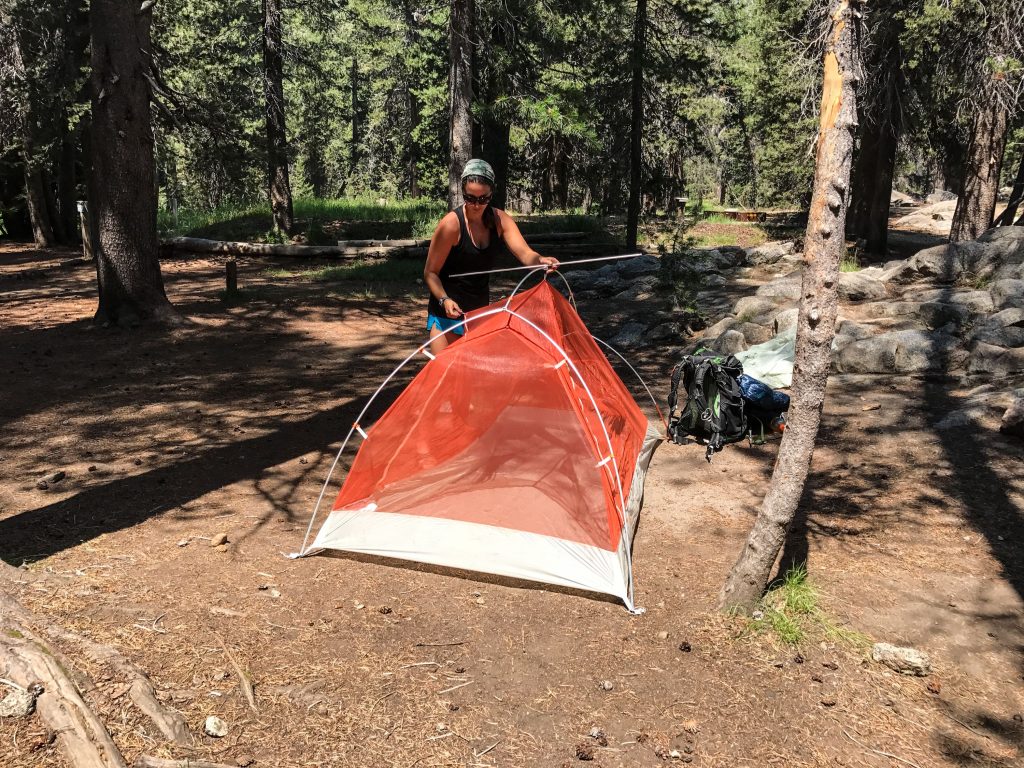
Setting up a big tent might seem like a tough job, but with the right steps, you can do it quickly and confidently. Whether you’re planning a family gathering, a party, or an outdoor event, knowing how to put up a large tent makes all the difference.
In this guide, you’ll discover simple tips and tricks to make the process smooth and stress-free. Keep reading, and you’ll be ready to create the perfect shelter for your next big occasion.
Choosing The Right Tent
Setting up a big tent needs careful planning. Choosing the right tent helps make your event safe and comfortable.
Think about size, material, and weather before you pick a tent. This guide will help you decide.
Selecting Tent Size
Pick a tent size that fits your guests and activities. A tent too small feels crowded. A tent too big wastes space.
Measure the area where you will set up the tent. Also, count how many people will attend. Add extra space for tables and chairs.
- Small tent: up to 20 people
- Medium tent: 20 to 50 people
- Large tent: over 50 people
Picking Tent Material
Tent material affects durability and comfort. Choose material that fits your budget and event needs.
Common materials include polyester, canvas, and vinyl. Each has benefits and drawbacks for big tents.
- Polyester: lightweight and water-resistant
- Canvas: strong and breathable, but heavy
- Vinyl: waterproof and easy to clean
Considering Weather Conditions
Think about the weather when choosing your tent. Strong winds, rain, or sun need different tent features.
Look for tents with good ventilation, waterproof fabric, and strong poles if weather is tough.
- Use waterproof material for rainy places
- Choose tents with mesh windows for hot weather
- Pick tents with strong frames for windy areas
Preparing The Site
Setting up a big tent requires proper site preparation. A well-prepared site ensures comfort and safety.
Follow these steps to prepare the site efficiently and make your tent setup successful.
Finding A Flat Area
Look for a flat area to set up your tent. This helps in making sure that the tent is stable and comfortable.
- Walk around to spot any slight inclines or declines.
- Choose a location away from water flow paths.
- Check for overhead branches that may fall.
Clearing Debris
Clear debris to protect the tent floor and provide a smoother base. Remove items that could cause discomfort.
Make sure to:
- Pick up rocks, sticks, and leaves.
- Sweep away any loose dirt.
- Ensure the area is clean and level.
Checking Ground Firmness
The ground must be firm to hold tent pegs securely. Check firmness to prevent the tent from collapsing.
| Ground Type | Firmness Level |
| Grass | Moderate |
| Sand | Low |
| Gravel | High |
Gathering Essential Tools
Setting up a big tent needs the right tools. You should prepare before you start.
Having all equipment ready helps make the process quick and safe. Check your tools carefully.
List Of Required Equipment
These tools are needed to set up a large tent properly. Make sure you have them all.
- Tent fabric and poles
- Heavy-duty stakes or pegs
- Hammer or mallet
- Ropes and guy lines
- Measuring tape
- Ground tarp or footprint
- Adjustable wrenches or pole clips
- Step ladder
Safety Gear Recommendations
Use safety gear to protect yourself while setting up the tent. It lowers the risk of injuries.
| Gear | Purpose |
| Work gloves | Protect hands from cuts and blisters |
| Safety glasses | Shield eyes from dust and debris |
| Hard hat | Protect head from falling objects |
| Sturdy boots | Support feet and prevent slips |
| High-visibility vest | Make you visible to others |

Credit: www.youtube.com
Unpacking And Organizing
Setting up a big tent starts with careful unpacking and organizing. Doing this well saves time and prevents damage.
Keep your workspace clear and sort all parts before assembling. This makes the process smoother and safer.
Sorting Tent Components
Begin by unpacking the tent and spreading all parts out. Check that you have all components listed in the instructions.
- Tent fabric and rainfly
- Poles and connectors
- Stakes and ropes
- Groundsheet or footprint
- Bag or container for small parts
Group similar items together. For example, place all poles in one pile by size or color.
Setting Up A Workspace
Choose a flat, clean area with enough space to lay out all parts. This helps avoid losing small pieces.
| Workspace Feature | Reason |
| Flat surface | Prevents tent parts from rolling away |
| Clean ground | Protects fabric from dirt and damage |
| Good lighting | Makes it easier to see small parts |
| Nearby storage | Keeps parts organized and safe |
Assembling The Tent Frame
Setting up a big tent starts with building a strong frame. The frame holds the tent fabric and keeps it upright. Follow simple steps to put the frame together safely and correctly.
Focus on connecting poles, securing joints, and checking stability. Each part needs attention for a safe and sturdy tent.
Connecting Poles
Begin by laying out all the poles. Group them by size and type. This helps find the right pieces quickly. Connect poles end to end to form longer sections. Make sure each pole fits tightly to avoid gaps.
- Match poles by color or label if available
- Push or slide poles into each other firmly
- Use a mallet for stubborn connections
- Check that poles align straight without bending
Securing Joints
Joints hold the poles together and need extra care. Use pins, clips, or screws to lock poles in place. Tighten all fasteners to prevent movement. Loose joints can cause the frame to collapse.
| Joint Type | Tool Needed | Tip |
|---|---|---|
| Pin Joint | Hammer or mallet | Tap pins fully through holes |
| Clip Joint | No tool needed | Ensure clips snap tightly |
| Screw Joint | Screwdriver or drill | Do not over-tighten screws |
Ensuring Stability
After assembling the frame, check its stability. The frame should stand firm without wobbling. Use ropes and stakes to anchor the structure firmly. Make sure the ground is flat and firm under the tent.
Follow this checklist to ensure stability:
- Frame stands straight with no gaps
- All joints are tight and secure
- Ground stakes are driven deep
- Guy ropes are taut and tied properly
- Check for any loose poles or parts
Attaching The Tent Fabric
Setting up a big tent starts with attaching the fabric properly. The tent fabric must be secured tightly to ensure stability and protection.
Follow clear steps to align, fasten, and adjust the fabric. This will help keep the tent strong and safe in different weather conditions.
Aligning The Canvas
Begin by spreading the tent fabric over the frame evenly. Make sure all edges line up with the tent poles and ground area. Check for any folds or wrinkles that might cause weak spots.
Fastening The Tent
Secure the tent fabric by attaching it to the frame using ropes, clips, or hooks. Fasten all sides firmly to keep the fabric in place and prevent flapping in the wind.
- Start fastening from one corner of the tent
- Attach fabric to poles or loops along the edges
- Use strong knots or clips to hold the fabric tight
- Check all fastened points for even tension
- Secure the ground edges with stakes or weights
Adjusting For Tension
Adjust the tent fabric to create even tension across the surface. Proper tension helps avoid sagging and improves water runoff during rain.
| Adjustment Area | Action | Effect |
|---|---|---|
| Top Center | Tighten ropes or straps | Prevents sagging and pooling |
| Sides | Pull fabric evenly outward | Maintains shape and strength |
| Ground Edges | Secure with stakes and tighten | Keeps fabric from lifting |
Securing The Tent To The Ground
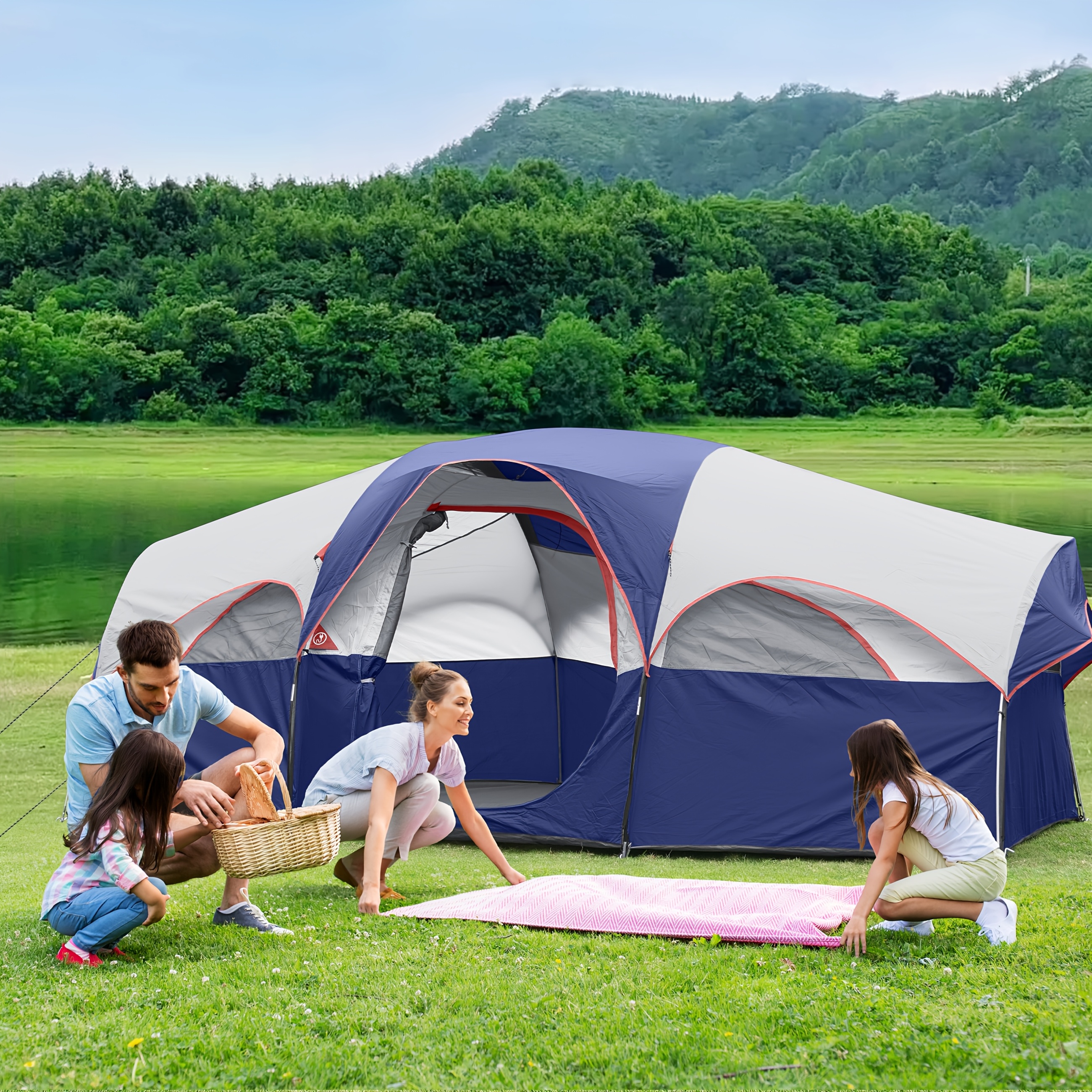
Setting up a big tent requires careful steps to keep it stable. Securing the tent to the ground prevents it from moving or falling during wind or rain. This guide covers how to use stakes, guy lines, and anchor points properly.
Follow each method to make sure your tent stays safe and strong throughout your event or camping trip.
Using Stakes And Pegs
Stakes and pegs hold the tent’s base firmly to the ground. Choose the right type for the surface, such as metal stakes for hard soil or plastic pegs for sand. Drive them deep enough to resist pulling forces.
- Place stakes at all tent corners and along edges
- Use a hammer or mallet to push stakes deep into the ground
- Angle stakes away from the tent for better grip
- Check that the tent fabric is tight but not overstretched
- Remove stakes carefully to avoid damage
Adding Guy Lines
Guy lines add extra support by connecting the tent to the ground or nearby anchors. These ropes reduce sway and help the tent resist strong winds. Tie them securely and adjust tension as needed.
| Guy Line Placement | Purpose |
| From tent corners to ground stakes | Stabilizes base and edges |
| From tent poles to anchors | Supports structure height |
| From middle of tent sides | Prevents fabric flapping |
Checking Anchor Points
Anchor points must be strong and secure. Inspect them before and during use. Weak or loose anchors can cause the tent to collapse or blow away. Adjust or replace anchors as needed for safety.
- Look for solid ground or fixed objects like trees
- Test anchors by pulling gently to check firmness
- Use additional weights or sandbags if anchors are weak
- Re-tighten guy lines regularly
- Replace damaged ropes or stakes immediately
Credit: www.temu.com
Final Checks And Adjustments
After setting up a big tent, it is important to do final checks. These checks help ensure the tent is safe and ready to use.
Making small adjustments at the end can prevent problems later. Take your time to inspect and fix any issues.
Inspecting For Gaps
Look carefully around the tent walls and roof for any gaps. Gaps can let in rain, wind, or insects.
Check corners and areas near the doors. Make sure all flaps and closures are sealed tightly.
- Check seams for openings
- Look under the edges for gaps
- Ensure zippers and Velcro are fully closed
- Fix any loose fabric or openings
Testing Stability
Test if the tent stands firm and does not wobble. Push gently on the tent poles and walls.
Make sure the stakes and ropes hold tight. Adjust tension if the tent feels loose or uneven.
- Push walls to check firmness
- Check if poles bend or shift
- Ensure all stakes are deep in the ground
- Tighten ropes as needed
Making Last-minute Fixes
Fix any problems found during inspection and testing. Small repairs can improve safety and comfort.
Use extra stakes, ropes, or tape to secure loose parts. Adjust the tent fabric to remove wrinkles or slack.
- Re-stake loose corners
- Add extra guy lines if needed
- Use repair tape on small tears
- Smooth out fabric for better fit
Tips For Maintenance And Storage
Setting up a big tent is only the first step. Caring for it after use keeps it in good shape. Proper maintenance and storage help the tent last longer.
Follow simple steps to clean, fold, and store your tent safely. These tips prevent damage and make future setups easier.
Cleaning After Use
Clean your tent as soon as you take it down. Dirt and moisture can cause mold and weaken the fabric. Use a soft brush or sponge with mild soap and water.
- Remove leaves, dirt, and debris gently
- Wash with mild soap and cold water
- Rinse thoroughly to remove soap
- Dry completely in the shade before packing
Proper Folding Techniques
Folding your tent correctly saves space and avoids fabric stress. Follow these easy steps to fold your big tent neatly.
- Lay the tent flat on a clean surface
- Straighten all poles and stakes separately
- Fold the tent lengthwise to match the bag size
- Roll or fold gently without sharp creases
- Place poles and stakes in their bags
Safe Storage Practices
Store your tent in a dry, cool place. Avoid direct sunlight and damp areas. Use breathable bags or containers to prevent moisture buildup.
| Storage Tip | Why It Matters |
| Keep away from heat sources | Heat damages fabric and waterproof coatings |
| Use breathable storage bags | Prevents mold and mildew growth |
| Store in a clean area | Reduces dirt and pest damage |
| Check tent regularly | Catch issues early before they worsen |

Credit: www.popularmechanics.com
Frequently Asked Questions
What Tools Are Needed To Set Up A Big Tent?
You need stakes, ropes, a mallet, ladder, and gloves. These tools ensure secure and safe tent assembly. Having all tools ready speeds up the setup process and prevents damage to the tent fabric.
How Do I Choose The Best Location For A Big Tent?
Pick a flat, dry area free from overhead obstacles. Avoid rocky or uneven ground to ensure stability. Check for nearby power sources and accessibility for guests or equipment.
What Is The Ideal Way To Secure Tent Poles?
Insert poles firmly into designated sleeves or grommets. Use guy ropes tightly anchored with stakes. This prevents poles from shifting or collapsing during wind or rain.
How Long Does It Take To Set Up A Big Tent?
Setup time varies but generally takes 1-3 hours. It depends on tent size, crew experience, and weather conditions. Planning and teamwork can significantly reduce setup time.
Conclusion
Setting up a big tent can seem hard but becomes easy with practice. Start by choosing a flat, clear area. Follow each step carefully and take your time. Ask friends to help for faster work and safety. Check all poles and stakes before beginning.
Secure the tent firmly to avoid problems in wind. Enjoy your event or camping under the big tent. Remember, patience and teamwork make the process smooth. Keep these tips in mind for your next big tent setup.