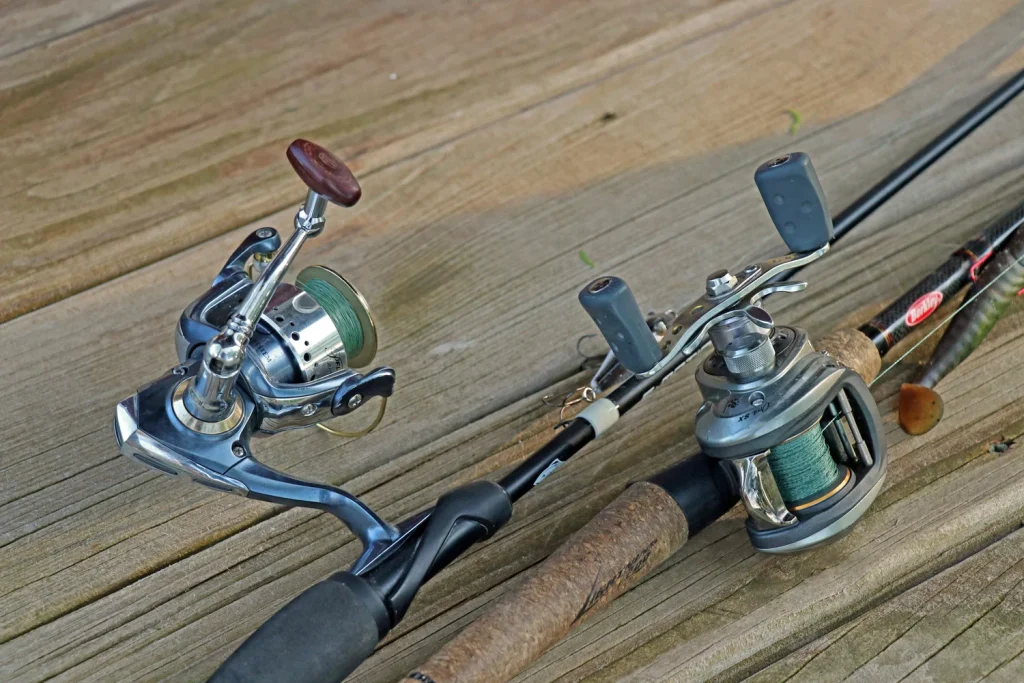
Are you ready to enjoy a great day of fishing but not sure how to set up your fish rod? Setting up your fishing rod correctly is the first step to a successful and enjoyable fishing experience.
It might seem tricky at first, but once you know the simple steps, it becomes quick and easy. In this guide, you’ll learn exactly what you need to do to get your rod ready, so you can focus on catching fish instead of struggling with your gear.
Keep reading, and you’ll be casting like a pro in no time!

Credit: windrider.com
Choosing The Right Rod And Reel
Setting up a fish rod starts with picking the right rod and reel. These tools affect your fishing experience a lot.
Choose gear that fits the type of fishing you want to do. This guide helps you find the right rod and reel.
Types Of Fishing Rods
Fishing rods come in many types. Each type suits different fishing styles and fish sizes.
Picking the right rod helps you cast better and catch fish more easily.
- Spinning Rods: Good for beginners and light fishing.
- Baitcasting Rods: Offer more control for experienced fishers.
- Fly Rods: Used for fly fishing with light lures.
- Trolling Rods: Made for fishing from a moving boat.
Matching Reel To Rod
Your reel must fit the rod size and style. This balance makes fishing easier and safer.
Spinning reels go with spinning rods. Baitcasting reels pair with baitcasting rods.
- Spinning Reels: Light, easy to use with spinning rods.
- Baitcasting Reels: Offer accuracy, need more skill.
- Fly Reels: Made for fly fishing rods.
- Conventional Reels: Used for heavy fishing and trolling rods.
Selecting The Line
The fishing line must match your rod and reel. It should be strong but not too thick.
Choose a line that suits the fish size and water conditions.
- Monofilament: Good for beginners, flexible and cheap.
- Fluorocarbon: Less visible in water, good for clear water.
- Braid: Very strong and thin, good for heavy fish.
Assembling The Rod
Setting up a fish rod properly is crucial for a good fishing experience. This guide will help you assemble your rod step by step.
Follow the instructions below to connect the rod sections, attach the reel, and thread the line.
Connecting Rod Sections
Start by aligning the rod sections carefully. Ensure the guides are in line for a smooth fishing experience.
Attaching The Reel
Once the rod is assembled, it’s time to attach the reel. Select a reel that matches your rod type for best results.
- Open the reel seat by loosening the reel seat knob.
- Insert the reel foot into the seat.
- Tighten the knob to secure the reel in place.
Threading The Line
Threading the line through the rod guides is essential. It ensures that the line is straight and ready for casting.
| Step | Description |
| 1 | Begin at the bottom guide closest to the reel. |
| 2 | Pass the line through each guide up to the tip. |
| 3 | Check that the line is tight and untangled. |
Setting Up The Line
Setting up the fishing line correctly is important for a good fishing experience. The line connects your rod to the hook and bait.
Getting the line ready includes tying knots, adding a leader, and attaching hooks or lures. Each step helps make your fishing setup strong and reliable.
Tying The Knot
Tying a strong knot keeps the line from slipping off the hook or lure. A common knot for fishing is the improved clinch knot.
To tie it, pass the line through the hook eye. Wrap the tag end around the main line five times. Then pass the tag end through the loop near the eye and pull tight.
- Pass line through hook eye
- Wrap tag end around main line 5 times
- Pass tag end through loop near hook
- Pull knot tight and trim excess line
Adding A Leader
A leader is a short piece of line attached to the main line. It helps prevent fish from biting through the line.
Use a leader when fishing for sharp-toothed fish or in rough water. Tie the leader to the main line using a strong knot like the double uni knot.
- Cut leader line about 18 inches long
- Tie double uni knot to main line
- Pull knots tight to join leader and main line
- Trim any extra line ends
Attaching Hooks And Lures
Hooks and lures catch the fish. Attach them to the end of the leader or main line securely.
Tie the hook or lure with a strong knot. Make sure it hangs freely and faces the right way in the water.
- Choose the right hook or lure for your fishing
- Tie it with a secure knot like the improved clinch knot
- Check that the hook or lure moves freely
- Trim any extra line to avoid tangles

Credit: fishingbooker.com
Adjusting The Drag System
The drag system on a fishing rod controls how much resistance a fish feels when it pulls the line. Setting it right helps you catch fish without breaking the line.
Adjusting the drag properly makes fishing easier and protects your gear. It is important to know how the drag works and how to set it.
What Drag Does
The drag system stops the fishing line from breaking when a fish pulls hard. It lets the line out slowly and smoothly.
Drag helps tire the fish without snapping your line. It also protects your reel and rod from damage.
- Controls the line tension during a fight
- Prevents line breakage
- Helps control the fish’s pull
- Protects the fishing rod and reel
How To Set Drag Properly
To set drag, start by tightening it until you feel resistance. Then, loosen it slightly so the line can pull out.
Test the drag by pulling the line with your hand. It should let out smoothly but not too easily.
- Tighten drag knob until firm resistance
- Loosen slightly to allow line release
- Pull line gently to test smoothness
- Adjust as needed based on fish size
Casting Techniques
Casting is a key skill for fishing with a rod. Good casting helps you place the bait where fish are likely to bite.
Learning proper casting techniques improves your chances of catching fish and makes fishing more enjoyable.
Basic Casting Steps
Follow these simple steps to cast your fishing rod correctly.
- Hold the rod firmly with your dominant hand.
- Press the reel button or open the bail to release the line.
- Bring the rod tip behind you, keeping the line straight.
- Smoothly swing the rod forward, aiming toward your target.
- Release the line by letting go of the button or closing the bail at the right moment.
- Let the bait land softly on the water.
Common Casting Mistakes
Many anglers make mistakes that reduce casting distance or accuracy.
- Releasing the line too early or too late.
- Using too much force when swinging the rod.
- Not aiming properly before casting.
- Allowing the line to tangle by improper handling.
- Failing to check the rod angle during the cast.
Improving Accuracy
Accuracy helps place your bait where fish gather. Try these tips to improve it.
| Tip | Description |
|---|---|
| Choose a Target | Pick a spot on the water to aim your cast. |
| Use Controlled Movements | Swing the rod steadily without jerking. |
| Practice Short Casts | Start close, then increase distance as you improve. |
| Adjust Your Grip | Hold the rod comfortably but firmly. |
| Watch the Line | Observe how the line behaves to correct errors. |

Credit: www.youtube.com
Maintenance Tips
Keeping your fishing rod in good shape helps it last longer. Regular care makes fishing more fun and prevents damage.
Simple maintenance tasks can keep your rod working well for many fishing trips.
Cleaning The Rod And Reel
Clean your rod and reel after each use to remove dirt and salt. Use fresh water and a soft cloth to wipe them down.
Make sure to dry everything completely to avoid rust and corrosion.
- Rinse rod and reel with fresh water
- Wipe with a soft, dry cloth
- Use reel oil to lubricate moving parts
- Remove line to clean spool if needed
Storing Your Gear
Store your fishing rod in a cool, dry place. Avoid direct sunlight to protect rod materials from damage.
Keep the rod straight or in a proper rack to stop it from bending or breaking.
- Use rod holders or racks for storage
- Keep reel loosened to reduce tension
- Store away from heat and moisture
- Cover rod with a sleeve or case
Inspecting For Wear
Check your rod and reel often for signs of wear. Look for cracks, rust, or loose parts before each trip.
Replace or repair any damaged parts to keep your fishing gear safe and effective.
- Examine rod guides for cracks or bending
- Check reel handle and drag system
- Look for corrosion on metal parts
- Inspect fishing line for frays or damage
Frequently Asked Questions
How Do I Choose The Right Fishing Rod Size?
Choose a fishing rod based on the fish type and fishing style. Longer rods cast farther, while shorter rods offer better control. Match rod power and action to your target fish for the best experience.
What Are The Basic Steps To Set Up A Fishing Rod?
Start by attaching the reel to the rod securely. Thread the fishing line through each guide from bottom to tip. Tie a suitable fishing knot to attach the hook or lure, and adjust the drag for smooth line release.
How Do I Thread A Fishing Line Through Rod Guides?
Begin at the reel, pulling the line through the first guide. Continue threading through each guide along the rod’s length. Ensure the line flows smoothly without tangling or catching on any guides.
What Type Of Fishing Line Is Best For Beginners?
Monofilament line is ideal for beginners due to its flexibility and ease of use. It stretches to absorb shocks, reducing line breaks. It’s affordable and widely available, making it perfect for novice anglers.
Conclusion
Setting up a fish rod is simple with these clear steps. Take your time to attach the reel and line carefully. Make sure the line flows smoothly without tangles. Choose the right hook and bait for your fishing spot. Practice casting to improve your aim and distance.
Enjoy the process and be patient while fishing. With these tips, your fishing trips will be more fun and successful. Keep learning and trying new techniques to catch more fish. Fishing can be relaxing and rewarding with the right setup.