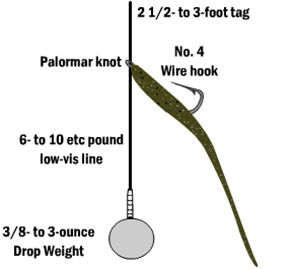
If you want to catch more bass, setting up your fishing line the right way is a game changer. Your fishing line is the link between you and the fish, so getting it right can make all the difference.
In this guide, you’ll learn simple steps to set up your fishing line perfectly for bass. Whether you’re a beginner or have some experience, these tips will boost your confidence and improve your chances of landing that big catch. Ready to reel in more bass?
Let’s dive in!
Choosing The Right Line
Choosing the right fishing line is important for bass fishing. The line affects casting, strength, and how fish bite.
Different lines work better in different situations. Knowing the types helps you catch more bass.
Monofilament Vs. Braided Vs. Fluorocarbon
Monofilament is stretchy and easy to handle. It works well for beginners and general fishing.
Braided line has no stretch and is very strong. It is good for heavy cover and big fish.
Fluorocarbon is almost invisible underwater. It sinks fast and is good for clear water fishing.
- Monofilament: stretchy, good for lures that need flex
- Braided: strong, no stretch, best for thick plants
- Fluorocarbon: invisible, sinks fast, good in clear water
Line Strength And Test Weight
Line strength shows how much weight it can hold before breaking. This is called test weight.
For bass fishing, use line with test weight between 8 to 20 pounds. Choose based on where you fish and bait size.
- 8-12 lb test: good for small bass and light cover
- 12-16 lb test: good for average bass and moderate cover
- 16-20 lb test: good for big bass and heavy cover
Considering Water Conditions
Water clarity changes how visible the line is to bass. Clear water needs less visible line.
In murky or stained water, stronger and thicker lines work better. Bass rely more on feel than sight there.
- Clear water: use fluorocarbon or light monofilament
- Stained water: use braided or heavier monofilament
- Heavy cover: use strong braided lines

Credit: fishingbooker.com
Selecting The Ideal Rod And Reel
Choosing the right rod and reel is key to setting up a fishing line for bass. The right gear helps you catch more fish and enjoy your time on the water.
This guide covers how to match rod power to line, types of reels for bass fishing, and balancing gear for better efficiency.
Matching Rod Power To Line
Rod power means how strong the rod is. It must match your fishing line strength. A balanced rod and line prevent breakage and improve casting.
Use lighter rods with lighter lines for small bass. Use medium or heavy rods with stronger lines for bigger bass.
- Light power rods: 4-8 pound test line
- Medium power rods: 8-12 pound test line
- Heavy power rods: 12-20 pound test line
Reel Types For Bass Fishing
There are three main reel types for bass fishing: spinning, baitcasting, and spincast. Each has its pros and cons.
Spinning reels are easy to use and good for light lines. Baitcasting reels give better control and work well with heavy lines. Spincast reels are beginner-friendly but less precise.
- Spinning reels: Best for beginners and light lines
- Baitcasting reels: Best for accuracy and heavy lines
- Spincast reels: Simple, good for kids and beginners
Balancing Gear For Efficiency
Balance your rod and reel to reduce fatigue and improve casting. A well-balanced setup feels comfortable in your hand.
Check balance by holding your rod at the handle. The rod should not tip forward or backward when the reel is attached.
- Use a reel that matches the rod’s weight and length
- Make sure the rod feels steady when holding
- Adjust reel position if needed to improve balance
Setting Up The Line
Setting up your fishing line correctly is key to catching bass. A well-set line helps you cast farther and fight fish better.
This guide covers how to attach the line to the reel, spool it properly, and check for twists or tangles.
Attaching The Line To The Reel
Start by threading the line through the rod guides. Then, tie it to the reel spool using a strong knot. The Arbor knot works well for this.
- Wrap the line around the reel spool
- Tie a loose overhand knot around the main line
- Tighten the knot and trim the tag end
- Hold the line tight as you start spooling
Proper Spooling Techniques
Spooling line evenly prevents tangles and ensures smooth casting. Keep steady tension on the line while filling the spool.
| Tip | Reason |
| Use your fingers to hold the line | Maintains steady tension |
| Fill the spool 80% full | Prevents line overrun and tangles |
| Spool in the same direction as the reel | Reduces line twist |
Checking For Twists And Tangles
Before fishing, check the line for twists or tangles. Twists can cause knots and weaken your line.
- Pull some line off the reel
- Look for loops or coils in the line
- If twisted, untwist by letting the line hang freely
- Re-spool if tangles persist
Tying Effective Knots
Tying strong knots is key to a good fishing line setup. A good knot holds tight and does not slip.
Here are three common knots for bass fishing. Each one fits different needs and lures.
Palomar Knot
The Palomar knot is strong and easy to tie. It works well with braided or monofilament line. It keeps the line from breaking at the knot.
- Double about 6 inches of line and pass it through the hook eye.
- Tie a loose overhand knot with the doubled line.
- Pass the hook through the loop.
- Wet the line and pull tight slowly.
- Trim excess line close to the knot.
Improved Clinch Knot
This knot is popular and reliable. It works best with monofilament lines. It is good for tying lures or hooks securely.
| Step | Action |
| 1 | Thread line through the hook eye. |
| 2 | Wrap line around itself 5-7 times. |
| 3 | Pass the end through the small loop near the eye. |
| 4 | Then pass it through the big loop formed. |
| 5 | Moisten and pull the knot tight. |
| 6 | Trim the tag end close to the knot. |
Loop Knots For Lures
Loop knots let the lure move freely. This action can attract more bass. The non-slip loop knot is one example.
To tie a simple loop knot:
- Make an overhand knot in the line, leaving a long tag end.
- Pass the tag end through the lure eye.
- Bring the tag end back through the overhand knot.
- Tighten the knot while holding the loop size.
- Trim the tag end close to the knot.
Choosing And Attaching Terminal Tackle
Setting up a fishing line for bass requires the right terminal tackle. Terminal tackle includes hooks, sinkers, swivels, and leaders. Each piece helps improve your chances of catching bass.
Choosing and attaching the correct terminal tackle can make your fishing line stronger and more effective. This guide explains how to select and use these items properly.
Selecting Hooks And Sinkers
Pick hooks that match the size of the bass you want to catch. Small hooks work for small bass, and bigger hooks suit larger fish. Sharp hooks increase your catch rate.
Sinkers help your bait sink to the right depth. Use lighter sinkers in clear water and heavier ones in fast currents. This keeps your bait in the strike zone longer.
- Use size 2 to 4 hooks for most bass fishing
- Choose split shot or egg sinkers based on water conditions
- Match sinker weight to water depth and current speed
Using Swivels And Leaders
Swivels prevent your line from twisting when the bait moves. Attach a swivel between the main line and leader. This helps keep your line strong and tangle-free.
Leaders protect your line from sharp bass teeth and rough structures. Use a strong leader that matches your line strength for better durability.
- Use barrel swivels for smooth rotation
- Choose fluorocarbon leaders for clear water
- Match leader strength to your main fishing line
Adjusting For Bass Behavior
Bass change their behavior based on weather and water conditions. Adjust your terminal tackle to match these changes. Use lighter gear for shy bass and heavier gear for aggressive fish.
Change hook size and sinker weight to match bass activity. This helps your bait look natural and increases your chances of a bite.
- Use smaller hooks when bass are feeding lightly
- Use heavier sinkers in windy or rough waters
- Switch leaders if water clarity changes

Credit: www.youtube.com
Testing And Adjusting Your Setup
Setting up your fishing line for bass needs careful testing. Adjustments help you catch more fish and improve your fishing experience.
Check how your line feels and reacts before fishing. Small changes can make a big difference in your success on the water.
Line Tension And Sensitivity
Line tension affects how you feel bites from bass. Too tight or too loose tension can cause missed catches. Sensitivity lets you detect even small movements underwater.
- Check the drag system to keep steady tension.
- Test line stretch by pulling gently after tying the knot.
- Use lighter lines for better sensitivity in clear water.
- Switch to stronger lines in heavy cover or thick weeds.
Casting Practice Tips
Practice casting to improve accuracy and distance. This helps you place the bait where bass are likely hiding. Adjust your casting style based on the rod and line setup.
| Tip | Why It Helps |
| Practice short casts | Builds control and accuracy |
| Try long casts | Increases reach to distant spots |
| Adjust wrist motion | Improves smoothness and reduces tangles |
| Check line release | Prevents backlash during casting |
Adapting To Different Fishing Spots
Bass behave differently depending on the spot. Adjust your line and setup to fit each place. This increases your chance of a catch.
- Use softer lines in clear, calm waters to avoid spooking fish.
- Choose heavier lines near rocks or thick vegetation for strength.
- Change lure weight based on water depth and current.
- Adjust your drag for faster fish in open water.
Maintenance And Care Tips
Proper care helps your fishing line last longer. It keeps your gear ready for bass fishing.
Follow simple steps to clean, replace, and store your fishing line well.
Cleaning Your Line And Gear
After fishing, rinse your line with fresh water. This removes dirt and salt that can damage it.
Clean your reels and rods too. Use a soft cloth and mild soap to wipe them down.
- Use fresh water, not hot water
- Remove debris and salt from the line
- Dry your gear completely before storing
Replacing Worn Line
Check your line often for cracks or frays. Worn line can break easily and lose fish.
Replace your line if it looks damaged or feels weak. Use the right strength for bass fishing.
- Inspect the line before every trip
- Choose line strength based on bass size
- Spool your reel evenly with new line
Storage Best Practices
Store your fishing line in a cool, dry place. Heat and sun can weaken the line over time.
Keep your gear organized to avoid tangles and damage. Use line spools or containers.
- Avoid direct sunlight on your line
- Keep line away from chemicals and dirt
- Use sealed containers or bags for storage

Credit: www.youtube.com
Frequently Asked Questions
What Is The Best Fishing Line For Bass Fishing?
Monofilament and fluorocarbon lines are best for bass. They offer strength, flexibility, and invisibility underwater. Choose 8-12 lb test for most bass fishing conditions.
How Do I Tie A Fishing Line For Bass?
Use the improved clinch knot for tying bass lines. It’s strong, easy, and reliable for securing hooks and lures. Wet the knot before tightening to prevent damage.
How To Set The Drag On A Bass Fishing Reel?
Set drag so it resists line pull but lets it slip under strong force. This prevents line breakage during a bass fight and protects your gear.
When Should I Change My Bass Fishing Line?
Change your line every few outings or if it’s frayed or damaged. Fresh line improves sensitivity and casting distance, increasing your bass catching chances.
Conclusion
Setting up a fishing line for bass takes patience and care. Choose the right line strength and knot for best results. Make sure your line is tight and smooth on the reel. Practice tying knots until they hold strong. A good setup helps you catch more bass easily.
Remember, simple steps lead to better fishing days. Keep trying and enjoy your time on the water. Fishing can be fun and relaxing with the right setup.