Setting up your fishing line the right way can make all the difference when you’re after bass. If you want more bites and fewer tangles, you need a simple, effective setup that works every time.
In this guide, you’ll learn exactly how to prepare your fishing line so you can focus on the thrill of the catch. Ready to boost your bass fishing skills? Let’s dive in and get your line set up perfectly.
Choosing The Right Line
Picking the right fishing line is key for catching bass. The line affects how you cast, feel the fish, and how strong your setup is.
This guide explains the main types of lines and what to consider when choosing one for bass fishing.
Monofilament Vs. Fluorocarbon
Monofilament line is soft and easy to handle. It floats on water, making it good for topwater lures. Fluorocarbon sinks faster and is less visible underwater. It works well for clear water and deep fishing.
Braided Line Benefits
Braided line has no stretch and is very strong for its size. It casts far and stays strong around rocks and weeds. Use braided line when you need extra power or fish in heavy cover.
- High sensitivity to feel bites
- Durable against abrasions
- Thin diameter with high strength
- Does not stretch much
Line Strength And Test Ratings
Line strength is shown by its test rating, measured in pounds. It tells how much weight the line can hold before breaking. Choose a test rating based on the size of bass you want to catch.
| Line Type | Common Test Ratings (lbs) | Best Use |
|---|---|---|
| Monofilament | 6-12 | General bass fishing, topwater lures |
| Fluorocarbon | 8-14 | Clear water, deep water fishing |
| Braided | 20-50 | Heavy cover, large bass |

Credit: mysterytacklebox.com
Selecting The Ideal Rod And Reel
Choosing the right rod and reel is key to setting up a fishing line for bass. The right gear makes fishing easier and more fun.
Knowing about rod power, action, and reel types helps you pick gear that fits your style and bass fishing needs.
Rod Power And Action
Rod power shows how strong the rod is. It helps you handle different sizes of bass and fishing lines.
Rod action tells how much the rod bends. Fast action rods bend near the tip, giving quick hook sets. Slow action rods bend more, giving better bait control.
- Light power:Best for small bass and light lines
- Medium power:Good for most bass fishing situations
- Heavy power:Used for big bass and heavy cover
- Fast action:Bends near the tip for quick response
- Moderate action:Bends in the middle for better control
- Slow action:Bends near the handle for smooth casting
Reel Types For Bass Fishing
Different reels work best for different bass fishing styles. Each reel type offers unique benefits for casting and retrieving.
Choose a reel that matches your rod and fishing environment for the best results.
- Spinning reel:Easy to use and good for light lines
- Baitcasting reel:Offers better control for heavier lures and lines
- Spincast reel:Simple design, great for beginners
- Fly reel:Used for fly fishing, less common for bass
Attaching The Line To The Reel
Attaching the fishing line to the reel is the first step in setting up your bass fishing gear. It ensures the line stays secure during casting and reeling. Proper attachment helps prevent line slippage and damage.
Using the right knot and spooling method makes your fishing experience smoother. Below are key points to help you attach the line correctly.
Spooling Techniques
Spooling the line onto the reel evenly avoids tangles and line breakage. Start by threading the line through the rod guides, then tie it securely to the reel spool. Use the arbor knot for a strong hold.
- Attach the line to the reel spool with an arbor knot.
- Hold the line tight to keep tension while spooling.
- Turn the reel handle slowly to wind the line evenly.
- Fill the spool to about 1/8 inch below the edge.
- Check for loose loops or gaps and adjust if needed.
Avoiding Line Twist
Line twist causes tangles and weak spots that can break easily. To avoid this, keep the line under tension and avoid letting it twist while spooling. Using a swivel can help reduce twist during fishing.
| Cause of Line Twist | How to Avoid |
|---|---|
| Loose line on spool | Keep line tight and evenly spooled |
| Improper knot | Use proper knots like arbor knot |
| Line spinning freely | Use a swivel between line and lure |
| Reeling too fast | Reel slowly and steady |
Tying Essential Knots
Setting up a fishing line for bass requires strong knots. Good knots keep your bait secure and your catch safe.
Here are three important knots every bass angler should know. Each knot has a simple way to tie and works well with fishing lines.
Improved Clinch Knot
The Improved Clinch Knot is popular for tying hooks to the line. It holds tight and is easy to tie.
To tie, pass the line through the hook eye. Wrap the line around itself five times. Then thread the end back through the small loop near the eye. Pull tight to secure.
- Pass line through hook eye
- Wrap line 5 times around main line
- Thread end through small loop
- Pull tight and trim excess
Palomar Knot
The Palomar Knot is very strong and works well with braided or monofilament lines. It keeps your lure from slipping off.
Double about six inches of line. Pass the loop through the hook eye. Tie an overhand knot with the doubled line. Pass the hook through the loop. Pull both ends tight to finish.
- Double 6 inches of line
- Pass loop through hook eye
- Tie overhand knot with doubled line
- Pass hook through loop
- Pull ends tight and trim
Uni Knot
The Uni Knot is easy and versatile. It works well for lines and leaders and keeps a strong hold.
Pass the line through the hook eye. Make a loop along the standing line. Wrap the tag end around the loop five times. Pull the tag end and standing line to tighten the knot.
- Pass line through hook eye
- Make a loop along standing line
- Wrap tag end 5 times around loop
- Pull tag end and standing line tight
- Trim excess line
Setting Up Terminal Tackle
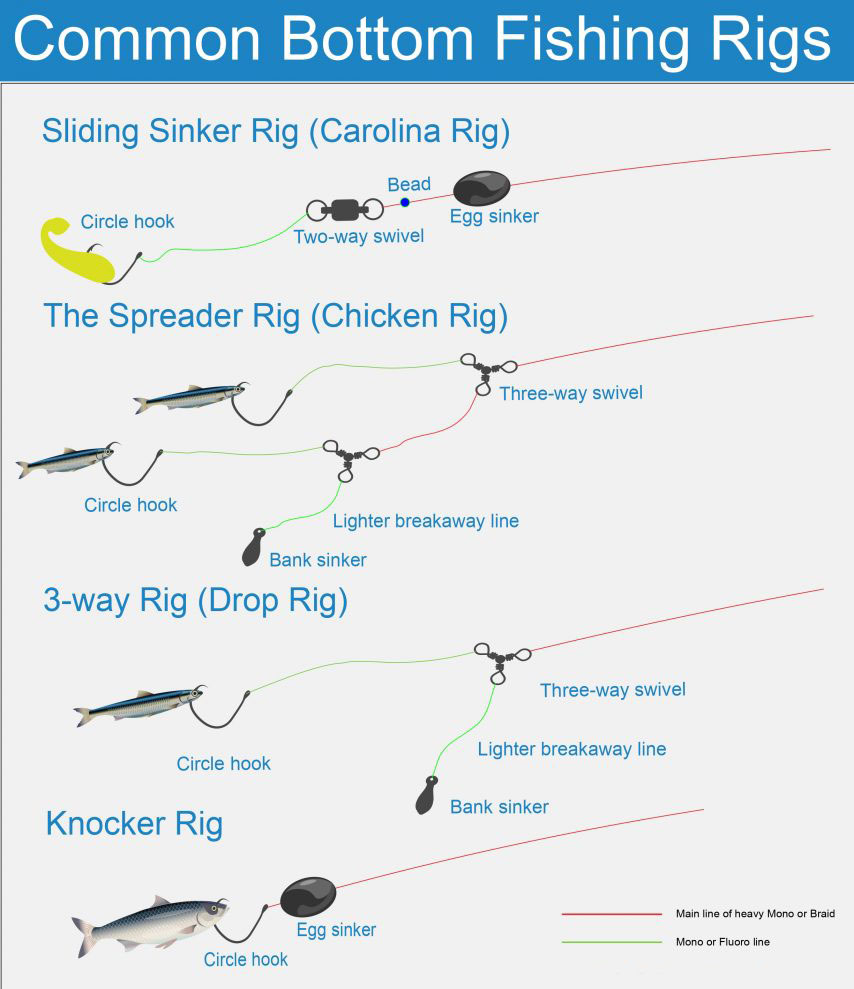
Setting up terminal tackle is a key part of preparing your fishing line for bass. This includes picking the right hooks, adding weights, and using swivels and leaders.
Each piece helps your bait behave naturally and improves your chances of catching bass. Let’s look at how to choose and set up each component.
Choosing The Right Hooks
Hooks come in many sizes and shapes. The right hook depends on the bait and the bass size you expect. Use smaller hooks for live bait and bigger hooks for larger lures.
- Use wide-gap hooks for soft plastic baits
- Choose sharp, strong hooks to hold bass securely
- Match hook size to bait size for natural presentation
- Try circle hooks for live bait to reduce gut hooking
Adding Weights And Sinkers
Weights and sinkers help your bait reach the right depth and stay stable in the water. Different weights suit different fishing spots and water conditions.
| Type | Use | Best For |
|---|---|---|
| Split Shot | Small, clips on line | Lightweight, slow sinking |
| Bullet Weight | Slides on line | Texas rig, thick cover |
| Egg Sinker | Allows line to move | Slip rigs, deep water |
| Bank Sinkers | Heavy, fixed on line | Strong currents, bottom fishing |
Using Swivels And Leaders
Swivels prevent line twist and make bait movement more natural. Leaders add strength and protect your line from sharp teeth and rough cover.
Common swivel and leader setups include:
- Barrel Swivel:Simple, stops line twist.
- Ball Bearing Swivel:Stronger, smoother rotation.
- Fluorocarbon Leader:Clear, abrasion-resistant.
- Wire Leader:Used for heavy cover or toothy fish.
Line Maintenance Tips
Taking care of your fishing line helps it last longer. Good maintenance keeps your line strong and ready for bass fishing.
Simple habits like checking for damage and storing line properly can save you time and money.
Inspecting For Damage
Look closely at your fishing line before each trip. Small cuts or frays can cause the line to break during a catch.
Check the line near the lure and around the reel for any signs of wear or weak spots.
- Run the line through your fingers to feel for rough areas
- Look for discoloration or cracks in the line
- Replace the line if you see any damage
Replacing Old Line
Fishing line loses strength over time. Old line can snap more easily and cause you to lose fish.
Change your line every few months or after a heavy fishing season to stay safe.
- Remove old line completely from the reel
- Choose a line suitable for bass fishing
- Spool new line tightly to avoid tangles
Storage Best Practices
Store your fishing line in a cool, dry place. Heat and sunlight can weaken the line over time.
Keep the line on the reel or in a sealed container to avoid dust and dirt.
- Avoid storing line in direct sunlight
- Keep line away from chemicals and oils
- Use a line spooler or container to prevent tangles
Adjusting Line For Conditions
Setting up your fishing line correctly helps you catch more bass. Different conditions need different line setups. This guide will help you adjust your line to fit the water and weather.
Changing your line settings can improve how well you fish. It helps your bait move naturally and keeps your line hidden.
Adapting To Water Clarity
Clear water makes bass more cautious. Use lighter or thinner lines to avoid being seen. In murky water, you can use heavier lines because bass rely less on sight.
Matching your line to water clarity improves your chances. Light lines work well in clear water. Darker or stronger lines work in muddy water.
- Clear water: Use 6-8 lb test line for less visibility
- Stained water: Use 8-12 lb test line for durability
- Muddy water: Use 12-20 lb test line for strength
Dealing With Vegetation
Vegetation can tangle your line or hide your bait. Use heavier lines to cut through weeds or thick grass. Braided lines are good because they are strong and thin.
Adjust your line to avoid snags and stay in control. This helps you fish near plants where bass like to hide.
- Use braided line for strength and low stretch
- Try fluorocarbon for less visibility near plants
- Increase line strength to avoid breaks in thick cover
Handling Different Weather
Weather affects how bass behave and how your line performs. In hot weather, fish may be less active, so use lighter lines. Cold weather can make lines stiff, so choose flexible ones.
Wind can cause your line to tangle. Use heavier lines to keep control. Rain can reduce water clarity, so adjust line strength accordingly.
- Hot weather: Use light lines for subtle presentations
- Cold weather: Use flexible lines to avoid stiffness
- Windy days: Use heavier lines to prevent tangles
- Rainy weather: Adjust line to match reduced visibility

Credit: mysterytacklebox.com

Credit: www.youtube.com
Frequently Asked Questions
What Is The Best Fishing Line For Bass Fishing?
Monofilament and fluorocarbon lines are ideal for bass fishing. They offer strength, flexibility, and low visibility underwater. Choose 8-12 lb test strength for most bass fishing scenarios to balance sensitivity and durability.
How Do I Tie A Fishing Line For Bass?
Use the improved clinch knot or Palomar knot for secure bass fishing. These knots are strong, easy to tie, and keep your lure attached firmly during strikes and fights.
How Long Should My Fishing Line Be For Bass?
A fishing line length of 100-150 yards is recommended for bass fishing. This length gives you enough line to cast far and handle bass pulls without excessive slack or tangles.
When Should I Replace My Bass Fishing Line?
Replace your bass fishing line every 3-6 months or if you notice fraying, discoloration, or reduced strength. Fresh line improves casting distance, sensitivity, and hook-setting power.
Conclusion
Setting up a fishing line for bass is simple with the right steps. Choose the correct line strength and knot for your gear. Make sure the line is tight but not too strong. Test the setup before you start fishing.
Practice makes the process easier and more natural. Enjoy your time by the water and be patient. Good preparation leads to better bass fishing results. Keep learning and improving your skills with each trip. Fishing can be fun and relaxing with the right setup.