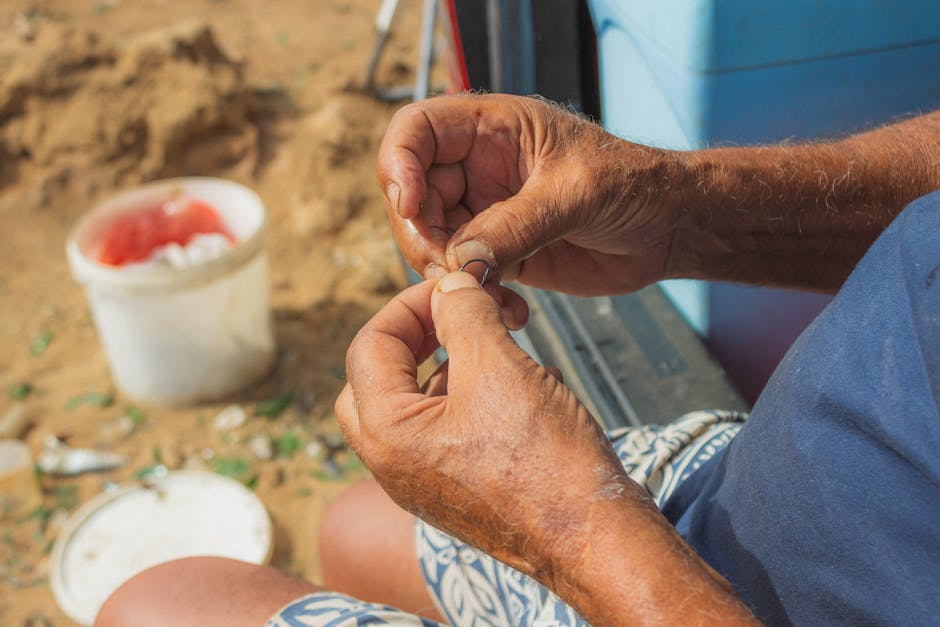
Setting up a fishing line for saltwater can feel tricky if you’re new to it. But getting it right is key to catching the big fish you’re after.
Imagine the thrill of feeling a strong tug on your line and knowing your setup can handle the fight. In this guide, you’ll learn simple, step-by-step tips to prepare your line so it’s strong, reliable, and ready for any challenge the saltwater throws at you.
Keep reading, and you’ll be casting like a pro in no time.

Credit: fishingbooker.com
Choosing The Right Line
Picking the right fishing line is key for saltwater fishing. The line must handle tough conditions and strong fish.
This guide explains how to choose between different line types, strength ratings, and colors.
Monofilament Vs. Braided Lines
Monofilament lines stretch more and absorb shock. They are good for beginners and offer some invisibility underwater.
Braided lines have little stretch and high strength. They are thinner and let you feel bites better but can be more visible.
- Monofilament is easier to handle and knots well.
- Braided line lasts longer and resists abrasion.
- Monofilament floats better on water surface.
- Braided line sinks faster and suits deep water fishing.
Line Strength And Test Ratings
The strength of a fishing line is shown by its test rating. This number tells how many pounds it can hold before breaking.
| Test Rating (lbs) | Best Use |
| 10-20 | Small to medium fish |
| 20-40 | Medium to large fish |
| 40-80 | Large and strong fish |
| 80+ | Very large fish and heavy cover |
Choose a line with a test rating that matches the fish size you expect. Stronger lines are thicker and less flexible.
Color And Visibility Considerations
Fishing line color affects how visible it is to fish and how easy it is to see above water.
- Clear or blue lines blend well with water and reduce fish spooking.
- Green lines work best in weedy or algae-filled waters.
- Bright colors like yellow help anglers see the line in low light.
- Match the line color to the water and fishing environment.
Selecting Suitable Terminal Tackle
Choosing the right terminal tackle is important for saltwater fishing. It helps you catch fish more easily and keeps your line strong.
Terminal tackle includes hooks, swivels, leaders, weights, and sinkers. Each part has a special job in your fishing setup.
Hooks For Saltwater Fishing
Saltwater hooks need to be strong and resistant to rust. They come in many sizes and shapes for different fish types.
Circle hooks are common because they catch fish without deep gut hooks. J-hooks also work well for bait fishing.
- Use stainless steel or coated hooks to avoid rust
- Pick hook size based on the fish you want to catch
- Circle hooks reduce injury to fish
- J-hooks suit live bait fishing
Swivels And Leaders
Swivels stop your line from twisting when fish spin. Leaders protect your line from sharp teeth and rough surfaces.
Use strong, corrosion-resistant swivels and leaders made of fluorocarbon or wire. Choose leader length based on fishing conditions.
- Barrel swivels reduce line twist
- Use wire leaders for toothy fish like sharks
- Fluorocarbon leaders are nearly invisible underwater
- Leader length varies from 12 to 36 inches
Weights And Sinkers
Weights keep your bait or lure at the right depth in saltwater. Sinkers help control casting distance and stability in currents.
Choose sinkers based on water depth and current strength. Use lead or non-toxic materials like steel or tungsten.
- Pyramid sinkers hold well in strong currents
- Egg sinkers slide easily on the line
- Split shot weights add small amounts of weight
- Match weight size to fishing conditions
Attaching The Line To The Reel
Attaching the fishing line to the reel is the first step in setting up for saltwater fishing. A secure connection helps prevent line slippage and loss of fish.
Use the right knot and technique to ensure your line stays strong during fishing.
Spooling Techniques
Spooling the line onto the reel evenly prevents tangles and improves casting. Start by threading the line through the rod guides to the reel.
Tie the line to the spool with a strong knot like the arbor knot. Wrap the line tightly and fill the spool without overloading.
- Begin with a secure arbor knot
- Keep the line tight while spooling
- Fill the spool to about 1/8 inch from the edge
Avoiding Line Twist
Line twist can weaken your setup and cause tangles. Prevent it by keeping tension on the line as you spool.
Make sure the line comes off the filler spool in the same direction it goes onto the reel. This reduces twisting during casting.
- Keep steady tension on the line
- Match the line direction on spool and reel
- Check for twists and correct them early
Proper Tension Settings
Proper tension on the reel drag helps protect the line from breaking. Set the drag to a level that matches the fish size you expect.
Test the drag by pulling the line by hand. Adjust it so the line pulls out smoothly but offers resistance.
- Start with a low drag setting
- Increase drag for larger fish
- Test drag by pulling the line gently
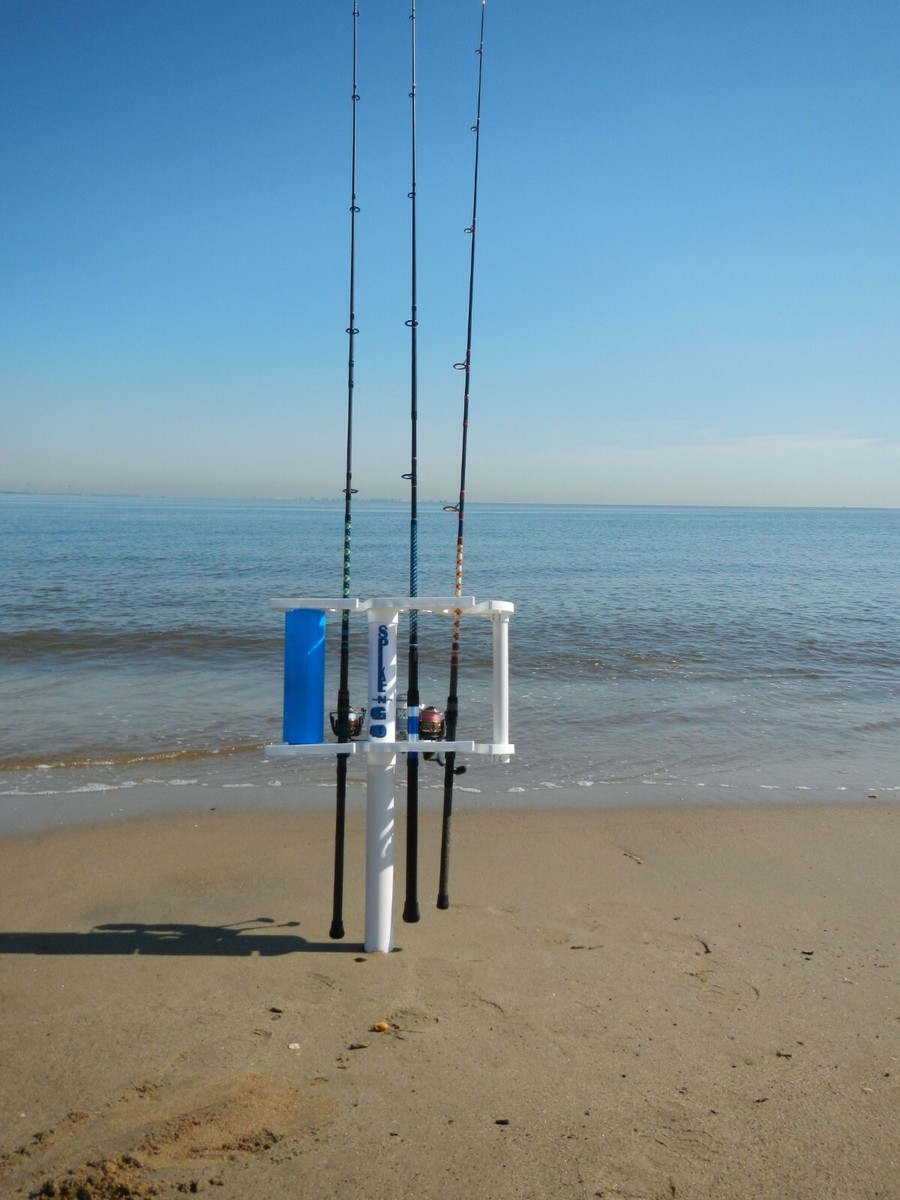
Credit: digifolio.me
Tying Strong Knots
Tying strong knots is important for saltwater fishing. Strong knots keep your line from breaking.
Good knots hold the bait and fish securely. Learn these three knots for better fishing results.
Improved Clinch Knot
The Improved Clinch Knot is popular for tying hooks to the line. It is simple and strong.
To tie it, pass the line through the hook eye and twist it five to seven times. Then pass the end through the loop near the eye and back through the big loop. Pull tight.
- Pass line through hook eye
- Twist 5-7 times
- Pass end through small loop
- Pass end through big loop
- Tighten the knot firmly
Palomar Knot
The Palomar Knot is very strong and easy to tie. It works well for braided or monofilament lines.
Double the line and pass it through the hook eye. Tie an overhand knot with the doubled line. Pass the hook through the loop. Pull tight and trim the extra line.
- Double the line
- Pass through hook eye
- Tie overhand knot
- Pass hook through loop
- Pull tight and trim
Uni Knot
The Uni Knot is versatile and strong. It can attach hooks, lures, or connect lines.
Pass the line through the hook eye and make a loop alongside the standing line. Wrap the tag end around both lines five times. Pull the tag end to tighten the coils. Slide the knot down and pull tight.
- Pass line through hook eye
- Make a loop by the standing line
- Wrap tag end 5 times
- Tighten coils by pulling tag end
- Slide knot and pull tight
Setting Up Leaders And Shock Lines
Setting up a fishing line for saltwater needs careful attention. Leaders and shock lines protect your main line and improve fishing success.
Leaders keep fish from biting through the line. Shock lines absorb sudden pulls from big fish or waves.
Leader Length And Material
Choose leader length based on the fish size and water clarity. Longer leaders help with cautious fish. Short leaders work well in clear water.
Fluorocarbon leaders are strong and nearly invisible underwater. Monofilament leaders stretch more and are good for absorbing shocks.
- Leader length: 2 to 6 feet is common
- Use fluorocarbon for clear water
- Monofilament works for rough conditions
- Match leader strength to the fish size
Shock Absorption Tips
Shock lines help protect your main line from sudden force. Use a heavier line or a special shock leader for this purpose.
Attach the shock line between the reel and the leader. It absorbs jerks from waves and big fish strikes.
- Use braided line as main line for strength
- Add shock line of monofilament or fluorocarbon
- Choose shock line heavier than the leader
- Check knots often for wear and tear
Connecting Leader To Main Line
Use strong knots to connect the leader to the main line. The connection should be smooth to avoid snags.
Popular knots include the Albright knot and the Double Uni knot. These knots hold well under pressure.
- Trim excess tag ends after tying
- Wet knots before tightening for strength
- Test the knot by pulling hard
- Practice knots before fishing trips

Credit: www.amazon.ca
Maintaining Your Fishing Line
Taking care of your fishing line helps it last longer and work better. Saltwater can damage lines fast if you do not maintain them well.
Good maintenance keeps your line strong and ready for your next fishing trip. Simple steps can prevent breaks and tangles.
Regular Inspection And Replacement
Check your fishing line often for damage. Look for cracks, frays, or weak spots. These can cause the line to break easily.
Replace the line if you see any signs of wear. Do not wait for it to snap while fishing.
- Look for discoloration or rough texture
- Test the line’s strength by pulling gently
- Change the line after several trips or if damaged
Cleaning Salt Residue
Salt can build up on your fishing line and cause it to weaken. Rinse the line with fresh water after each saltwater use.
Dry the line completely before storing it. This stops salt from harming the material over time.
- Use a gentle spray of fresh water
- Do not use harsh soaps or chemicals
- Pat dry with a clean cloth or let air dry
Storing Lines Properly
Store your fishing line in a cool, dry place away from sunlight. Heat and UV rays can weaken the line’s fibers.
Keep the line on the reel or in a spool to avoid tangles and knots. Proper storage helps keep the line ready for use.
- Use a line holder or spool for neat storage
- Avoid tight knots or bends in the line
- Keep line away from chemicals and sharp objects
Frequently Asked Questions
What Type Of Fishing Line Is Best For Saltwater?
Monofilament, fluorocarbon, and braided lines work well. Braided lines offer strength and sensitivity. Fluorocarbon is abrasion-resistant, ideal near rocks. Monofilament is versatile and affordable. Choose based on fishing conditions and target species.
How Do I Properly Attach A Fishing Line To A Reel?
Thread the line through the rod guides first. Tie it securely to the reel spool using an arbor knot. Ensure the knot is tight and trim excess line. Proper attachment prevents slippage during casting and reeling.
What Is The Ideal Line Strength For Saltwater Fishing?
Line strength depends on target fish size. For smaller species, 10-20 lb test lines work well. Larger fish require 30-50 lb or higher. Always consider the fish species and fishing environment when choosing line strength.
How Often Should I Replace My Saltwater Fishing Line?
Replace your line every 3-6 months or after heavy use. Saltwater degrades line strength over time. Check for nicks, abrasions, or discoloration regularly. Changing line ensures reliability and prevents breakage during fishing.
Conclusion
Setting up a fishing line for saltwater is simple and fun. Choose the right line strength for your target fish. Use strong knots to keep your gear secure. Check your line often for damage or wear. Saltwater fishing needs extra care to avoid tangles and breaks.
With practice, you will enjoy better catches and safer fishing trips. Remember, patience and attention help you improve every time. Get out there and enjoy the saltwater adventure!