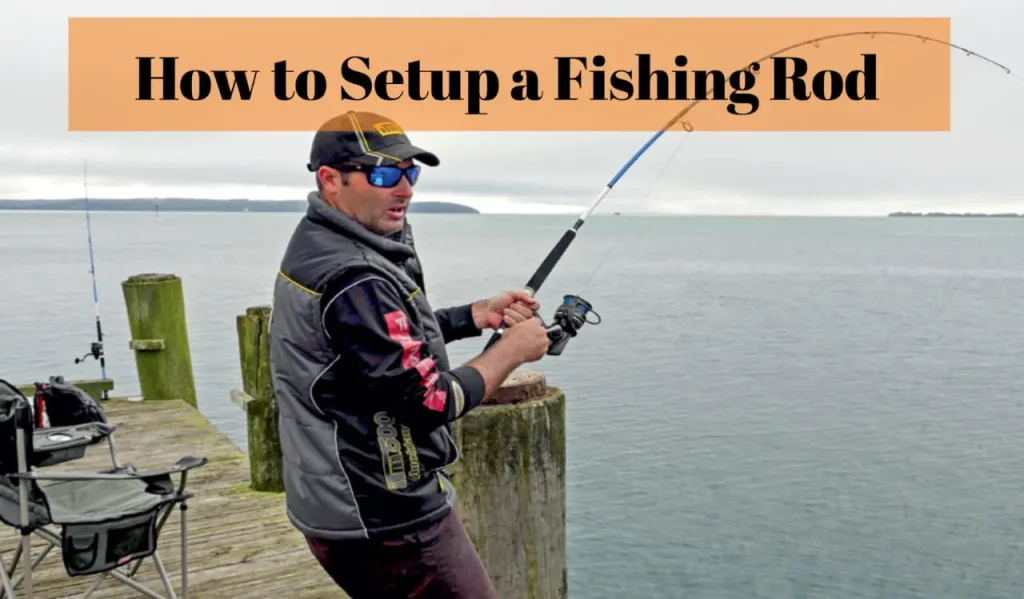
Setting up your fishing pole line the right way can make all the difference between a great catch and a frustrating day by the water. If you’ve ever struggled with tangled lines or lost fish, this guide is for you.
You’ll learn simple, step-by-step tips to get your line ready quickly and easily. By the end, you’ll feel confident and prepared, ready to enjoy your fishing trip like never before. Keep reading to discover how to set up your fishing pole line perfectly every time.

Credit: www.youtube.com
Choosing The Right Fishing Line
Choosing the right fishing line is important for a good fishing experience. The line needs to suit the type of fishing you want to do.
Different lines work better in different situations. Knowing about line types and strengths helps you pick the best one.
Types Of Fishing Line
There are three main types of fishing line: monofilament, fluorocarbon, and braided. Each has its own uses and features.
- Monofilament:Easy to handle and stretchable. Good for beginners and general use.
- Fluorocarbon:Less visible in water and sinks faster. Great for clear water fishing.
- Braided:Very strong and thin. Best for heavy cover and long casts.
Line Strength And Diameter
Line strength is shown by its pound test. This number tells how much weight the line can hold before breaking.
| Line Type | Typical Diameter (inches) | Common Strength (pound test) |
|---|---|---|
| Monofilament | 0.008 – 0.035 | 4 – 30 lbs |
| Fluorocarbon | 0.010 – 0.040 | 6 – 40 lbs |
| Braided | 0.006 – 0.030 | 10 – 80 lbs |
Thinner lines cast farther but may not hold strong fish. Pick a strength that fits the fish you want to catch.
Matching Line To Rod And Reel
Your fishing rod and reel have limits on line strength and type. Use lines that fit those limits for best results.
- Check the rod’s label for recommended line strength and type.
- Match the reel’s capacity with the line’s thickness and length.
- Use lighter lines for light rods and heavier lines for strong rods.
- Balance line type with rod action and reel drag settings.
Credit: usfws.medium.com
Preparing The Fishing Pole
Setting up your fishing pole line starts with preparing the pole itself. This ensures smooth casting and helps you avoid problems on the water.
Take time to assemble and check your rod and reel carefully before adding the line. Proper care helps your gear last longer and work better.
Assembling The Rod And Reel
Connect the rod pieces firmly to avoid wobbling. Attach the reel to the rod’s reel seat and tighten it securely.
- Fit rod sections together by sliding the joints firmly
- Align the guides on each section for a straight line path
- Place the reel on the reel seat and twist the locking ring tight
Cleaning The Guides
Clean the rod guides to remove dirt and salt. This prevents the line from snagging or wearing out quickly.
| Cleaning Tool | Purpose |
|---|---|
| Soft cloth | Wipe off dust and debris |
| Q-tip with rubbing alcohol | Remove salt and grease |
| Small brush | Clean inside guide rings |
Checking The Reel Mechanism
Test the reel to make sure it works smoothly. Check the drag, spool, and handle for any problems.
- Turn the handle to feel for smooth rotation
- Pull the line to test the drag system resistance
- Look for loose parts or unusual sounds
Attaching The Line To The Reel
Setting up a fishing pole line is essential for a successful fishing trip. Learn how to attach the line to the reel properly.
This process ensures your fishing experience is smooth and enjoyable.
Spooling The Line Correctly
Spooling the line correctly is important for smooth casting. Start by opening the bail arm of the reel.
Hold the line tightly and begin to spool it onto the reel evenly.
- Ensure the line is taut while spooling
- Fill the spool, but leave some space at the edge
- Check for any twists as you spool
Avoiding Twists And Tangles
Avoiding twists and tangles is crucial for hassle-free fishing. Keep the line straight as you spool it onto the reel.
Ensure the line unwinds from the spool in the same direction it goes onto the reel.
- Lay the line flat on the ground
- Match the direction of spooling
- Check for loops and correct them immediately
Securing The Line
Securing the line prevents it from slipping. Tie a knot at the end of the line before starting.
Once spooled, close the bail arm and pull the line to ensure it is secure.
- Use a strong knot like the arbor knot
- Test the knot’s strength before fishing
- Trim excess line after securing
Threading The Line Through Guides
Threading the fishing line through the guides is an important step. It helps the line move smoothly and prevents tangles.
This process requires patience and care, especially if you are new to fishing. Follow the steps below to do it right.
Starting From The Tip
Begin threading the line from the tip of the fishing rod. The tip guide is the smallest ring at the end of the rod.
- Hold the fishing line firmly.
- Pass the line through the tip guide first.
- Pull the line gently through each guide toward the reel.
- Make sure the line is inside each ring properly.
Ensuring Smooth Line Flow
Check that the line flows freely through all guides. This keeps casting easy and prevents damage.
| Guide Type | Purpose |
| Tip Guide | Directs the line from the rod tip |
| Intermediate Guides | Keep line aligned and reduce friction |
| Butt Guide | Supports the line near the reel |
Handling Stubborn Guides
Sometimes, the line may catch or snag on a guide. Handle these guides with care.
- Check for dirt or debris inside the guide rings.
- Clean the guides with a soft cloth if needed.
- Use a thin wire or needle to clear blockages gently.
- Thread the line slowly to avoid tangles.
Tying The End Knot
Tying a strong knot at the end of your fishing line is very important. It keeps the hook or lure attached securely. A good knot stops your catch from escaping.
This guide shows popular knots, how to tie them, and how to test their strength. Follow these steps carefully for better fishing results.
Popular Fishing Knots
Many knots work well for fishing lines. Some are easier to tie, and some hold better under pressure. Here are three popular knots:
- Improved Clinch Knot
- Palu Knot
- Palomar Knot
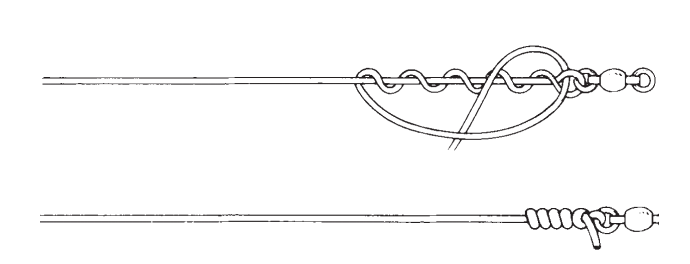
Step-by-step Knot Tying
Follow these steps to tie an Improved Clinch Knot:
- Thread the line through the hook eye.
- Wrap the tag end around the main line five times.
- Pass the tag end through the small loop near the eye.
- Then, pass it through the big loop you just made.
- Pull the tag end and main line to tighten the knot.
- Trim the excess tag end close to the knot.
Testing Knot Strength
Testing your knot is key before fishing. It ensures the knot will not slip or break easily.
| Test Method | How to Do It | What to Look For |
| Pull Test | Pull hard on the line after tying. | No slipping or loosening of the knot. |
| Water Test | Wet the knot, then pull firmly. | Knot stays tight and does not break. |
| Visual Check | Look for tight wraps and no twists. | Knot looks neat and secure. |

Credit: www.youtube.com
Adjusting Line Tension And Length
Setting the right line tension and length is key for fishing success. It helps you control the fish and improve casting. Adjusting these properly makes fishing easier and more fun.
This guide covers how to set the drag system, manage line slack, and find the optimal casting length. Follow these tips to prepare your fishing pole line well.
Setting The Drag System
The drag system controls the resistance when a fish pulls the line. Set it to avoid breaking the line but still tire out the fish.
- Turn the drag knob clockwise to increase tension.
- Turn it counterclockwise to reduce tension.
- Test the drag by pulling the line with your hand.
- Adjust until you feel steady resistance without too much force.
Managing Line Slack
Line slack is the loose part of the fishing line. Too much slack can cause tangles and missed catches. Keep the line tight but not too tight.
Tips to manage line slack:
- Hold the rod tip up to keep tension.
- Reel in slowly to reduce slack.
- Watch the line closely for any looseness.
- Adjust your grip and reel speed as needed.
Optimal Casting Length
Choosing the right casting length helps you reach the fish without losing control. Too long or too short affects accuracy and hook setting.
| Casting Distance | Best Line Length | Notes |
| Short (under 20 feet) | 10-15 feet | Good for small ponds or close targets |
| Medium (20-50 feet) | 30-40 feet | Works well in most lakes and rivers |
| Long (over 50 feet) | 50+ feet | Needs more skill to control and cast |
Casting Tips For Beginners
Learning to cast a fishing pole line can be easy with the right tips. Good casting helps you catch more fish and enjoy your time outdoors.
This guide covers basic casting techniques, common mistakes, and ways to improve your accuracy and distance.
Basic Casting Techniques
Hold the rod firmly but not too tight. Make sure the line is free from knots and tangles before casting. Use your wrist and forearm to push the rod forward smoothly.
- Start with the rod tip low and behind you.
- Bring the rod forward quickly but smoothly.
- Release the line at the right moment to let it fly.
- Follow through with the rod after the release.
Common Mistakes To Avoid
Many beginners make simple errors that affect casting quality. Avoid these to improve your fishing experience.
| Mistake | How to Fix |
| Holding the rod too tightly | Relax your grip to allow smooth motion |
| Releasing the line too early | Watch the rod tip and release when it points forward |
| Not following through | Complete the casting motion for better distance |
| Using too much force | Use steady, controlled power instead of jerks |
Improving Accuracy And Distance
Practice helps improve both where your line lands and how far it goes. Use these tips to get better results.
- Focus on a target and aim your cast carefully.
- Keep your wrist firm but flexible to control the rod.
- Adjust the angle of the rod tip to change distance.
- Practice casting in open areas to build confidence.
Frequently Asked Questions
How Do I Attach The Line To A Fishing Pole?
Start by threading the line through the guides on the pole. Tie a secure knot, like the improved clinch knot, at the reel. Ensure the knot is tight and trim excess line to prevent tangles during casting.
What Type Of Fishing Line Should I Use?
Choose the fishing line based on your target fish and environment. Monofilament is versatile and affordable. Fluorocarbon is nearly invisible underwater. Braided lines offer strength for heavy fish. Match the line strength to your fishing needs.
How Do I Properly Spool Fishing Line On A Reel?
Attach the line to the reel spool with an arbor knot. Keep tension on the line while winding it evenly onto the spool. Avoid overfilling to prevent line tangles. Proper spooling improves casting distance and reduces line twists.
How Much Line Should I Put On My Fishing Reel?
Fill the reel spool to about 1/8 inch from the edge. Too little line limits casting distance. Too much line causes tangles and backlash. The right amount ensures smooth casting and efficient retrieval.
Conclusion
Setting up a fishing pole line is simple and fun. Follow the steps carefully for best results. Choose the right line and secure it tightly. Check knots to avoid losing fish. Practice tying the line to build confidence. With patience, you will enjoy fishing more.
Keep your gear ready for every trip. Fishing becomes easier with good preparation. Try it yourself and see the difference. Enjoy the calm and thrill of fishing outdoors.