Setting up your fishing pole line correctly can make all the difference between a great day on the water and a frustrating one. If you’ve ever struggled with tangled lines or missed catches, this guide is for you.
You’ll learn simple, step-by-step tips that anyone can follow to get your fishing line ready fast and right. Keep reading, and soon you’ll feel confident casting like a pro every time you head out.
Choosing The Right Fishing Line
Selecting the right fishing line is important for a good fishing experience. It helps you catch fish without breaking or tangling.
Fishing lines come in different types and strengths. Picking the right one depends on your fishing style and the fish you want.
Types Of Fishing Line
There are three main types of fishing lines: monofilament, fluorocarbon, and braided. Each has special features.
- Monofilament:Soft and easy to handle. Good for beginners.
- Fluorocarbon:Nearly invisible underwater. Good for clear water fishing.
- Braided:Very strong and thin. Best for heavy cover fishing.
Line Strength And Thickness
Fishing line strength is measured in pounds. It shows how much weight the line can hold before breaking.
Thickness affects how far you can cast and how the line moves in water. Thinner lines cast farther but may be weaker.
- Choose a line strength that matches the size of fish you want.
- Thicker lines are better for big fish and rough conditions.
- Thinner lines work well for small fish and clear water.
Matching Line To Rod And Reel
Your fishing rod and reel have limits on line strength and thickness. Use lines that fit these limits.
Check the rod’s label for the recommended line weight. Using the right line keeps your gear balanced and works well.
- Match line strength to rod power and reel capacity.
- Using a too strong line can damage your rod.
- Using a too weak line can cause line breaks and lost fish.

Credit: www.youtube.com
Preparing Your Fishing Pole
Getting your fishing pole ready helps you catch fish better. Start with a clean and checked rod and reel. This prevents problems while fishing.
Taking time to prepare your gear makes your fishing trip more fun and safe. Follow simple steps to inspect and clean your equipment.
Inspecting The Rod And Reel
Check your fishing rod for cracks or damage. Look closely at the guides to see if they are bent or broken. Make sure the reel spins smoothly without noise.
- Look for cracks or splits on the rod.
- Check if guides are aligned and not cracked.
- Test the reel by turning the handle.
- Ensure the drag system works well.
- Inspect the reel seat for tightness.
Cleaning And Maintaining Equipment
Keep your fishing pole clean to avoid rust and damage. Use fresh water to rinse salt or dirt off the rod and reel. Dry all parts well before storing.
| Cleaning Task | Recommended Method |
| Rinse rod | Use fresh water, wipe with soft cloth |
| Clean reel | Rinse lightly, avoid soaking, dry thoroughly |
| Lubricate reel | Apply oil on moving parts monthly |
| Check line | Replace if frayed or damaged |
Attaching The Fishing Line
Attaching the fishing line to your pole is an important first step. It helps you cast smoothly and catch fish more easily.
This guide explains how to spool the reel and secure the line properly. Follow these steps for a good setup.
Spooling The Reel
Spooling the reel means winding the fishing line onto the reel evenly. This prevents tangles and helps you cast far.
Hold the line tight while you turn the reel handle. Keep the line straight to avoid twists.
- Attach the line to the reel spool
- Keep tension on the line while winding
- Wind slowly and evenly around the spool
- Fill the spool about 80% full
Securing The Line To The Reel
Securing the line means tying it to the reel spool so it does not slip. Use a strong knot for this.
The Arbor knot is a common choice. It is simple and holds well under pressure.
- Pass the line around the spool
- Tie an overhand knot around the main line
- Tie a second overhand knot near the tag end
- Pull both knots tight against the spool
- Trim the excess line close to the knots
Threading The Line Through Guides
Threading the fishing line through the rod guides is an important step. It helps the line run smoothly and prevents damage.
Following simple techniques will make this process easier and avoid problems while fishing.
Starting From The Reel
Begin by attaching the fishing line to the reel. Pull the line gently from the spool. Make sure the line comes off the reel in the correct direction.
Hold the rod steady and keep the line tight as you prepare to thread it through the guides.
Passing Through Each Guide
Thread the line through each guide, starting from the one closest to the reel. Move toward the tip of the rod carefully.
- Hold the line firmly but gently.
- Pass it through the center of each guide ring.
- Use your fingers to keep the line steady.
- Check that the line is not caught on any rough edges.
- Continue until the line goes through the top guide.
Avoiding Twists And Tangles
Twists and tangles can cause problems when casting and reeling in. Prevent them by keeping the line straight.
| Tip | Description |
| Keep Tension | Maintain slight tension on the line while threading. |
| Untwist Line | Allow the line to untwist naturally from the reel spool. |
| Check Guides | Inspect guides for dirt or damage that can catch the line. |
| Reel Slowly | Wind the line slowly to avoid loops and tangles. |
Tying The Hook Or Lure
Tying the hook or lure securely to your fishing line is important. It helps keep your catch safe and your gear ready.
This guide shows how to pick the right knot, tie it correctly, and check its strength.
Selecting The Right Knot
Choose a knot that fits your fishing style and line type. Some knots work better with certain lines or lures.
- Improved Clinch Knot: Good for most hooks and lures.
- Palomar Knot: Strong and easy to tie.
- Loop Knot: Lets the lure move freely.
- Uni Knot: Versatile for many situations.
Step-by-step Knot Tying
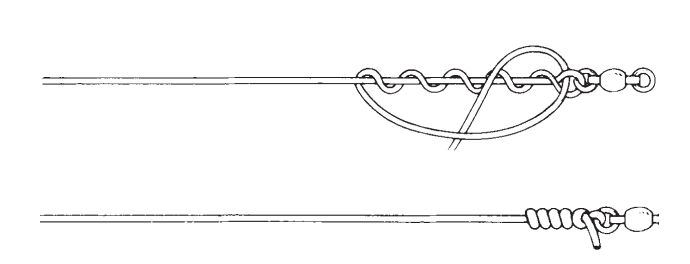
Follow these steps to tie a strong Improved Clinch Knot.
- Thread the line through the hook eye.
- Wrap the tag end around the main line five times.
- Pass the tag end through the small loop near the eye.
- Then pass it back through the big loop.
- Moisten the knot with water or saliva.
- Pull the tag end and main line to tighten the knot.
- Trim the tag end close to the knot.
Testing Knot Strength
Test your knot to avoid losing fish or tackle. A weak knot can break under pressure.
| Test Method | How to Do It |
|---|---|
| Pull Test | Pull the line hard by hand. Knot should hold tight. |
| Water Test | Wet the knot before pulling. It helps the knot set better. |
| Visual Check | Look for slipping or loose wraps in the knot. |
Adjusting Line Tension And Length
Setting the correct tension and length of your fishing line is important for a good fishing experience. It helps you control the fish and avoid line breakage.
This guide covers how to set drag on the reel and how to trim excess line properly.
Setting Drag On The Reel
The drag controls how much resistance a fish feels when pulling the line. Adjusting the drag helps keep the line from snapping.
- Locate the drag adjustment knob on your reel.
- Turn the knob clockwise to increase drag tension.
- Turn it counterclockwise to decrease tension.
- Test the drag by pulling the line with your hand.
- Adjust until the line pulls out smoothly with some resistance.
Trimming Excess Line
Trimming excess line keeps your setup neat and prevents tangles. It also helps maintain the right line length for casting.
| Tool | Purpose |
| Scissors | Cutting excess line cleanly |
| Line Clippers | Quick and precise trimming |
| Burner | Sealing line ends to avoid frays |
Tips For Perfect Casting
Setting up a fishing pole line correctly helps you cast better. Good casting makes fishing easier and more fun. Use these tips to improve your casting skills.
Practice and learn simple techniques. Avoid common mistakes. Try drills to build confidence and control.
Casting Techniques
Hold the rod firmly but not too tight. Use smooth motions to swing the rod back and then forward. Let the line flow freely when you cast.
- Keep your elbow close to your body
- Use your wrist to flick the rod
- Aim where you want the bait to land
- Follow through after the cast
Common Mistakes To Avoid
Many beginners cast too hard or with jerky movements. This causes tangles and poor accuracy. Avoid these errors to have a better fishing experience.
| Mistake | How to Fix |
| Gripping rod too tight | Hold rod gently but firmly |
| Overcasting force | Use smooth, controlled motion |
| Not watching the line | Focus on the line during cast |
| Wrong rod angle | Keep rod at 10 to 11 o’clock position |
Practice Drills
Practice casting in an open area without water. This helps you focus on technique and reduces mistakes.
- Start with short casts aiming at a target
- Slowly increase distance as you improve
- Practice casting with different weights
- Try casting in varying wind conditions

Credit: anglersresource.net

Credit: fishgenix.com
Frequently Asked Questions
How Do You Attach A Line To A Fishing Pole?
To attach a line, thread it through the rod’s guides. Secure it with an arbor knot on the reel. Ensure the line is taut and evenly distributed on the spool. This setup minimizes tangles and enhances casting performance.
What Type Of Fishing Line Should I Use?
Choose a line based on your fishing environment. Monofilament is versatile and beginner-friendly. Braided lines offer strength for heavy catches. Fluorocarbon is nearly invisible underwater, ideal for clear water conditions. Each type suits different fishing needs.
How Do You Spool A Fishing Reel?
Begin by tying the line to the spool with an arbor knot. Hold the line tight and reel slowly, ensuring even distribution. Fill the spool to about 1/8 inch from the rim. Proper spooling prevents tangles and ensures smooth casting.
What Length Should My Fishing Line Be?
The line length depends on the fishing type and location. For freshwater, 100-150 yards is usually sufficient. Saltwater or deep-sea fishing might require longer lines. Always consider the target species and fishing conditions when determining line length.
Conclusion
Setting up a fishing pole line takes practice and patience. Start with the right tools and follow each step carefully. Check knots and tension to avoid problems while fishing. Keep your line neat and strong for the best experience. With time, setting up will become easier and faster.
Enjoy your fishing trips and catch plenty of fish. Stay safe and have fun outdoors!