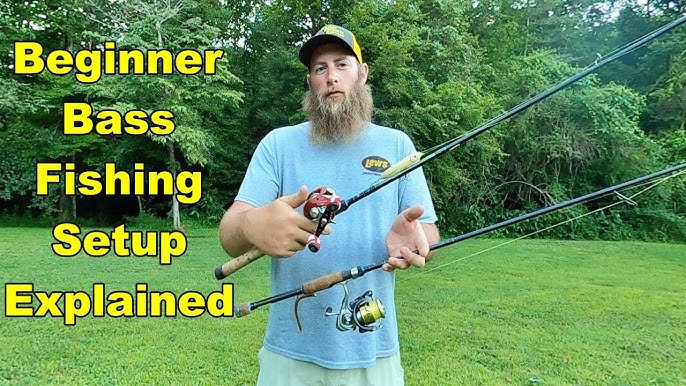
Setting up your fishing rod the right way can make all the difference between a frustrating day and an exciting catch. If you’ve ever felt overwhelmed by all the parts and steps, you’re not alone.
But don’t worry—this guide will walk you through each step clearly and simply. By the time you finish reading, you’ll feel confident and ready to get your line in the water. Let’s dive in and make sure your fishing rod is set up perfectly for your next adventure.
Choosing The Right Rod
Choosing the right fishing rod is important for a good fishing experience. The rod affects how you cast and catch fish.
This guide helps you pick the best rod by looking at types, fish species, and material and length.
Types Of Fishing Rods
Fishing rods come in several types. Each type suits different fishing styles and environments.
- Spinning rods are easy to use for beginners and work well with light lures.
- Baitcasting rods provide more control for heavier lures and stronger fish.
- Fly rods are designed for fly fishing and use special lines and lures.
- Trolling rods are strong and used when fishing from a moving boat.
Selecting Based On Fish Species
Different fish need different rods. The size and strength of the fish guide your choice.
| Fish Species | Recommended Rod Type | Suggested Rod Power |
| Trout | Spinning or Fly Rod | Light to Medium |
| Bass | Baitcasting or Spinning Rod | Medium |
| Salmon | Baitcasting Rod | Medium to Heavy |
| Catfish | Trolling or Baitcasting Rod | Heavy |
Material And Length Considerations
Fishing rods come in materials like fiberglass, graphite, and composite. Each has benefits.
| Material | Advantages | Disadvantages |
|---|---|---|
| Fiberglass | Durable, flexible, good for beginners | Heavier, less sensitive |
| Graphite | Lightweight, very sensitive | More fragile, expensive |
| Composite | Balance of strength and sensitivity | Moderate weight and cost |
Rod length affects casting distance and control. Short rods give better control. Long rods cast farther.
- Short rods (5-6 feet) suit close fishing and small spaces.
- Medium rods (6-7 feet) are good for many types of fishing.
- Long rods (7-10 feet) help cast long distances in open water.

Credit: fishgenix.com
Gathering Essential Gear
Setting up a fishing rod needs the right gear. Having the correct tools makes fishing easier and more fun.
Before you start, gather all the basic items. This helps avoid delays when you go fishing.
Fishing Reel Options
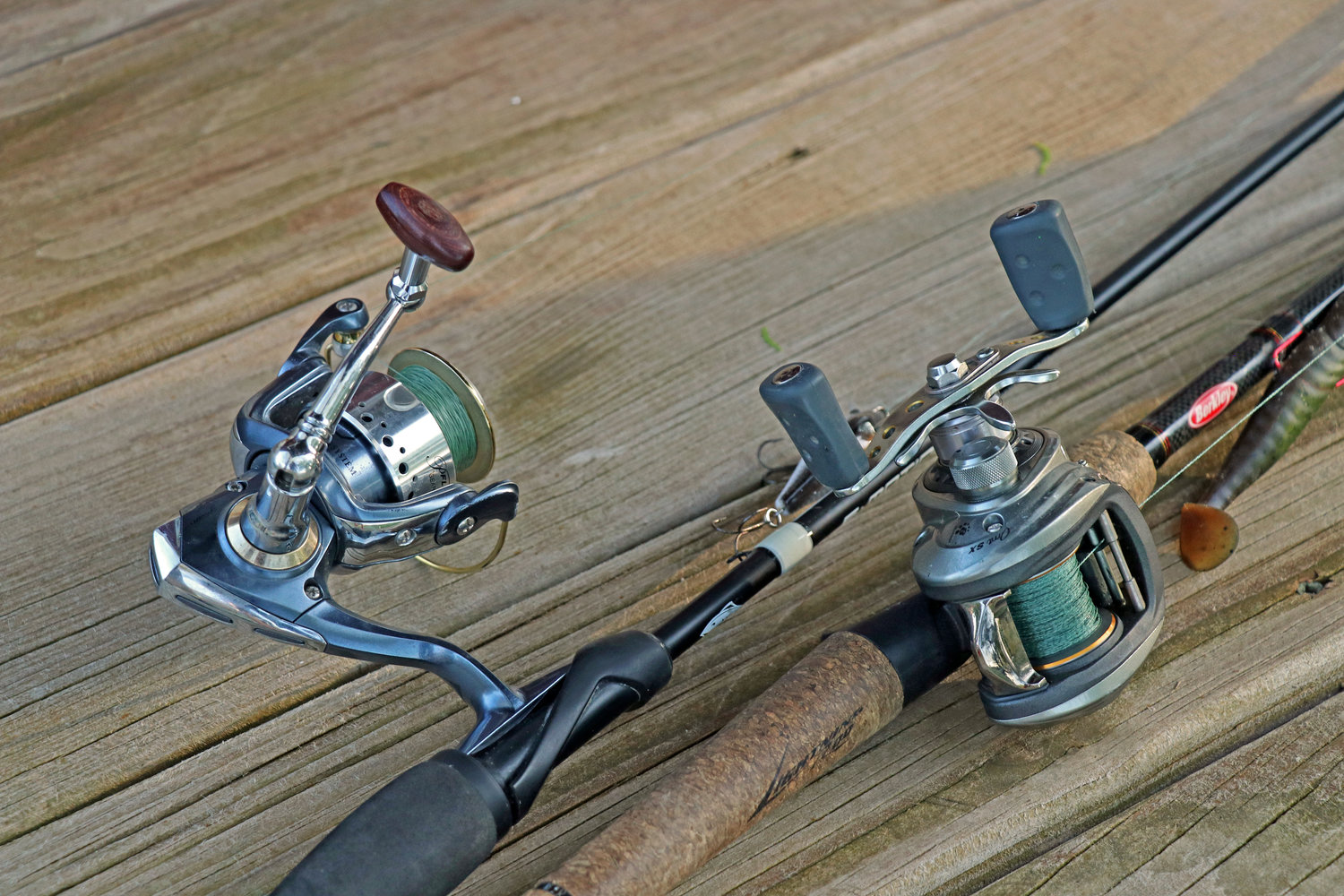
You can choose from different types of fishing reels. Each reel suits a certain fishing style and skill level.
Spinning reels are common and easy for beginners. Baitcasting reels give more control but need practice.
- Spinning reels: Good for light lines and small fish
- Baitcasting reels: Best for heavy lines and big fish
- Spincast reels: Simple to use, great for kids
Picking The Right Line
Fishing lines come in different materials and strengths. Choose one that fits your fishing needs.
Monofilament lines are stretchy and good for beginners. Braided lines are strong and thin. Fluorocarbon lines are less visible underwater.
- Monofilament: Affordable and easy to handle
- Braided: Strong and lasts longer
- Fluorocarbon: Hard to see, good for clear water
Hooks, Baits, And Accessories
Select hooks that match the fish you want to catch. Size and shape matter for a good catch.
Use baits that attract your target fish. Live bait and artificial lures both work well. Accessories like bobbers and sinkers help control the bait.
- Hooks: Choose size based on fish type
- Baits: Live worms, minnows, or plastic lures
- Bobbers: Keep bait at the right depth
- Sinkers: Help bait sink faster
Assembling The Rod
Setting up a fishing rod is simple. Follow these steps to get started.
Ensure all parts are present before assembling your fishing rod. This helps prevent issues.
Attaching The Reel
Start by attaching the reel to the rod. Hold the rod firmly in one hand.
Align the reel foot with the reel seat on the rod. Tighten the reel seat to secure it.
- Check the reel seat for a snug fit
- Avoid overtightening to prevent damage
Threading The Line
Pass the line through the rod guides. Start from the bottom and move to the top guide.
Make sure the line is smooth and free of knots. This ensures easy casting.
- Use a light touch to thread the line
- Check each guide for proper alignment
Securing Hooks And Baits
Choose the right hook and bait for your fishing trip. Attach the hook to the line end.
Use a simple knot to secure the hook. Add bait to the hook carefully.
- Ensure the hook is sharp and clean
- Handle bait gently to avoid damage
Adjusting For Casting
Setting up your fishing rod correctly helps you cast better. Good adjustments make your fishing easier and more fun.
Focus on key parts like drag, balance, and casting technique. Each part affects how far and accurate you can cast.
Setting The Drag
The drag controls how much resistance the fish feels when it pulls the line. Adjusting drag helps prevent the line from breaking.
- Turn the drag knob clockwise to increase resistance.
- Turn it counterclockwise to decrease resistance.
- Set drag so the fish can pull line without too much force.
- Test the drag by pulling the line with your hand.
Balancing The Rod
A balanced rod feels comfortable and helps your cast stay steady. Balance depends on the reel and rod weight.
| Action | How to Check |
| Hold rod with one hand | Rod should not tip forward or backward |
| Attach reel properly | Reel should fit snug and not add too much weight |
| Adjust handle grip | Hold rod near balance point for best control |
Choosing The Right Casting Technique
Different casting methods fit different fishing situations. Choose the right one to improve distance and accuracy.
- Overhead Cast: Good for open areas with no obstacles.
- Sidearm Cast: Useful when you need a low line flight under branches.
- Roll Cast: Helps in tight spaces with limited room behind you.
- Pitch Cast: Best for short, precise casts near cover.
Maintenance Tips
Taking care of your fishing rod keeps it working well for years. Regular maintenance stops damage and saves money.
Simple cleaning and storage routines help your gear stay strong. Change parts often to avoid problems.
Cleaning The Rod And Reel
After every fishing trip, clean your rod and reel. Dirt and salt can cause rust and wear.
Use fresh water and a soft cloth to wipe all parts. Avoid harsh chemicals that can damage the finish.
- Rinse rod and reel with fresh water
- Use mild soap if needed
- Dry with a soft cloth
- Lubricate reel parts lightly
- Check guides and handle for cracks
Storing Equipment Safely
Store your fishing rod in a dry, cool place to avoid damage. Avoid direct sunlight and extreme heat.
Keep rods upright or in a holder to stop bending. Store reels separately or covered to keep dust out.
- Use rod racks or holders
- Keep away from moisture and heat
- Cover reels with cloth or cases
- Do not stack heavy objects on rods
Regular Line Replacement
Fishing lines weaken over time and can break easily. Change your line often to avoid lost catches.
Check your line for cracks, discolor, or stiffness. Replace it if you see any damage or after several uses.
- Inspect line before each trip
- Replace line every few months or as needed
- Use the right line strength for your fishing
- Store line in cool, dark places

Credit: www.battlbox.com
Credit: www.texaskayakfisher.com
Frequently Asked Questions
How Do I Choose The Right Fishing Rod?
Choosing the right rod depends on your fishing style and target species. Consider rod length, power, and action for best results.
What Are The Basic Steps To Set Up A Fishing Rod?
Start by attaching the reel, threading the line through guides, tying the hook, and adding bait or lure properly.
How Do I Properly Thread The Fishing Line?
Pass the line through each guide from the tip to the reel. Ensure the line is smooth and untangled.
What Type Of Fishing Reel Should I Use?
Spinning reels are great for beginners, while baitcasting reels offer more control for experienced anglers.
Conclusion
Setting up a fishing rod is simple with clear steps. Choose the right rod and reel for your needs. Attach the line carefully to avoid tangles. Add the hook, bobber, and sinker as needed. Check all parts to ensure they are secure.
Practice casting to feel comfortable and confident. Enjoy fishing with your properly set up rod. Remember, patience and practice bring better results. Happy fishing!