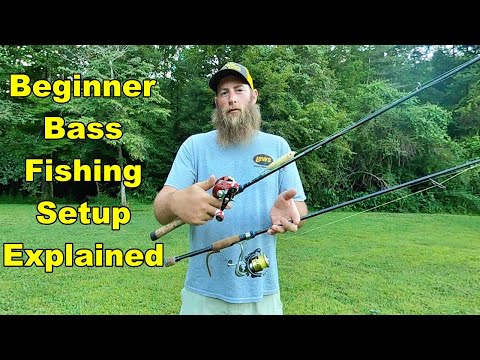
If you want to catch more bass, setting up your fishing rod the right way is key. Getting your gear ready can seem tricky, but once you know the simple steps, you’ll feel confident every time you cast.
Imagine the excitement of feeling that first tug on your line—wouldn’t it be great to be fully prepared? This guide will walk you through everything you need to set up your rod perfectly for bass fishing. By the end, you’ll be ready to reel in your next big catch with ease.
Keep reading to learn how to make your fishing setup work for you.
Choosing The Right Rod
Picking the right fishing rod helps you catch more bass. The right rod makes casting easier and controls the fish better.
Consider rod length, power, material, action, and sensitivity. These features change how the rod feels and performs.
Rod Length And Power
Rod length affects how far you can cast and how you handle the fish. Longer rods cast farther, shorter rods give more control.
Power means how strong the rod is. Light power rods work well for small bass. Medium or heavy rods handle bigger fish and heavier lures.
- Short rods (6-6.5 feet) offer better control in tight spaces
- Medium rods (6.5-7 feet) are versatile for many situations
- Light power rods suit small bass and light lures
- Medium and heavy power rods help with bigger bass and heavy baits
Material Types
Fishing rods are made from graphite, fiberglass, or composite materials. Each type feels different and costs vary.
Graphite rods are light and sensitive. Fiberglass rods are strong and flexible. Composite rods mix both for balance.
- Graphite: light, sensitive, good for feeling bites
- Fiberglass: heavy, durable, good for rough use
- Composite: blend of graphite and fiberglass, balanced performance
Action And Sensitivity
Action describes how much the rod bends. Fast action rods bend near the tip. Slow action rods bend more along the length.
Sensitivity helps you feel small bites. Fast action rods are usually more sensitive, letting you react quickly.
- Fast action: bends at tip, good for quick hook sets
- Medium action: bends in top half, versatile for many lures
- Slow action: bends throughout, smooth for fighting fish
- High sensitivity helps detect light bites

Credit: fishingbooker.com
Selecting The Perfect Reel
Choosing the right reel is key to setting up your fishing rod for bass. A good reel helps you cast smoothly and catch fish more easily.
There are many types of reels. Knowing the differences helps you pick the best one for bass fishing.
Spinning Vs Baitcasting
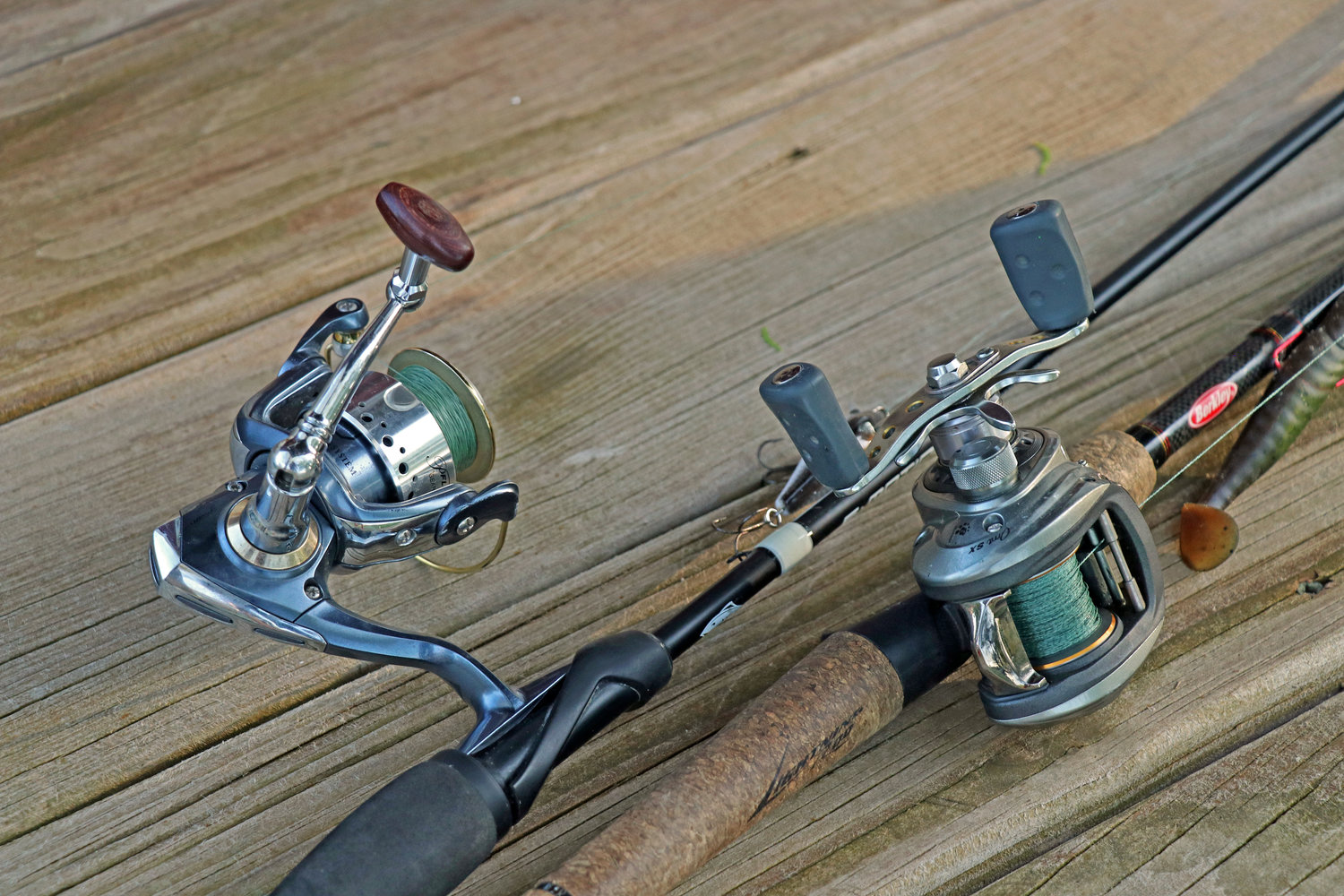
Spinning reels are easy to use and good for beginners. They work well with light lures and lines.
Baitcasting reels give better control and power. They are good for heavier lures and bigger bass.
- Spinning reels: simple, less line tangles, good for light bait
- Baitcasting reels: precise casting, strong drag, better for heavy bait
- Choose spinning for ease, baitcasting for power and accuracy
Gear Ratio Importance
Gear ratio shows how fast the reel retrieves line. Higher ratios pull line faster.
Fast gear ratios help when bass are active. Slow ratios work well for deep water or heavy lures.
- Low ratio (5.1:1): slow, more power, good for heavy cover
- Medium ratio (6.3:1): balanced speed and power
- High ratio (7.1:1+): fast line pickup, good for quick retrieves
Drag System Features
The drag system controls how much resistance fish feel when pulling line. It helps prevent line breaks.
Look for smooth drag that adjusts easily. Strong drag is important for fighting big bass.
- Smooth drag avoids sudden line breaks
- Adjustable drag lets you control resistance
- Strong drag helps land heavy fish safely
Picking The Ideal Fishing Line
Choosing the right fishing line is crucial for bass fishing. The line affects how you cast and catch fish.
Different lines have unique features. Understanding them helps you make the best choice.
Line Types Explained
There are three main types of fishing lines. Each type has its own benefits and uses.
- Monofilament: Good for beginners, stretches and is easy to handle.
- Braided: Strong and thin, great for heavy cover and long casts.
- Fluorocarbon: Almost invisible underwater, sinks faster than others.
Line Strength For Bass
Bass fishing needs the right line strength. This ensures your line can handle big fish.
Line strength is measured in pounds. It tells you how much weight the line can hold before breaking.
- 8-12 lb test for light tackle in clear waters.
- 15-20 lb test for heavy cover or murky waters.
- 30-50 lb test for braided lines in dense vegetation.
Line Maintenance Tips
Keeping your fishing line in good condition is important. It helps you fish better and catch more bass.
Here are some easy tips to maintain your fishing line.
- Check for frays or cuts after each trip.
- Store your line away from sunlight to avoid damage.
- Clean your line with fresh water after fishing.
Credit: www.texaskayakfisher.com
Attaching The Line And Reel
Setting up your fishing rod for bass starts with attaching the line and reel properly. This helps your gear work well and catch fish easily.
Follow these steps to spool the reel, secure the line, and prevent line twist for the best fishing experience.
Spooling The Reel
Spooling the reel means winding the fishing line onto the reel spool. It should be tight and even to avoid tangles.
- Attach the line to the reel spool with an arbor knot.
- Hold the line tight and start turning the reel handle slowly.
- Keep the line tight as it wraps evenly around the spool.
- Fill the spool to about 1/8 inch below the edge.
Securing The Line
After spooling, secure the line to prevent it from slipping or loosening on the spool.
- Use a small piece of tape to hold the line on the spool’s edge.
- Thread the line through the rod guides starting from the tip.
- Tie the line to the reel’s line clip if it has one.
- Make sure the line is tight but not too tight to avoid breakage.
Preventing Line Twist
Line twist can cause tangles and knots. Avoid it by following these tips.
| Tip | How to Do It |
|---|---|
| Use a swivel | Attach a swivel between the main line and lure to reduce twist. |
| Spool line under tension | Keep tension on the line while spooling to prevent twists. |
| Check line direction | Make sure the line comes off the filler spool the same way it goes onto the reel. |
| Untwist regularly | Let the line hang and spin freely after casting to remove twists. |
Choosing Hooks And Lures
Setting up a fishing rod for bass starts with picking the right hooks and lures. These choices affect how well you catch bass and how fun your fishing trip will be.
Understanding different hook sizes and types helps you match them to the lures you use. The right lure attracts bass depending on the water and weather conditions.
Hook Sizes And Types
Bass fishing requires hooks that fit the size of the bait and the bass’s mouth. Small hooks work for live bait, while bigger hooks suit larger lures.
- Size 2 to 1/0:Ideal for small to medium live bait like minnows and worms.
- Size 2/0 to 4/0:Best for soft plastic lures and bigger live bait.
- Wide-gap hooks:Great for soft plastics because they hold the bait better.
- Offset hooks:Help keep the lure weedless and improve hook sets.
Top Lures For Bass
Bass respond to many lures, but some types work better than others. Choose lures that mimic the bass’s natural prey to increase your chances.
| Lure Type | Description | Best Use |
| Plastic Worms | Soft and flexible, often rigged weedless. | Clear or weedy water |
| Crankbaits | Hard-bodied, dives to different depths. | Open water, around structures |
| Spinnerbaits | Flashy blades create vibration and light. | Murky water, low light |
| Jigs | Weighted head with soft skirt or trailer. | Deep water, heavy cover |
Matching Lures To Conditions
Choosing the right lure depends on water clarity, temperature, and bass behavior. Adjust your lure type and color to match these factors.
- Use bright colors like chartreuse in murky water to help bass find your lure.
- In clear water, natural colors like brown or green work best to look like real prey.
- Slow your retrieve in cold water because bass move slower.
- In warm water, use faster retrieves to trigger bass to strike.
Rigging Techniques For Bass
Setting up your fishing rod correctly improves your chances of catching bass. Different rigs work best in different water and weather conditions.
Learn how to rig your rod for bass fishing using popular methods like Texas, Carolina, and Drop Shot rigs.
Texas Rig Setup
The Texas rig is perfect for fishing in thick cover. It keeps the hook hidden and reduces snags.
- Use a bullet weight on your line about 12 inches above the hook.
- Thread a soft plastic worm onto a worm hook, pushing the hook through the head and out the side.
- Rotate the hook and embed the point back into the worm to make it weedless.
- Tighten your line and cast near structures like weeds or logs.
Carolina Rig Setup
The Carolina rig is good for fishing deeper water. It lets the bait move freely while the weight stays on the bottom.
| Component | Description |
| Weight | Egg or bullet weight placed on the main line |
| Bead | Plastic bead placed below the weight to protect knots |
| Swivel | Ties the main line to the leader line |
| Leader Line | 12 to 24 inches long, connects swivel to hook |
| Hook | Worm hook with a soft plastic lure |
Cast the rig and slowly drag it along the bottom. The bait will move naturally to attract bass.
Drop Shot Rig Setup
The drop shot rig is great for finesse fishing. It suspends the bait just above the bottom to entice bites.
- Tie a drop shot hook to your line using a Palomar knot, leaving 12 to 18 inches of tag end.
- Attach a drop shot weight to the tag end.
- Hook a small soft plastic bait through the nose.
- Keep the bait suspended just above the bottom by gently shaking the rod tip.
Casting And Retrieval Tips
Setting up your fishing rod correctly helps improve your bass catch. Good casting and retrieval skills make a big difference. This guide shares tips on casting accuracy and retrieval speeds.
Understanding how bass behave helps you adjust your technique. Use these tips to fish smarter and enjoy your time on the water.
Casting Accuracy
Accurate casting places your bait where bass are more likely to bite. Practice aiming for small targets like docks or logs. Keep your wrist firm and use a smooth motion.
- Check your line for tangles before casting
- Use shorter casts in tight spots
- Cast slightly past your target to let the bait drift in
- Adjust your stance for better balance
Retrieval Speeds
Changing your retrieval speed can attract different bass. Slow retrieval works well in cold water. Faster speeds excite bass in warm water. Try to vary your speed to see what works best.
| Water Temperature | Recommended Retrieval Speed |
| Cold (below 55°F) | Slow and steady |
| Moderate (55°F to 70°F) | Medium speed with pauses |
| Warm (above 70°F) | Fast and erratic |
Adjusting For Bass Behavior
Bass change behavior based on weather, time, and water conditions. Watch for signs like jumping fish or baitfish activity. Adjust your rod setup and retrieval style to match their mood.
- Use lighter lures in clear water
- Try deeper casts when bass are inactive
- Change lure color based on water clarity
- Pause your retrieve to mimic injured prey
Maintenance And Storage
Keeping your fishing rod in good shape helps it last longer. Proper care improves your bass fishing experience.
This guide covers cleaning, storing, and fixing common problems with your fishing rod.
Cleaning Your Gear
Clean your fishing rod after every use to remove dirt and salt. This stops damage and rust.
Use fresh water and a soft cloth to wipe the rod. Avoid harsh chemicals that can harm the materials.
- Rinse rod with fresh water
- Wipe gently with a soft cloth
- Clean guides and reel seat carefully
- Dry completely before storage
Storage Best Practices
Store your fishing rod in a dry place away from direct sunlight. This prevents warping and fading.
Use a rod rack or holder to keep the rod straight. Avoid leaning it against walls for long times.
- Keep rod in a cool, dry area
- Use a rod rack or holder
- Protect rod tip with a cover
- Remove the reel if storing long-term
Troubleshooting Common Issues
Check your fishing rod often for cracks or loose parts. Fix small problems before they get worse.
If the line keeps tangling, inspect the guides for damage. Replace worn parts to avoid fishing issues.
- Look for cracks or breaks on the rod
- Tighten loose reel seats and handles
- Replace damaged guides promptly
- Check reel and line for proper function

Credit: www.youtube.com
Frequently Asked Questions
What Is The Best Rod Length For Bass Fishing?
A 6. 5 to 7-foot rod is ideal for bass fishing. It offers good casting distance and control. This length suits most bass fishing techniques and environments.
How Do I Choose The Right Fishing Line For Bass?
Use a 10-20 lb test braided or fluorocarbon line. Braided lines provide strength, while fluorocarbon offers low visibility underwater. Both work well depending on water clarity and cover.
Which Reel Type Works Best With A Bass Fishing Rod?
A baitcasting reel is preferred for bass fishing. It offers better accuracy and control for casting lures. Spinning reels are good for beginners and light tackle setups.
How Should I Rig A Fishing Rod For Bass?
Attach a suitable lure, such as a spinnerbait or plastic worm. Use a strong knot like the Palomar knot. Adjust the drag to allow smooth line release during a fight.
Conclusion
Setting up a fishing rod for bass is simple and fun. Start with the right rod and reel. Choose the correct line and attach your lure carefully. Adjust the drag to avoid losing fish. Practice casting to improve your skill.
Remember, patience helps catch more bass. Keep your gear clean and ready for next time. Enjoy every moment on the water. Fishing can bring calm and joy. Try different setups to find what works best. Stay safe and respect nature always.
Happy fishing!