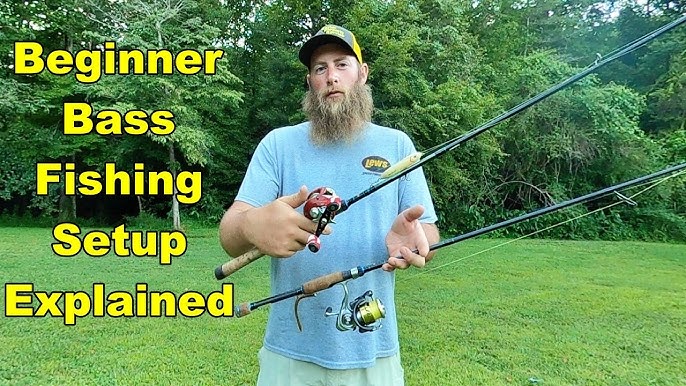
If you want to catch more bass and enjoy your fishing trips, setting up your fishing rod the right way is key. You might think it’s complicated, but with a few simple steps, you can get your gear ready fast and easy.
Imagine feeling confident every time you cast, knowing your rod is perfectly set up to reel in the big one. In this guide, you’ll discover how to prepare your fishing rod so it works exactly the way you need it to.
Keep reading, and you’ll be ready to land that bass like a pro!
Choosing The Right Rod
Picking the right fishing rod is important for catching bass. The right rod helps you cast better and feel the fish.
There are many rods to choose from. Focus on length, power, material, and action to find the best one.
Rod Length And Power
Rod length affects how far you can cast and how you handle the fish. A medium length rod is good for most bass fishing.
Power means the rod’s strength. Medium power rods work well because they are strong but still sensitive.
- Length: 6 to 7 feet is ideal for bass fishing
- Power: Medium or medium-heavy for good control
- Longer rods cast farther but may be harder to control
- Shorter rods give more accuracy for close fishing
Best Materials For Bass Fishing
Fishing rods come in different materials. The material affects the rod’s weight, strength, and feel.
Graphite rods are light and sensitive. Fiberglass rods are heavier but stronger. Composite rods combine both.
- Graphite: Best for feeling small bites and light lures
- Fiberglass: Durable and good for heavy lures
- Composite: Balanced, good for many conditions
Selecting The Ideal Action
Action means how much the rod bends. Fast action rods bend near the tip. Slow action rods bend more along the rod.
Fast action rods give quick hook sets. Slow action rods help with fighting big fish and casting light lures.
- Fast action: Best for quick bites and heavy cover
- Medium action: Good all-around choice
- Slow action: Best for gentle lures and smaller fish

Credit: www.youtube.com
Picking The Perfect Reel
Choosing the right reel is key to setting up a fishing rod for bass. The reel affects how you cast and retrieve the line. This guide covers important reel types and features.
Understanding reel options helps you fish better. Learn about spinning and baitcasting reels, gear ratios, and how to care for your reel.
Spinning Vs. Baitcasting Reels
Spinning reels are easy to use and good for beginners. Baitcasting reels offer more control and power but need skill to handle. Both have pros and cons for bass fishing.
- Spinning Reels:Lightweight and simple to cast.
- Baitcasting Reels:Provide better accuracy and strength.
- Line Twist:Spinning reels reduce line twist.
- Control:Baitcasting reels allow precise lure placement.
Gear Ratio Importance
The gear ratio shows how many times the spool turns per handle crank. It affects how fast you retrieve the line. Choose the right ratio based on your fishing style.
| Gear Ratio | Use |
|---|---|
| 5.1:1 | Slow, good for deep water and heavy lures |
| 6.4:1 | Medium speed, versatile for most bass fishing |
| 7.1:1 | Fast, best for topwater and light lures |
Reel Maintenance Tips
Keeping your reel clean helps it work well longer. Salt, dirt, and water can damage parts. Regular care prevents problems while fishing.
- Rinse reel with fresh water after each use
- Wipe reel dry with a soft cloth
- Apply reel oil to moving parts monthly
- Check and tighten screws periodically
- Store reel in a dry, cool place
Selecting Fishing Line
Choosing the right fishing line is key to catching bass. It affects casting, lure action, and hook sets.
Different lines have unique features. Knowing these helps you pick what works best for your fishing style.
Monofilament Vs. Fluorocarbon Vs. Braided
Monofilament is soft and easy to handle. It stretches well, helping to protect the fish and rod.
Fluorocarbon sinks fast and is less visible underwater. It is good for clear water and shy bass.
Braided line is very strong and thin. It has little stretch, so you feel every bite clearly.
- Monofilament: good stretch, visible, affordable
- Fluorocarbon: low visibility, sinks, abrasion resistant
- Braided: strong, thin, little stretch, visible
Line Strength For Bass
Pick a line strength that matches bass size and fishing spots. Too light line may break easily.
For bass, line strength usually ranges from 6 to 20 pounds. Use lighter lines for small bass.
- 6-10 lb test: best for small bass and light cover
- 12-15 lb test: good for average bass and mixed cover
- 17-20 lb test: strong for big bass and heavy cover
Knot Tying Basics
Tying strong knots keeps your hook and lure secure. Weak knots cause lost fish and tackle.
Practice simple knots like the improved clinch and Palomar. These knots hold well with all lines.
- Improved Clinch Knot: easy and strong for most lines
- Palomar Knot: very strong and simple to tie
- Uni Knot: good for tying line to lure or hook
Attaching The Line To The Reel
Attaching the fishing line to the reel is the first step in setting up your rod for bass fishing. This process ensures your line stays secure during casting and reeling.
Using the right method helps prevent line slippage and makes your fishing experience smoother.
Spooling Techniques
Start by threading the line through the rod guides. Tie the line to the reel spool using an arbor knot. Pull the knot tight and trim the excess line.
- Open the reel bail and hold the line tight.
- Begin winding the line evenly on the spool.
- Keep tension to avoid loose coils.
- Fill the spool to about 1/8 inch from the edge.
- Close the bail and cut the line.
Preventing Line Twist
Line twist can cause tangles and reduce casting distance. To avoid this, use these tips while spooling your reel.
- Use swivel connectors to reduce twist from lures.
- Keep the line tight during spooling.
- Let the line hang freely while filling the spool.
- Check for line twist regularly during use.
Setting Up The Rod And Reel Combo
Setting up your fishing rod and reel right is key for a good bass fishing day. A well-balanced rod and reel combo makes casting easier and reduces fatigue.
This guide covers two important parts: balancing the setup and adjusting drag properly. Follow these tips for better control and performance.
Balancing The Setup
Balance means the rod and reel feel steady in your hand without tipping forward or backward. It helps you cast smoothly and hold the rod longer.
- Place the reel on the rod seat and tighten it securely.
- Hold the rod with your dominant hand at the handle.
- Check if the rod tips up or down when held horizontally.
- Add or remove weights on the line or use a different reel to fix balance.
- Try different grips until the rod feels natural and steady.
Adjusting Drag Properly
The drag controls how much line pulls off the reel during a fish fight. Setting it right stops the line from breaking or the fish from escaping.
| Drag Setting | When to Use | Recommended Test |
|---|---|---|
| Light Drag | Small bass or light line | Line pulls at 10-15% of line strength |
| Medium Drag | Average bass size | Line pulls at 20-30% of line strength |
| Heavy Drag | Big bass or heavy cover | Line pulls at 40% or more of line strength |
To test drag, pull the line by hand from the reel. Adjust the drag knob until you feel the correct resistance for your target bass size.

Credit: fishingbooker.com
Choosing The Right Lures And Baits
Picking the right lures and baits is key for bass fishing success. The right choice helps attract bass and increases your catch rate.
Different lures work best in different places and times. Knowing which to use makes your fishing easier and more fun.
Top Lures For Bass Fishing
Many lures catch bass well. Here are some popular types to try on your next fishing trip.
- Plastic Worms:Soft and lifelike, great for slow retrieves near cover.
- Crankbaits:Hard-bodied lures that dive deep to find bass hiding in water.
- Spinnerbaits:Flashy blades create vibrations that attract bass in murky water.
- Jigs:Weighted lures good for fishing close to the bottom near structures.
- Topwater Lures:Work well in low light, making bass strike at the surface.
Matching Lures To Conditions
Choosing lures depends on water clarity, weather, and bass behavior. Use the right lure for the right condition.
| Condition | Best Lure Type | Reason |
| Clear Water | Plastic Worms, Jigs | Natural look and slow action attract cautious bass |
| Murky Water | Spinnerbaits, Crankbaits | Vibration and flash help bass find the lure |
| Low Light | Topwater Lures | Surface action triggers strikes from active bass |
| Cold Weather | Jigs, Plastic Worms | Slow movement matches bass slower metabolism |
| Warm Weather | Crankbaits, Spinnerbaits | Faster retrieves suit active bass |
Casting Techniques For Bass
Casting is an important skill for catching bass. Good casting helps place the bait where bass hide.
Learning how to cast well can increase your chances of a successful catch. Practice helps improve your technique.
Basic Casting Tips
Hold the rod firmly but not too tight. Keep your wrist straight to avoid strain.
Start your cast by pulling the rod back smoothly. Then, bring it forward with a steady motion.
- Check that your reel’s drag is set correctly
- Use your thumb to control the spool during the cast
- Avoid jerky or fast movements to prevent tangles
- Practice casting in an open area before fishing
Improving Accuracy And Distance
To cast farther, use your whole arm, not just your wrist. A smooth, strong motion sends your bait further.
For better accuracy, aim slightly above your target. Watch your line and adjust your cast as needed.
- Keep your eyes on the target before casting
- Use light lures for longer casts
- Practice slow and controlled casts to improve aim
- Adjust your stance for better balance and control
Maintaining Your Fishing Rod
Taking care of your fishing rod helps it last longer. Proper maintenance keeps it working well for every bass fishing trip.
Simple steps like cleaning and storing your rod correctly prevent damage and wear over time.
Cleaning After Use
Always clean your fishing rod after you finish fishing. Dirt, salt, and debris can build up and cause damage.
Use fresh water and a soft cloth to wipe down the rod and guides. This stops rust and keeps the rod smooth.
- Rinse the rod with fresh water
- Wipe it with a soft cloth to remove dirt
- Check guides for cracks or damage
- Dry the rod completely before storing
Storage Tips To Extend Lifespan
Store your fishing rod in a dry place away from direct sunlight. Heat and moisture can weaken the rod materials.
Keep the rod off the floor and use a rod rack or holder. This prevents bending or warping over time.
- Use a rod rack or holder to keep the rod straight
- Store rods indoors in a cool, dry area
- Avoid leaning the rod against walls for long periods
- Loosen the reel drag before storage to protect parts

Credit: fishingbooker.com
Frequently Asked Questions
How Do I Choose The Right Rod For Bass Fishing?
Select a medium to medium-heavy rod, 6 to 7 feet long. It offers good sensitivity and strength for bass fishing.
What Is The Best Reel To Use With A Bass Rod?
A baitcasting reel is ideal for bass fishing. It provides better control and accuracy when casting lures.
How Should I Spool My Fishing Line For Bass?
Use a braided or fluorocarbon line, 10-20 lb test. Spool evenly to avoid tangles and improve casting distance.
What Type Of Lure Works Best For Bass Fishing?
Plastic worms, crankbaits, and spinnerbaits are effective. Choose based on water conditions and bass behavior for best results.
Conclusion
Setting up a fishing rod for bass is simple and fun. Choose the right rod and reel first. Attach the line carefully to avoid tangles. Add a suitable hook and bait for bass. Check your gear before you start fishing.
Practice casting to improve your skill. Enjoy the time outdoors and stay patient. Catching bass gets easier with practice. Keep learning and trying new techniques. Fishing brings calm and excitement together. Give it a try and have fun!