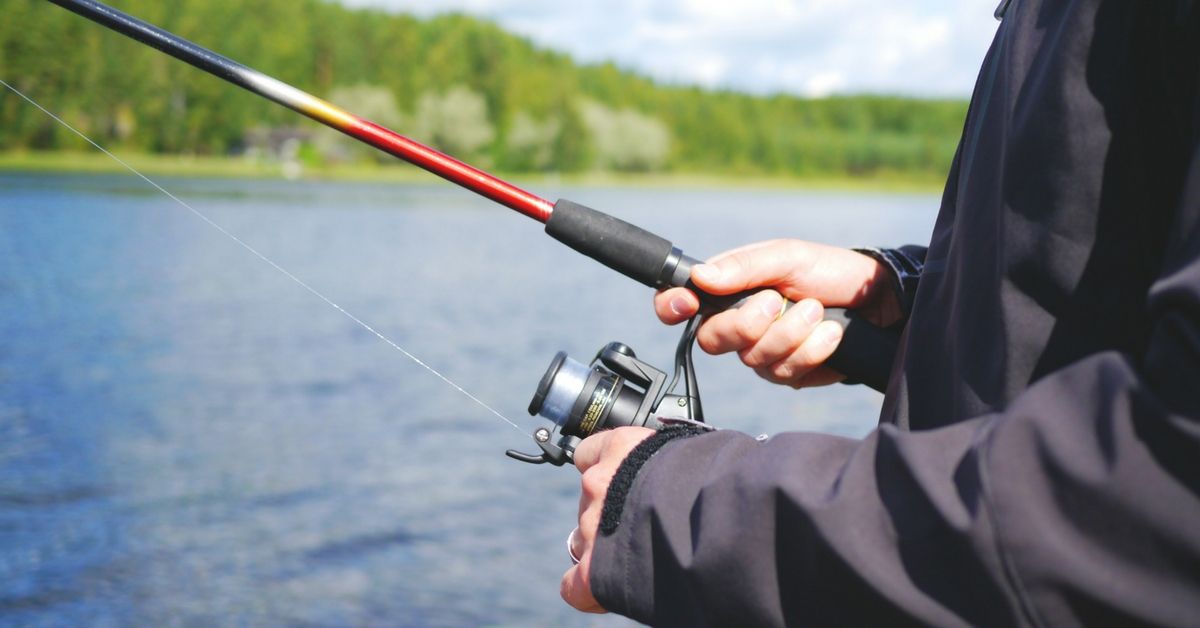
Setting up your fishing rod the right way can make all the difference when you’re out by the lake. Whether you’re a beginner or just need a quick refresher, getting your gear ready correctly boosts your chances of landing that perfect catch.
Imagine feeling the tug on your line and knowing your setup won’t let you down. In this guide, you’ll discover simple, step-by-step tips to prepare your fishing rod so you can focus on what really matters—enjoying your time on the water and reeling in fish.
Keep reading, and you’ll be ready for your best lake fishing experience yet.

Credit: www.youtube.com
Choosing The Right Rod
Setting up a fishing rod for lake fishing starts with choosing the right rod. The rod affects how you cast and how you feel the fish bite.
This guide helps you pick a rod by covering types, length, and material.
Types Of Fishing Rods
Different rods suit different fishing styles. For lake fishing, spinning rods and baitcasting rods are common choices.
- Spinning Rods:Easy to use, good for light lures and small fish.
- Baitcasting Rods:Provide more control and power for bigger fish.
- Fly Rods:Designed for fly fishing, not usually used in lakes.
Selecting The Rod Length
Rod length affects casting distance and rod control. Longer rods cast farther but may be harder to handle.
| Rod Length | Best Use |
| 5 to 6 feet | Good for close-range fishing |
| 6 to 7 feet | Most common for lake fishing |
| 7 to 8 feet | Long casts and bigger lakes |
Material And Action
Rods come in different materials and have different actions. Material affects weight and strength. Action means how much the rod bends.
- Materials:Graphite rods are light and sensitive. Fiberglass rods are strong and flexible.
- Action Types:Fast action rods bend near the tip for quick hook sets. Medium action rods bend in the middle for versatility. Slow action rods bend along the whole rod for smooth casting.
Picking The Proper Reel
Choosing the right reel is important for lake fishing. It helps you cast better and catch fish easier.
Different reels work for different fishing styles. Learn how to pick the best reel for your rod.
Spinning Vs Baitcasting Reels
Spinning reels are easy to use and good for beginners. They work well with light lines and lures.
Baitcasting reels give more control and power. They are better for heavier lines and bigger fish.
- Spinning reels are good for small to medium fish.
- Baitcasting reels suit experienced anglers.
- Spinning reels reduce line tangles.
- Baitcasting reels provide better accuracy.
Matching Reel To Rod
Pick a reel that matches the rod’s size and strength. A wrong match can cause problems while fishing.
Check the rod’s recommended reel size before buying. Make sure the reel fits well on the rod handle.
- Use a light reel with a light rod for small fish.
- Use a heavy reel with a strong rod for big fish.
- Balance the reel and rod for comfortable fishing.
Reel Maintenance Tips
Keep your reel clean to make it last longer. Dirt and water can damage the parts.
Lubricate the reel regularly to keep it smooth. Check for loose screws and fix them fast.
- Rinse the reel with fresh water after fishing.
- Dry the reel before storing it.
- Apply reel oil to moving parts every few uses.
- Store reels in a cool, dry place.
Selecting Fishing Line
Choosing the right fishing line is important for lake fishing. It affects how far you cast and how strong your setup is.
You need a line that matches the fish you want to catch and the type of water you fish in.
Line Types And Strengths
Fishing lines come in different materials and strengths. Each type works best for certain fishing styles.
Choose a line that can handle the fish weight you expect to catch. The strength is measured in pounds.
- Light lines (2-6 lbs) suit small fish like panfish
- Medium lines (8-14 lbs) are good for bass and trout
- Heavy lines (15+ lbs) work for big fish like pike
Monofilament Vs Braided Lines
Monofilament lines are smooth, stretchable, and easy to handle. They work well for beginners.
Braided lines are stronger and thinner. They have less stretch and more sensitivity.
- Monofilament is good for light tackle and soft bites
- Braided line casts far and resists abrasion
- Monofilament floats; braided line sinks
Line Capacity And Testing
Line capacity tells how much line your reel can hold. It is shown in yards or meters.
Line testing is the strength rating. It shows the max weight the line can hold before breaking.
| Line Strength (lbs) | Common Fish Types | Reel Capacity Example (yards) |
|---|---|---|
| 4-6 | Bluegill, Crappie | 150-200 |
| 8-12 | Bass, Trout | 120-150 |
| 15-20 | Pike, Catfish | 100-130 |
Attaching The Reel To The Rod
Attaching the reel to the fishing rod is an important part of setting up for lake fishing. It helps balance the rod and makes casting easier.
Follow the right steps to secure and align the reel properly for a better fishing experience.
Securing The Reel Seat
The reel seat is where the reel fits on the rod. It holds the reel tightly in place while you fish.
- Loosen the reel seat rings or locking nut on the rod handle.
- Place the reel foot into the seat, making sure it fits snugly.
- Tighten the reel seat rings or locking nut to hold the reel firmly.
- Check if the reel is secure by gently wiggling it.
Aligning The Reel Properly
Proper alignment of the reel ensures smooth casting and reeling. The reel handle should be easy to use and not block the rod guides.
| Alignment Tip | Description |
| Position | Place the reel so the handle faces downward for easy access. |
| Guide Line | Make sure the reel spool aligns with the first rod guide. |
| Comfort | Hold the rod and check if the reel feels balanced in your hand. |
Spooling The Line
Spooling the line is an important part of setting up your fishing rod for lake fishing. It helps you cast smoothly and catch fish easily.
Using the right technique when spooling the line keeps it strong and prevents problems while fishing.
Preparing The Spool
Start by choosing the correct fishing line for your lake fishing. Check the spool and remove any old line.
Make sure the spool is clean and dry before you put on the new line. This helps the line stay in place.
Avoiding Line Twists
Line twists can cause knots and tangles. To avoid twists, let the line come off the new spool in the same direction as your reel.
Use a line conditioner or wet the line slightly to reduce friction. Check the line often as you spool it on.
- Keep the spool flat and steady
- Match line direction to reel rotation
- Stop if you see loops or twists
Proper Line Tension
Maintain firm but gentle tension on the line while spooling. This keeps the line tight and prevents loose loops.
Too much tension can stretch the line. Too little tension causes tangles. Find a balance by holding the line with your fingers.
- Use your fingers to control tension
- Keep the line tight, not stretched
- Check the line’s tightness regularly

Credit: fishingbooker.com
Tying The Knot
Tying the right knot is key to setting up your fishing rod for lake fishing. A strong knot keeps your line secure and helps catch fish efficiently.
Learning a few common knots and how to tie them properly will improve your fishing experience and reduce line breakage.
Popular Knot Types
Some knots are better for certain fishing lines and lures. Here are three popular knots for lake fishing rods:
- Improved Clinch Knot:Great for attaching hooks and lures to monofilament line.
- Palomar Knot:Strong and easy to tie, works well with braided and monofilament lines.
- Uni Knot:Versatile knot used for tying line to hooks or joining two lines.
Step-by-step Knot Tying
Follow these simple steps to tie the Improved Clinch Knot securely:
- Thread the line through the hook eye and wrap it around the standing line five to seven times.
- Pass the loose end through the small loop near the hook eye.
- Then pass the loose end through the big loop formed.
- Moisten the knot with water or saliva.
- Pull both ends slowly to tighten the knot.
- Trim the excess line close to the knot.
Knot Strength Tips
| Tip | Reason |
| Moisten the knot before tightening | Reduces friction and strengthens the knot |
| Tighten knots slowly and evenly | Prevents line damage and slipping |
| Trim the tag end closely | Stops loose ends from catching debris |
| Practice tying knots regularly | Improves knot reliability and speed |
Attaching Hooks And Lures
Setting up your fishing rod properly is key to catching fish in a lake. Attaching hooks and lures correctly helps improve your chances.
This guide covers choosing hooks, picking lures, and securing them to your line.
Choosing The Right Hooks
Select hooks based on the fish size and bait type. Use smaller hooks for small fish and bigger hooks for larger fish.
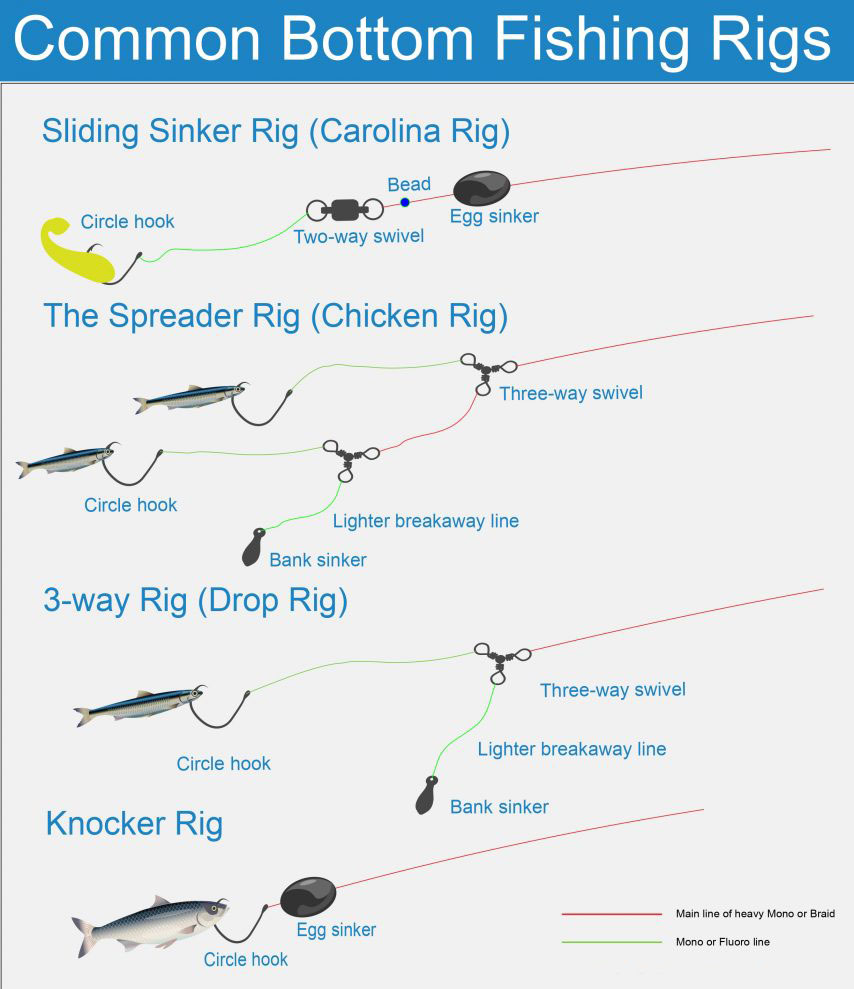
- Circle hooks work well for catch and release.
- J-hooks are good for live bait.
- Treble hooks suit artificial lures.
- Match hook size to bait size for best results.
Lure Selection For Lake Fish
Choose lures that attract lake fish species. Color and movement affect lure success.
| Lure Type | Best For | Color Tips |
| Spinnerbaits | Bass, Pike | Silver, chartreuse |
| Crankbaits | Walleye, Trout | Natural hues |
| Soft Plastics | Panfish, Bass | Bright colors |
| Jigs | Perch, Crappie | Dark shades |
Securing Lures Effectively
Fasten your lures firmly to avoid losing them. Use good knots and check regularly.
- Thread the line through the lure eye.
- Tie a strong knot like the improved clinch knot.
- Pull tight and trim excess line.
- Test the knot by pulling hard.
- Replace worn hooks and lures often.
Credit: mysterytacklebox.com
Setting The Drag System
Setting the drag system on your fishing rod is key for lake fishing. It helps control the line tension during a catch.
Knowing how to set the drag properly can prevent broken lines and lost fish.
Purpose Of Drag
The drag system lets the fishing line slip under pressure. This stops the line from snapping when a fish pulls hard.
- Protects your line from breaking
- Helps tire out the fish
- Keeps the tension smooth and steady
- Allows the fish to run without losing the hook
Adjusting Drag Properly
Adjust the drag to match the fishing line strength and fish size. Too tight drag breaks the line. Too loose lets fish escape.
| Drag Setting | Line Strength | Fish Size |
| Light | 2-6 lb | Small fish |
| Medium | 6-12 lb | Medium fish |
| Heavy | 12+ lb | Large fish |
Testing Drag Settings
Test the drag by pulling the line with your hand. It should slip smoothly without too much force.
- Pull the line gently from the reel
- Feel if the drag releases the line smoothly
- Tighten or loosen the drag as needed
- Repeat until you find the right tension
Final Checks Before Fishing
Before you start fishing in the lake, it is important to do a few final checks. These checks help make sure your gear is ready and safe to use.
Taking time for these steps can save you from problems and help you enjoy your fishing trip more.
Inspecting Equipment
Look over your rod, reel, and other gear carefully. Check for any cracks, rust, or damage. Make sure all parts are clean and work smoothly.
Also, check your hooks and lures. Replace any that are dull or bent. Good equipment helps catch fish and keeps you safe.
Line And Knot Safety
Check your fishing line for nicks or weak spots. A damaged line can break easily and lose your catch. Replace old line if needed.
Test your knots by pulling gently. Use strong knots like the improved clinch knot or Palomar knot. Tighten knots well to avoid slipping.
- Look for frays and cuts on the line
- Use proven knots for better hold
- Trim excess line after tying knots
Rod And Reel Handling Tips
Hold your rod and reel firmly but comfortably. Avoid dropping or banging them on hard surfaces. This keeps your gear in good shape.
Practice smooth casting motions to prevent line tangles. Reel in steadily to avoid sudden jerks that can damage the rod or line.
- Grip rod handle with your dominant hand
- Keep reel seated tightly on the rod
- Cast gently to reduce line twists
- Reel slowly and evenly when pulling fish
Frequently Asked Questions
How Do I Choose The Right Fishing Rod?
Selecting the right fishing rod depends on the fish species and personal preference. For lake fishing, a medium-action rod is versatile. It offers a balance between sensitivity and strength. Consider the rod length, typically 6-7 feet, for casting ease. Match your rod with a suitable reel and line for optimal performance.
What Type Of Fishing Line Is Best For Lakes?
Monofilament line is often ideal for lake fishing. It’s versatile, easy to handle, and affordable. Monofilament offers good stretch, reducing the risk of line breaks. For clearer waters, consider fluorocarbon line for its low visibility. Always choose a line strength based on the fish size you target.
How Do I Attach A Fishing Reel To A Rod?
Begin by positioning the reel on the rod’s reel seat. Align the reel foot with the seat grooves. Secure it by tightening the seat’s locking mechanism. Ensure the reel is firmly attached without over-tightening. This setup provides stability and reduces the risk of equipment failure during fishing.
What Bait Works Best For Lake Fishing?
Live bait, like worms or minnows, is effective for lake fishing. It attracts various fish species. Artificial lures, such as spinners and jigs, also work well. Choose bait based on the targeted fish species. Experiment with different baits to determine which works best in your lake environment.
Conclusion
Setting up your fishing rod right makes lake fishing more fun. Choose the right rod, line, and hook for the fish you want. Tighten your reel and check the knots carefully. Cast smoothly and watch the line closely. Practice these steps often to get better.
Enjoy the calm of the lake and the thrill of the catch. Fishing is simple with the right setup and patience. Keep learning and trying new techniques to improve your skills. Happy fishing!